Join Austin Walker on Remap Radio 157 as he discusses Dragon's Dogma 2 and the current state of indie game funding, among other key topics.
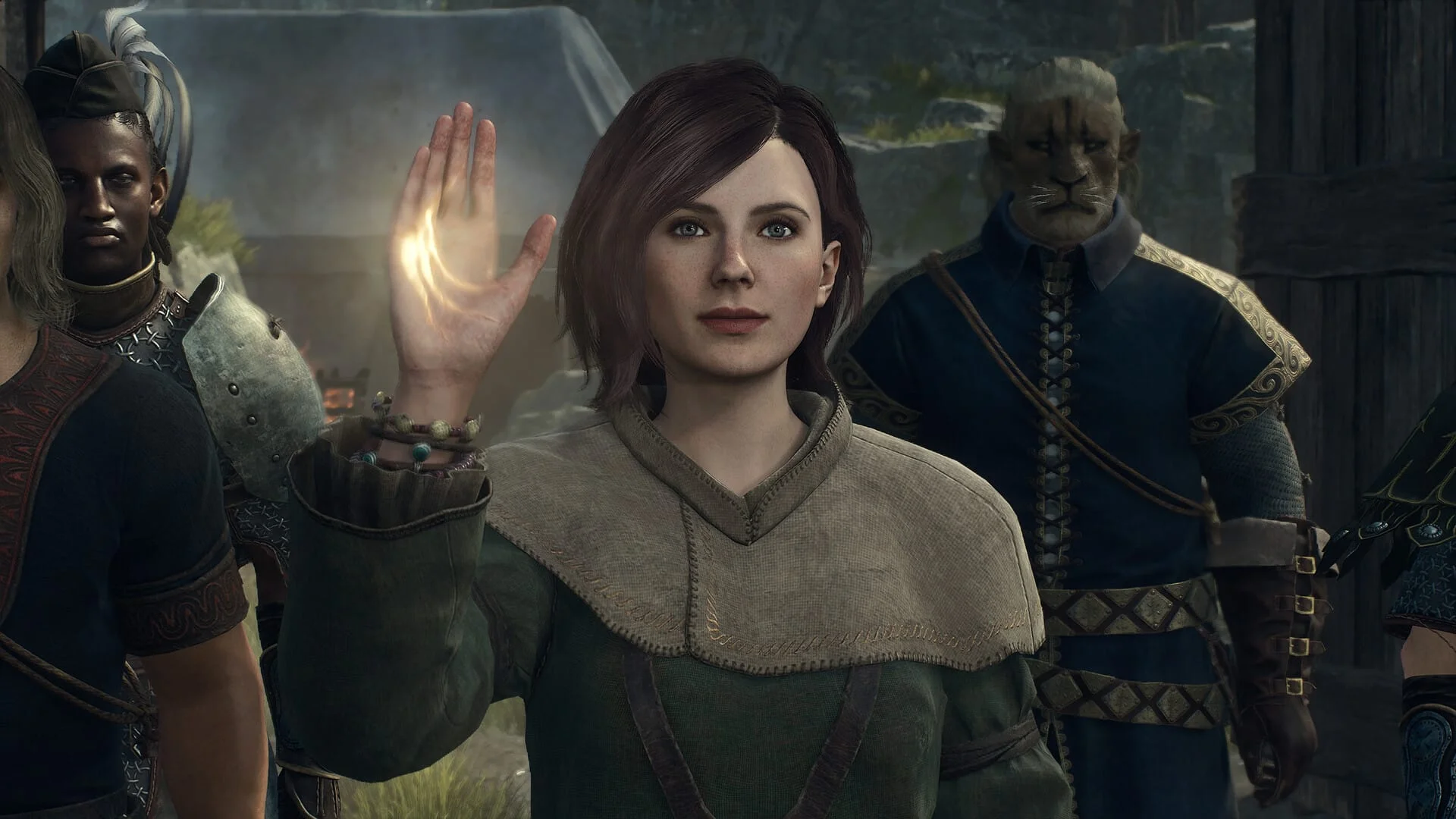
The Anticipation of Dragon's Dogma 2: Dark Arisen
The gaming world is several weeks away from the release of Dragon's Dogma 2: Dark Arisen, a title that has stirred considerable excitement among fans and critics alike. It's not just the sequel of a cult classic, but also a stark representation of how franchises can evolve over time. Given the original game’s ability to combine action, storytelling, and unique mechanics like the Pawn system, expectations are high. Players are eager to see how the developers, Capcom, will build on the original formula while introducing new elements that could enhance the experience.
The significance of this release extends beyond just gameplay. It reflects a growing trend in the industry where established franchises are revisited or expanded, tapping into nostalgia while also drawing in new audiences. This dual-focus is critical in an era where competition from indie titles can be fierce, given their often innovative approaches to storytelling and gameplay. If you're working in this space, understanding how large titles can reshape consumer expectations is essential.
Austin Walker and the Remap Radio Crew
In the latest episode of Remap Radio 157, Austin Walker joins hosts Rob, Patrick, and Chia for a discussion that reflects the complexities and nuances of the gaming industry. Walker, a prominent figure in gaming journalism and commentary, brings a wealth of insight into evolving trends. Conversations around independent game funding are particularly timely, given recent shifts in how games are financed—having moved from traditional publishers to a more decentralized approach that includes crowdfunding, grants, and even community support.
This pivot in funding structures is reshaping creative potential for developers. With the barriers to entry lowered, more unique voices and ideas can emerge, though this democratization also comes with challenges. How do developers navigate funding when traditional market gatekeepers are often absent? Walker's insights on these matters are crucial for understanding not just what games get made, but the kind of artistic expressions we can expect to see in the coming years.
Topics Covered and Industry Relevance
The podcast dives into a range of topics, starting with the unique project of Mike Tomlin's Minecraft City. This segment reflects the intersection of gaming and broader cultural influences, showcasing how sports personalities are tapping into gaming as a form of expression and community engagement. It's also a reminder that gaming culture is permeating various aspects of society, making it attractive to public figures wishing to connect with fans in new ways.
The discussion on Gardens Secures Further Funding and investments in small games is especially relevant given how this sector has seen a resurgence. With many players moving towards indie gaming, traditional funding models are being questioned. The mention of Star Wars: Galactic Racer hints at how established franchises are trying to incorporate smaller, less conventional game experiences alongside their major releases. This landscape shift reflects a more diversified approach, allowing for innovation within more confined budgets.
Insightful Highlights from the Podcast
Many topics discussed in the episode are rich with insight. For example, the segment on The Incident at Galley House raises questions about narrative and player choice. While some may see it merely as a narrative event, it opens discussions around how design decisions can shape player experiences. This event correlates with broader trends wherein player agency has become more paramount; you can see this reflected in countless titles striving to offer player-driven narratives.
Moreover, highlighting independent games showcases the changing nature of marketplaces. While the big-budget titles tend to hog headlines, smaller games often capture players' hearts and trigger meaningful discourse within the community. The podcast illustrates these shifts not only in terms of sales but also in how games are discussed and explored online, offering players new ways to share their gaming experiences.
Implications for the Future
The conversations led by Walker and the Remap Radio crew hint at several implications for the future of gaming. The increasing attention on indie game funding reflects a shift in player preference. Gamers are more willing to support niche titles, especially those that promise unique storytelling or gameplay mechanics. This creates a fertile ground for experimentation, but it also risks fragmenting the market. There’s a danger that the abundance of choices could overwhelm players, who may find it challenging to navigate through the noise.
Additionally, the popularity of franchises and the evolution of established series pose both an opportunity and a risk for developers. While tapping into nostalgia can lead to substantial profits, it can also stifle creativity. If franchises are only revisited for safe returns, we'd miss the chance to explore entirely new universes or innovative gameplay structures. Hence, the balance between familiar and fresh ideas becomes critical for sustaining player interest.
This dynamic is not just a trend but an ongoing conversation about what gaming can become in the years to come. The discussions in this podcast segment will resonate with developers and gamers alike, creating a chain reaction that could alter how games are made, financed, and ultimately consumed. The changes in funding models, the rise of diverse narratives, and the involvement of influential personalities reflect a broader societal shift toward inclusivity and risk-taking, which may reverberate through other industries as well. Keep your eyes peeled; the gaming industry has more than a few surprises in store.

Discussion
Sign in to join the discussion.