Skillprint teams up with Arizona State University to convert gaming skills into microcredentials, enhancing career pathways in the evolving job market.
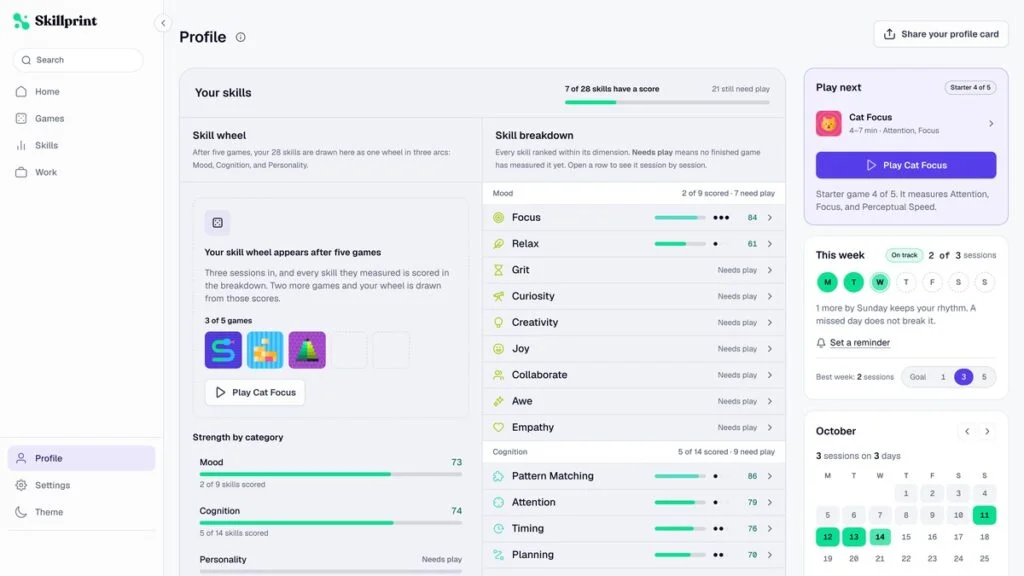
Skillprint, known for its approach in understanding human intelligence through gameplay, is joining forces with the Endless Games and Learning Lab at Arizona State University (ASU). This collaboration aims to create a novel framework for recognizing the practical skills that gamers cultivate during play, effectively translating these experiences into microcredentials applicable to the workplace.
The partnership combines Skillprint’s expertise in measuring human performance through gaming with ASU’s focus on utilizing games for educational purposes. With this initiative, individuals can now earn microcredentials or even progress toward degrees simply by engaging with various games and applying their learned skills in professional contexts.
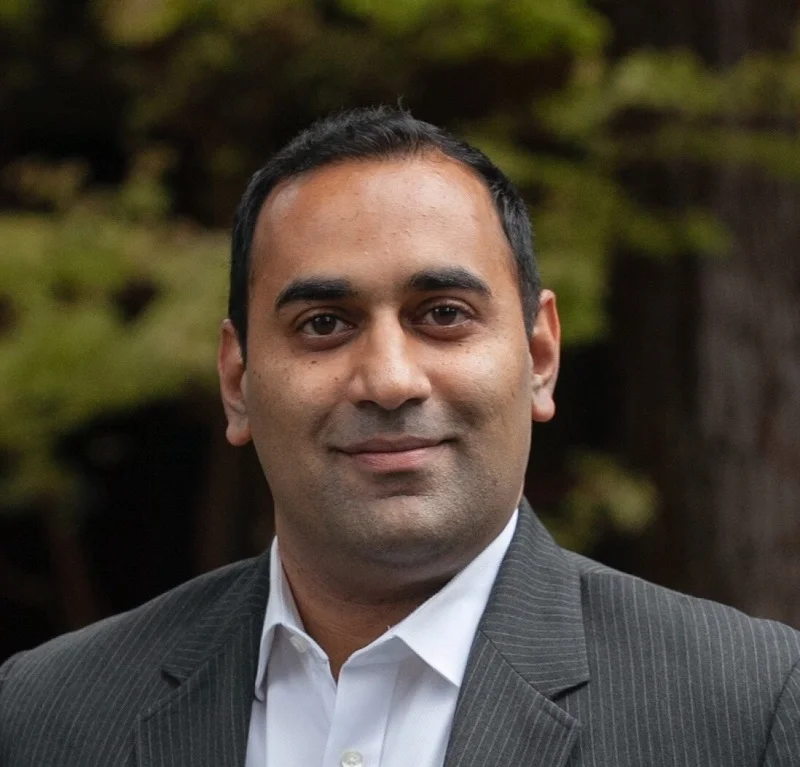
Chethan Ramachandran, CEO of Skillprint, emphasizes that traditional knowledge assessments often miss out on the dynamic learning that occurs in gaming environments. "Games provide an incredibly detailed view of how participants approach problem-solving and decision-making," he explains. "However, once the game concludes, that knowledge typically vanishes. Our objective is to preserve this learning and translate it into tangible skills that can be recognized and utilized in the job market."
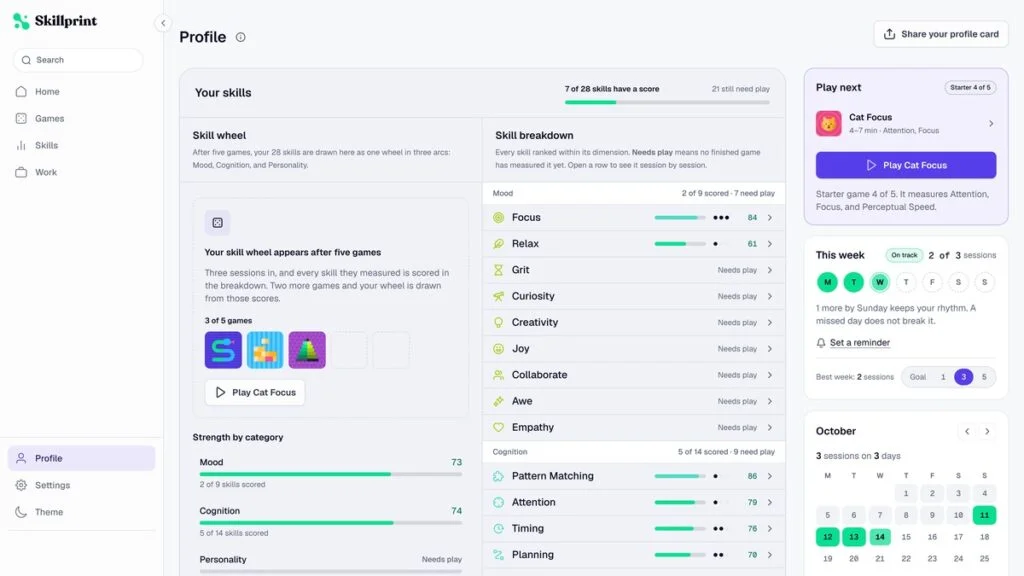
Skillprint's platform leverages neuro-gaming insights, evolving into a tool for AI collaboration, career exploration, and microcredentialing. Ramachandran notes that different game types will correspond to various skills, leading to specific badges and ultimately recognized credentials that align with ASU's educational offerings. "The gaming experiences can mirror competencies essential for various careers. Our initiative is about providing an assessment of one’s abilities and defining clear pathways to achieve career goals," he adds.
Through the collaboration, Skillprint and ASU aim to establish a system of "Play" microcredentials, which will validate and help communicate skills acquired during gameplay. These credentials could serve as essential tools for individuals looking to understand their capabilities better in relation to future employment opportunities.
Skillprint’s technology captures gameplay experiences to discern how players make decisions and behave in various contexts, creating personalized skill profiles over time. This information can then be connected to broader occupational competencies.
The partnership will also explore avenues for research into measurable learning outcomes through gaming and intends to showcase the approach with a dedicated case study. Mark Ollila, director of the Endless Games and Learning Lab, points out that games serve as potent learning environments; they push players to strategize, adapt, and make decisions in real-time. He believes the ongoing project will unveil significant insights into what individuals acquire through gaming and translate those experiences into applicable skills for the workforce.
This collaboration symbolizes a shift in assessing human potential through playful interactions rather than static examinations. While traditional methods often gauge fixed knowledge, gaming allows for a fluid assessment process, where players are continuously challenged to strategize and react to various situations.
“By analyzing how we play games and interact within them, we're uncovering valuable data that stands to not only enhance our understanding of human intelligence but also that of artificial intelligence,” Ramachandran states. The platform’s adaptability and capacity to fine-tune experiences based on player input make it a powerful tool for enhancing both human and machine performance.
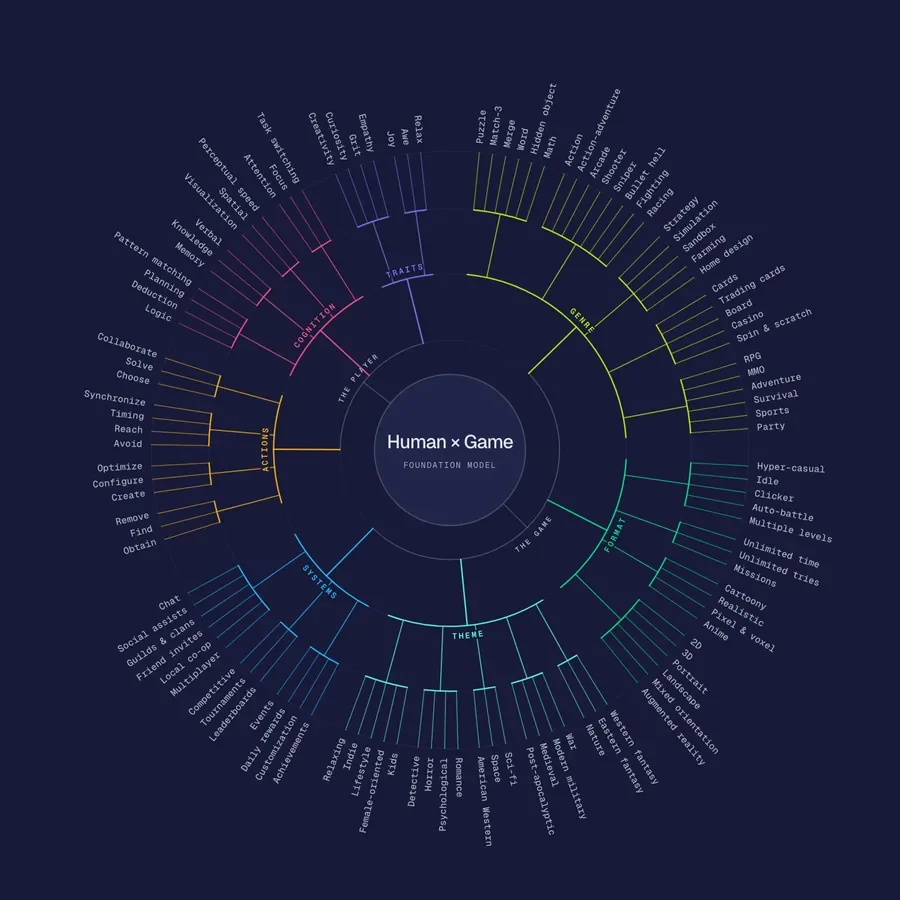
Skillprint's focus encompasses over 800 cognitive studies and over 500,000 player sessions, dissecting various game mechanics to understand cognitive and emotional signals. This insight is instrumental in shaping Skillprint's expanding portfolio: Skillprint Signal, for example, links human performance intelligence to AI model effectiveness.
Since its establishment, Skillprint has integrated cognitive science with gaming dynamics, aiming to translate gameplay into actionable human-performance metrics. With ongoing funding efforts, the vision remains to foster a future where AI complements human capabilities.
The ASU Lab's work stands at the crossroads of gaming, education, and professional opportunity, utilizing game-based learning methodologies to recognize essential skills through play. Ramachandran underscores that this endeavor serves a dual purpose: enhancing AI intelligence while simultaneously cultivating human potential.
The ASU Labs
The Endless Games and Learning Lab aims to pioneer a framework where gameplay can be used not only for learning but also for career development. By harnessing familiarity with games, they seek to award microcredentials that signify the strategic thinking skills developed through certain gaming experiences.
For instance, strong performances in strategy games could be directly correlated with valuable competencies in resource management or strategic planning—fields that ASU is eager to recognize with formal credentials. This synergy highlights the evolving perception of education and professional qualifications in today's fluid job market.
A Long Gestation
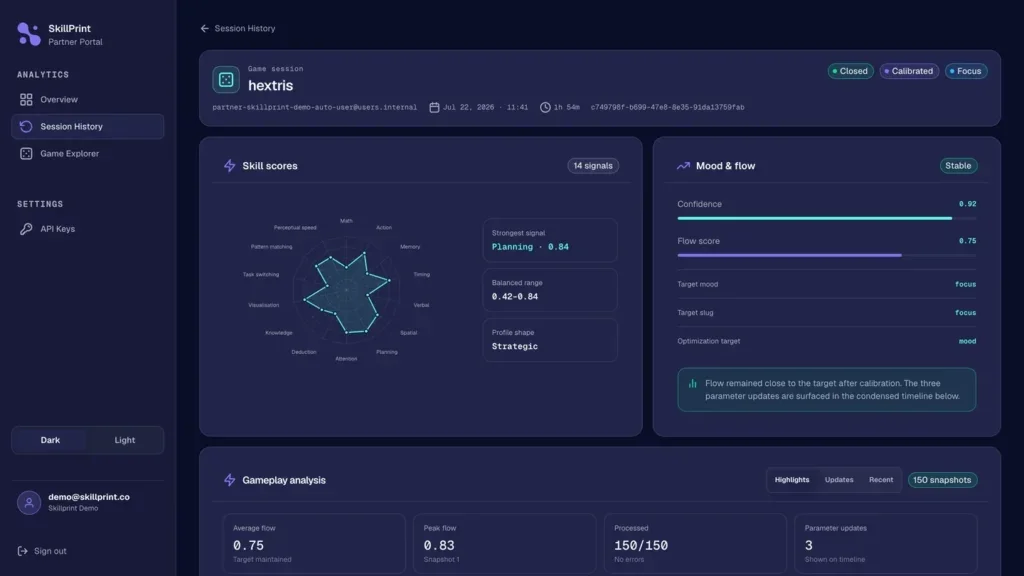
Ramachandran previously ran Playnomics, a pioneer in predictive machine learning for gaming, equipping him with deep insights into AI advancements. He mentions that expectations of human versus machine contributions to skill development have shifted, now leaning towards a more collaborative model between the two.
This evolving interaction between humans and AI forms the backbone of Skillprint's mission, aiming to create environments where gaming can significantly enhance cognitive functions. The ongoing project promises not just theoretical implications, but practical applications across various career paths in today's diverse job market.
What Do Games Tell Us About Careers?
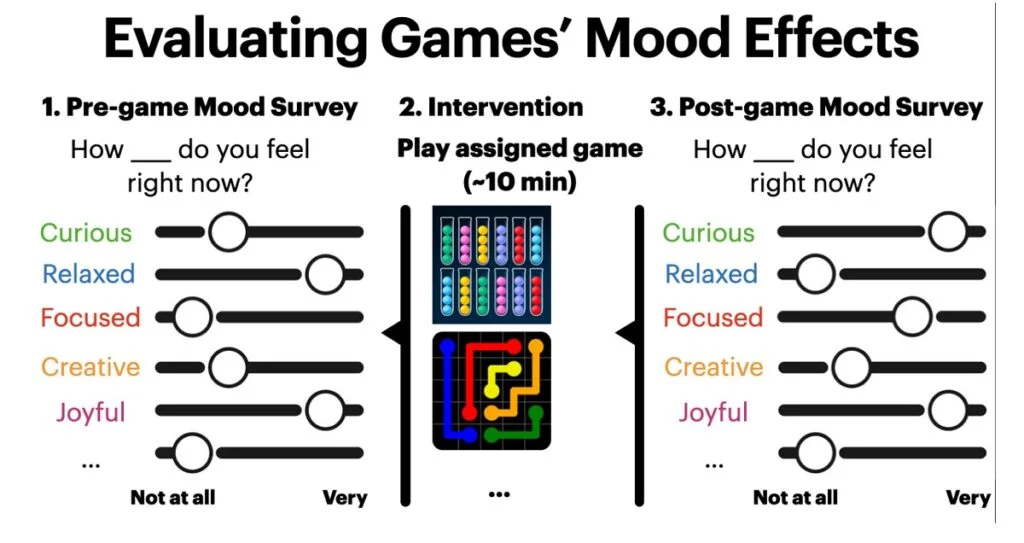
Skillprint can break down various careers into the essential skills they demand while also mapping these skills to specific gaming experiences. For example, someone showing proficiency in games requiring quick reflexes and calmness under pressure, like first-person shooters, could find pertinent career suggestions in high-stakes trading or similar fields.
Furthermore, Skillprint takes into account the personality traits and cognitive styles that emerge through diverse gaming experiences. For instance, puzzle games may attract individuals who excel in critical thinking and complex problem-solving, whereas team-based strategy games reveal strengths in collaboration and strategic foresight.
As the workforce evolves, the necessity for fluidity in skills becomes apparent, with Ramachandran asserting the importance of adapting to the shifting job landscape. "While some positions may diminish in demand due to AI advancements, new roles will arise, demanding different skills," he remarks. The integration of gaming mechanics into skill recognition paves the way for a more adaptive, skills-based understanding of career pathways.
Going Full Circle
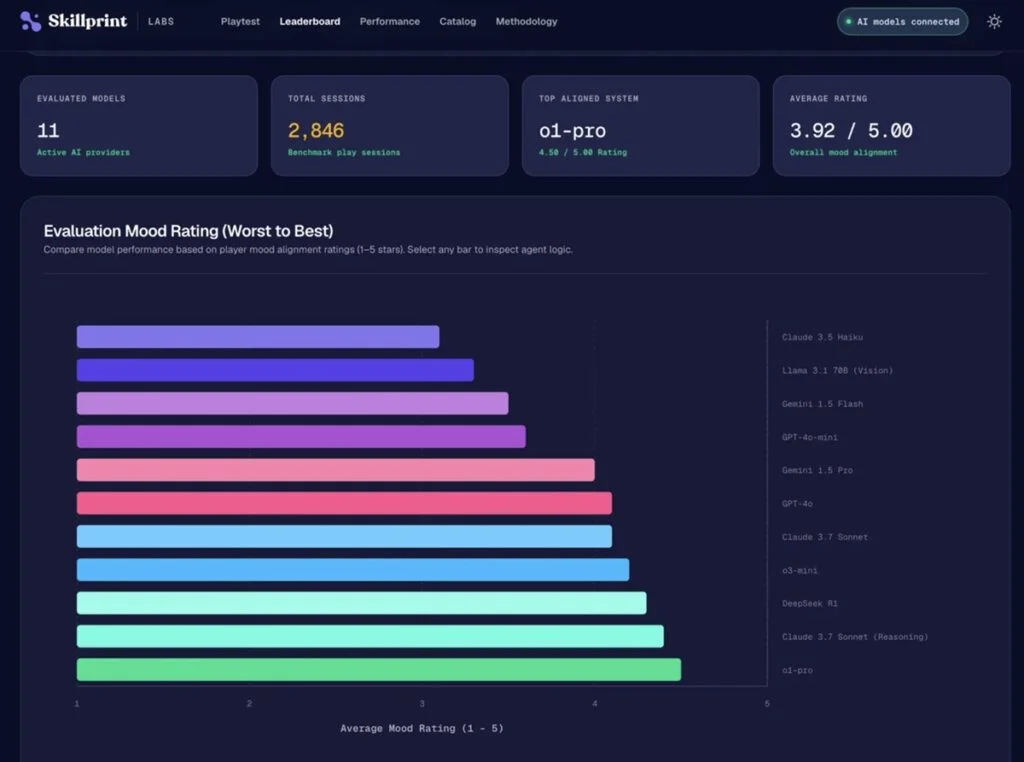
Reflecting on Skillprint’s journey, Ramachandran acknowledges the years of development that have led to this current partnership with ASU. "It’s been about building a neuroscience framework in the cloud capable of interpreting game dynamics and human responses," he clarifies, highlighting the groundwork laid for realizing the company's vision.
As the public perception of professional paths continues to shift, opportunities now emerge where once there were rigid boundaries. Skillprint seeks to highlight and match skills cultivated in gaming with job prospects, ultimately guiding individuals towards successful career fulfillment in an increasingly unpredictable landscape.
With the integration of gaming and AI, the potential to enhance learning and growth aligns perfectly with the needs of today’s workforce. As Ramachandran articulates, "The goal is to elucidate people’s strengths, providing pathways that feel natural and engaging, all while fostering an environment ripe for unlocking new skills that can lead to rewarding professional opportunities."
In Ramachandran's view, contextualizing technological advancements like AI alongside education is pivotal. "To prepare individuals for the future, we must recognize the tools at our disposal and prioritize people's needs as we adapt to the inevitable changes ahead," he concludes, instilling hope for a collaborative future where games play a central role in learning and career progression.
Discussion
Sign in to join the discussion.