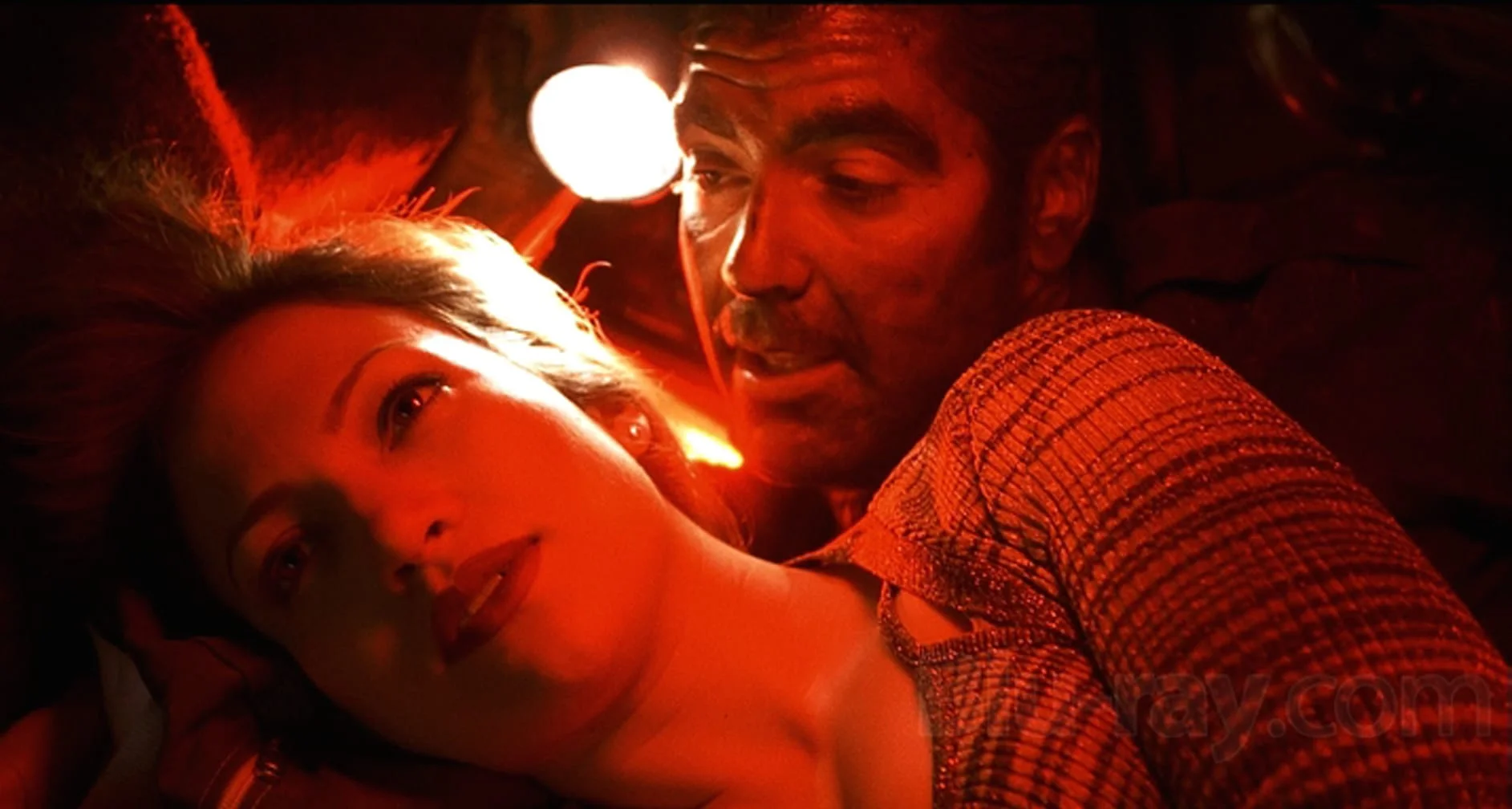
The podcast’s new film cycle starts with Soderbergh’s Out of Sight, starring George Clooney and Jennifer Lopez.
A Podcast Running Joke Becomes a Viewing Plan
Remap’s “My Turn” segment is shifting from a place where hosts trade movie references into a series built around watching those films together. Patrick has kept a list of movies Rob has mentioned that no one else on the podcast has seen. Now the hosts plan to work through it, beginning with Steven Soderbergh’s Out of Sight. The premise is modest, but it gives the segment a clear structure: a passing reference can become the subject of a shared viewing and conversation.
That change matters because film talk on a podcast often depends on uneven familiarity. One host brings up a title, another recognizes it, and someone else is left with a gap in the discussion. A list turns that gap into a plan. The hosts can return to the same work with a common reference point, and listeners can follow along whether they’ve seen the film or are encountering it for the first time.
There’s a useful bit of editorial discipline in Patrick’s list, too. It gives the segment a source of future subjects without requiring the hosts to invent a new premise for every episode. The format can keep its personal origin—Rob’s mentions—while giving the audience a reason to anticipate what comes next. A list is not a guarantee of good discussion, of course. It’s a starting point.
Why Out of Sight Fits the Opening Slot
The first selection offers the hosts a recognizable setup to work with: George Clooney plays a down-on-his-luck con man who escapes prison, while Jennifer Lopez plays the no-nonsense cop pursuing him, a character drawn to bad boys. Those roles put pursuit and attraction in the same frame. The story’s central tension, as described here, isn’t just whether the cop can catch the escaped con man; it’s also the pull between her professional purpose and her attraction to the person she’s chasing.
That combination gives a film conversation more to examine than plot mechanics alone. The hosts can ask how the two characters are presented, what makes the pursuit compelling, and whether the romantic charge changes the way viewers read the chase. They can also consider how the actors’ performances shape those roles. A familiar crime setup can feel different depending on how much humor, charm, or friction the performances bring to it.
Soderbergh’s place in the selection is part of the appeal. The source calls Out of Sight an early Soderbergh film, which gives the discussion a possible point of comparison with the director’s broader body of work, if the hosts choose to make one. They needn’t claim that one film explains a career. They can use the viewing to notice what stands out here: the tone, the characters, and the way the film balances criminal action with attraction.
And that’s a better opening than treating the title as a test of film knowledge. The point isn’t to prove that a movie deserves its reputation or to turn the segment into a lecture. It’s to watch a work that has come up in conversation and find out what changes when the rest of the group sees it.
The Value of Shared Viewing
When only one person in a group has seen a movie, that person controls much of the conversation. They can recount the plot, point to a favorite scene, or make a comparison that the others can’t assess directly. Watching together changes the balance. Each host can respond to the same material, disagree about what matters, and test the person who brought up the film in the first place. The shared experience creates room for surprise as well as agreement.
For listeners, that can make the segment accessible even when they haven’t watched the selection. A discussion can provide orientation without reducing the film to a plot summary: what the hosts noticed, which character choices prompted debate, and whether the movie lived up to the expectations built by Rob’s earlier mentions. If you’re working through the list alongside them, you can compare your reactions with theirs. If you aren’t, the conversation can still offer a clear account of why the title was chosen.
(And this is the part most people overlook.) The list also preserves a small record of how the podcast’s own conversations have developed. Rob’s mentions are the source material; Patrick’s tracking makes them visible. The series can therefore say something about the hosts’ shared history, not only about the films themselves. That personal thread may be more engaging than a generic queue of movies selected without explanation.
A recurring format does carry a risk: process can crowd out discovery. If every episode amounts to checking a title off a list, the segment may start to feel like an assignment. The hosts will need to make each viewing feel like a conversation with its own stakes. Sometimes the interesting result may be that the film clicks; sometimes it may be that the person who recommended it has to explain what others missed.
What the Format Can Build
Here’s the thing: the premise works best when the list acts as a prompt, not a verdict. A movie’s presence on it doesn’t automatically make the film neglected, essential, or misunderstood. It simply means Rob has mentioned it and the other podcast participants haven’t seen it. That distinction keeps the series honest. The hosts can respond to what’s on screen without having to manufacture a claim about the movie’s place in cinema.
It also gives the segment a useful way to revisit the act of recommendation. What did Rob emphasize when he mentioned Out of Sight? Did the film deliver the quality he remembered, or did the group find a different reason to talk about it? Those questions connect the viewing to the podcast’s existing material while leaving room for a fresh response. A recommendation becomes more interesting when other people can challenge or refine it.
This is more significant than it looks for a small podcast feature. A simple list can turn scattered references into a repeatable format, and a repeatable format gives listeners something to track. The test will be whether the hosts preserve the informality that made the list worth keeping. If they do, “My Turn” can make the shared act of catching up part of the entertainment.
The first film provides a clear starting point: a Soderbergh crime story, a con man on the run, a cop in pursuit, and an attraction that complicates the chase. The longer-term appeal will come from what the hosts do with that setup—how they compare impressions, question the recommendation, and explain why a movie stayed in one person’s mind. A list gets them into the room. The conversation has to make the viewing count.
One title at a time. That’s the format’s promise, and its test.



Discussion
Sign in to join the discussion.