Voicemod’s Mandalorian and Grogu soundboards bring licensed audio into live chats, while Marvel soundboards are planned for a later date.
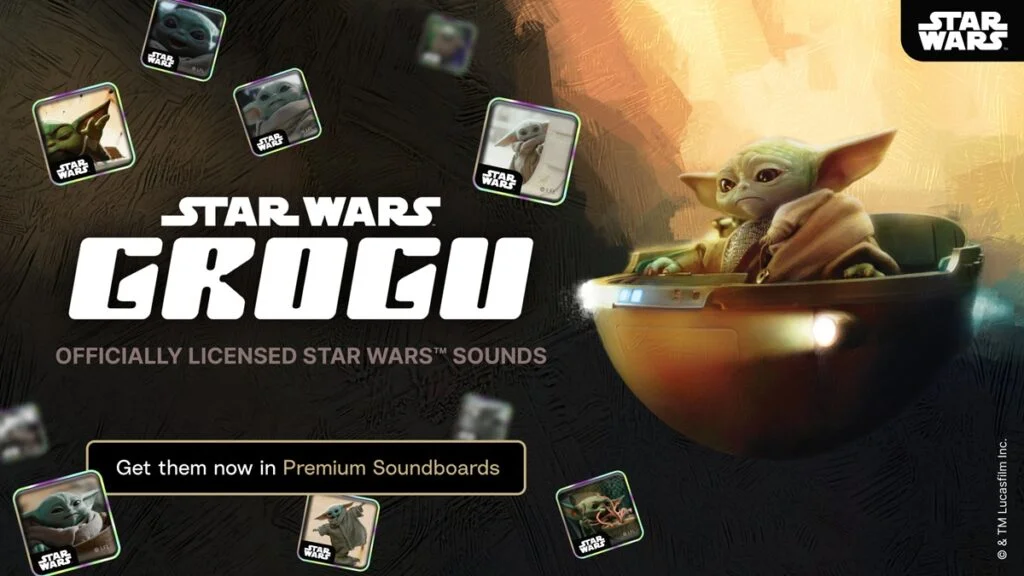
Voicemod is bringing licensed Star Wars audio into the quick reactions that shape gaming chats and livestreams. Its first soundboards feature sounds from The Mandalorian and Grogu, with Marvel soundboards planned for a later date. The launch puts familiar character audio in a format built for instant use: select a sound, trigger it during a conversation, and let the reaction carry across the voice channel.
The boards are available as standalone purchases inside Voicemod and connect to its audio setup. Users can trigger prerecorded effects and quotes while gaming, streaming, podcasting or chatting on social platforms. That makes the product less like a traditional collection of clips and more like a set of live reaction controls, though its value will depend on whether the sounds fit naturally into how people already communicate.
The sounds aren’t AI-generated. Voicemod uses AI for real-time voice changing, but not for these soundboards, which rely on licensed audio from established entertainment properties. That distinction matters: the product’s appeal rests on recognizable performances and characters, rather than on generating new voices.
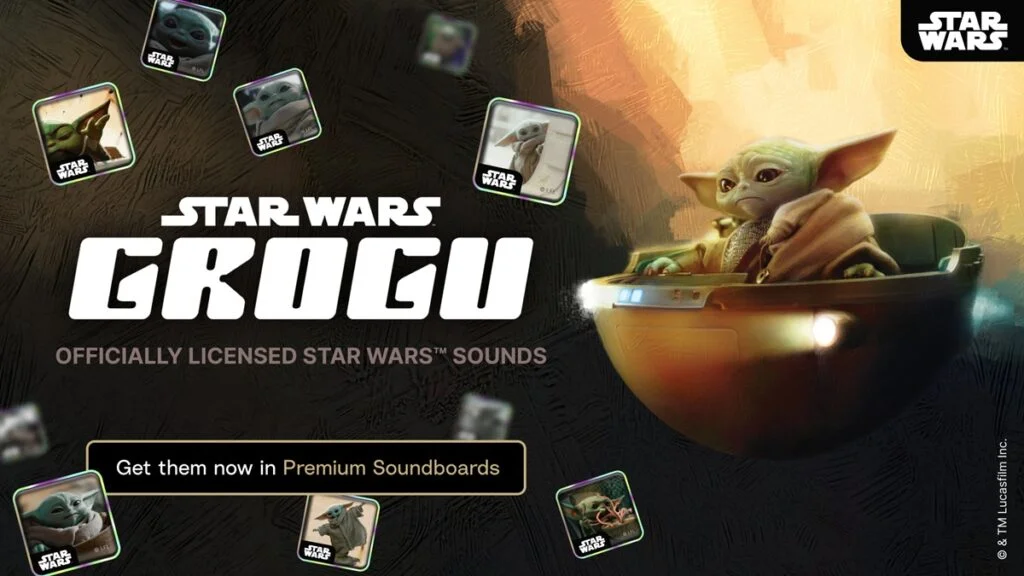
The Mandalorian and Grogu boards are available now at https://voicemod.link/
Audio reactions as a social shorthand
Voicemod founder and CEO Jaime Bosch sees the boards as a way to make familiar audio part of live interaction. A quick character sound can work like an emoji, conveying a reaction without interrupting the conversation. The analogy is useful, though audio takes up more of the shared moment than a small image in a text chat: it can draw attention, set a comic tone or briefly take over the conversation.
“They use those sounds to express an emotion, almost like an emoji,” Bosch told GamesBeat. “Just as you would use an emoji in the chat. They use it the same way, but on a communication via audio.” His description points to a familiar pattern in online groups, where repeated sounds and references become part of how friends respond to one another. A licensed character can make that reference legible to people who know the source, but the joke still depends on timing and audience.
That use case is rooted in people spending time together while playing. “The biggest use case are like individuals hanging out with their friends, usually while gaming,” Bosch said. Streamers can also use effects for comic timing, but the boards are designed for spontaneous responses, not just performance. That distinction gives the product a broader role than a sound effect added to a polished broadcast: it’s meant to be part of the exchange itself.
“Gameplay and streaming are inherently social, and a lot of that experience comes down to how people react and interact in the moment,” Bosch said. He added that familiar sounds can create a shared sense of belonging, whether users are joking with friends, reacting on stream or making content. Here’s the thing: the same instant recognition that makes a clip appealing can also make it feel repetitive if it’s used too often. A soundboard gives people another way to signal a mood, but it can’t supply the social context that makes the reaction land.
Licensed franchises extend Voicemod’s content library
The launch also signals a shift in how Voicemod builds its audio catalog. Bosch said the company has developed sounds and voices internally, but wants to add recognizable entertainment properties to its platform. Star Wars is the first announced example; Marvel content is in development, with details still to come. Licensing gives the company access to material with built-in familiarity, while also making its catalog more dependent on partnerships with outside rights holders.
“One of the things that excites me the most about this deal is that having IPs like Marvel or Star Wars is really something,” Bosch said. He credited Voicemod’s track record and user community with helping the company secure access to major franchises. For users, that access could make the boards feel more distinctive than a generic library of effects. For Voicemod, it offers a way to broaden what its platform can sell and how it can serve people who already use its audio tools.
Voicemod says it has more than 45 million gamers and creators using its platform and 5.7 million monthly active users for its soundboards and voice changers. Most monthly users are gamers. Those figures give some context for the potential audience, but they don’t show how many people will pay for a franchise board or use one regularly. The company is based in Valencia, Spain, employs 95 people and has raised $22 million to date. Jaime Bosch founded it in 2014 with his brothers Fernando and Juan.
What the launch needs to prove
For Voicemod, the appeal of licensed audio is practical: familiar characters give users an instantly recognizable way to punctuate a moment. This is more significant than it looks for a product built around live communication, where a sound has to be easy to find, timely and welcome to the people listening. Yet familiarity alone won’t establish lasting use. Users need reasons to reach for the clips after the novelty fades, and the company’s current figures don’t reveal whether paid soundboards meet that test.
The first two boards put that idea into players’ hands; the planned Marvel release will show whether the format can extend beyond Star Wars. If you’re working in this space, the question is whether licensed clips become part of a community’s shared vocabulary or remain occasional purchases. And yet. The format has a clear advantage: a known character can communicate a reaction in an instant, without asking users to invent a line of their own (and this is the part most people overlook). The next signal will be whether Voicemod can keep that convenience feeling social rather than scripted.
A small sound, at the right moment.
The post This is the way: Voicemod unveils Marvel and Star Wars Soundboards to bring more creative expression to voice chat appeared first on GamesBeat.



Discussion
Sign in to join the discussion.