Celia Hodent argues game makers can address exploitative design and online harm while protecting player enjoyment and creative freedom.
Games compete for attention in a market crowded with short videos, social media, AI companions, sports betting and online gambling. Celia Hodent sees that pressure as a reason for studios to examine how they hold players’ attention: when fun alone seems less effective at keeping people engaged, monetization can push design toward tactics that exploit impulse and anxiety. Her proposed response is an ethical framework that takes real harms seriously without treating games themselves as a social threat.
Hodent, a game user experience strategist with a neuroscience background and author of The Gamer’s Brain, discussed the tension at GamesBeat Summit 2026 in May. She is also leading an effort to establish a code of ethics for the game industry. The idea is to help developers assess how their choices affect players, communities and workplaces, while preserving games as an art form.
Separate concern from panic
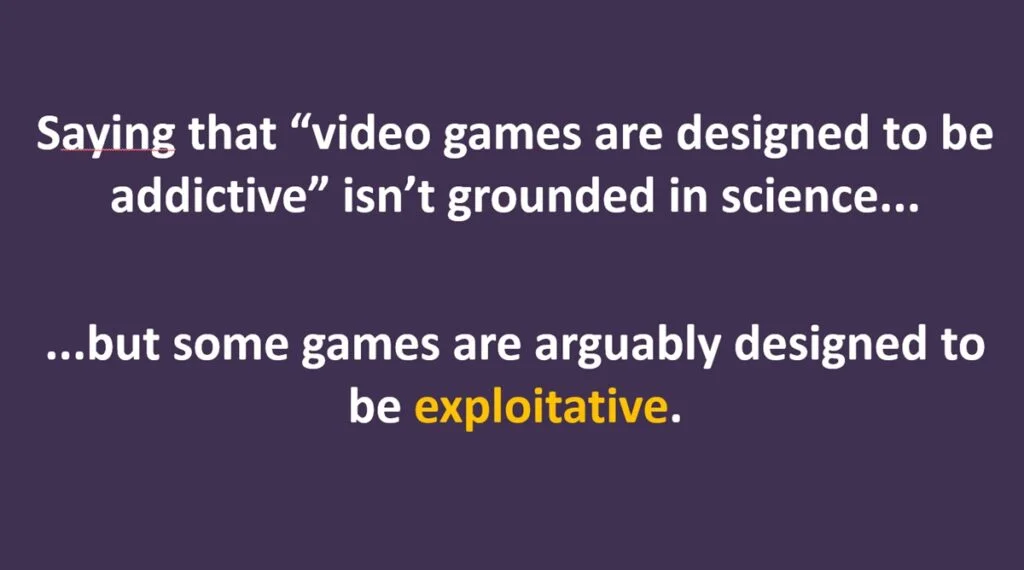
Public debate about games often reaches for sweeping explanations, linking them to addiction, violence or mental illness. Hodent doesn’t dismiss the possibility of harm, but argues that sensational claims can crowd out better questions about specific design choices and player experiences.
The research on video games and aggressive behavior, she said, remains insufficient and contradictory. The pandemic offered a different view of games’ social role: for people facing isolation, games could provide enjoyment, connection and an escape from difficult circumstances. That experience doesn’t settle every concern, but it shows why broad claims about games can miss what players actually get from them.
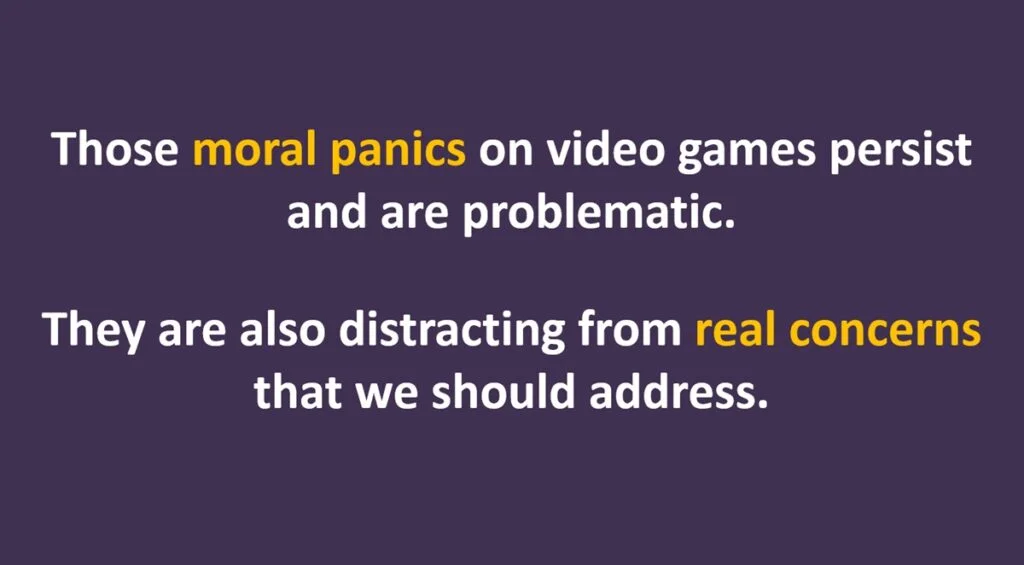
“Those moral panics on video games persist and are problematic,” Hodent said. “They are also distracting from real concerns we should address.”
One disputed concern is gaming disorder. The World Health Organization included it as a possible addiction before the pandemic, but researchers continue to debate the subject. Some people experience what Hodent calls “pathological gaming”; whether games can cause a distinct addiction remains contested. Her point is to keep the debate tied to evidence and to avoid letting a contested label substitute for examining concrete harms.
When pressure becomes exploitation
Games create frustration, suspense and emotional pressure by design. Those elements can make play compelling, just as a filmmaker may mislead an audience to serve a story or draw out a response. Hodent prefers to discuss “exploitative patterns” rather than deception alone, because the ethical question turns on whom a design choice serves.
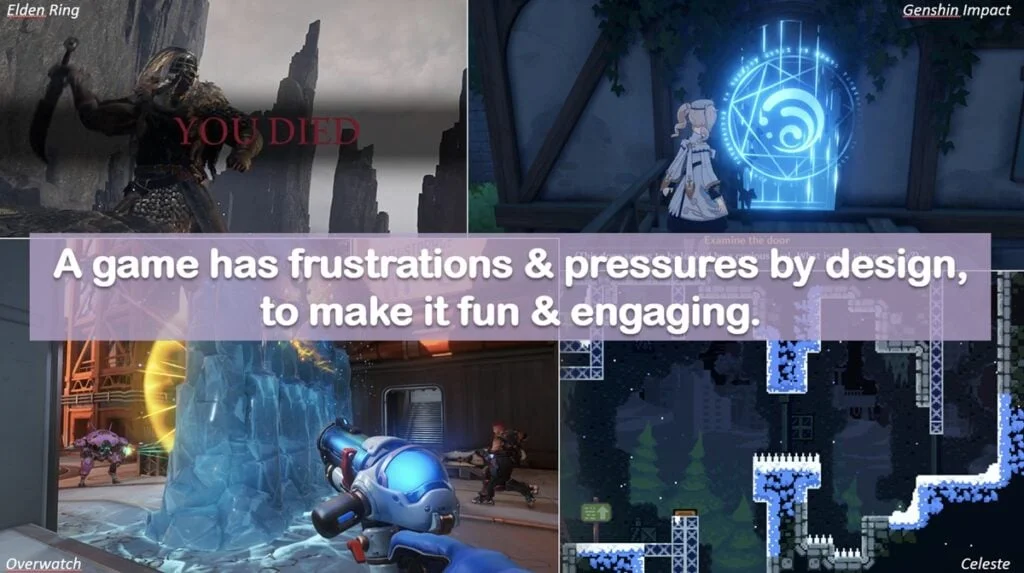
A design can use emotion or human bias to serve play, or to extract more from a player for the company’s benefit. That distinction is central to Hodent’s approach. She points to dark patterns, the term used for design that benefits a business at the user’s expense. Her discussion draws on her own work and on Harry Brignull’s book Deceptive Patterns: Exposing the tricks that tech companies use to deceive you.
As an example, Hodent cited a message associated with Amazon that read, “No thanks, I do not want to save $18.95.” The example appeared in a complaint by the Federal Trade Commission. Amazon paid $2.5 billion in fines and compensation in 2025, according to the source account. The broader lesson for game studios is that small interface decisions can shape a user’s choice, and the pressure may become exploitative when it serves the company while working against the player.
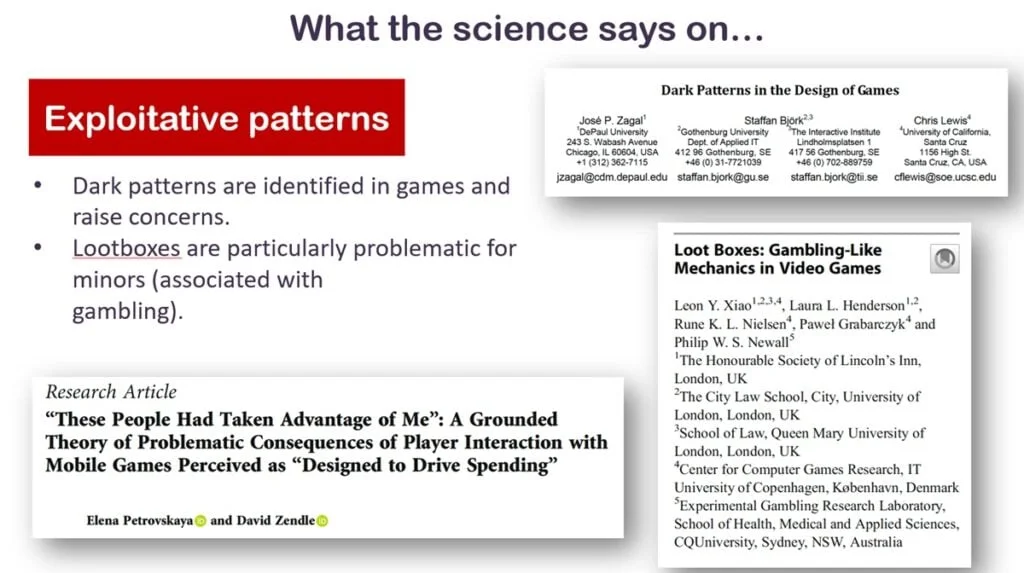
Game examples include guilt tripping, charging players to remove discomfort, monetized loot boxes, loss aversion, punishing players for disengaging, pressure driven by fear of missing out and autoplay. These tactics warrant scrutiny because they can turn ordinary engagement into a mechanism that makes leaving, waiting or declining a purchase feel costly.
Loot boxes are a particular concern for minors. Hodent said self-control develops over time and that children and teenagers may be more vulnerable to impulsive pressures. She described the prefrontal cortex as fully mature only at age 25, connecting that development to young people’s ability to resist loot boxes, fear of missing out and other prompts. The implication for designers is practical: evaluate a mechanic in light of the players likely to encounter it, not only the adults who can more readily regulate their choices.
That creates a difficult question for the industry: minors can’t gamble in casinos, so what safeguards should apply to loot boxes? Verifying a user’s age online is hard, Hodent noted. The Netherlands and Belgium have made loot boxes illegal, and the FTC announced a public workshop on loot boxes for later that year. Those examples show how the issue is moving from design discussion into public scrutiny, even as studios face unresolved questions about age checks and appropriate protections.
Hodent offers developers a direct test: ask whether a pressure built into the game supports gameplay and players’ interests, or primarily advances business goals. The answer can help distinguish meaningful challenge from a monetization tactic that takes advantage of players’ impulses.
Ethics as a design and business tool
Player safety extends beyond purchases. Hodent cited a survey in which about 76% of adults said they had experienced harassment in games. She also pointed to bullying, grooming, crimes against children and extremist movements exploiting online spaces. Other disruptive behavior can undermine a game’s intended experience and make it harder for people to enjoy playing.
These concerns are part of why Hodent started the Ethical Games movement, which aims to create a code of ethics for the industry. The framework would cover games, player communities and workplaces. Some developers worry that an ethics process would cost too much, add complexity, invite public relations or legal problems, or restrict creative expression. Artists and designers, Hodent said, can be especially concerned that it will limit how they address violent subjects.

Hodent argues that those costs should be weighed against the business consequences of ignoring harm. Toxicity can drive players away. Dark patterns and loot boxes have attracted legal and public scrutiny, and the source account also cites New York’s lawsuit against Valve over loot boxes. A code of ethics, in her view, could help studios consider these pressures earlier, before a design decision contributes to a larger dispute or damages trust.
Her case for an ethics code isn’t that it should dictate what games may depict. It should prompt teams to examine choices and consequences. “Games are an art form. We don’t want to censor them,” Hodent said. A framework could challenge a team to look beyond familiar tropes when depicting violence, she added, and that reflection may widen creative options rather than close them off.
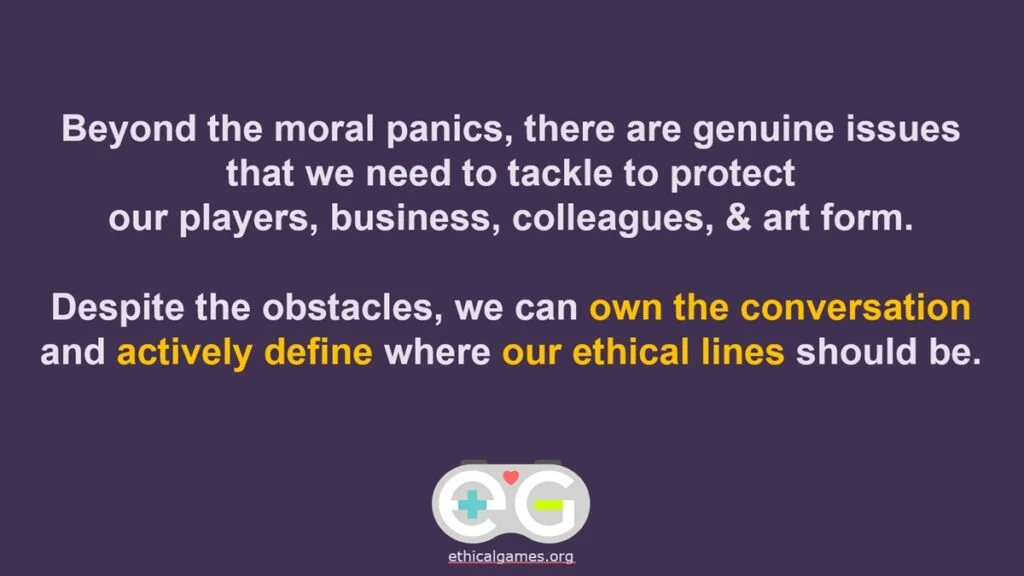
For Hodent, the industry’s choice isn’t between unrestricted design and moral panic. It can acknowledge measurable problems, examine whether a mechanic serves players, and set standards that encourage transparency while leaving room for creative work. As games compete for attention with businesses built around persistent engagement, that distinction will matter: studios that can explain why their design pressures belong in the play experience will be better placed to earn players’ trust.
The post Fun or addictive? Addressing warranted concerns while avoiding moral panics around video games | Celia Hodent appeared first on GamesBeat.



Discussion
Sign in to join the discussion.