
Hand Sanitizer Isn't Enough: Learn When to Wash Your Hands with Soap and Water
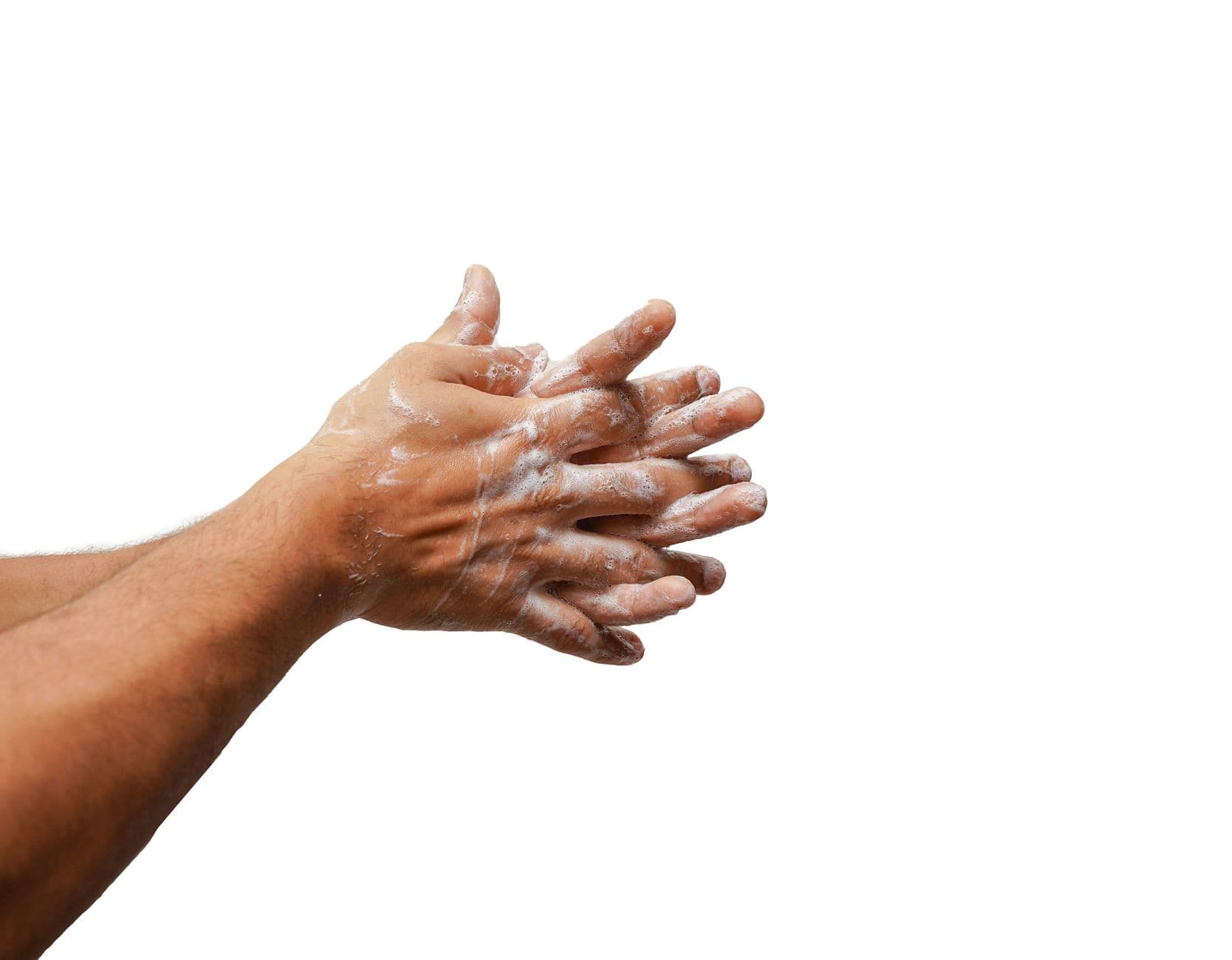
The use of hand sanitizer has become a habit for many people to maintain cleanliness and health, especially since the COVID-19 pandemic hit the world. However, many people may not realize that hand sanitizer cannot tackle all types of germs. It is important to know when to wash hands directly with soap and water to ensure optimal cleanliness.
Why is Hand Sanitizer Not Enough?
Hand sanitizer, especially alcohol-based ones, is known to be effective in killing many types of bacteria and viruses. However, its effectiveness depends on the alcohol content, which must be at least 60 percent. Nevertheless, not all germs can be eliminated with hand sanitizer. For instance, some stronger types of bacteria and viruses, such as norovirus and Clostridium difficile, cannot be handled with hand sanitizer alone.
Additionally, hand sanitizer is not effective in removing dirt or harmful chemicals from hands. If hands appear dirty or greasy, for example, after eating or contact with chemicals, washing hands with soap and water is the best option.
When Should You Wash Your Hands?
There are certain situations where washing hands with soap and water is more recommended than using hand sanitizer. Here are some situations where hand washing is highly advised:
1. After Using the Toilet
The toilet is a common place where germs can spread. Washing hands after using the toilet is an important step in preventing the spread of disease.
2. Before and After Handling Food
Hand hygiene is very important when preparing and consuming food. Washing hands can prevent cross-contamination that can cause foodborne illnesses.
3. After Coughing or Sneezing
Although covering your mouth with your arm when coughing or sneezing is recommended, washing hands is still necessary to prevent the spread of viruses or bacteria.
4. After Contact with Animals
Animals can carry unseen germs. Washing hands after handling pets or other animals is a good hygiene practice.
Read also: GERD vs Heart Attack: Debunking Myths and Facts That Panic Netizens
5. After Touching Trash or Dirty Objects
Contact with trash or dirty objects can leave harmful germs on your hands.
The Importance of Hand Hygiene
Maintaining hand hygiene is one of the most effective ways to prevent the spread of infectious diseases. According to the World Health Organization (WHO), washing hands with soap and water can reduce the risk of diarrheal infections by up to 40 percent and respiratory infections by up to 20 percent.
The proper handwashing process includes several steps: wetting hands with clean water, applying soap, rubbing hands until lathered for at least 20 seconds, rinsing with clean water, and drying with a clean towel or air dryer.
When Can Hand Sanitizer Be Used?
Although hand sanitizer cannot fully replace the function of handwashing, its use remains important in situations where clean water and soap facilities are unavailable. Hand sanitizer is a practical alternative when you are in public places, such as public transportation, public spaces, or workplaces. However, it is important to ensure that the hand sanitizer used contains at least 60 percent alcohol to ensure its effectiveness in killing germs.
Efforts to Raise Awareness
Governments and health organizations continue to strive to raise public awareness about the importance of hand hygiene. Public health campaigns often emphasize the importance of handwashing and proper use of hand sanitizer.
Education about hand hygiene needs to start early, in schools and homes, so that it becomes an ingrained habit. With better awareness, it is hoped that the public can protect themselves and others from various infectious diseases.
Conclusion and Next Steps
Understanding when to use hand sanitizer and when it is mandatory to wash hands with soap and water is key to maintaining optimal cleanliness. In the fast-paced life, we often rely on practical solutions like hand sanitizer.
However, awareness of situations that require deeper hand hygiene must remain a priority. In the future, it is hoped that there will be further innovations in hygiene products that can offer better protection against various types of germs.
Meanwhile, practicing proper and consistent handwashing habits remains the first and best defense against disease.
Frequently Asked Questions
Why isn't hand sanitizer effective against all germs?+
Hand sanitizer, particularly alcohol-based types, is effective against many bacteria and viruses, but not all. Some stronger bacteria and viruses, such as norovirus and Clostridium difficile, are not effectively eliminated by hand sanitizer alone.
When should I wash my hands instead of using hand sanitizer?+
You should wash your hands with soap and water instead of using hand sanitizer after using the toilet, before and after handling food, after coughing or sneezing, after contact with animals, and after touching trash or dirty objects.
What is the recommended alcohol content for hand sanitizer to be effective?+
For hand sanitizer to be effective, it should contain at least 60 percent alcohol. This concentration is necessary to effectively kill many types of germs.
What are the benefits of washing hands with soap and water?+
Washing hands with soap and water can reduce the risk of diarrheal infections by up to 40 percent and respiratory infections by up to 20 percent. It is also effective in removing dirt, grease, and harmful chemicals from hands.
In what situations is hand sanitizer a practical alternative?+
Hand sanitizer is a practical alternative in situations where clean water and soap are not available, such as in public transportation, public spaces, or workplaces. It is important to ensure the sanitizer contains at least 60 percent alcohol for effectiveness.
Written by
Redaksi RusdiMediaRusdiMedia's editorial team. Our articles are drafted with AI assistance and reviewed by human editors before publication, following our editorial methodology and corrections policy.
See all articles by Redaksi RusdiMedia→

Komentar
Belum ada komentar. Jadilah yang pertama berkomentar!