
Prabowo Plans Inclusive Measures: Recruiting Dayak Tribe into the Military and Addressing Forest Fires in Kalimantan
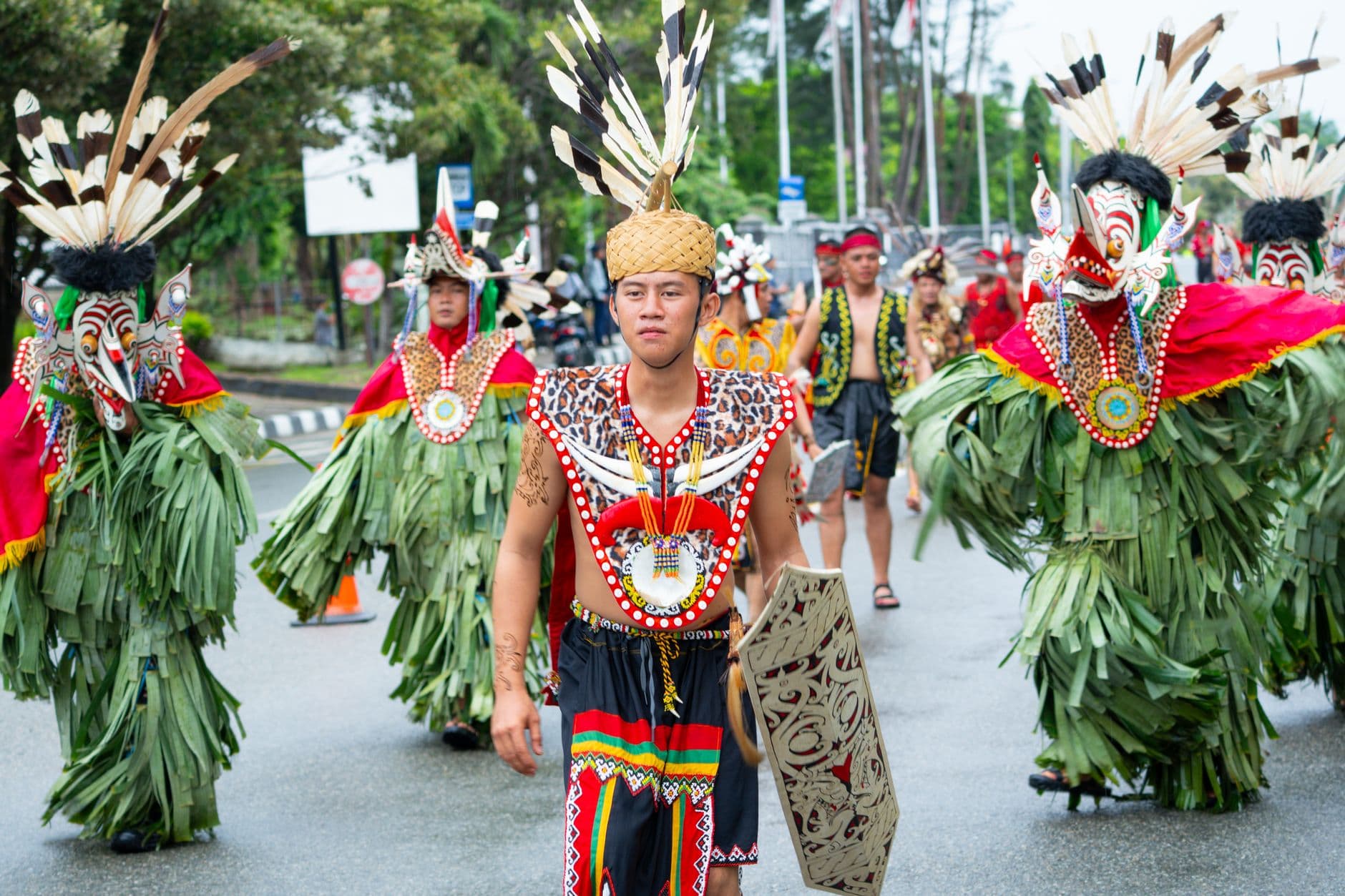
Prabowo Subianto, the Indonesian Minister of Defense, is preparing special requirements to recruit members from the Dayak tribe to become part of the Indonesian National Armed Forces (TNI). This step is being taken amid broader discussions about ongoing forest fires in Kalimantan.
Prabowo invited the TNI Commander, the Army Chief of Staff, and other senior officials to Hambalang to discuss this issue, demonstrating the government's serious attention to the important role of the Dayak community in protecting their forests and land.
Event Details
The meeting held in Hambalang has become a focal point as it highlights two major issues: forest fires in Kalimantan and the integration of the Dayak community into the TNI. Prabowo stated that the Dayak community possesses invaluable local knowledge in forest conservation. Therefore, they can significantly contribute to TNI missions related to the environment.
Prabowo also discussed the importance of educating local residents about the dangers of forest and land burning practices. The meeting also discussed strategies to raise public awareness about the adverse impacts of forest fires that often occur during the dry season.
The special requirements prepared by Prabowo aim to facilitate the integration of the Dayak community into the military structure, with the hope of strengthening cooperation between the TNI and local communities in preserving the environment.
Figures, Dates, and Key Players
The meeting in Hambalang involved several key figures, including the TNI Commander and the Minister of Education and Culture. This discussion is considered urgent given the recent forest fires. Although there is no definite date for when this policy will be implemented, the step has received serious attention from the central government.
The involvement of the President in instructing the construction of infrastructure and schools for the Dayak community also demonstrates the government's commitment to supporting the sustainability of this community. This instruction aligns with Prabowo's efforts to integrate the Dayak community into the national defense structure.
TNI Commander Jilah also fully supports this initiative, emphasizing the importance of the role of indigenous communities in preserving and maintaining the environment they have inhabited for centuries.
Background of the Situation
The issue of forest fires in Indonesia, especially in Kalimantan, has become a recurring issue every year. This phenomenon is often caused by land clearing practices through burning, which, although economically effective, causes significant environmental impacts.
Kalimantan, as one of the largest islands in Indonesia, is a major concern due to the vast forest areas that are often targeted for burning. The Dayak community, as the indigenous people of Kalimantan, has a close relationship with their land and forests, making them important partners in environmental conservation efforts.
Previously, various policies have been attempted to address forest fires, but geographical and social challenges often make implementation ineffective. Therefore, the integration of indigenous communities into the TNI is seen as an innovative step to address this issue.
Read also: Pejompongan Tragedy: Mirror Seller Bambang's Death Sparks Protests and Questions
Impact and Affected Parties
The integration of the Dayak community into the TNI is projected to have a significant impact, both for the Dayak community itself and for environmental sustainability in Kalimantan.
The Dayak community will have the opportunity to contribute directly to preserving their environment, while the TNI will benefit from the local knowledge possessed by indigenous communities. Economically, this step can also have a positive impact on the Dayak community by opening up new job opportunities and boosting the local economy.
Additionally, the infrastructure and education development instructed by the President is expected to improve the quality of life for the Dayak community. However, this step also poses challenges, especially in terms of cultural adaptation and social acceptance. This integration must be carried out sensitively to the cultural values and traditions of the Dayak community to ensure long-term success.
Reactions, Official Statements, and Analysis
Reactions to Prabowo's plan are varied. Some parties see it as a positive step to involve indigenous communities in national policy. Cabinet Secretary Teddy stated that this step also supports the President's instruction to strengthen the Dayak community through infrastructure and education development.
However, there are also those who are skeptical about the success of this policy, given the challenges of integrating indigenous values into the formal military structure. Commander Jilah stated that good communication and education are key to bridging these differences.
Analysts suggest that the government should create inclusive and culturally sensitive policies, ensuring that the main objectives of this integration—namely environmental conservation and defense strengthening—can be achieved without sacrificing local values.
What's Next and Open Questions
The next step after this meeting is to formulate further policies that regulate the special requirements for the Dayak community to join the TNI. Further discussions are needed to ensure that this policy can be implemented effectively and sensitively to the socio-cultural context.
Open questions include how the government will address potential resistance from the Dayak community and how to ensure that this initiative will provide long-term benefits for environmental conservation in Kalimantan.
With increasing attention to this issue, it is hoped that concrete steps can soon be taken to leverage the knowledge of indigenous communities in environmental conservation efforts and national defense strengthening. Prabowo and the central government are expected to formulate policies that are not only effective but also fair and inclusive.
Frequently Asked Questions
Why is Prabowo Subianto recruiting members from the Dayak tribe into the TNI?+
Prabowo Subianto is recruiting members from the Dayak tribe into the TNI to leverage their invaluable local knowledge in forest conservation, which is crucial for addressing the ongoing issue of forest fires in Kalimantan. This integration aims to strengthen cooperation between the TNI and local communities in preserving the environment.
What is the significance of the meeting held in Hambalang?+
The meeting in Hambalang is significant because it highlights two major issues: forest fires in Kalimantan and the integration of the Dayak community into the TNI. It demonstrates the government's serious attention to these issues and discusses strategies to educate local residents about the dangers of forest and land burning practices.
What role does the Dayak community play in environmental conservation?+
The Dayak community plays a crucial role in environmental conservation due to their close relationship with their land and forests. Their local knowledge is invaluable in forest conservation efforts, making them important partners in addressing the recurring issue of forest fires in Kalimantan.
How does the integration of the Dayak community into the TNI impact them?+
The integration of the Dayak community into the TNI is expected to have a positive impact by providing them with new job opportunities and boosting the local economy. It also allows them to contribute directly to preserving their environment, which is vital for their cultural and ecological heritage.
What challenges have previous policies faced in addressing forest fires in Kalimantan?+
Previous policies addressing forest fires in Kalimantan have faced challenges due to geographical and social factors that often make implementation ineffective. The integration of indigenous communities like the Dayak into the TNI is seen as an innovative approach to overcoming these challenges by utilizing their local knowledge and involvement.
Written by
Redaksi RusdiMediaRusdiMedia's editorial team. Our articles are drafted with AI assistance and reviewed by human editors before publication, following our editorial methodology and corrections policy.
See all articles by Redaksi RusdiMedia→
Komentar
Belum ada komentar. Jadilah yang pertama berkomentar!