As ARC Raiders gears up for its Frozen Trail expansion, the team intensifies efforts against cheating, implementing new detection systems and sanctions.
As ARC Raiders approaches the October 8 launch of its Frozen Trail expansion, the development team is amplifying its fight against cheating within the game. This ongoing battle is critical not only for preserving the integrity of gameplay but also for sustaining player engagement in a competitive environment.
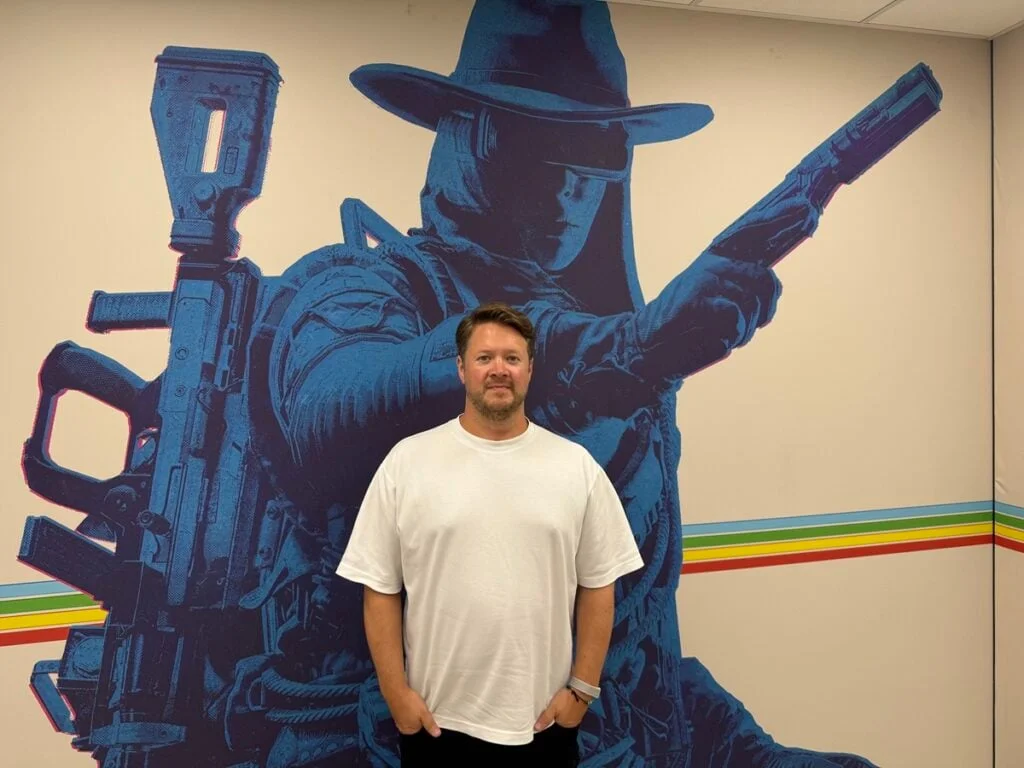
Cheating represents a serious challenge across the gaming industry, with estimates suggesting it has become a multi-billion-dollar business. Game developers, including those at larger studios, often struggle to keep pace with cheat creators who adapt their methods as quickly as anti-cheat technologies improve. Aleksander Grøndal, executive producer at Embark Studios, acknowledged this reality in a recent public address, expressing the team’s commitment to combating cheating head-on.
Grøndal pointed out that “cheating undermines what makes ARC Raiders challenging and fun,” and he emphasized that Embark takes the issue seriously. The studio is investing substantial resources into its anti-cheat initiatives, recognizing that an effective solution is vital for community trust. He noted the genuine frustration within the player community regarding unfair play and reiterated the studio’s determination to tackle these issues diligently.
Strengthening Detection Mechanisms
The methods used by Embark to detect cheat software are evolving quickly, with systems getting stronger on a monthly basis. Currently, the studio employs a mix of kernel-level protection from Denuvo, detection algorithms from Anybrain, and an array of in-house models that utilize machine learning. These combined efforts allow for a sophisticated approach to identifying suspicious behavior.
“Our detection systems continuously adapt to the emergence of new cheats,” Grøndal said. “While we’re enhancing our machine-learning capabilities, we also ensure a human element remains in the process to guarantee fair treatment during sanctions.” This balance between automated detection and human oversight is crucial for maintaining community standards.
Grøndal also mentioned the aim to incorporate even more advanced anti-cheat tools, such as Elytra, which is currently undergoing testing in another game, The Finals. Early findings suggest it could be a promising addition to the anti-cheat arsenal for ARC Raiders.
Proactive Sanctions
When sufficient evidence arises indicating a player is cheating, Embark takes decisive action. The studio has identified and banned accounts using known cheat software and engaged in economy exploits. With feedback from players, the team has revised its policy on permanent bans. Where previously, first-time cheaters might have been spared, the new direction now sees an immediate ban for confirmed infractions without warnings.
Grøndal stated, “Any account caught using cheats is permanently banned—no second chances.” This stern stance is complemented by measures to prevent offenders from simply creating new accounts to re-enter the game.
The team has also implemented license restrictions, meaning that if a specific copy of the game is associated with cheating, it becomes unusable on other accounts, making it even harder for repeat offenders to return unnoticed.
Implementing Hardware Bans
Another significant step they are taking involves hardware bans. When the evidence points to a specific machine being used for cheating, the game can be blocked from running on that system entirely. Grøndal elaborated, “We’ve recently lowered the threshold for these bans, making it easier to apply them effectively.”
While hardware bans can be effective, Grøndal cautioned that they are not foolproof due to the cheating community's resilience. The Embark team is actively working to improve detection methods and ensure these bans are as reliable as possible.
The Delay in Ban Enforcement
Grøndal acknowledged the community’s frustration when visible cheats don’t lead to immediate bans. Anti-cheat protocols require rigorous analysis of player behavior, which means that action can’t happen based solely on a single suspicious event. “We need substantial evidence to confirm that fair play is compromised before issuing a permanent ban,” he said.
The moderation team also actively reviews player-generated content on platforms like YouTube, taking action based on clear evidence of cheating, further reinforcing their commitment to a fair playing environment.
Addressing Other Forms of Unfair Play
Beyond traditional cheating methods, Embark is tackling queue teaming—a practice where players intentionally group to attack solo Raiders unfairly. Grøndal mentioned that recent efforts to enhance detection in this area have already yielded positive results, with an 85% decrease in problematic teaming behavior observed shortly after implementing new matchmaking adjustments.
While cooperating with teammates found during a raid is still acceptable, coordinating with others before entering the lobby to gain an unfair edge is not. Grøndal reassured players that the studio is continually seeking ways to combat all forms of matchmaking abuse.
The Continuous Battle Against Cheating
Cheating will always remain a part of the gaming ecosystem, as acknowledged by Grøndal. Nonetheless, the goal remains to make it as burdensome and temporary as possible for those who engage in such activities. “We’re dedicated to enhancing our detection capabilities, responding more promptly to infractions, and continually improving the experience for players who value fair play,” he remarked.
Grøndal concluded by expressing optimism about the progress being made and the commitment to keeping the community updated on developments. As players prepare for the Frozen Trail expansion, they can also feel assured that efforts to combat cheating are intensifying, reinforcing the integrity of the game environment.
Discussion
Sign in to join the discussion.