Empowering Women in Tech: BOSS Mode Highlights Female Leaders in Gaming
Published Sep 30, 2026Reads 460By Rachel Kaser
BOSS Mode shines a light on women transforming tech and gaming, showcasing their vital role in shaping industry narratives and driving philanthropy.
BOSS Mode: Women Shaping the Future of Tech and Gaming
The launch of BOSS Mode: Women Driving the Future, spearheaded by Rachel Kaser at GamesBeat, is significant in a tech ecosystem where women often go unrecognized. This series aims to recalibrate the narrative, putting a spotlight on female leaders who are driving transformative change across gaming, entertainment, and technology. It goes beyond mere acknowledgment; it offers essential business insights to empower decision-makers in these industries.
Women are not just participating in these fields; they are redefining them. As the lines between sectors continue to blur, gaming emerges as a powerful connector across tech, healthcare, and retail. This initiative underscores how women are pivotal in this evolution, impacting not just gaming but the interconnected world it influences.
Fundraising Through Gaming: A Long-Standing Tradition
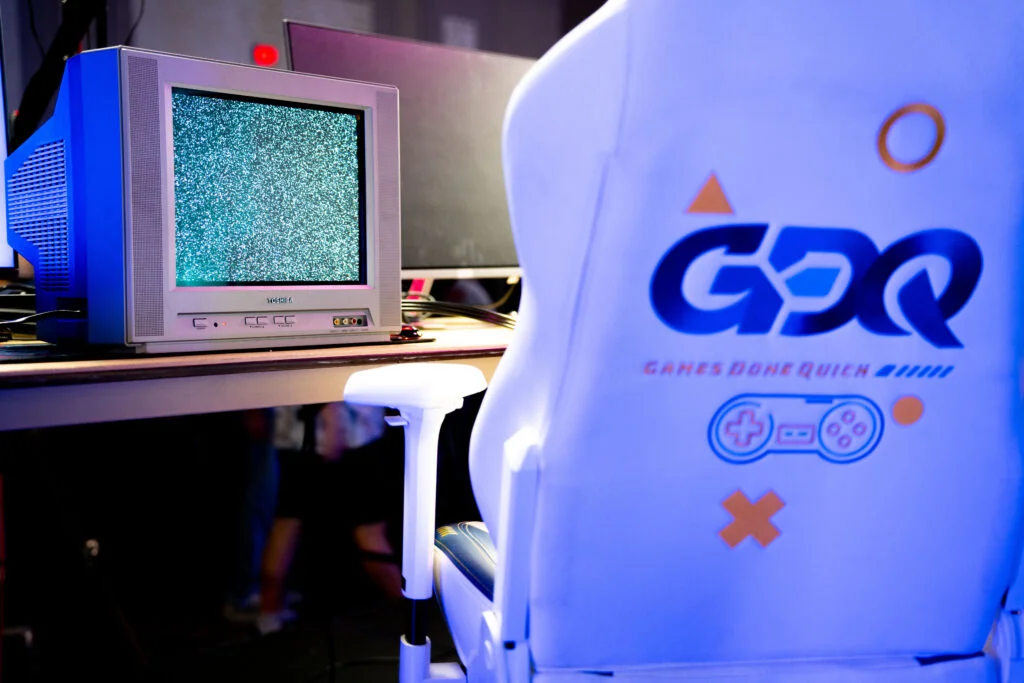
The relationship between gaming and philanthropy has deep roots, evolving from grassroots efforts like LAN parties and charity gaming events to massive livestream marathons. Among the most recognized names in this arena is Games Done Quick (GDQ), known for its charity gaming marathons that attract dedicated speedrunners and generous donors.
Since its inception in 2010, GDQ has raised an impressive $62 million for various charitable causes, highlighting the gaming community's potential to effect real change. Their events, Awesome Games Done Quick (AGDQ) and Summer Games Done Quick (SGDQ), are not merely showcases of skill but also crucial fundraising platforms that rely on community interaction and donations, incentivized by various perks for viewers.
This year marked a notable appearance for GDQ at Gamescom, where business director Ashley Farkas took to the stage during the Opening Night Live event. Her insights into GDQ's first European event drew attention and resonated with the principles of BOSS Mode—exemplifying how women are stepping into influential roles within this vibrant ecosystem.
Insights from Ashley Farkas: Bridging Business and Philanthropy
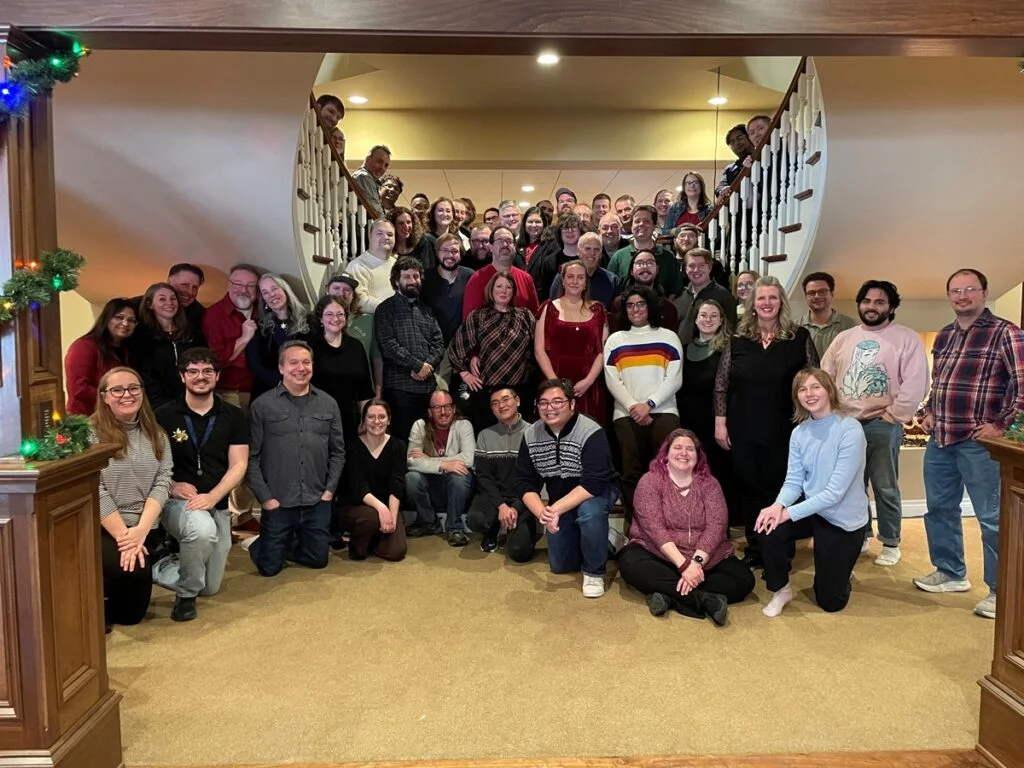
Here's the thing: Farkas's perspective adds invaluable depth to the discussion of gaming's role in philanthropic work. In her words, her daily routine largely revolves around connecting with sponsors, charity partners, and internal staff. The experiences she brings from a background in business analysis and project management inform her approach, emphasizing support, transparency, and a culture of accessibility within GDQ.
Her journey into the gaming sector wasn't one of convenience; rather, it came from a passion for charitable gaming. Transitioning from a secure government contracting job to a lower-paying role in the nonprofit sector illustrates her commitment to purpose over profit. This leap—cleaning out storages filled with gaming consoles—was her "Boss Move," leading her to a position where she could directly influence how gaming can serve societal needs.
Farkas’s work has led to a shift in how GDQ collaborates with charitable organizations. For example, their recent events have integrated charity messaging more authentically, avoiding the typical guilt-driven calls for donations. Instead, they focus on the tangible impact donors can have, sharing stories that resonate deeply with the community. This is more than just effective marketing; it's about fostering a genuine connection between gamers and the causes they support.
Measuring Success: More Than Just Dollars
When discussing success metrics, Farkas is refreshingly candid. GDQ operates as a for-profit entity while prioritizing charitable fundraising. Even as Twitch viewership has dipped, she notes that their fundraising efforts remained nearly equivalent to previous years, emphasizing quality over quantity. This approach showcases a deep commitment to their mission of giving back and reinforcing the community's role in these philanthropic endeavors.
What sets GDQ apart is its understanding that success isn't measured solely by how much money is raised but also by how well the community engages with, and understands, these charitable efforts. Creating memorable experiences is just as significant. Farkas's focus on relationships with charities, such as Médecins Sans Frontières (MSF), illustrates a holistic approach to partnerships that extend beyond the event itself.
Although challenges abound, Farkas remains optimistic. The intersection of community and philanthropy can yield incredible results, especially when individuals rally around causes they care deeply about. By leveraging the intrinsic sense of community that gaming fosters, GDQ positions itself not just as a charitable organization, but as a vehicle for change, one run at a time.
This proves that there's more at stake here than gaming; it’s about harnessing a collective voice for good, positioning both female leaders and the broader gaming community as vital players in the philanthropic space.
Discussion
Sign in to join the discussion.