Inspired by Julián Cordero’s childhood in Quito, Despelote earned critical acclaim and global resonance, but has yet to recoup its publisher’s investment.
Critical acclaim has given Despelote a wide audience and Julián Cordero a place in BAFTA’s Breakthrough U.S. program. It hasn’t yet earned back its publisher’s investment. That gap says something about the limits of awards and strong reviews: they can establish a game’s reputation without making it a commercial hit.
Cordero spent seven years making Despelote, a game built from memories of growing up in Quito, Ecuador. Its starting point was personal. After moving to the United States 11 years ago to study and eventually settle in New York, he noticed that soccer had receded from his daily life. In Ecuador, where he played and watched it as a child, the sport was a cultural force. Distance made him wonder what it had meant to him.
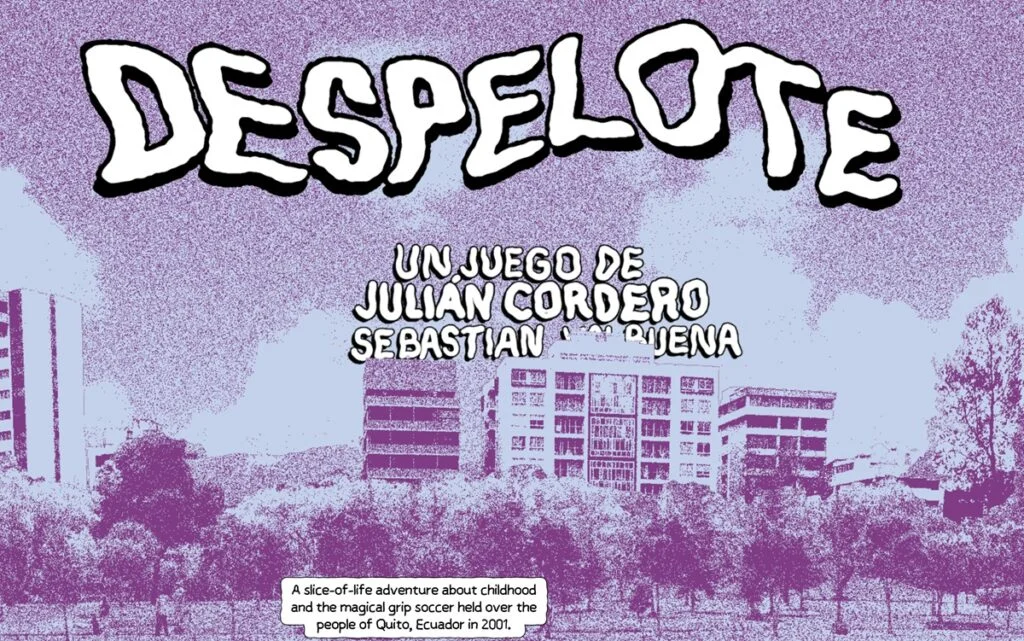
“Despelote was a way of answering that question,” Cordero said. The game looks back at Quito during Ecuador’s drive to qualify for the 2002 FIFA World Cup, a milestone that reshaped the country’s sense of itself.
Specific to Quito, familiar elsewhere
The game’s reach beyond Ecuador surprised Cordero. He and his collaborators made it deliberately local, drawing on Quito’s neighborhoods, language, culture, and everyday life. Players from places he had never visited told him it brought back their own childhoods. Some connected through soccer; others, including players in the United States, remembered different sports that had shaped their communities.
“There’s a universality in the specifics,” Cordero said. He sees a similar quality in books and films: a story doesn’t have to mirror your own life to give you a way into someone else’s. Despelote also became an informal introduction to Ecuadorian culture, shaped by Cordero’s longing for home. “It’s a game that has a lot of longing for Ecuador.”
That feeling runs through the production. The team recorded audio and environmental sounds in Ecuador, and friends, relatives, and other community members contributed voices. Cordero’s parents, both filmmakers, appear in the game as the protagonist’s parents. After release, the team held screenings in Ecuador that felt more like film premieres than conventional game events.
The core team was small: Cordero handled design and programming; Sebastián Valbuena made the art and music; Ian Berman led sound design; and Gabe Cuzzillo produced. Cordero joked that Cuzzillo also provided therapy. Valbuena’s evocative visual approach helped the team depict real places on a modest budget.
From NYU project to published game
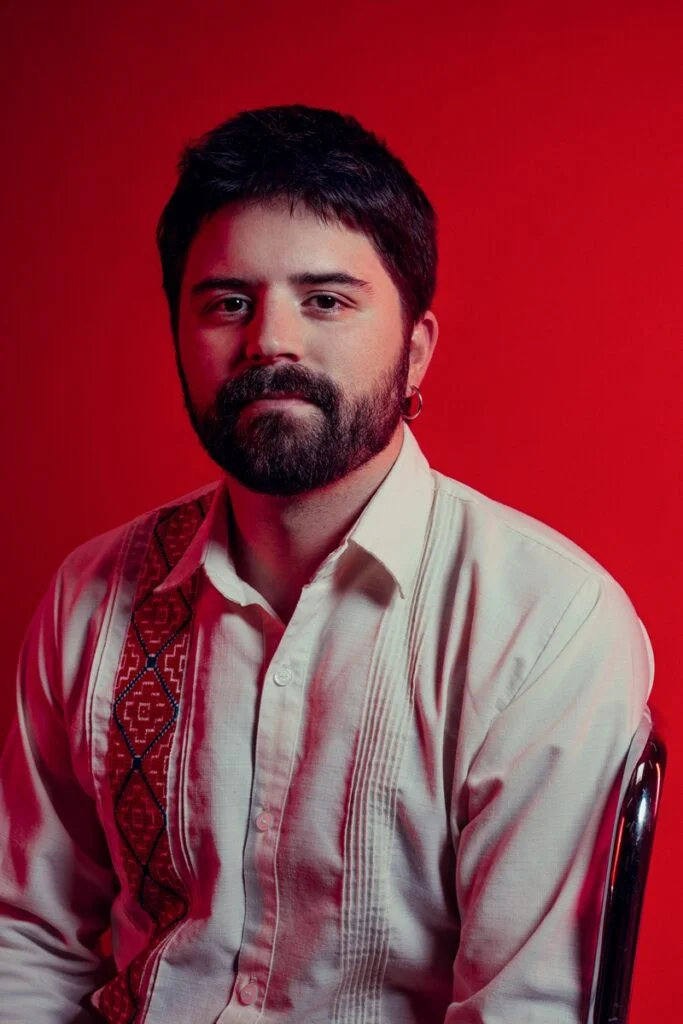
Cordero grew up playing and watching soccer in Quito. He had once imagined becoming a filmmaker, but studying game design at New York University’s Game Center drew him toward a medium that still felt open to experimentation. Film classes, he recalled, often emphasized established screenplay structures; game design seemed to leave more room to invent. The Game Center’s broad approach also gave him the skills to make games with a small team, where everyone had to cover several roles.
He moved to the United States with few connections. New York’s large population of people arriving to build careers helped him meet others, while studying abroad felt like an opportunity he should take. Ecuador has faced repeated economic crises, Cordero said, and he described the country as going through a grave period. He hopes to move back and make games there eventually, though for now New York gives him access to a larger professional network. Ecuador’s game development community is growing, but remains small.
Despelote began as Cordero’s capstone project at NYU, where he graduated in 2019. An incubator program connected the team with Microsoft’s ID@Xbox initiative, which provided early funding. Ecuador’s Ministry of Culture also supported development through a program intended to help build the country’s games industry. The team later signed with the independent publisher Panic, which invested in the game and handled marketing and distribution.
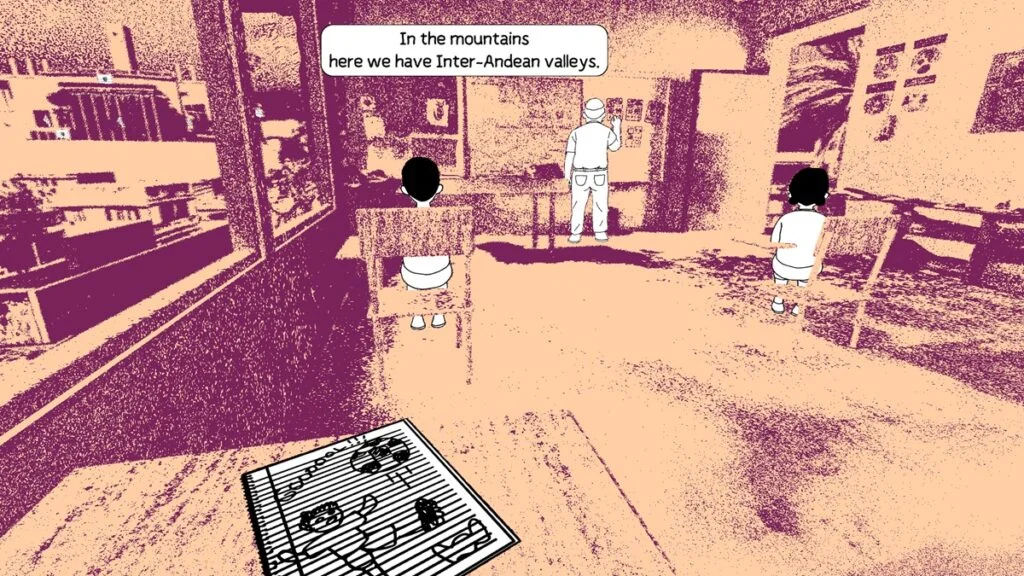
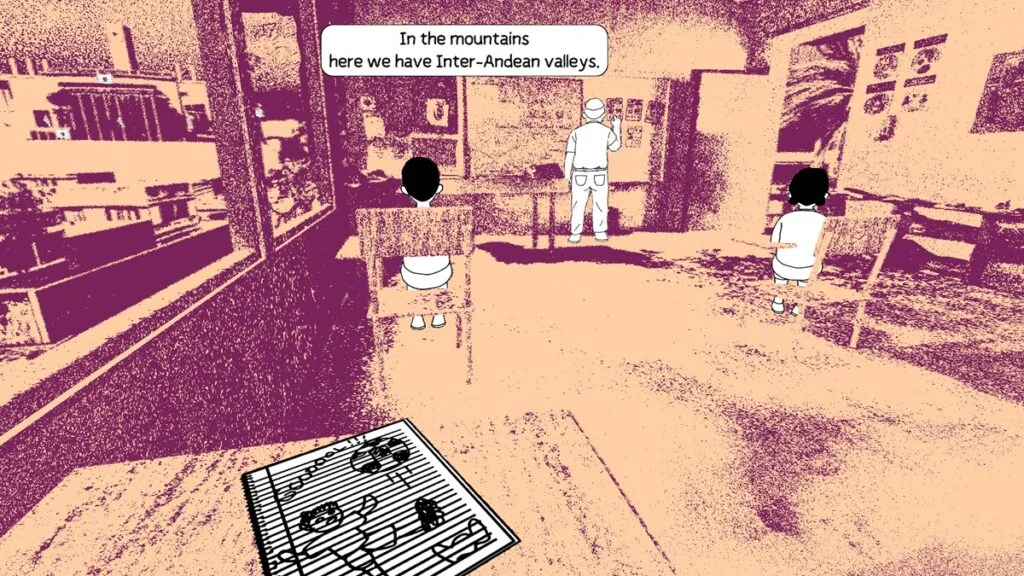
Valbuena’s art style helped the project feel grounded without requiring an elaborate 3D production. Cordero first approached him as a fan of his illustrations and music videos, expecting the collaboration to last a year. It stretched to seven. The hand-drawn characters guide players’ attention, while grainy backgrounds and textured 3D models give the environments a handmade character. Cordero also scanned objects with his phone. Together, those pieces formed a collage of Quito that matched the team’s approach to rebuilding the city in the game.
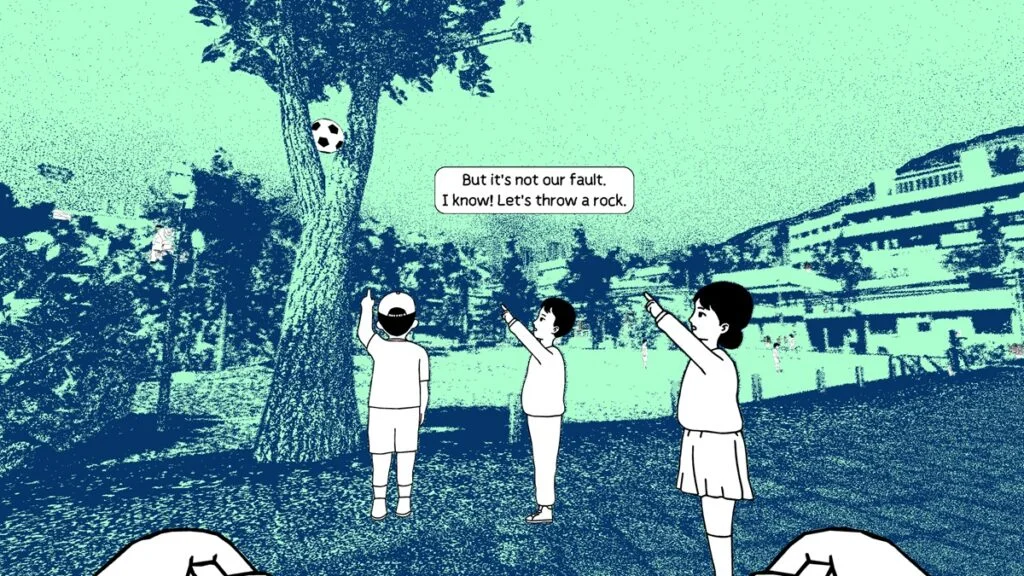
The reviews were strong, and awards followed. But Cordero’s account of sales is measured: the game has not recouped Panic’s investment. He never expected a viral hit and described Despelote as “a very weird game.” He’s pleased with how many people have played it and with the critical response, even as he acknowledges that acclaim hasn’t become commercial success.
Recognition has changed how Cordero thinks about the project. “When there are awards and recognition like this, it helps you realize that the project is out in the world now. It’s not just mine anymore.” The game’s reception has also established him as a developer. At a Game Developers Conference talk last year, he discussed making games set in the real world and using the medium to capture lived places. He said attendees told him the talk and its approach inspired them, and he hopes more developers pursue that kind of work.
After finishing the game, Cordero found himself more exhausted than he had expected. The seven-year process left him needing a break before he could work on new ideas. More than a year after release, he has returned to prototyping and taught a semester at NYU, but he hasn’t settled on his next game.
For a project about memory, place, and time, Cordero’s description of its new life feels apt: the game has left its creators’ hands and become part of other people’s memories, too.
The seven years behind *Despelote* didn’t push Julián Cordero toward a bigger studio. If anything, they clarified the kind of work he wants to make: small, personal games where a few people can shape every part of the experience. ## A story that took years to assemble The game’s modest team could move quickly by sharing skills. Sebastian had worked in 2D, then learned enough 3D modeling to build and polish assets for the game. He wasn’t a specialist, Cordero says, but the two could produce a lot together. Finding the game’s narrative structure took far longer. By the second or third year, its visual style and setting were in place; from the outside, it looked like a game. Making it feel like a finished, sellable experience—with a beginning and an ending—was a different problem. Producer Gabe helped Cordero work through it in weekly conversations. Early on, Cordero recorded interviews with people about their connection to soccer in Ecuador. Those accounts mattered to him, but placing them at the start of the game didn’t make for compelling play. The team kept the material and searched for other ways to use it. Years of work followed, with the final challenge being to fit the pieces into a coherent whole. That long search helps explain Cordero’s preference for small teams. He’s wary of managing a larger group and values the freedom to touch every part of a project. Better tools have made that approach more practical, and he isn’t drawn to the scale of blockbuster games. He wants to keep making small narrative experiences. ## A World Cup memory comes full circle *Despelote* centers on Ecuador’s first World Cup qualification, for the 2002 tournament. Cordero describes that moment as a turning point: investment in Ecuadorian soccer grew, the national team improved, and the country qualified again in 2006, 2014, 2022 and 2026. He says Ecuador has now reached five World Cups. For Cordero, the tournament also means a small country suddenly appearing before a global audience. His parents didn’t grow up watching Ecuador at the World Cup; for him, it was among his earliest memories. That experience, he says, shaped his generation. Years later, he watched Ecuador play in New York and saw the team beat Germany in what he calls a historic match. Ecuador was eventually eliminated, but being there felt like a personal circle closing. New York’s large Ecuadorian community made the stadium feel like home. Cordero estimated that 50,000 or 60,000 Ecuadorians were in attendance, though he said he didn’t know the precise figures behind claims about the city’s Ecuadorian population.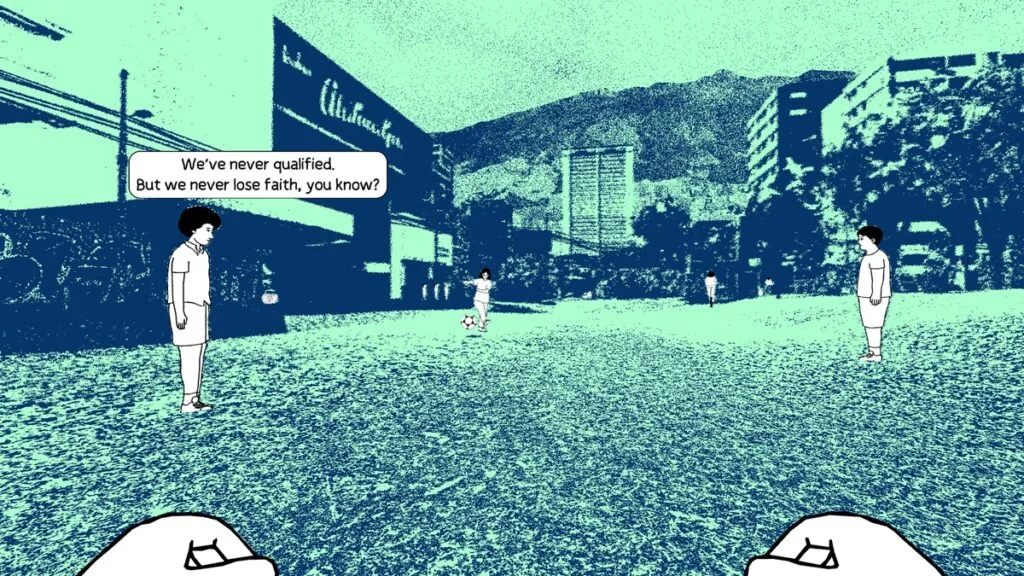



Discussion
Sign in to join the discussion.