Samsung's Galaxy Z Fold 8 drove 13% growth and 69% of Q3 2026 foldable shipments as the category shrank. Wide foldables could define 2027 if pricing cooperates.
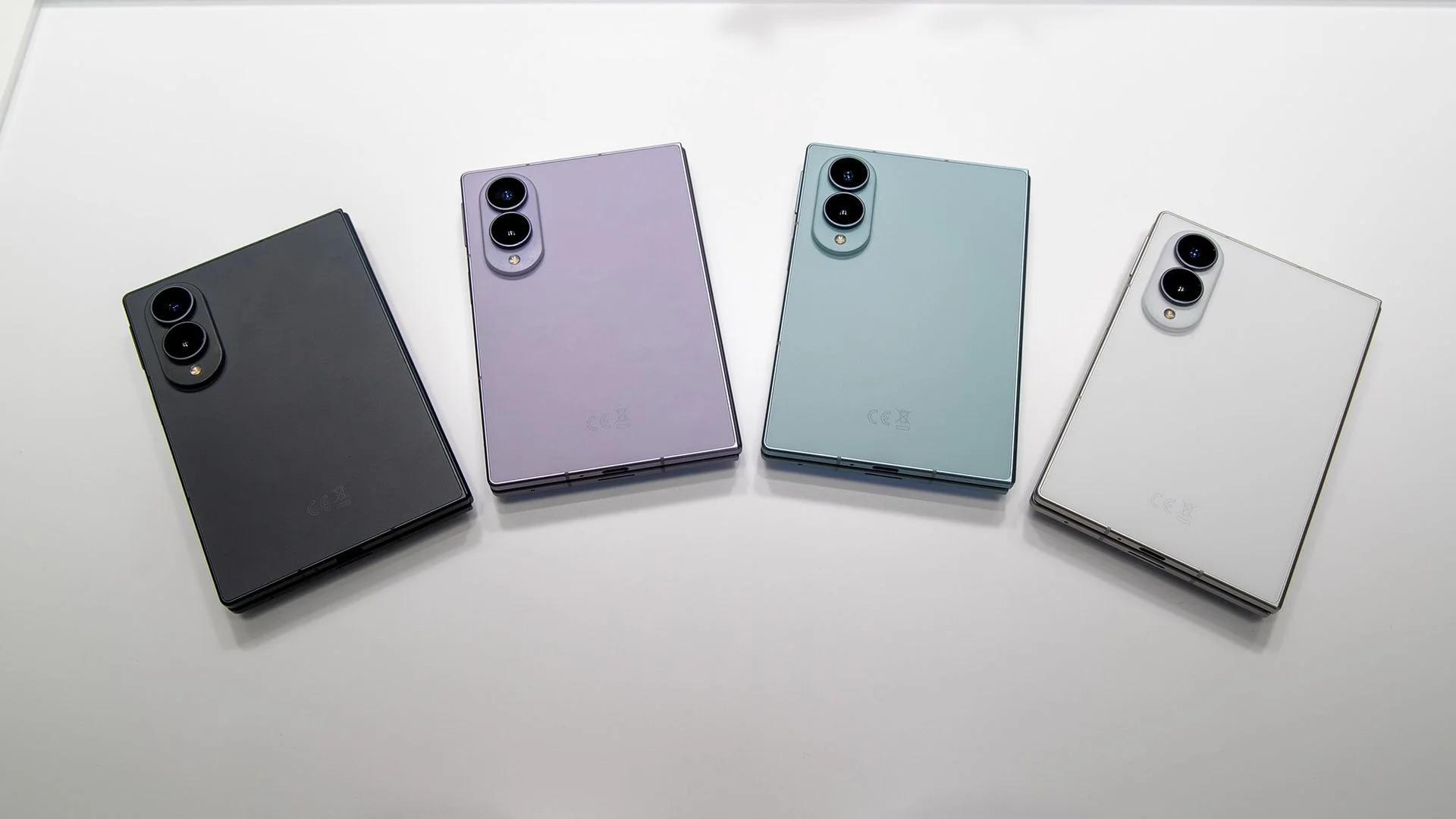
The foldable category shrank in Q3 2026, and Samsung still took most of what was left. Smart Analytics Global (SAG) reports that worldwide foldable shipments fell 2% year over year to just over 7.5 million units. Samsung grew 13% in the same quarter, powered by the Galaxy Z Fold 8, and ended up with 69% of the market. A shrinking pie, and one company's slice got bigger.
That's unusual enough to take seriously. When demand softens, buyers tend to stick with brands they already trust, and that instinct clearly worked for Samsung. A 69% share, though, is the kind of number that makes rivals ask hard questions about how much room they have left in the category.
Samsung has been here before, and it bounced back
Samsung wasn't always on top. In Q1 2024, Huawei overtook Samsung to become the world's largest foldable shipper. That was a turning point for Samsung, which many believed had grown complacent with its Galaxy Z Flip and Fold lineup. Dominant hardware companies often coast on brand loyalty until a rival with a sharper product shows up, and that's exactly the kind of moment Samsung faced.
That quarter, Samsung's shipments fell 42% year over year while Huawei's jumped 257%. Percentage swings like those look dramatic, but they're partly a function of a small, lumpy category. A modest change in units can produce a headline-sized percentage, so don't read too much into any single quarter. Still, the direction of travel matters, and Samsung's recovery is the more instructive story.
The Fold 8 changes that picture, though Huawei's Pura X View didn't match the Samsung device's performance. That's a useful reminder that being first to a form factor isn't the same as winning it. And SAG expects a rebound. It forecasts a new growth cycle in 2027, with shipments potentially rising 55% year over year and wide foldables possibly making up most phone shipments. Samsung, Apple's iPhone Duo, and Chinese makers would drive that shift. Here's the thing, though: a forecast only matters if people actually buy the phones.
The broader phone market is the headwind. Global smartphone shipments dropped 20% year over year in Q3, the lowest level in 14 years. That matters for foldables because they're a premium slice of an already weak market. Samsung still claimed the top spot, and the Galaxy Z Fold 8 and Fold 8 Ultra did most of the work.
The form factor is the real story
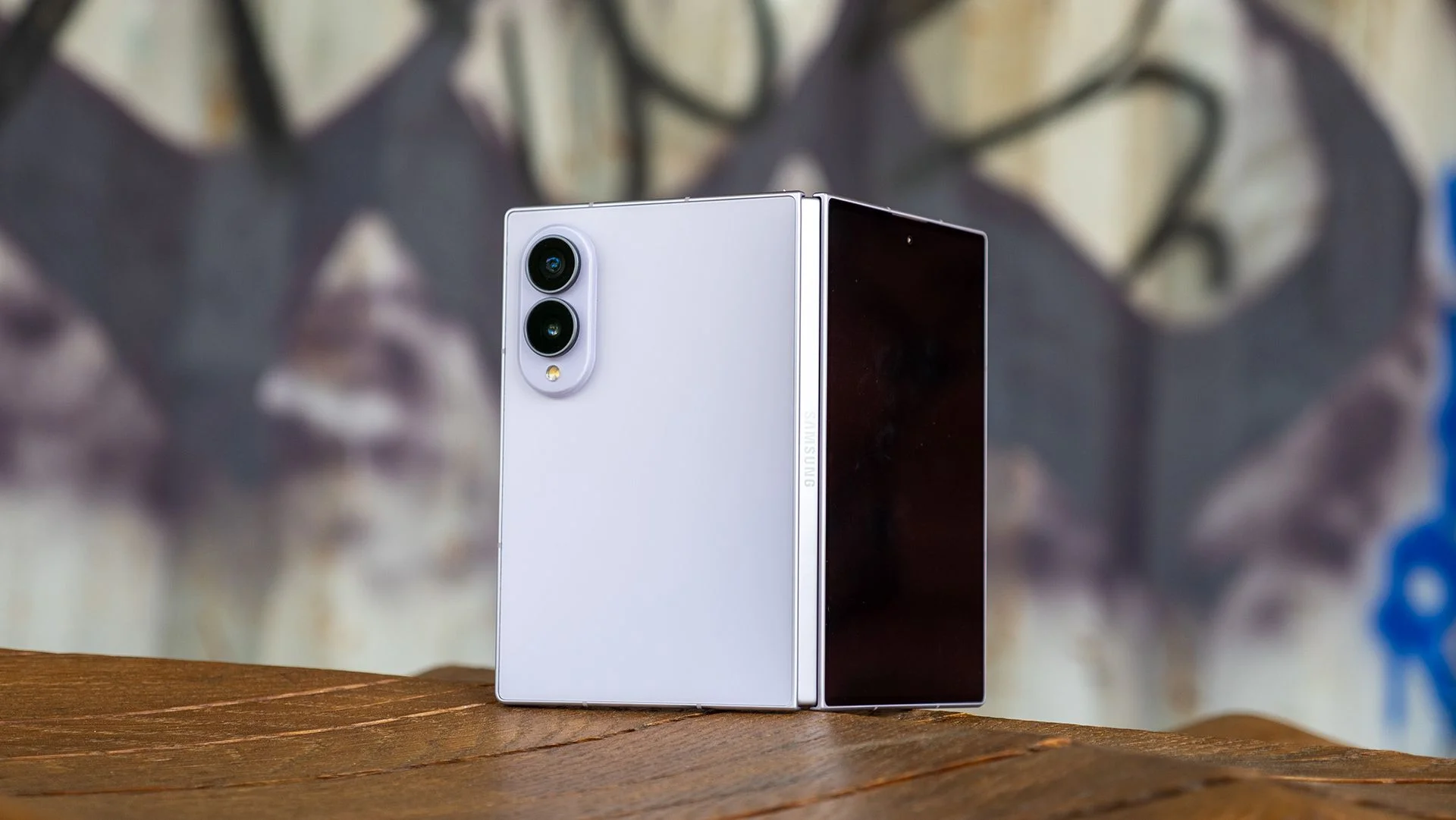
The Fold 8 is Samsung's first wide foldable, a shorter, wider design that several Chinese OEMs have already adopted. Traditional foldables fold more like a book, tall and narrow. Wide designs change the proportions, so the inner screen reads more like a small tablet. That shape changes how the phone feels in a pocket and how it handles video and multitasking.
Samsung also posted double-digit shipment growth in South Korea and Europe. Those are two markets where it already has strong distribution, so the growth suggests the new design is resonating with existing buyers rather than only pulling in new ones. That's the part to watch, because loyal customers upgrading is a different signal than a company winning over skeptics.
Huawei holds 14% of the category, and its Pura X View, which arrived as the industry's first wide foldable, was a significant contributor despite a small year-over-year dip in shipments. Being first with a new shape carries real weight in product reviews and early press. Yet the sales numbers suggest first-mover status didn't translate into category leadership.
Pricing will decide the recovery
That's where I'm skeptical. Some analysts see a turnaround coming, and others expect a tougher 2027. My read is that pricing settles the argument. Motorola's Signature 27 costs $1,599, and it's a standard slab phone, not a foldable. Most other foldables sit around $2,000.
The gap is the problem. If you're shopping in this range, the math shows up before the spec sheet does. A foldable at roughly $2,000 asks you to pay a premium for a new shape, a hinge, and a screen that needs more care. (And this is the part most people overlook: the premium is paid up front, while the benefit depends on how often you actually use the bigger screen.)
Watch whether wide foldables can hit a price point that makes an upgrade feel easy. Until prices come down or incomes rise, the form factor alone won't pull the market back. Samsung's growth shows the product works for loyal buyers, but that's a smaller group than the forecast seems to assume.
What this means for the next two years
The 2027 forecast is the number everyone will quote, and it deserves some caution. A 55% jump is a big claim for a category that just shrank, and it depends on several things going right at once. Wide foldables need to win buyers outside Samsung's base, rivals need to ship competitive devices, and the broader phone market needs to stop falling.
If you're working in this space, the useful question isn't whether wide foldables are the future. It's whether they can get cheap enough, and good enough, to become the default upgrade rather than a premium curiosity. That's a product and pricing question, not a trend question.
Samsung is in a strong position heading into that stretch, and that's not a small thing. But a 69% share in a shrinking market is a snapshot, not a guarantee. Keep an eye on the price points, the rival launches, and whether the wide form factor holds its appeal once the novelty fades.



Discussion
Sign in to join the discussion.