GTA VI could drive billions in sales, lift gaming hardware demand and command attention across streaming, social media and mainstream culture.

Grand Theft Auto VI is poised to test how much attention a single game can command—and how far that attention can move the business around it. Analysts expect billions of dollars in sales soon after launch, while the game’s reach across streaming, social media and mainstream entertainment could make its arrival a rare mass culture event.
Sales expectations reach into the billions
GTA VI is scheduled to launch on November 19, 2026. Sensor Tower estimates digital preorders at 14.94 million, representing $1.45 billion in revenue; that figure excludes physical copies. Wedbush forecasts 32.3 million copies sold in the launch quarter, which ends December 31, 2026, and estimates $3.5 billion in net bookings. Bank of America has estimated roughly 33 million sales, including 16 million Ultimate Edition copies priced at $100, compared with $80 for the standard edition.
Forecasts for first-year sales range above 45 million copies, though estimates vary. Take-Two Interactive reported $6.72 billion in net bookings for the fiscal year ended March 31, 2026, and expects $8 billion to $8.2 billion for the year ending March 31, 2027. That increase of at least $1.28 billion offers a conservative indication of GTA VI’s potential contribution by the end of that fiscal year. The company’s guidance covers console sales; it doesn’t include a later PC release or GTA Online.

The reported development period spans 13 years, and estimates for development and marketing costs range from $1 billion to $2 billion. Rockstar Games has disputed a claim that the total exceeded $1.5 billion. Those figures underline the scale of the bet, but the longer view may matter more: Grand Theft Auto V has sold more than 230 million copies over 13 years, and the franchise has reached about 470 million sales.
A boost that could extend beyond the game
The launch could lift hardware and accessory sales as players prepare to run the game on PlayStation 5 and Xbox Series X/S. A later PC version could bring a further boost to PC gaming hardware. Headsets, controllers, storage upgrades and gaming monitors may also benefit as players upgrade their setups.
The timing could amplify the effect across the wider market. Circana projects U.S. video game sales will rise about 3% to $62.8 billion in 2026, topping the previous record of $61.7 billion set in 2021. Newzoo expects the global games market to reach $213.9 billion in 2026, up 6.1% from $201.6 billion. Those forecasts describe the whole market, but GTA VI’s launch gives the industry a major focal point for consumer spending.
Its commercial reach is likely to outlast the launch window. GTA V’s long sales run shows how a major release can keep attracting players over years, while GTA Online adds another source of activity. PC and online releases could extend GTA VI’s audience after the console debut, giving the game more time to shape sales and player attention.
Attention may be the bigger cultural measure
Gaming has grown well beyond its old image as a niche hobby. Two-thirds of Americans play games, according to the figures cited in industry estimates, and play has spread across age groups and regions. Eighty percent of young people play, while a sizable share of people over 65 do as well. For a release with years of pent-up anticipation, that broad audience creates room for GTA VI to reach people who don’t consider themselves core players.
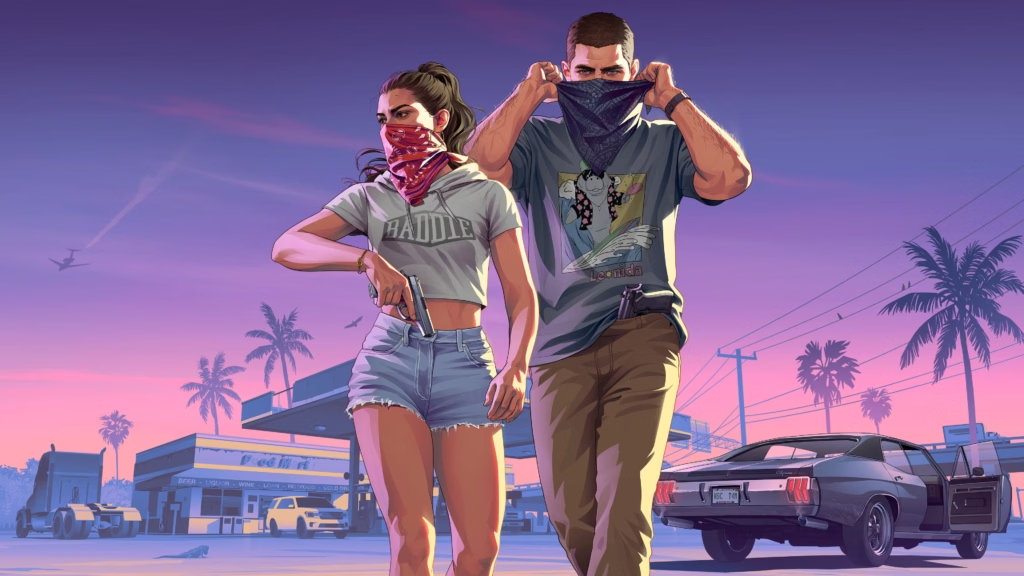
Early signs point to extraordinary interest. Netflix said the game’s 30-minute debut trailer drew 31.1 million views during its first four days on the service. GTA V also generated 50.5 million Twitch viewing hours in July 2026, 13 years after release. That kind of staying power gives GTA VI a built-in audience across gaming platforms and social channels, including YouTube, TikTok, Discord, Roblox and Twitch.
Sensor Tower expects rival games to lose about 10% of their social media audience during GTA VI week. The forecast captures a familiar pattern: when attention concentrates around one release, other games can lose visibility even if their players don’t leave. Music from the game could also travel onto streaming services such as Spotify, while coverage spills into traditional media, esports broadcasts and online discussion.
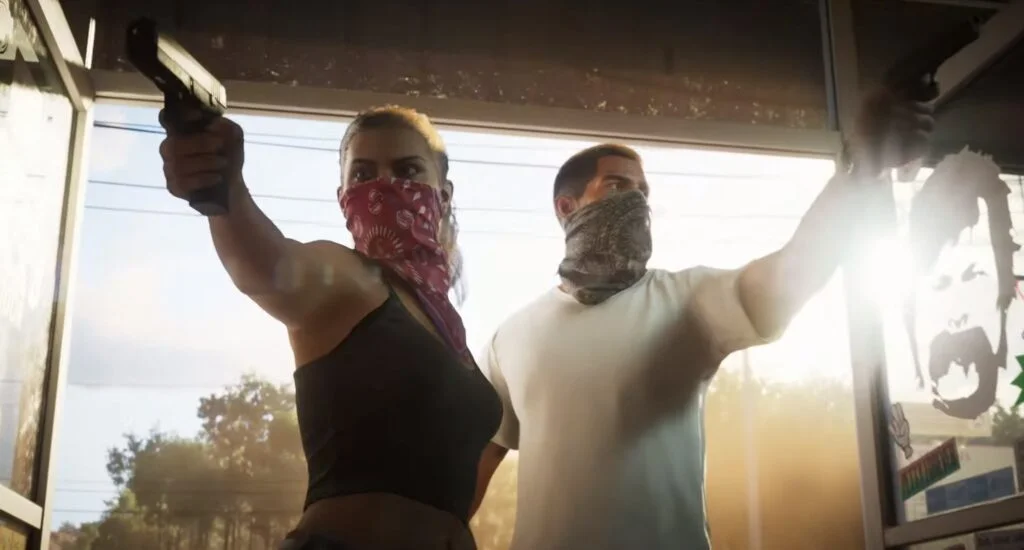
Games have produced cultural moments before: Pokémon in the late 1990s, Halo 2 and its ilovebees.com campaign, World of Warcraft in the 2000s, Minecraft in the 2010s and Fortnite during the battle royale surge. GTA VI has a chance to join that list by putting its characters, visuals and jokes into everyday conversation well beyond gaming communities.
Film adaptations of games have also expanded the medium’s reach. The Super Mario Bros. Movie earned $1.36 billion at the box office in 2023, and A Minecraft Movie exceeded $960 million in 2025. The Super Mario Galaxy Movie crossed $1 billion. No GTA VI movie has been announced, so that path remains speculative; for now, the game’s cultural influence will depend on its launch, its online life and the material players share.
Marketing must turn awareness into anticipation
Take-Two and Rockstar are promoting the game through advertising and public activations in Miami. One example turns a Miami Heat game into a Vice City basketball event during a matchup with the Milwaukee Bucks. The effort might seem unnecessary for a franchise that few players need introduced, but Take-Two CEO Strauss Zelnick argues that familiarity alone doesn’t guarantee excitement.
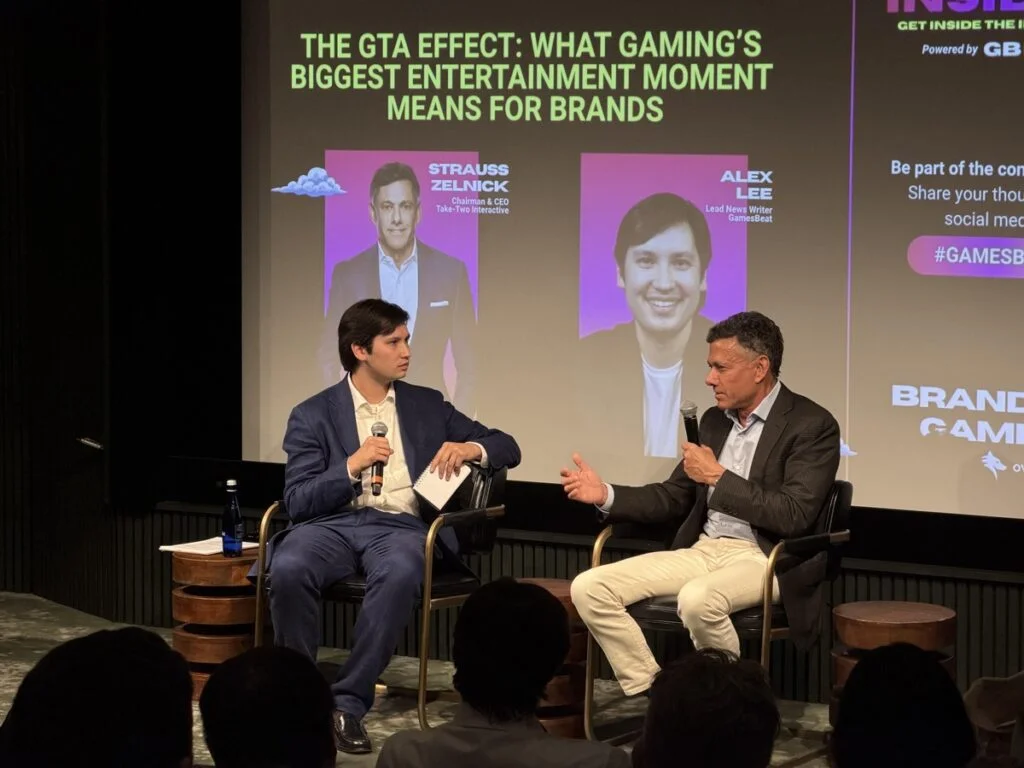
“Who who has not heard of the brand?” Zelnick asked in a conversation with GamesBeat’s Alex Lee. He pointed to the Barbie movie as an example of how a familiar property can still benefit from sustained marketing. The campaign made the film visible everywhere, he said, and helped build enthusiasm around what audiences would experience.
For games, that effort also depends on creators whose audiences trust their recommendations. Zelnick described creator coverage as amplified word of mouth: “You’re amplifying word of mouth because what you can’t do is pay anyone to say something that’s terrible is good.” His point is that paid promotion alone can’t substitute for credibility with fans.
Games also ask more of their audience than a film or television show. Players need to install a game, interact with it and decide whether they enjoy the experience. Marketing therefore has to communicate not only that a game exists, but what playing it might feel like. That distinction helps explain why Rockstar and Take-Two may keep the campaign visible even when brand awareness is already high.
Social platforms are much larger than they were when GTA V launched in 2013. Players can turn glitches, jokes and memorable scenes into clips and memes within minutes, extending the game’s reach through channels the publisher doesn’t control. GTA VI’s commercial performance will be measured in sales and bookings; its broader influence will show up in how long those moments remain in circulation. The launch’s lasting significance may rest on whether it can turn a crowded week of attention into years of play and cultural conversation.

Discussion
Sign in to join the discussion.