Join industry leaders at GamesBeat Next 2026 in San Francisco to explore vital trends shaping the future of gaming and entertainment.
Countdown to GamesBeat Next 2026
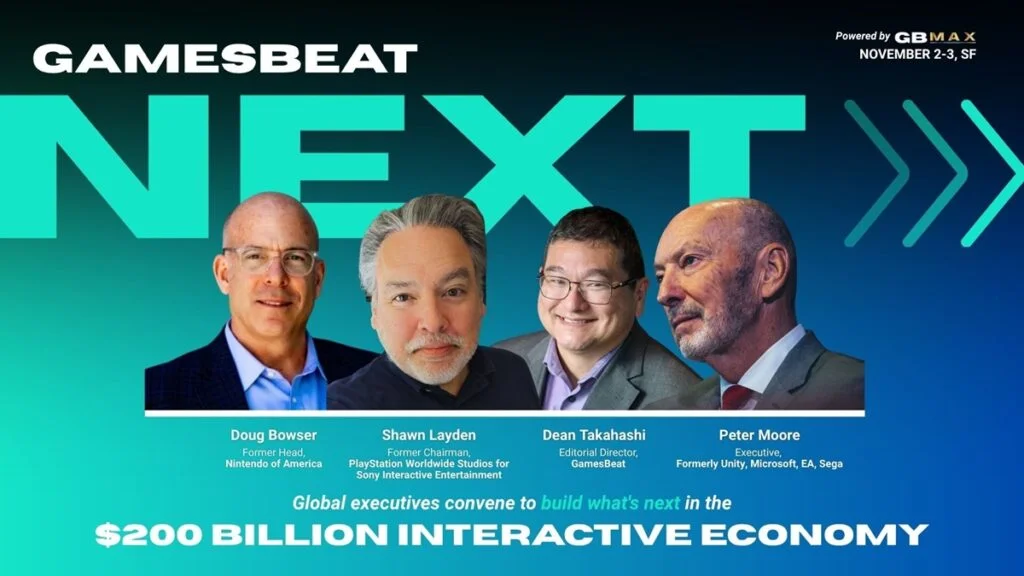
The anticipation is mounting as the GamesBeat Next 2026 event draws near, just one month away. Scheduled for November 2-3 at the Convene event center in San Francisco, this gathering promises a lineup of thought-provoking discussions and networking opportunities crucial for anyone invested in the evolving interactive economy—which currently stands at a staggering $200 billion. The event kicks off on November 2 at 1 p.m. and continues until 5:30 p.m., culminating in a reception. Day two begins bright and early at 8 a.m. with a special breakfast event focused on women in gaming, followed by more engaging sessions lasting into the afternoon. This year, the event organizers are actively seeking sponsors to support key elements of the gathering, creating a chance for businesses to align themselves with the future of gaming and entertainment. Looking at the landscape, it's clear this event is arriving at a pivotal moment. The impending release of Grand Theft Auto VI on November 19 is generating a buzz like no other, sparking discussions about how its launch could redefine the business, culture, and economics of gaming. Our colleagueEvent Highlights and Offers
This year’s event emphasizes accessibility, inviting attendees to bring a colleague at no extra cost: the “Buy One, Get One Free” offer currently available allows two attendees to join for just $899, but only until October 11. This independent, journalist-led conference stands out for its focus on critical discussions that shape the industry's present and future. Be prepared; tickets are expected to sell out quickly. What’s particularly valuable this year is the range of experts lined up to share insights. From discussions on AI’s future impact on game development to examining how brands engage with today’s active gaming communities, the breadth and depth of content promise to make this year’s installment one for the books. For those serious about navigating the complexities of the interactive economy, attending GamesBeat Next 2026 could be an essential step.
During a recent discussion, Dean Takahashi sat down with Dr. Songyee Yoon, who now heads Principal Venture Partners, to explore the transformative effect AI is having on capital flows within the gaming sector. With a career that spans her tenure as president and chief strategy officer at NCSoft, Yoon possesses a unique vantage point to assess the current shifts in gaming and investments. Together, they delved into the past decade's evolution in both AI and gaming, dissecting the metrics investors should be mindful of today and identifying emerging opportunities as startups increasingly incorporate AI into their offerings.
Navigating the Complexities of Fandom in Entertainment

Every media company strives to cultivate a dedicated fan base, yet few actually grasp the intricacies behind its creation or how to quantify and monetize it effectively. In a session featuring Jay Sullivan, CEO of Fandom, alongside Wes Morton, CEO of Creativ Company, the pair aim to establish a contemporary definition of fandom. They intend to dissect indicators that signal where and how fans gather, and how companies can effectively engage these communities. The conversation will reveal parallels and distinctions between gaming fandom and other entertainment niches, with a focus on how studios are capitalizing on fan platforms to enhance visibility in a saturated market.
Understanding the Impacts of Entertainment Law
The conversation on entertainment law is expansive and layered. Current discussions will weave through the historical context of laws like the Talent Agency Act, examining their relevance and implications for creator marketing in gaming and beyond. This exploration aims to clarify how past frameworks shape present challenges and opportunities for creators navigating this intricate landscape. The session features insights from industry veterans and legal experts who will contribute to this essential dialogue.
Moderator: Alex Lee, Lead News Writer, GamesBeat
Panelists include Andy Lunique, a triple-A creator expert, and Alex Owen, along with several others active in the legal frameworks impacting the industry.
Shifting Toward Flexible Publishing Models

As traditional publishing models face scrutiny, a new wave of flexible publishing services is emerging to meet the demands of smaller developers. This panel brings together seasoned professionals who transitioned from AAA studios to provide tailored support to emergent publishers. This shift speaks to the industry's urgent need for accessible resources to thrive in an increasingly competitive marketplace.
Panelists include Adam Krause, founder of Miniboss Solutions, and Mart Gervacio from Tadhana Interactive.
### Ethical Considerations in Game Design Celia Hodent, a notable game user experience strategist and the author behind *The Gamer’s Brain*, raises a vital point that often gets overlooked in the gaming industry: the tension between entertainment and ethical business practices. Games, at their core, are designed to be engaging and enjoyable. However, the mechanisms employed to maintain player interest can sometimes veer into ethically questionable territory. Consider this: while players are naturally drawn into gaming experiences, the pressure to retain them—often through aggressive monetization strategies—can cross moral boundaries. This is not a trivial concern; it's an issue that needs to be addressed. As Hodent suggests, we should examine evidence-based concerns without falling prey to fear-mongering rooted in pseudoscience or exaggerated fears about gaming behavior. Establishing a comprehensive ethical framework could transform how video games are developed and marketed. Such a framework, informed by cognitive science and human factors psychology, would not only benefit players by enhancing their experience but also support the long-term health of game studios and publishers. Companies that prioritize ethical design may find that they cultivate a more loyal player base, leading to sustainable success. ### Looking Ahead The conversations sparked by thought leaders like Hodent signal a growing awareness within the industry. For those of us involved in game development or journalism, this trend is significant. It invites a reevaluation of how we conceptualize player engagement and retention. If you’re navigating this space, keep an eye on emerging practices and frameworks that aim to balance profitability with player welfare. Adopting these principles could be the key to forging more meaningful connections with audiences while securing a viable future for the industry as a whole. ### Acknowledgments As we wrap up, it's only fitting to appreciate the efforts of those involved in organizing events that address both the potential and pitfalls of our medium. The collaboration between startups, established companies, and community organizations reflects a notable shift towards a more inclusive and responsible gaming culture. Events like these not only amplify essential discussions but also foster partnerships that propel the industry in positive directions. In the end, the trajectory of video games will be shaped by how we respond to these ethical inquiries today. The importance of this dialogue cannot be overstated; it’s a charge to innovate responsibly and keep player experiences at the forefront.
Discussion
Sign in to join the discussion.