GTA 6’s 99 Metascore tops Red Dead Redemption 2’s 97, but their different stories, settings and design goals make a direct ranking misleading.
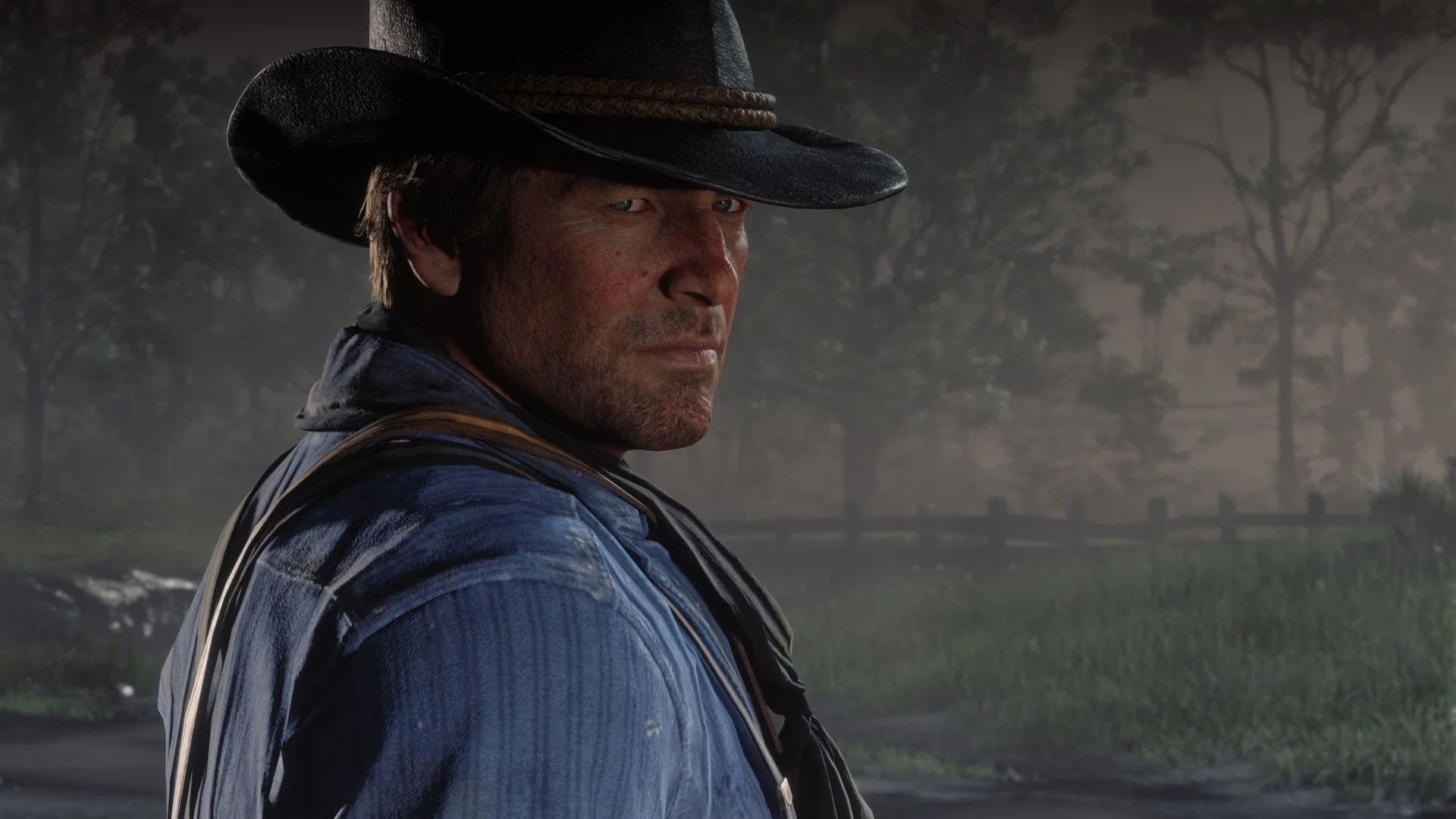
Grand Theft Auto 6 has earned a 99 Metascore from more than 150 critics, surpassing the 28-year record held by the original The Legend of Zelda: Ocarina of Time. That score places Rockstar’s latest among the most acclaimed games ever reviewed. It also invites a familiar question: has GTA 6 finally surpassed Red Dead Redemption 2? My read is that the numbers frame the debate, but don’t settle it. These games pursue different kinds of experience, and their value is easier to understand when judged on those terms.
Red Dead Redemption 2 still holds a 97 Metascore, a two-point gap that can look decisive on a leaderboard. But a review average can’t tell us whether a player prefers a measured Western tragedy or a sharp-edged satire of contemporary life. Nor can it capture what a game gains from its place in a series. The comparison has appeal because both titles come from the same studio and represent major technical and creative achievements. It becomes less useful when a single ranking is expected to describe what each one does well.
Two stories with different ambitions
GTA 6 takes on modern life through parody. Its Leonida setting gives Rockstar room to make fun of social media, consumerism and pervasive surveillance, while fictional versions of familiar services and brands supply targets for its humor. Serious stakes and consequences can coexist with the series’ irreverent streak. That tonal mix isn’t an optional flourish; satire is central to what a modern Grand Theft Auto is designed to do.
The series also starts fresh with each main installment. Jason and Lucia’s story doesn’t depend on the journeys of Claude, Niko Bellic, or GTA 5’s Trevor, Michael and Franklin. Each game creates a new cast and a new set of pressures, even when it returns to a familiar location. Vice City may be recognizable by name, but a modern setting gives it a different character. For players, that clean slate is part of the appeal.
Red Dead Redemption 2 asks for a different kind of attention. Its deliberate pace gives the player time to absorb the environment and grow attached to the people in Arthur Morgan’s world. The story’s weight rests not just on what happens, but on the ties between characters and on the changing prospects of an outlaw gang facing a world that is moving on. Empathy isn’t a tool layered onto the experience; it’s woven into its structure.
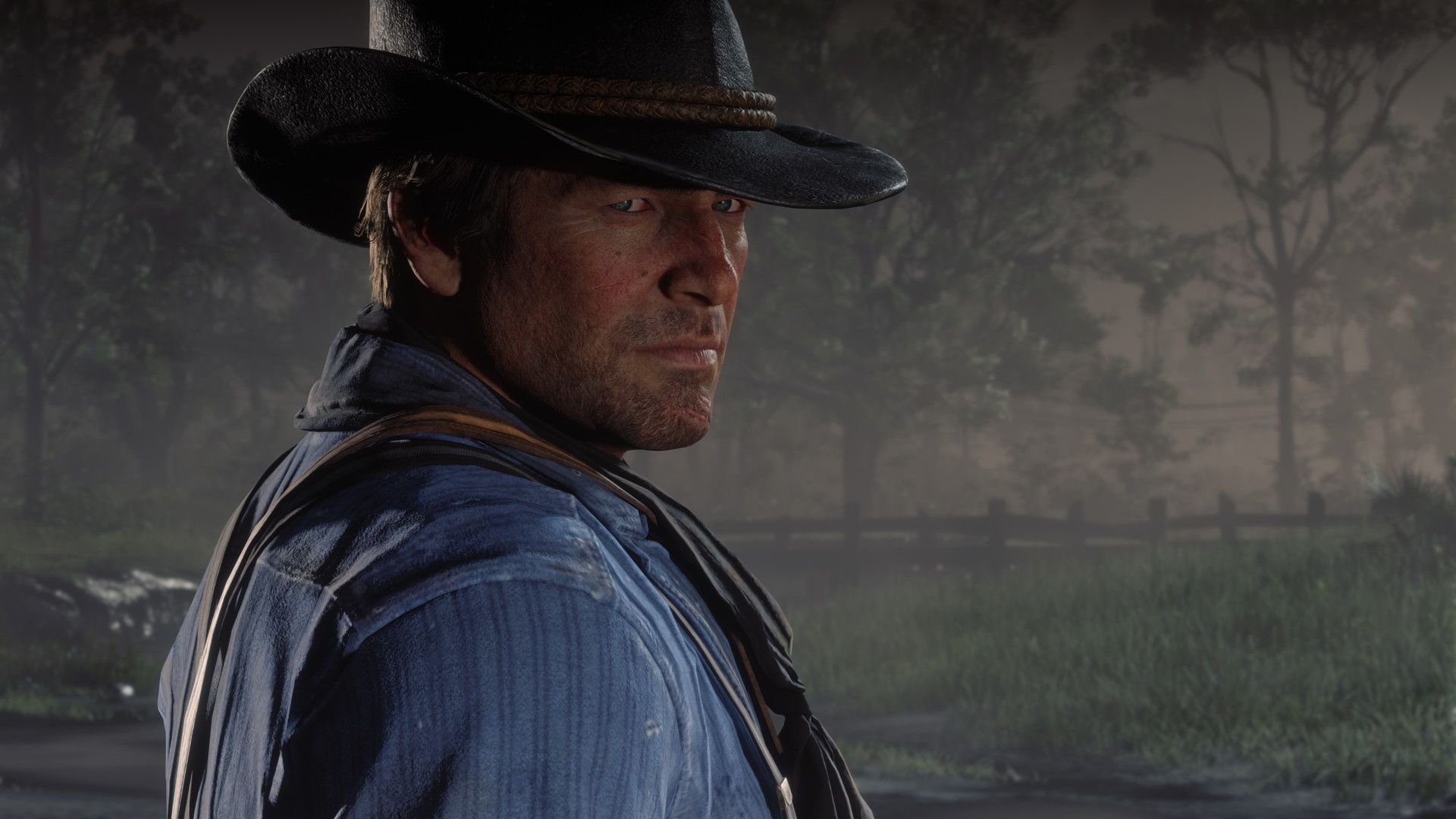
That approach gains another dimension from the game’s connection to the first Red Dead Redemption. Though it follows Arthur rather than John Marston, the prequel changes how John’s later struggle for survival and a peaceful family life can be read. Their past gives added meaning to friendship, loyalty and the difficult shift from outlaw life. John’s arc—from someone prone to needing rescue to a more dependable figure—lands differently once the player has seen the people and events that shaped him.
That continuity gives Red Dead Redemption 2 a narrative advantage that a new GTA isn’t trying to claim. The latter’s recurring appeal lies partly in beginning again; the former’s story draws power from what players already know is coming. Treating one structure as inherently stronger would miss the deliberate choice behind each.
Different worlds call for different systems
At a systems level, GTA 6 appears to extend Rockstar’s open-world simulation with dynamic weather, ambient dialogue, a broad range of non-player characters and detailed animation. Its Criminal Profile system and dense crowds belong to a contemporary crime setting built around movement, visibility and a busy public world. Those features may make Leonida feel more reactive, but their presence alone doesn’t establish a universal measure of quality.
The same systems would serve a historical Western differently. A large modern crowd or mechanics designed around today’s criminal environment could feel out of place in Red Dead Redemption 2. Its slower rhythm and emphasis on atmosphere are design decisions that support its setting and story. A feature count can describe what a game contains; it can’t explain whether those features reinforce the experience the developers set out to create.
The same distinction applies to pacing and character control. Comparing the writing, dialogue or cinematic presentation can reveal differences in craft. It doesn’t follow that Red Dead Redemption 2 is deficient for giving players one protagonist, or that GTA 6 is superior simply because it follows two. These choices shape the kind of connection each game builds with its characters.
Technology matters, but context matters too
The games also come from different hardware generations. Red Dead Redemption 2 was built for PlayStation 4 and Xbox One; its later PC release added features and improved visual fidelity, but the original console hardware defined its foundation. GTA 6 has a larger technical canvas, with ray-traced reflections and global illumination among the features described for its base experience. Both target 30 frames per second on their respective consoles, but that shared target says little on its own about the work required to produce their different worlds.
Rockstar hasn’t published an official budget for GTA 6, so comparisons of development cost need to stay qualified. Still, the scale of the game’s presentation makes clear that the studio has pushed its production ambitions further. That’s part of why the acclaim feels significant: the game looks like a culmination of expertise built over decades, as well as a continuation of GTA 5. It aims to make a contemporary open world feel unusually dense while keeping a single-player experience at its center, at least for now.
What the scores can—and can’t—tell us
A 99 next to a 97 makes for a clean headline, and it’s understandable that players want a definitive ranking between two of Rockstar’s biggest releases. But that precision is misleading if it suggests the games are competing on identical terms. GTA 6 may offer more activities, a higher degree of simulation and a more elaborate modern setting. Red Dead Redemption 2 builds its strength through patience, atmosphere and a story whose meaning reaches back into another game.
The useful comparison is what each title reveals about Rockstar’s range. One turns a modern setting into a satirical playground; the other asks players to live with a group of characters as their world closes in. Their craft can be discussed side by side, and their technical choices can be measured against their respective hardware. But the final judgment depends on what a player values: the restless energy of a contemporary crime story or the slow pull of a Western drama. The scores establish their critical standing. Their different ambitions explain why both can remain benchmarks without one making the other obsolete.



Discussion
Sign in to join the discussion.