Leonida spans five distinct counties, with layered interiors, changing terrain and underwater discoveries designed to make detours part of GTA 6’s appeal.
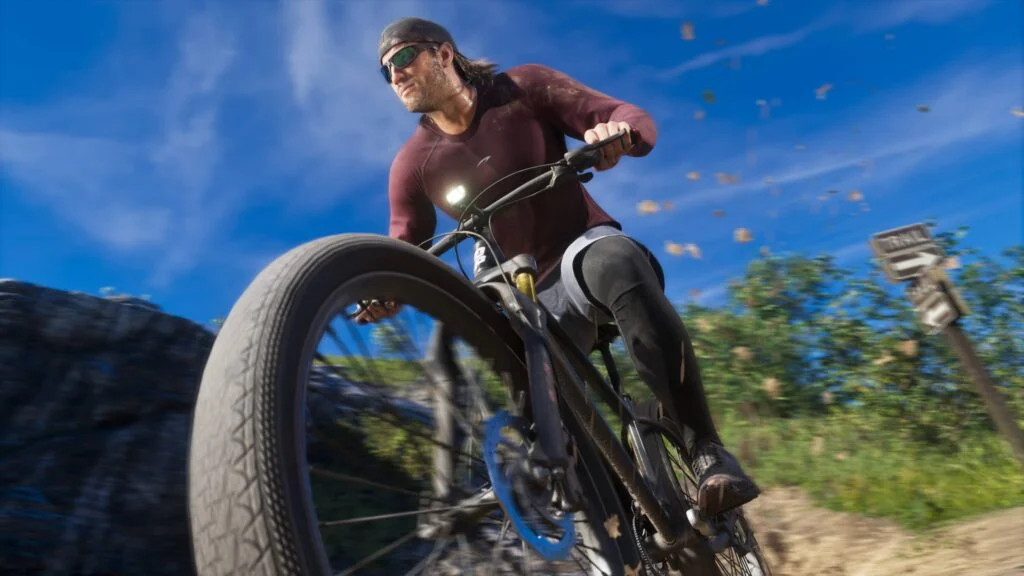
Leonida’s defining feature looks less like its sheer size than the number of reasons it gives players to change direction. Across five counties, GTA 6 pairs distinct regional identities with details to investigate on foot, at elevation and underwater. The result, as described here, is a map whose appeal depends on what happens between destinations as much as on the destinations themselves.
Rockstar has said Leonida is twice the size of Los Santos. The article also places its area at twice that of GTA 5, nearly two-thirds larger than Red Dead Redemption 2’s map, and roughly equivalent to the combined maps of that game, GTA 5 and GTA 4. Those comparisons establish scale, but they don’t explain why the world might hold attention. The stronger case lies in how environments transition, how different kinds of exploration connect, and how easily a brief detour can turn into a substantial activity.
Five counties, five different rhythms
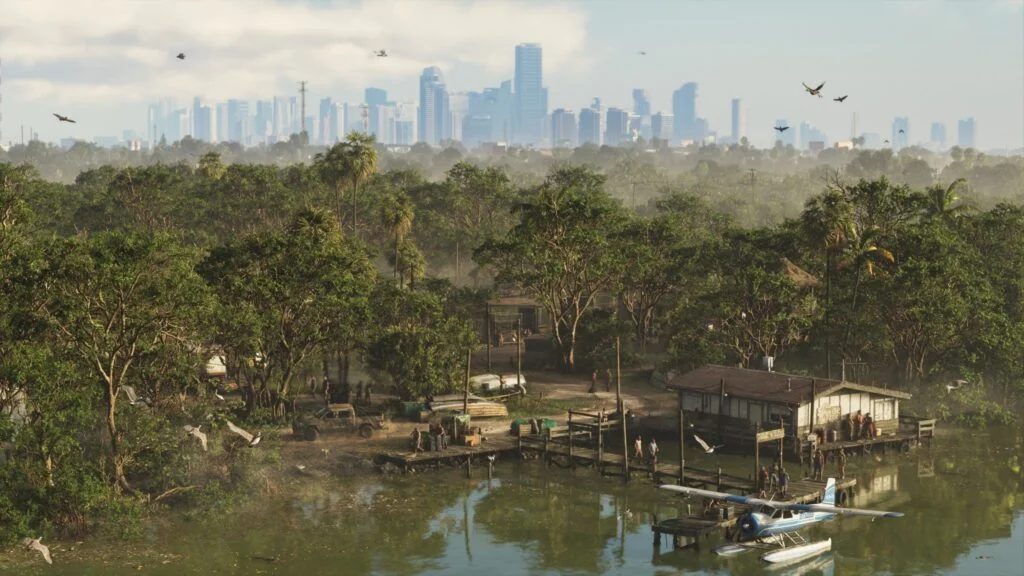
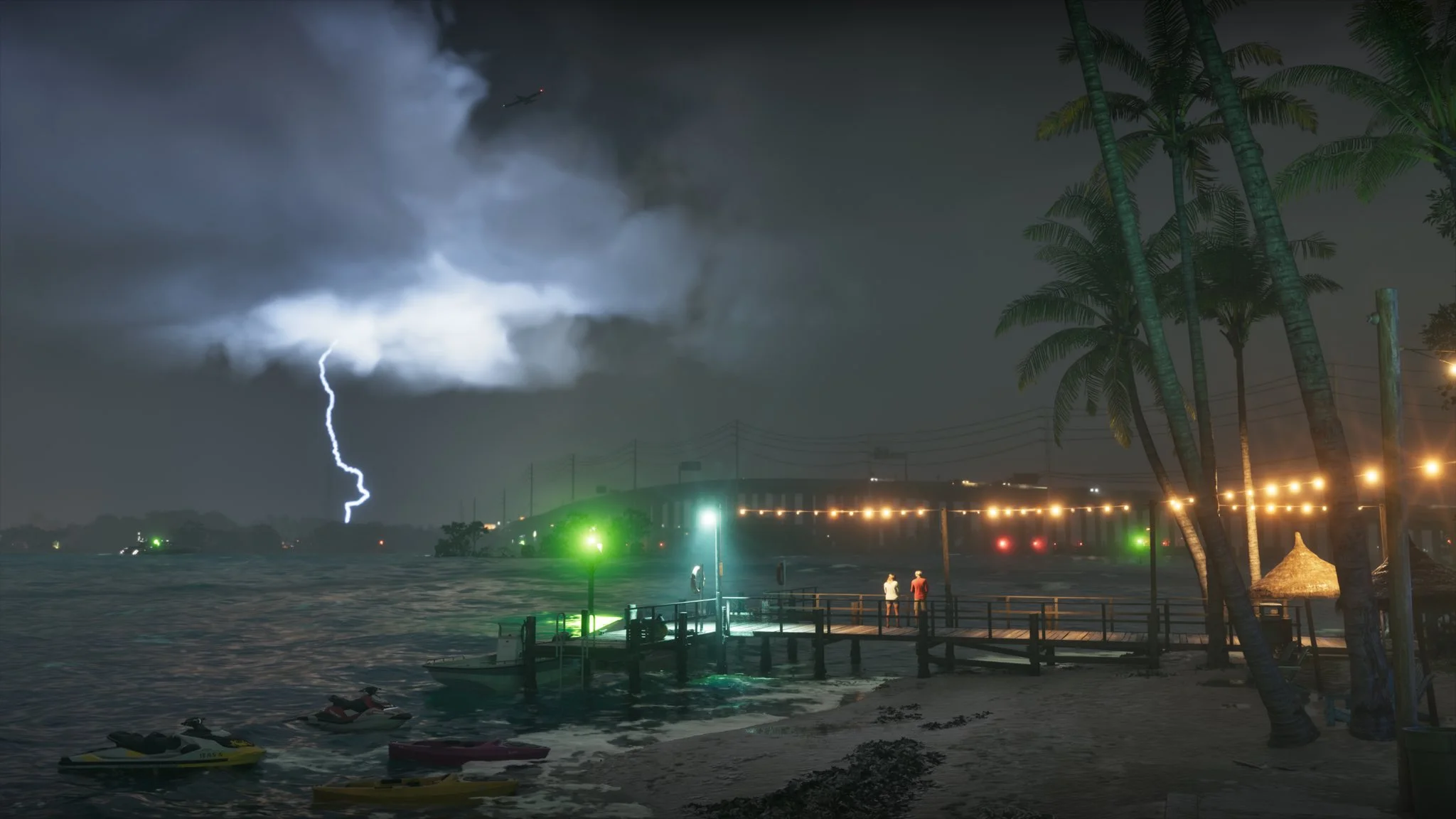
Mariana County brings together island settlements, open water and marshland. Its named locations include Key Lento, Southwind, Leonida Bay, Grassrivers and Pelican Valley. The geography points toward a slower, more navigational kind of exploration: moving through wetlands and around waterways, with the terrain shaping how players travel.
Vice-Dale County shifts the mood toward the city. Vice City sits alongside the beach, Little Cuba, Downtown, Ocean Beach, Starfish Island and Port Vice City. Together, these areas give the county a crowded, urban character. Ambrosia adds a different kind of activity, serving as Leonida’s industrial center, with factories and refineries lending it a working-class identity.
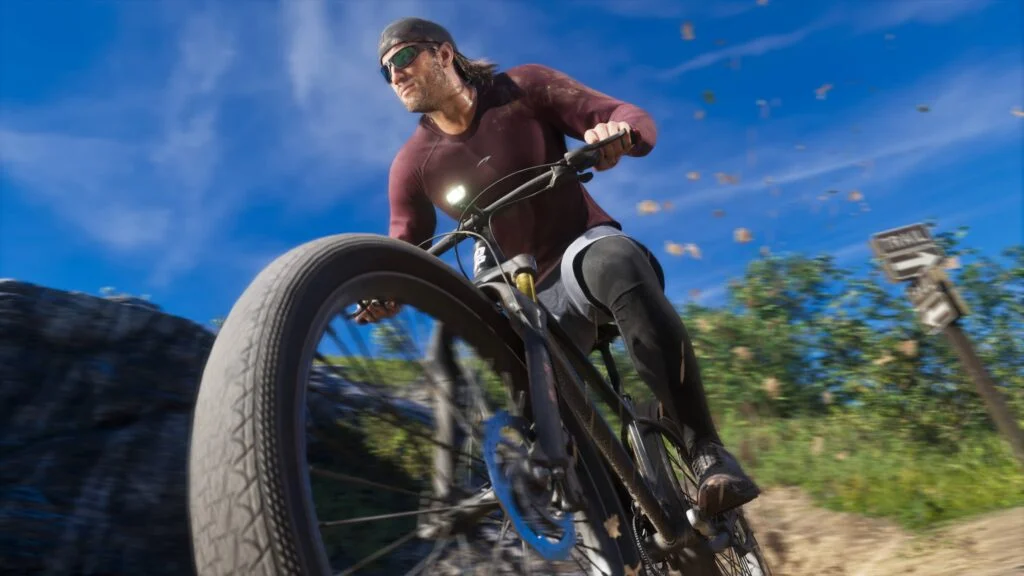
Kelly County is defined by decline. Around Port Gellhorn and Draper Island, rundown shopping centers and aging motels suggest a place that has lost business to other parts of the state. That environmental storytelling gives the region a history players can infer from its streets and buildings, without requiring every detail to be spelled out.
Leonard County offers a mix of greenery, beaches and suburban streets. Belville, Waning Sands, Lake Leonida and Richard Barebone State Park make room for outdoor exploration, including the search for rare animals. Houses, gas stations and backyards offer a more everyday view of the population and its neighborhoods. The shift between these settings gives the county a broader texture than a simple stretch of coastline.
Lummox County is the destination for a more rugged excursion. Mount Kalaga National Park, Kalaga Reservoir, Dawson Dam and Millport bring together mountains, forests and inland waterways. Its terrain creates a marked change from the urban and coastal areas elsewhere in Leonida, and offers a different reason to leave the road or head away from the city.
Varied biomes are familiar territory for open-world games. The more telling design choice is how these places meet: one region gradually giving way to another, with borders that feel like transitions through a lived-in state rather than abrupt changes between themed zones.
Detours that connect the map
Leonida’s scale matters because travel can expose players to more than scenery. A stranded driver, for example, can become the starting point for a chain of side activities that sends players across county lines. That structure makes the map part of the gameplay: an encounter in one place can lead to objectives in several others, giving a detour its own momentum.
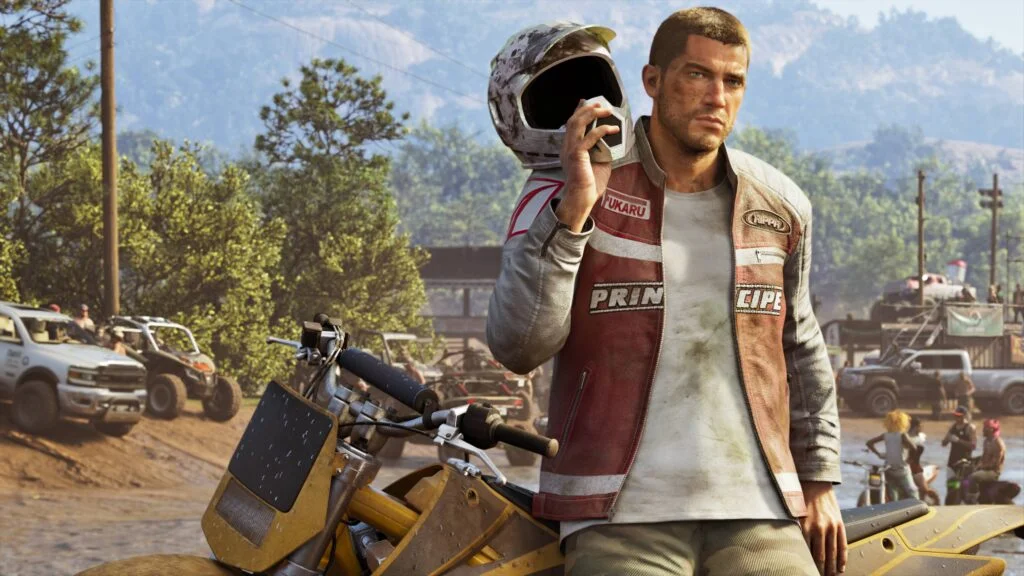
The same principle applies when players decide to investigate a place simply because it catches their eye. A building spotted across the street may hold multiple floors to search, while an area that initially seems incidental can prompt a longer visit. The account describes locations with individual stories and details that reward patient exploration. That gives the world a useful kind of density: not just a high count of landmarks, but reasons to linger after arriving.
Vertical exploration adds another dimension. Players can take elevators between floors, climb Mount Kalaga, or find interior spaces accessible through stairwells. Some backrooms are said to become visible on the map only after players get close, encouraging discovery through movement rather than by following a fully marked route.
The interiors also aim for variety. After more than a hundred hours spent entering places that looked interesting, the account reports seeing layouts and furnishings that didn’t feel repeated. That claim speaks to the amount of attention the game appears to give ordinary spaces: buildings can offer their own small explorations, rather than serving only as backdrops or mission locations.
The ocean floor is part of the route
Leonida’s opportunities extend below the surface. Coastal diving can reveal ruins, shipwrecks and treasure, with a metal detector available to support searches. A trench encountered by chance, for example, led to a valuable find. It’s the kind of discovery that can make a stretch of water feel as worth investigating as a prominent city building.
There’s also a questline built around locating and exploring several wrecks. The underwater sequence may test players who find deep water unsettling, but it leads to a reward that gives the search a clear payoff. More broadly, underwater objectives turn exploration into a reason to travel across different parts of the coast, rather than treating the ocean as empty space around the playable land.
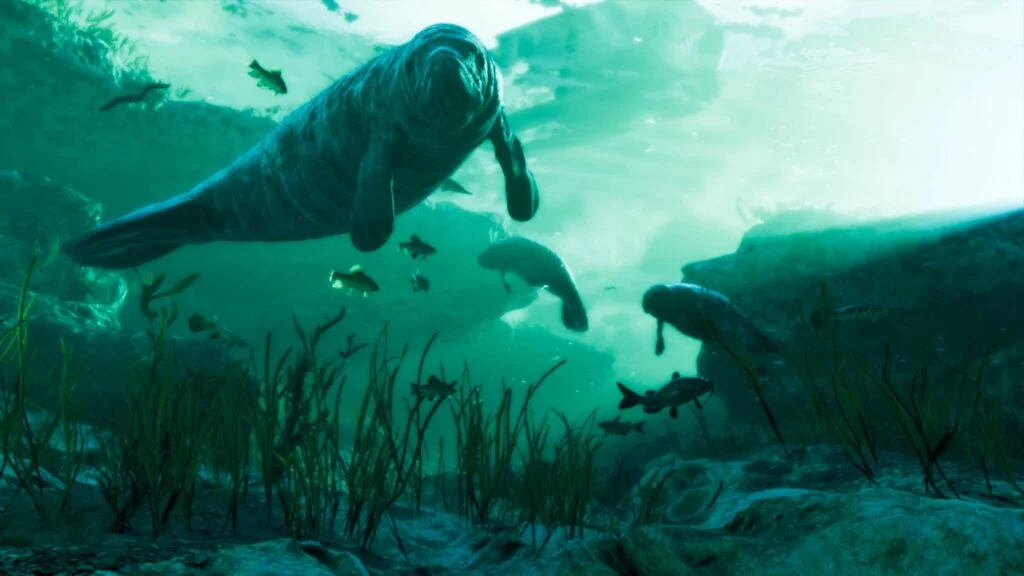
That variety changes the way players might read the map. A stretch of water in The Keys could hold something useful, just as an upscale building in Vice City might conceal an interior worth searching. The design encourages curiosity across settings that might otherwise serve only as scenery.
Size is only the starting point
Comparisons with Rockstar’s earlier games offer a quick sense of the footprint, but area alone says little about how a map feels to play. GTA 5 already allowed underwater exploration; Leonida appears to give it more compelling objectives. Red Dead Redemption 2 offered a very different kind of world, while GTA 4 included some vertical exploration. The distinction here is the combination of building interiors, elevation, varied terrain and underwater activities within one sprawling setting.
That combination could make travel feel less like time spent getting between missions and more like an open invitation to interrupt them. An objective remains in view, but another possibility can emerge from a roadside encounter, an unusual building or a patch of water that looks worth checking. The map’s strongest promise is that these interruptions will feel rewarding often enough to become part of a player’s routine.
Leonida’s five counties give the journey a clear range of settings, from marshes and industrial districts to neglected towns, suburbs and mountain country. Its real test will be whether the details and discoveries remain engaging across that scale. The map’s design points toward a concrete ambition: make the next stop along the way feel worth taking.

Discussion
Sign in to join the discussion.