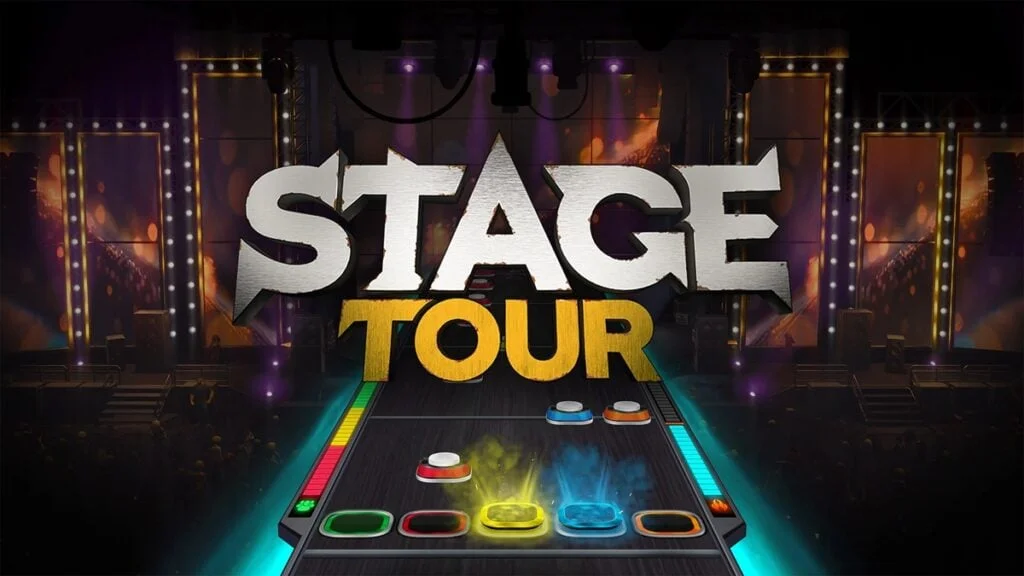
Stage Tour brings back the music game formula with 90-plus songs and a small team, aiming to avoid the oversupply that hurt Guitar Hero.
A rhythm game comeback with a different starting point
The most telling detail about Stage Tour is its scale: RedOctane Games says a team of just 10 to 15 people built it. That’s a sharp departure from the large, fast moving production machine that helped push Guitar Hero into oversupply. The new game arrives December 10, with RedOctane Games revived under Embracer Group through its Fellowship Entertainment division. Guitar Hero launched in 2005 and reached $1 billion in sales by 2008. It eventually passed $2 billion in revenue, then fell hard. Guitar Hero and rival Rock Band titles crowded the market; too many releases and too much unsold hardware helped turn a hit genre into a glut. Skylanders met a similar fate. Lee Guinchard, now Embracer’s COO and an original RedOctane team member, is trying to bring the genre back without the Guitar Hero name. Embracer funded a small development team, and RedOctane Games is publishing the new title. Its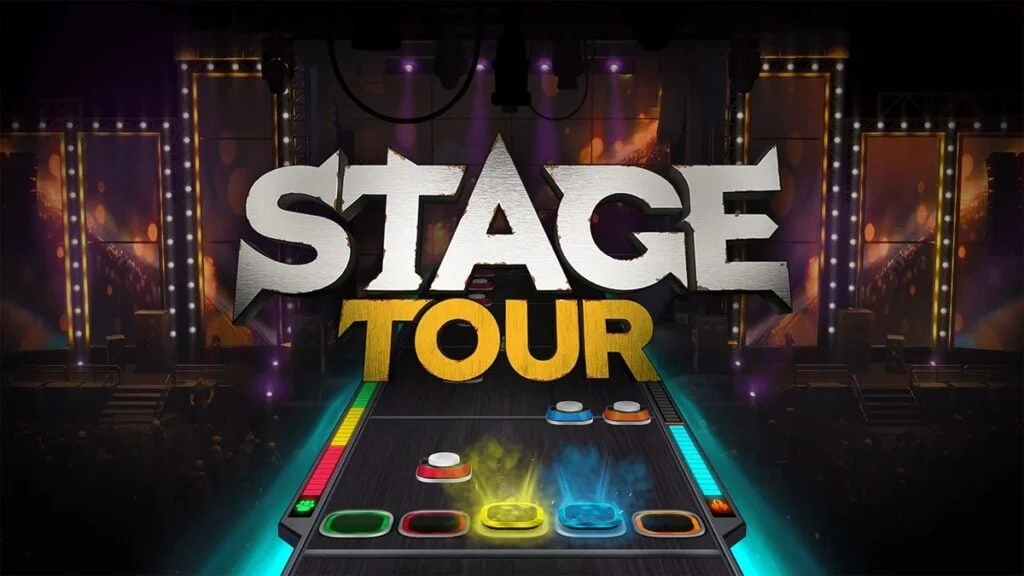
The lesson in Guitar Hero’s collapse
Charles Huang recalls a creative mix at the original RedOctane: rhythm game specialists working with music people who knew bands and cared about the songs. In his words, the team had an “interesting mesh” of those groups, and “you fuse it together and that’s where the magic happens.” That mix became harder to preserve as demand surged. Activision spread production across multiple studios and hundreds of developers, with new games arriving every few months. Huang says RedOctane’s original team gradually mattered less inside the larger operation. The release schedule kept feeding the market until the market was full. The problem wasn’t only volume. Huang says the early team’s attention to detail and combination of game and music knowledge had faded. Rock Band added more competition, while unsold games and plastic guitars accumulated. Guinchard says one response in the new project was to outsource guitar production to Gibson. Guinchard sees a different kind of chemistry taking shape now. “My God, this is like it was in the real old days,” he said. The current team has older developers passing on what they know and younger ones bringing their own ideas. The feeling, he said, wasn’t planned; it came from people working toward the same goal.Fans kept the genre alive
A small studio gets the go-ahead
Guinchard pitched the project to Embracer CEO Lars Wingefors, whose company had raised major funding and bought more than 100 studios before later selling many as financing tightened. Wingefors approved an experiment through the group’s Freemode division within Fellowship Entertainment, but urged Guinchard to keep the team small rather than assemble a large triple-A production. Activision retained the Guitar Hero name but let RedOctane go. That gave Embracer room to establish RedOctane Games in 2025, with Simon Eberger at its head. The original Guitar Hero took about 30 people to make, Huang says. Stage Tour’s core team has 10 to 15, with roughly 20 more contributors working on note charts that synchronize songs with the onscreen action. The idea is to preserve the appeal of plastic guitars, now made separately by Gibson, while applying two decades of player feedback.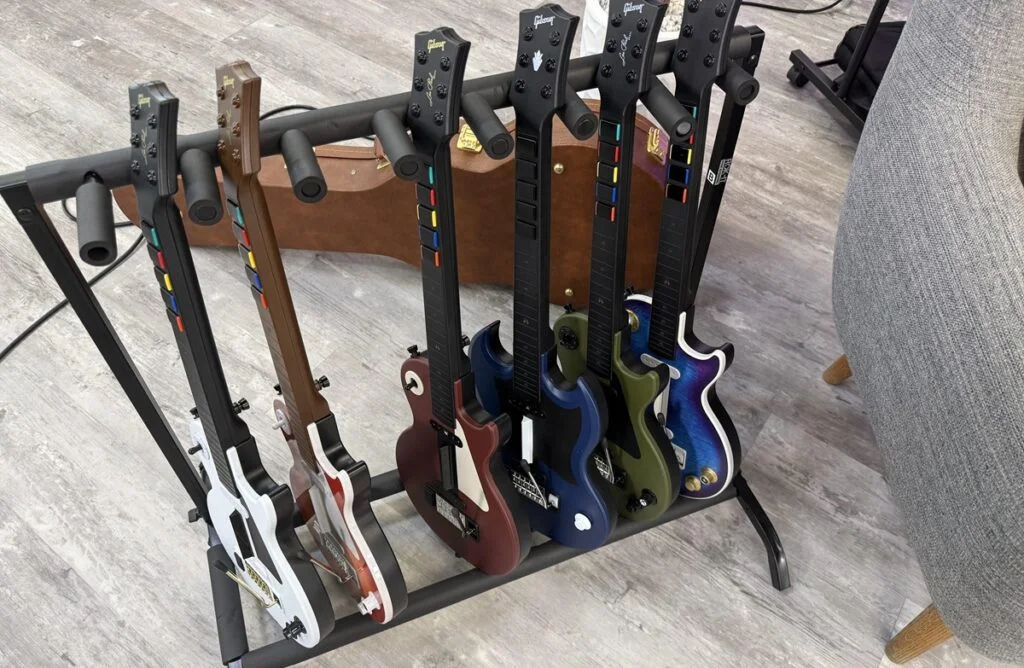
From experiment to funded project
The team brought a fixed budget proposal to Wingefors and the board. “I’ve got this thing. Trust me on this one. Believe me, it’s just something that we need to do,” Guinchard told him. He framed it as the start of an ongoing business, not a one-off game. The project received full approval in July 2025. Its working title was Stage Legend, since Guitar Hero was unavailable; it later became Stage Tour. Guinchard says RedOctane was available after Activision renamed its division Guitar Hero and closed the studio. The project’s limited budget fit the experimental remit he had through Freemode. Guinchard also brought in Charles and Kai Huang, longtime friends who joined as advisers. Charles described his contribution as a “sanity check” while Guinchard was trying to get the project approved. He was impressed by how well the younger developers understood what players wanted now. Asked whether he would join the team, he joked that he was retired and “staring in the backyard”—though he’s actually running marathons with his wife. The energy around fan-built game YARG helped convince him the idea had life: “hell yeah.”Signs of an audience
The community joins the studio
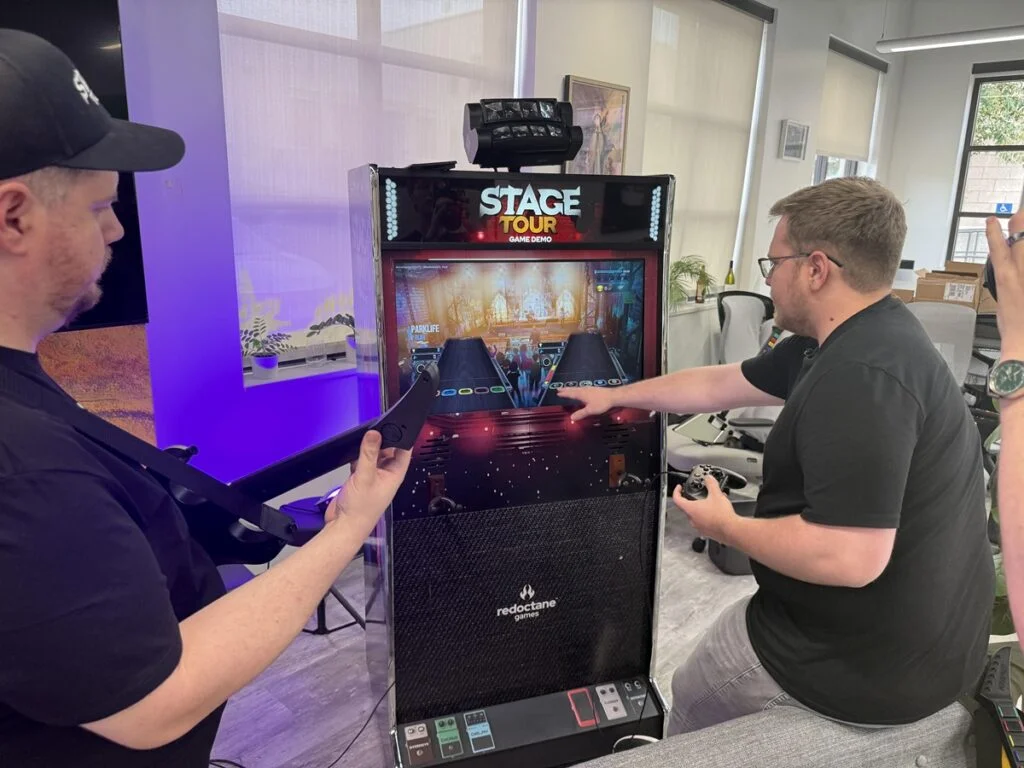
Built by the people who kept playing
The strongest argument for Stage Tour isn’t its return to a familiar format. It’s that people who spent years keeping music games alive are now shaping one from the inside. Their instincts about timing, charts, controllers and difficulty aren’t late-stage polish; they’re part of the design brief.
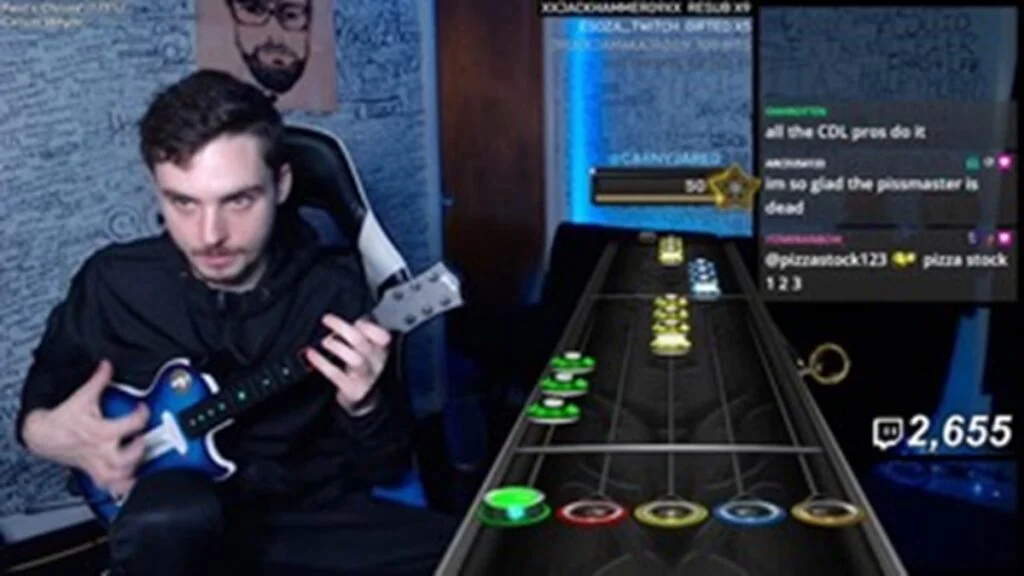
Alex, known online as EliteAsian123, began working on YARG at 16, while in high school during the COVID-19 pandemic in Canada. After discovering Clone Hero, he set out to build something better with other community members. YARG launched in 2023 and drew interest from hardcore fans. Guinchard met Alex when he was around 20 and midway through college.
“I thought, ‘My god. This kid is a really good engineer,’” Guinchard said.
Alex put his final year of college on hold to join the project. He also brought a practical skill the new game needed: making almost every plastic guitar from earlier generations work with it.
I watched community members play flawless runs of Stage Tour in the office. One of them was Nick Rakers, a Melbourne streamer and musician who grew up on Guitar Hero before taking up guitar and singing. He now plays in an indie band and works as a sound engineer. Rakers wrote and performed “Play Your Way,” the song featured in the Stage Tour trailer.
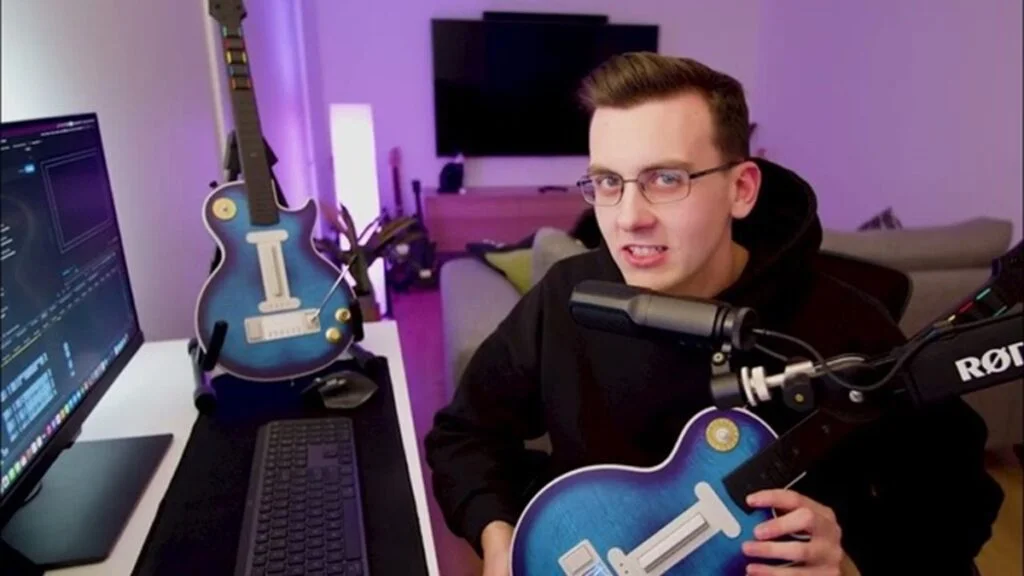
Jacob Inselmann, or awisemoose online, also came up through the Guitar Hero community. He started making YouTube videos as a child and became a prominent creator and streamer. He joined RedOctane Games as community manager at the project’s outset, contributing to playtests and feeding his experience back into development.
Charting was another community skill the team could draw on. Chart creators carefully match on-screen notes to the timing of a song; RedOctane brought people with that expertise into the process. Stage Tour reaches a high level of difficulty for experienced players, while offering medium and easy settings for people who want a more approachable start.
Experience carried across the gap
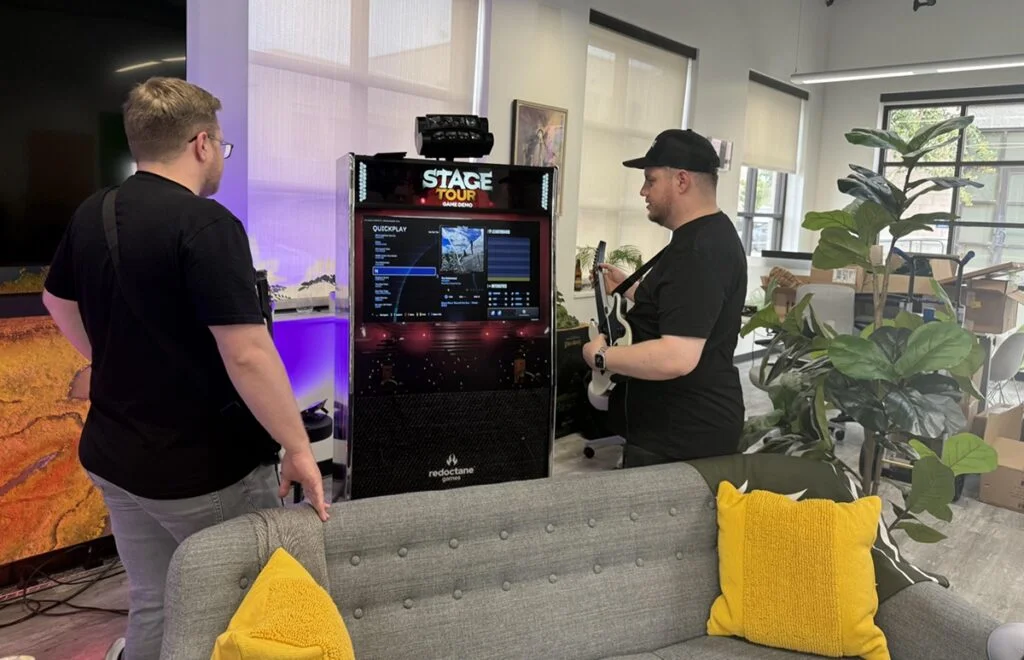
Some of the people behind the new RedOctane had direct ties to the original company. Charles and Kai Huang, its founders, kept in touch with former colleagues. Guinchard had worked with them before Activision acquired RedOctane for $99.9 million in 2006, and stayed with Guitar Hero until the franchise reached its final chapter. He was there as the lights went out, then later helped bring them back as a cofounder of the new RedOctane.
Guinchard is now COO of Embracer Group and COO of Fellowship Entertainment, where he works with CEO Phil Rogers. Embracer plans to spin out Fellowship in 2027, with RedOctane Games among its businesses. That history gave the new team more than familiar names. Guinchard had seen music games rise, peak and retreat, and could help explain both what had connected with players and what went wrong when the industry expanded faster than its audience could sustain.
That perspective matters. Experience can help a team avoid repeating old mistakes, though it can’t guarantee that a new game will find a lasting audience.
The right pieces came together
RedOctane’s return grew inside Embracer’s Freemode division, which brought together gaming hardware, retro and heritage games, ecommerce, game development, and music technology through Singtrix and John Devecka. Freemode wasn’t assembled to revive music games, and no Stage Tour plan had been waiting in a drawer.
But a comeback required more than software developers. It called for hardware design and manufacturing, music licensing, console relationships, ecommerce, marketing and an active player community. Freemode had most of those capabilities under one roof, and enough room for a small experiment to develop before it became a formal studio project. The corporate setup helped; the people doing the work still had to make a game players wanted.
RedOctane takes shape again
By August 2025, the effort had grown beyond an experiment. RedOctane Games was announced after Guinchard gave an exclusive interview to GamesBeat. The Huangs returned as advisers, and Simon Ebejer—whose previous work included producing Guitar Hero at Neversoft and senior roles at Blizzard—became studio head. The team brought together developers from today’s rhythm-game scene and veterans of the original era.
The old name gives the studio a history, but the brief is to build on what fans learned in the years since, not to recreate the old company or replay its past.
Keeping the familiar, widening the door
RedOctane’s design principle is straightforward: preserve what made the older games work, then account for two decades of change. Stage Tour keeps the familiar core—notes moving toward the player, songs at the center, scores to chase and progress that feels earned—while supporting the ways people play now.
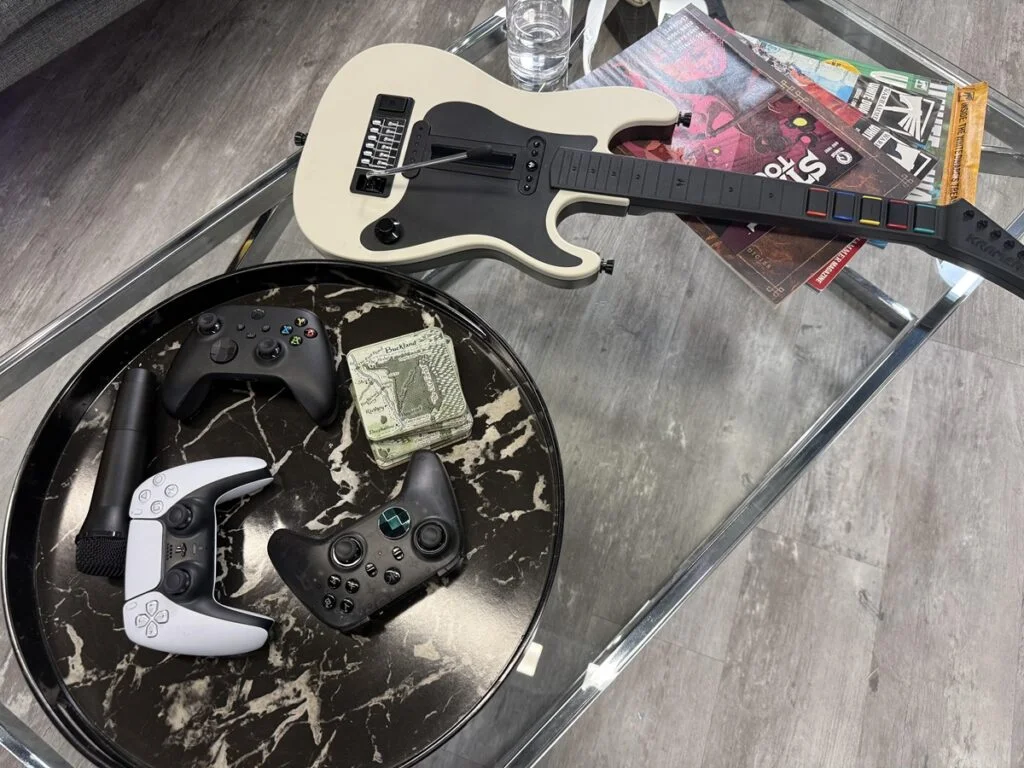
Players can use guitars, drums, microphones, gamepads or keyboards. They can play alone, together on a couch or online, and choose a casual session or a competitive run. Legacy controllers that fans have kept working for years sit alongside modern ones.
That range changes who gets to join in. One person can chase an Expert leaderboard score; another can pick up a gamepad and play for fun. Four friends can turn the same game into a group night. Instrument choice no longer determines whether someone can take part.
Preorders turn attention into a test
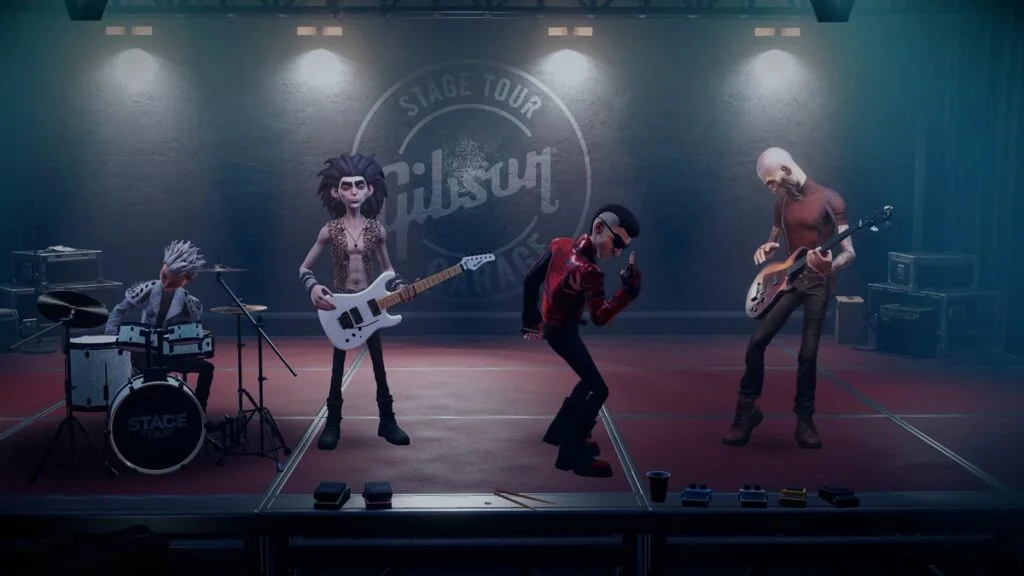
At Gamescom 2026, the project reached a much larger audience. Stage Tour appeared during Opening Night Live alongside major releases, and the team watched from the crowd as the audience cheered for a trailer RedOctane had produced itself. One attendee photographed a QR code and ordered a bundle on the spot.
Preorders are now open on the web site. Guinchard declined to share the totals, but said early orders were running “about 10 times are what we really thought.” RedOctane says its trailers are drawing strong viewership, with the Gamescom video reaching 18.5 million views. Digital preorders opened the previous week, and the team also showed off arcade mode and backward compatibility with guitars. Guinchard described word of mouth as the main driver of marketing.
The response seemed to include more than fond memories. People were surprised that this kind of game was really coming back, and community members recognized the concerns they’d raised in the people making it. That distinction is the one to watch: nostalgia can sell a trailer or a limited edition, but demand for new songs, instruments, modes and play experiences would point to a genre with room to grow.
Demand is encouraging; the launch still has to deliver
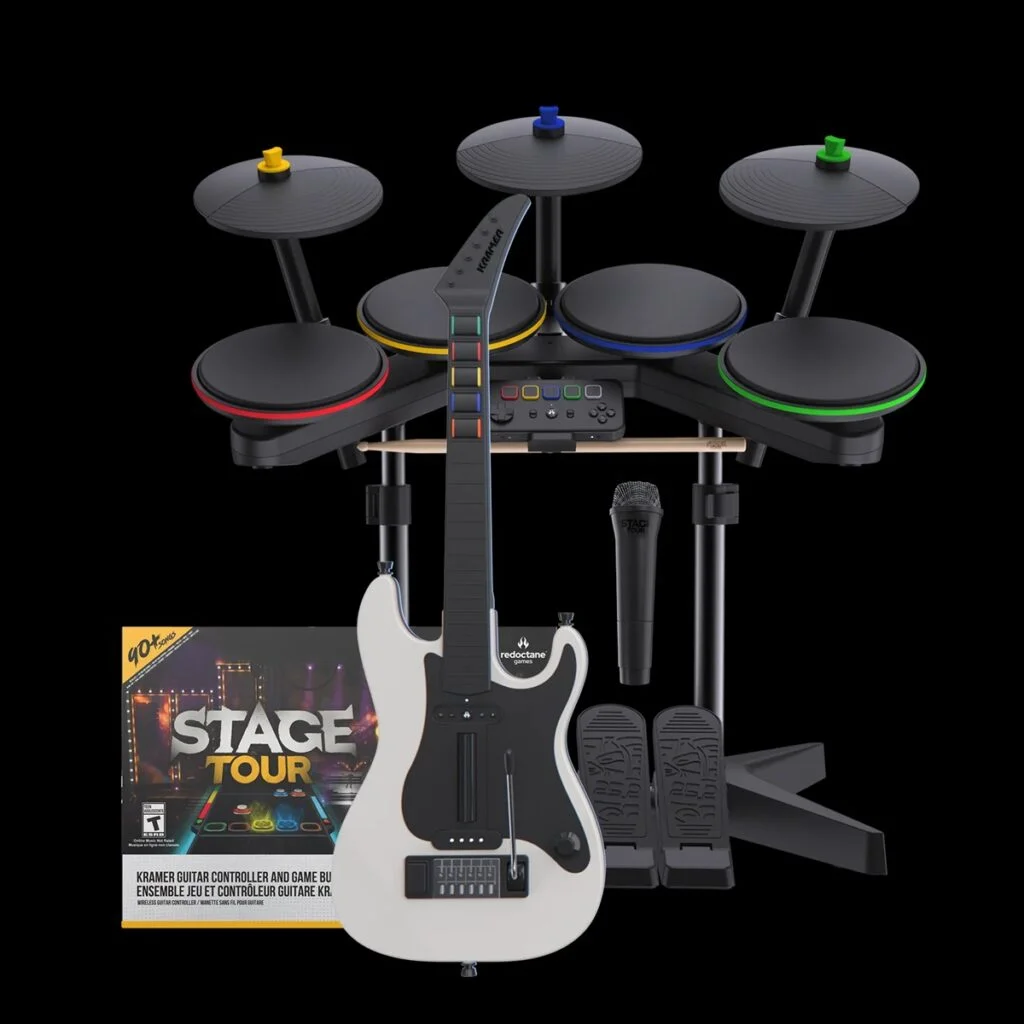
Preorders make this response more meaningful than a burst of online conversation. Fans are paying for the game, ordering instruments and putting money behind the idea that music games can return. Guinchard said the team was “blown away” by how far the response exceeded its expectations.
Still, early sales don’t settle the question. Stage Tour has to launch well, satisfy players, earn good reviews, deliver reliable hardware and keep new content coming. There’s a real difference between missing a genre and choosing to invest in its return.
A smaller team, a longer build
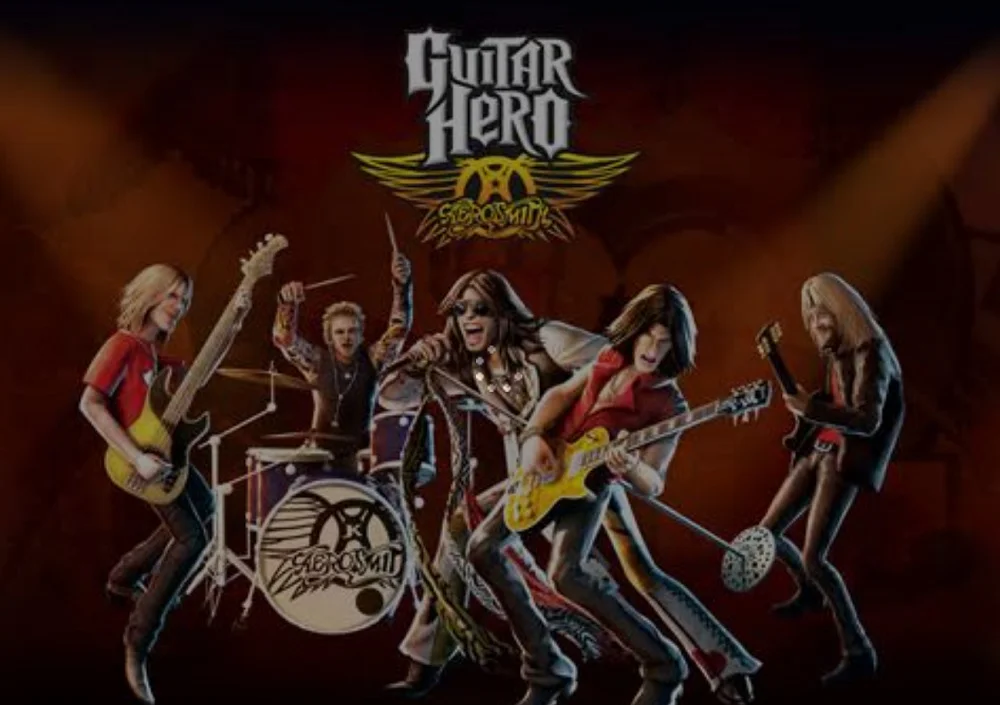
Stage Tour was developed on a budget closer to an indie game than the $100 million or more often associated with major productions. That limit shaped the priorities: the team focused on how the game plays and feels, the song selection and charts, controller response, latency, multiplayer and the community around it.
Not every feature needs to match the scale of a blockbuster built by hundreds of developers over several years. RedOctane can improve environments and characters over time, while adding songs, modes, instruments and other experiences in response to players. The approach echoes Clone Hero and YARG: establish a solid foundation, release it, listen and keep improving. This time, a studio, a hardware company and a music licensing team are part of the effort.
If that model holds, its value could extend beyond one release. A smaller team can build around a focused experience and grow it with an audience—provided the game gives people a reason to return.
The opportunity is a music-game platform
If Stage Tour succeeds, a sequel may not be the next step. Guinchard sees the possibility of a music-game platform: guitars as one entry point, with drums, vocals and gamepad play widening the audience; new songs refreshing the game; events bringing in artists and entertainment properties; and new hardware creating different ways to play.
That’s a larger ambition than reviving Guitar Hero. It depends on whether RedOctane can make software, music, instruments and community work together over time. The answer will come from the audience’s willingness to keep playing and paying, not from the strength of the reveal alone.
After the December launch, the team plans downloadable content, including themed song releases, more characters and more Gibson guitars. The catalogue spans six decades, with rock and metal alongside music aimed at younger players. The stated goal is to give people reasons to replay songs socially. Guitar bundles could also help drive launch sales, while a direct-to-consumer web site gives players another way to order.
Guinchard described the model as “kind of paid live service in a sense”: a small team would keep updating Stage Tour over time instead of building a separate team for a sequel. “The idea is, Red Octane Stage Tour just becomes a business,” he said. “You keep this small team, and they’re constantly working on updating the game. So you don’t have to have a whole new team to do Stage Tour 2. The Stage Tour 2. There’s just Stage Tour.”
Fellowship’s broader plan is to build a lineup of games, and it could be spun out of Embracer next year. Its owned properties include Middle-earth Enterprises, including The Lord of the Rings, Tomb Raider, Kingdom Come Deliverance, Metro and Darksiders. Its studios include Crystal Dynamics, RedOctane, Eidos Montreal, 4A Games, Warhorse Studios, Dambuster Studios, Flying Wild Hog, Gunfire Games, Fishlabs and Dark Horse Media, publisher of Dark Horse comics. New Tomb Raider and Metro games are also on the way.
Maybe the genre was waiting for a workable model
Music games once became so big that the market flooded, players tired of the releases and the genre appeared to collapse. But the players didn’t disappear. They repaired old guitars, built adapters, made Clone Hero and YARG, charted songs and competed for scores.
Meanwhile, digital distribution became standard, direct sales to customers got easier, controller technology improved, manufacturing grew more flexible, online communities strengthened and development tools became cheaper. A younger generation could encounter Guitar Hero as a recommendation from older fans, without carrying the fatigue of its peak years.
Perhaps the genre wasn’t the part that failed. The business model may have been. That’s a persuasive explanation, though Stage Tour still has to show that today’s tools and audience can support a lasting business.
An encore built by the people who stayed
Stage Tour began with conversations among a small group: some remembered the genre’s first run, while others spent the years afterward keeping it alive in bedrooms and on Discord. Their skills covered software, hardware, manufacturing, music and community. One guitar project grew into an ecosystem, then a development team, a studio and a game that could reopen the category.
There was no master plan. That may be part of the explanation. Sometimes a genre returns because the people who still find it fun keep working on it until the pieces finally fit.
Music games’ first era ran on a cultural phenomenon. This one is being built by the community that stayed. Guinchard put it simply: “This time, the people who never put the guitar down are the ones building it.”
The post The unlikely encore of the Red Octane gang with the Stage Tour music rhythm game | exclusive interview appeared first on GamesBeat.



Discussion
Sign in to join the discussion.