Miyamoto argues that AI can speed up production, but deciding what deserves to be made will remain a human creative task.
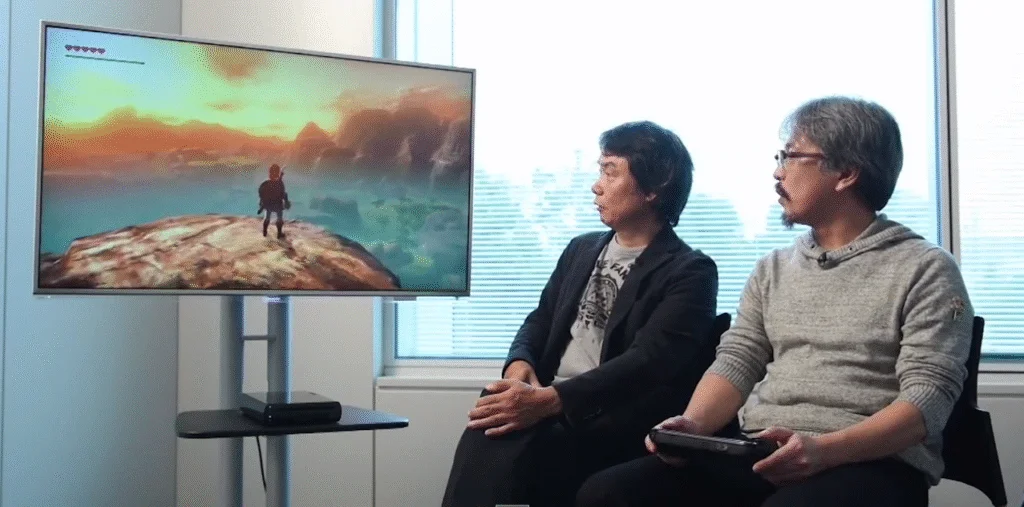
Shigeru Miyamoto’s view of generative AI rests on a distinction game studios know well: making the work go faster doesn’t make the idea behind it better. As AI takes on more production tasks, he argues, creators will have to pay closer attention to what they’re trying to make and why. That’s a useful standard for judging the technology, because speed is easy to measure while creative direction is harder to describe. A faster process can produce more material without producing a clearer or more original game.
In an interview published by Nintendo Dream Web on 23 October 2026, the Nintendo executive fellow and representative director discussed creativity and technology during a press conference at Nintendo’s headquarters in Kyoto. His comments focus less on what AI can generate than on what people must decide before and after generation. That distinction matters in a field where a finished-looking asset can make a project seem further along than it is. The hard question is still whether the work serves a compelling idea.
When tools improve, judgment stands out
Miyamoto sees AI as part of a longer shift in creative work. He recalled the move from typewriters to word processors and then computers, each change reducing the technical effort needed to produce and arrange text. The tools changed the mechanics of the task, but they didn’t decide what deserved to be written or how it should be organized. As those mechanics became easier, he said, a designer’s sense of layout and individual ability became more visible.
“When those technical/technique parts evolve, that is when a person’s layout sense and individual design ability finally come to the surface.”
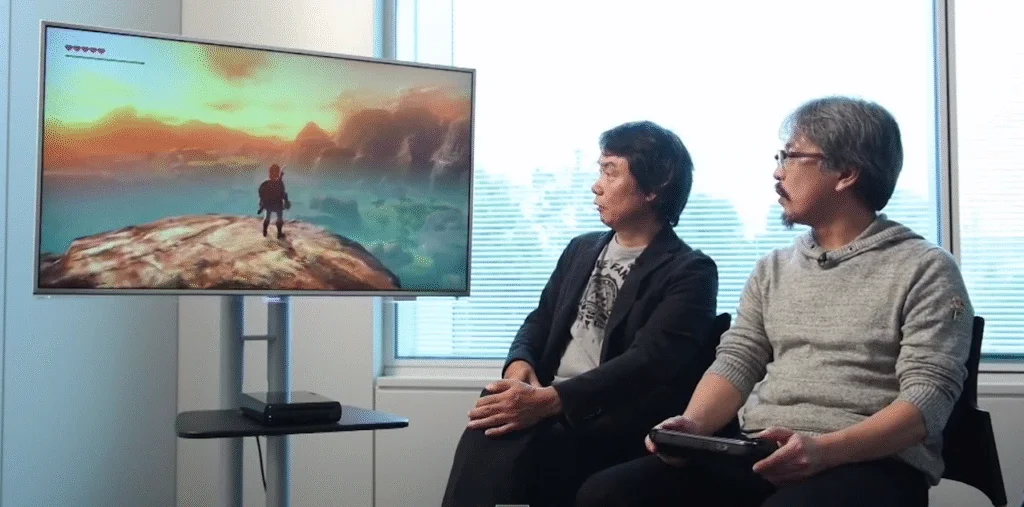
That logic applies to game development, too. If a tool handles more execution, the differentiating work shifts toward judgment: choosing a direction, setting the structure and knowing which details deserve attention. It can also make weak decisions more visible, since fewer hours spent on routine tasks leave less room to mistake sheer effort for progress. The tool may widen what a team can try, but someone still has to decide which experiments belong in the game.
This is more significant than it looks. A production tool doesn’t have to originate an idea to reshape creative work; it can change where teams spend their time and what they consider worth reviewing. If you’re working in this space, the practical question isn’t only whether AI can complete a task. It’s whether taking that task off someone’s plate gives them more time to make meaningful decisions, or simply raises expectations for the amount of work they’ll produce.
Busy work can feel like creation
Miyamoto separates deciding what to create from carrying out the work. Creation sets the goal and the shape of the project; production fills gaps, improves details and polishes the result. Both can be satisfying, and both require skill, but the satisfaction can blur the difference. A team can spend long hours improving a result without resolving whether its underlying premise is distinctive.
“The troublesome thing is that the work itself is enjoyable. You get a strong sense of satisfaction that you’re really creating something.”
Hours spent refining a product can feel like proof of creative achievement, even when the central idea is weak. This is a familiar problem in creative work: visible progress is easier to recognize than a difficult decision about what the project should become. Polishing a scene, interface or character can make a project feel coherent, but polish can’t supply a point of view on its own. The danger is subtle because the work may be good while the larger idea remains underdeveloped.
“What’s scary is when you become satisfied with just the work and end up mistakenly thinking ‘I’ve made something pretty good.’”
AI could make that distinction harder to ignore by reducing the time spent on execution. Miyamoto sees that shift as a chance for people to reconsider what creativity involves, rather than simply a threat to creative work. That’s an optimistic reading, though it depends on how studios use the time they save. If faster production merely leads to more output, the underlying creative problem hasn’t changed. More room to think. Only useful if people take it.
Human intent still sets the direction
Faster production also raises a question about authorship. A polished result assembled by copying and pasting may look finished, but Miyamoto argues that the computer is assisting with work; the creative structure still depends on human intent. In other words, producing pieces of a project and deciding how those pieces should fit together are different responsibilities. The final result may involve extensive machine assistance while still reflecting a person’s choices about purpose, tone and form.
“The computer is assisting with the work. That is the structure.”
He allows that AI might eventually contribute across nearly every part of production. Even then, he believes people will have plenty left to do. His point isn’t that human involvement will remain fixed as tools change; it’s that the source of creative direction will still matter. The lasting value will lie in deciding what’s worth making and giving it a distinct point of view.
“AI may evolve to the point where it does everything, but I still feel there is plenty left for us to do.”
What the shift could mean for game makers
For game makers, the practical takeaway is clear: as tools take on more execution, creative judgment becomes a larger share of the work. That doesn’t mean every production task will disappear, or that judgment can be neatly separated from craft. It does mean studios may need to look carefully at whether the time saved is being spent on better decisions, stronger concepts and more coherent design. The numbers of tasks completed won’t tell the whole story.
And yet, Miyamoto’s historical comparison also suggests that familiar anxiety about new tools can miss the more lasting change. When a tool makes one part of the job easier, expectations around the job can shift, too. The challenge is to keep efficiency in its proper place: useful when it supports the work, a poor substitute when it becomes the goal. For creators, the question that remains is simple and demanding: what are you trying to make, and why?
The post Shigeru Miyamoto weighs in on AI and the difference between productivity and creativity appeared first on GamesBeat.



Discussion
Sign in to join the discussion.