GamesBeat Next 2026: 49 Sessions on Gaming’s Future Ahead of GTA VI
Published Oct 27, 2026Reads 878By Dean Takahashi
GamesBeat Next 2026 brings 119 speakers together in San Francisco to explore AI, business models, creators and what gaming can learn from GTA VI’s launch.
GamesBeat Next 2026 arrives at a moment when the game industry is being asked to make big bets on what comes after its current wave of change. Grand Theft Auto VI is expected to draw enormous global attention when it launches November 19, with potential consequences for the business, culture and economics of interactive entertainment. The event’s timing gives its central question extra weight: what will the industry build from here?
GamesBeat Next 2026 is one week away. The event runs November 2–3 at the Convene event center in San Francisco, bringing gaming, technology and entertainment leaders together to consider what’s next for the $200 billion interactive economy. GamesBeat has held the event for years; this year, the calendar makes the conversation especially timely.
On November 2, the program starts at 1 p.m. on Convene’s fifth floor and runs until 5:30 p.m., followed by a reception. Day two begins at 8 a.m. with the Women in Gaming breakfast and ends at 5 p.m. Some moderators and session times may still change, so this is a near-final agenda rather than a locked schedule. Sponsorship opportunities are still available.
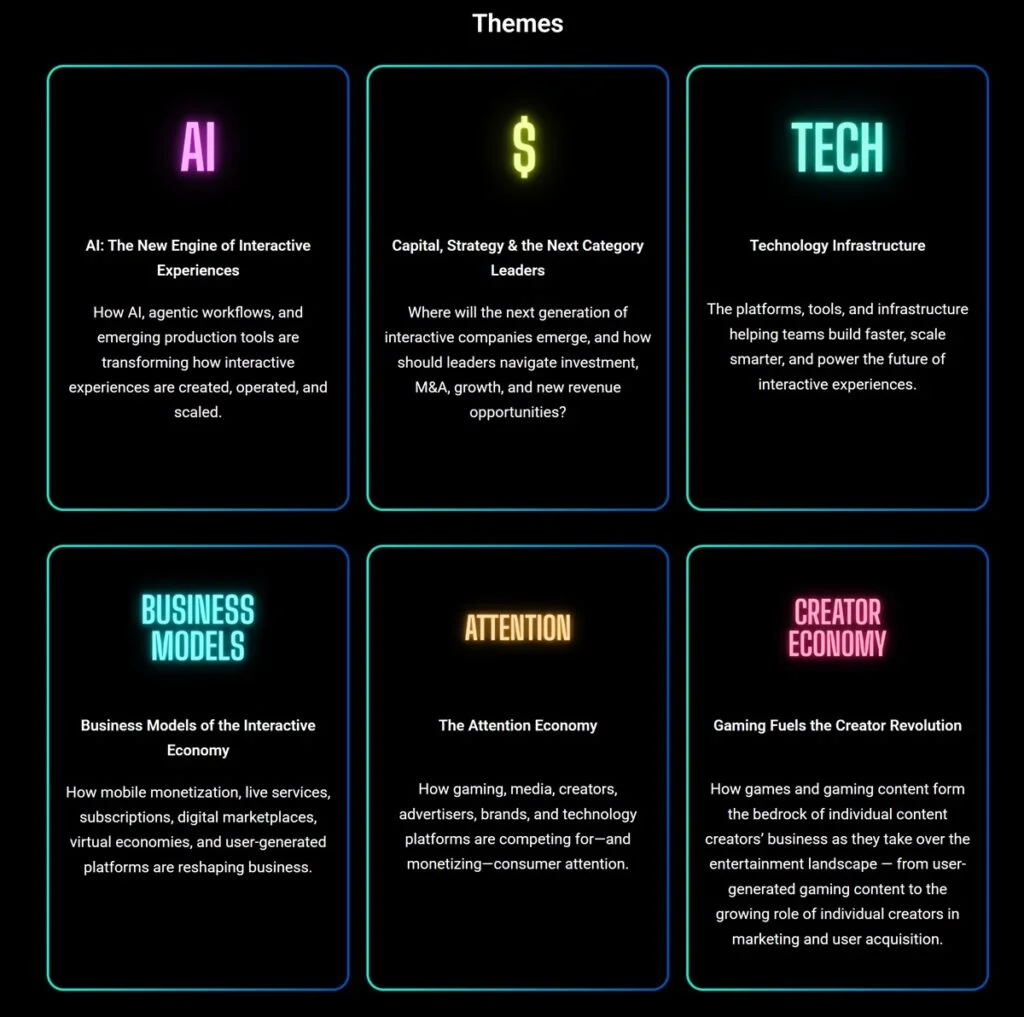
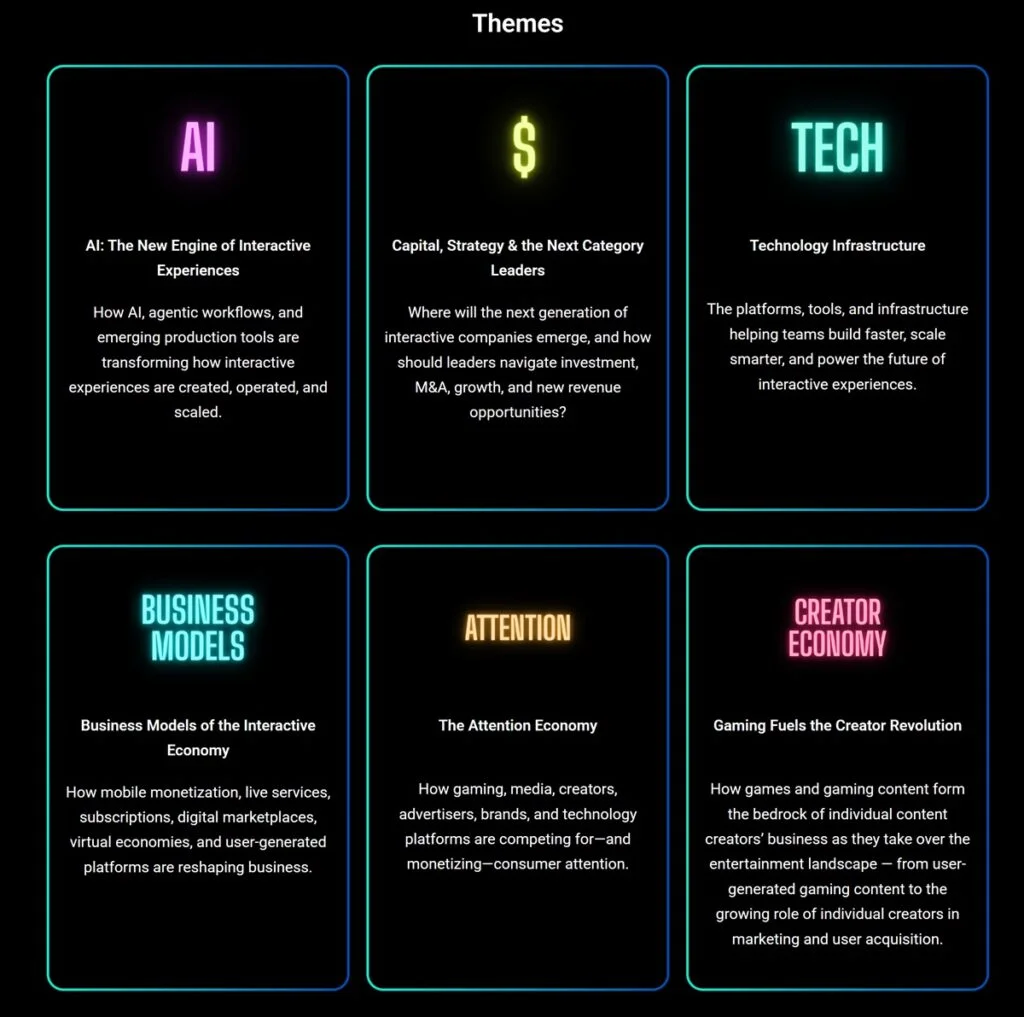
GamesBeat Next 2026 themes. Source: GamesBeat
The agenda spans AI and other technologies, finance, business models, the attention economy and the creator revolution. A 29-person GamesBeat event advisory board helped shape the program. Across 49 sessions and 119 speakers, the goal is to give attendees useful ways to think about where the industry goes next.
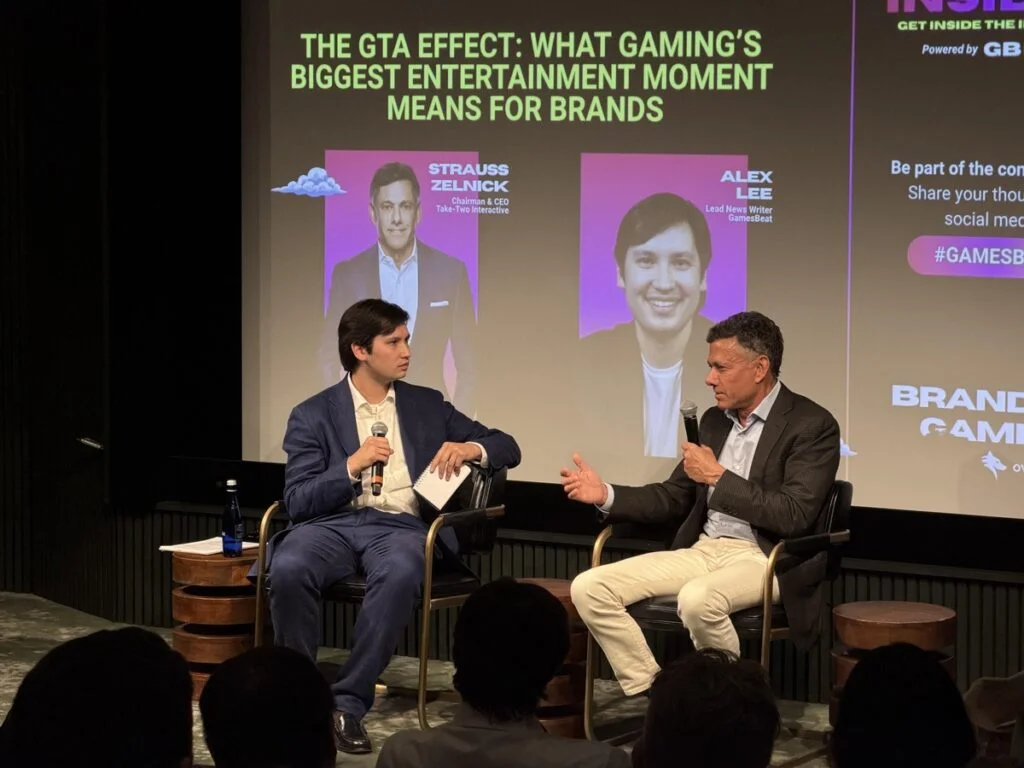
That includes a look at the looming GTA VI launch. At our first New York event last month, Alex Lee spoke with Take-Two CEO Strauss Zelnick about the release. GamesBeat Next will widen the lens: the obvious question is how one blockbuster performs, but the larger question is what the industry can learn from the attention it commands.
Day one: November 2
GamesBeat Next is coming Nov. 2-3. Source: GamesBeat
Doors open from 10 a.m. to 1 p.m. for networking on the fifth floor of Convene. The formal program starts at 1 p.m. in Pacific Hall with an emcee welcome, followed at 1:10 p.m. by opening remarks from GamesBeat cofounders Gina Joseph and Dean Takahashi.
1:30–2:30 p.m. | Game Legends: Remembering the past and predicting our future
Pacific Hall
Shawn Layden, Peter Moore and Doug Bowser have led major companies across the games business. Moore’s career includes Microsoft, Sega, Electronic Arts and Unity; Layden was chairman of PlayStation Worldwide Studios, and Bowser was president and COO of Nintendo of America. The panel will revisit the friendly competition among platform holders and consider what their experience says about the industry’s future. Its inspiration is a panel from E3 25 years ago, where leaders from Sony, Microsoft and Nintendo traded stories. Dean Takahashi, GamesBeat editorial director, moderates.
Shawn Layden, former chairman of PlayStation Worldwide Studios
Peter Moore, executive, formerly of Unity, Microsoft, EA and Sega
Doug Bowser, former president and COO of Nintendo of America; current independent board member of Hasbro
Moderator: Dean Takahashi, editorial director, GamesBeat
2–2:30 p.m. | Gamedevmap: Big Industry, Small World
Roundtable, Landmark Library
Gamedevmap began as a personal project and grew into a resource connecting game developers around the world. Founder Gaurav Mathur and Zynga engineering manager Chitvan Gupta will discuss its origins, its value to the industry and what the project might become 25 years after its 2005 launch.
Gaurav Mathur, founder of Gamedevmap
Chitvan Gupta, engineering manager at Zynga
2:30–3 p.m. | Fandom Is Always On — Brands Need to Be Too
Panel, Pacific Hall
Andrea Hopelain is SVP of marketing at Electronic Arts. Source: EA
Games give fans more to do than watch. They can compete, create, connect and return to communities built around franchises such as Apex Legends and Battlefield. Electronic Arts marketing chief Andrea Hopelain will examine how brands can stay relevant as audiences move from passive consumption to active participation, including through gameplay, creators, live services and community experiences. Alex Lee, GamesBeat lead news writer, moderates.
Andrea Hopelain, senior vice president of marketing, Electronic Arts
Moderator: Alex Lee, lead news writer, GamesBeat
2:30–3:30 p.m. | World-building Beyond Gameplay: From Screen to Space
Roundtable, Landmark Library
Territory worked on 007 First Light’s opening. Source: Territory
Game worlds now reach audiences through more than gameplay: cinematics, VR, social platforms, live events and public spaces all extend a franchise’s reach. Territory Studio creative director Marti Romances will discuss how to carry a consistent visual and narrative language across those formats, drawing on work including 007 First Light, Call of Duty: Black Ops 7 and Batman: Arkham Shadow. The discussion also touches on activations such as Fortnite x Kai Cenat at the Las Vegas Sphere and Chromebook x Cyberpunk 2077 in Times Square. The guiding question: how do you make an experience audiences want to stay in?
Gaurav Mathur, founder of GameDevMap, and a second participant listed as TBD.
3–3:30 p.m. | Shadow publishing: why studios now own the sale before a publisher will
Some publishers want proof of six-figure wishlists and player traction before considering a game. That can leave studios doing part of the publishing work themselves: selling directly, managing storefront distribution and emerging markets, building revenue they control, and gathering performance data to support a future deal—or to complement one. This panel looks at the commercial work that starts after a player decides to buy, including web stores, direct sales and the data studios need to demonstrate demand.
Liam Wiltshire, general manager, Tebex
Adam Orth, COO, Midwest Games
Moderator: Christopher Anjos, director of product and strategy, PUBLSH
3:30–4 p.m. | AI-native game development: Gameplay concepts that can only be made with AI
Panel followed by a roundtable, Pacific Hall
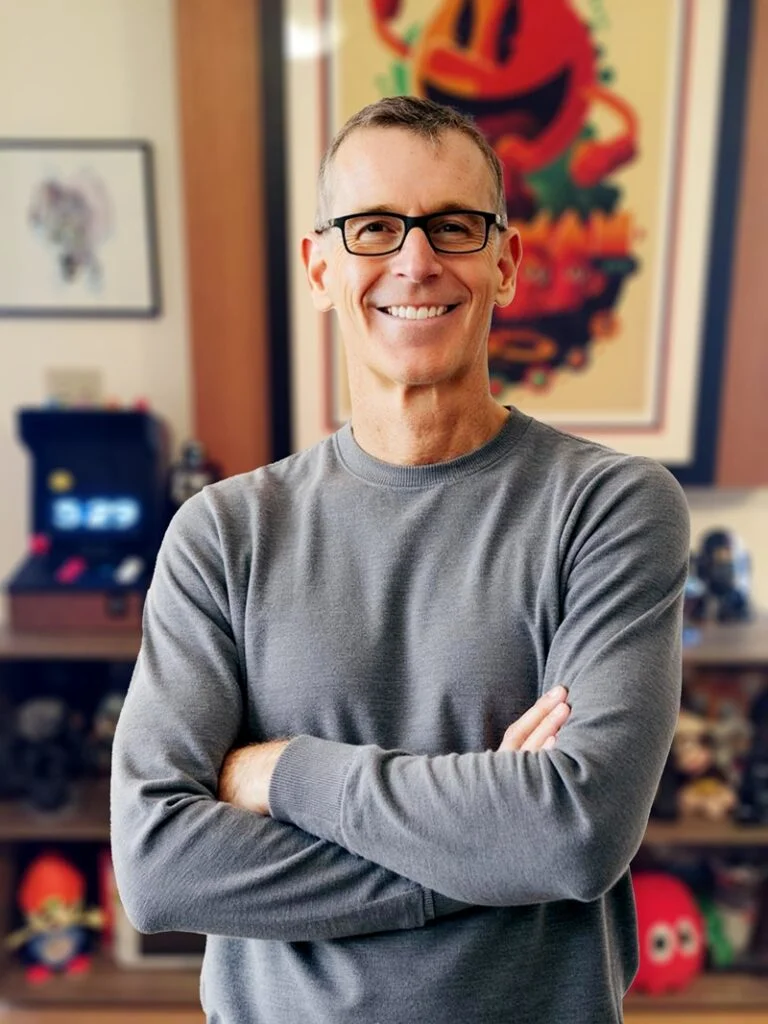
Jon Snoddy is CEO of Operative Games. He previously worked at Lucasfilm and was head of R&D for Walt Disney Imagineering.
AI-controlled characters might respond to player intent, improvise and adapt when a plan breaks down. The hard part is making that behavior work inside a game, where players interrupt, the world changes and responses need to be fast. This session brings technologists and studio leaders together to weigh the creative possibilities against practical constraints such as production demands, inference costs, scale and developer control. It asks which agentic experiences are worth building—and where they can create lasting value for players and studios.
Brian Tanner, CEO, Artificial Agency
Piero Molino, CEO, Studio Atelico
Jon Snoddy, CEO, Operative Games
Moderator: Jamil Moledina, venture partner, Principal Venture Partners
4–4:30 p.m. | Fun or Addictive? Addressing warranted concerns while avoiding moral panics around video games
Solo session, Pacific Hall
Games use psychological and physical pressure to hold attention; some business models also push for retention and spending. Celia Hodent, a game user experience strategist and author of The Gamer’s Brain, will examine where engagement crosses ethical lines. Her talk aims to separate evidence-based concerns from moral panics and pseudoscientific claims, then consider an ethical framework grounded in cognitive science and human factors psychology. The case for better practice, she argues, can include both player welfare and the long-term health of studios and publishers.
Celia Hodent, game user experience strategist; author of The Gamer’s Brain
4–5 p.m. | AI in Games Deep Dive Roundtable
Landmark Library
Artificial Agency will continue the AI discussion in a closed-door session for game executives and decision-makers. The company plans to review trends at major studios and publishers, show how teams are bringing agents into production and present demos running in game environments. Attendees can compare notes on what’s working, what’s blocking adoption, the cost of running agents and which tasks might run on-device or in the cloud.
Brian Tanner, cofounder, Artificial Agency
Greg Canessa, COO, Artificial Agency
4:30–5 p.m. | Where your D2C margin actually goes
Panel, Pacific Hall
Selling directly to players promises studios a larger share of each transaction, but the headline fee doesn’t tell the whole story. This panel will look at the real costs of direct-to-consumer sales, alternative routes for mobile games and how D2C fits alongside platform stores in a longer-term revenue plan. It will also consider why leaders need all-in rates to understand what direct sales actually contribute from the start.
Tadhg Kelly, gaming consultant
Dmitry Kachmar, founder, Playgama
Liam Wiltshire, general manager, Tebex
Moderator: Alex Lee, lead news writer, GamesBeat
5–5:30 p.m. | Mobile Mogul Awards and State of Mobile Games panel
Pacific Hall
The first Mobile Mogul Awards winners will be announced, followed by a conversation with judges about the honorees and the wider opportunities and challenges in mobile games. Kenny Rosenblatt, CEO of Arkadium, will introduce the reception.
Nick Earl, board member at multiple companies; former CEO of Glu Mobile
Steven Chiang, president, Fortis Games
One participant: TBD
Moderator: Rachel Kaser, GamesBeat writer
5:30–6:30 p.m. | GamesBeat Next day one reception
Pacific Gallery
Day two: November 3
GamesBeat Next is coming Nov. 2-3. Source: GamesBeat
Attendee check-in starts at 7:30 a.m. on Convene’s fifth floor. The main reception area opens at 8 a.m. for the Boss Mode breakfast.
9–9:50 a.m. | Boss Mode panel: Leading with Impact — Women in Gaming and Tech: driving business in the interactive economy
Pacific Hall
Women leaders working across AI, mobile, games, technology and the broader digital economy will discuss where growth is emerging and how to turn new platforms and ideas into measurable business results. The panel will also consider how brands are showing up across games and other emerging platforms, and the role women leaders play in shaping what comes next.
Anne Shoemaker, CEO, Fullflower Studio
Kimberly Pointer Corbett, founder, UltraLayer
Karin Johnson, Magic Potion Games
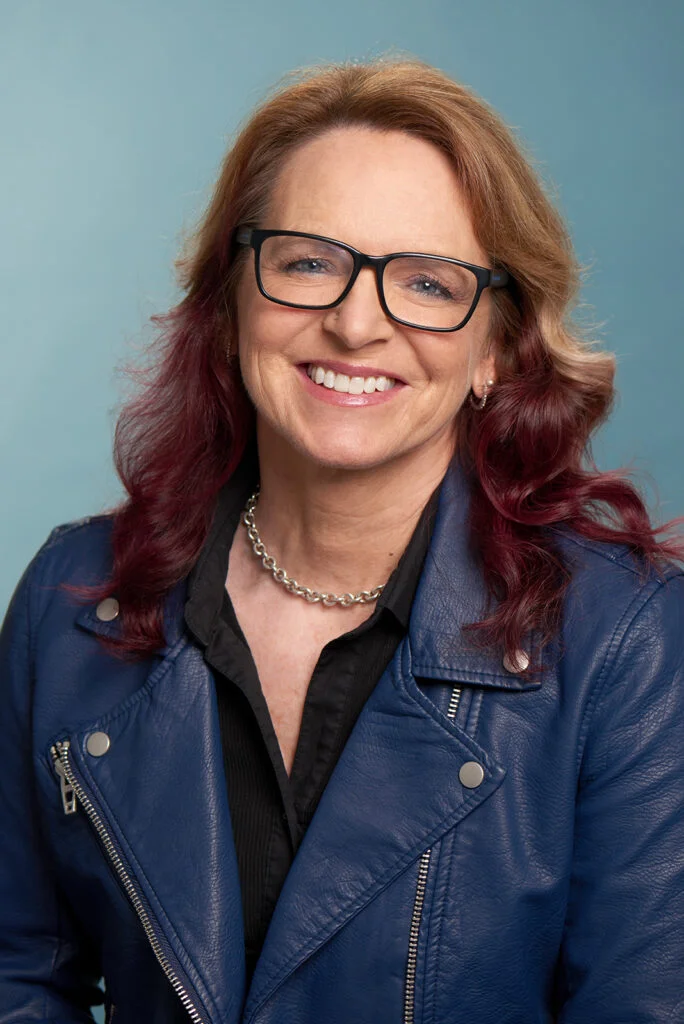
Hilary Mason, CEO, Hidden Door
Moderator: Rachel Kaser, news writer, GamesBeat
9:50–9:55 a.m. | Emcee introduction
Pacific Hall
10 a.m. | Day two introduction
Alex Lee, GamesBeat lead news writer
The agenda lists this solo introduction as running from 10 a.m. to 9:55 a.m.
10–10:30 a.m. | Seeing the optimism and opportunities in games in spite of years of layoffs
Panel, Pacific Hall
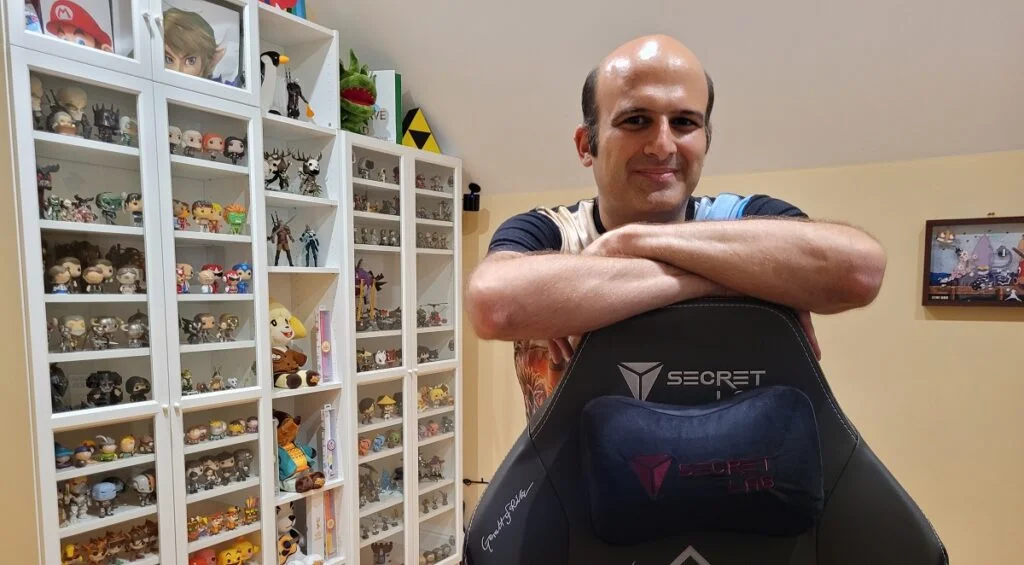
Amir Satvat has created a LinkedIn resource that has helped thousands of people find game jobs.
Amir Satvat and Ed Fries draw on different careers and data sources, yet both see room for games to grow despite years of layoffs and studio closures. Now general partners at 1Up Ventures, they’ll discuss where opportunity remains and how games can compete for attention. Dean Takahashi, GamesBeat editorial director, moderates.
Amir Satvat, general partner, 1Up Ventures
Ed Fries, general partner, 1Up Ventures
Moderator: Dean Takahashi, editorial director, GamesBeat
10:30–11 a.m. | AI & The Next Era of Gaming
Fireside chat
AI, investment and the changing business of games
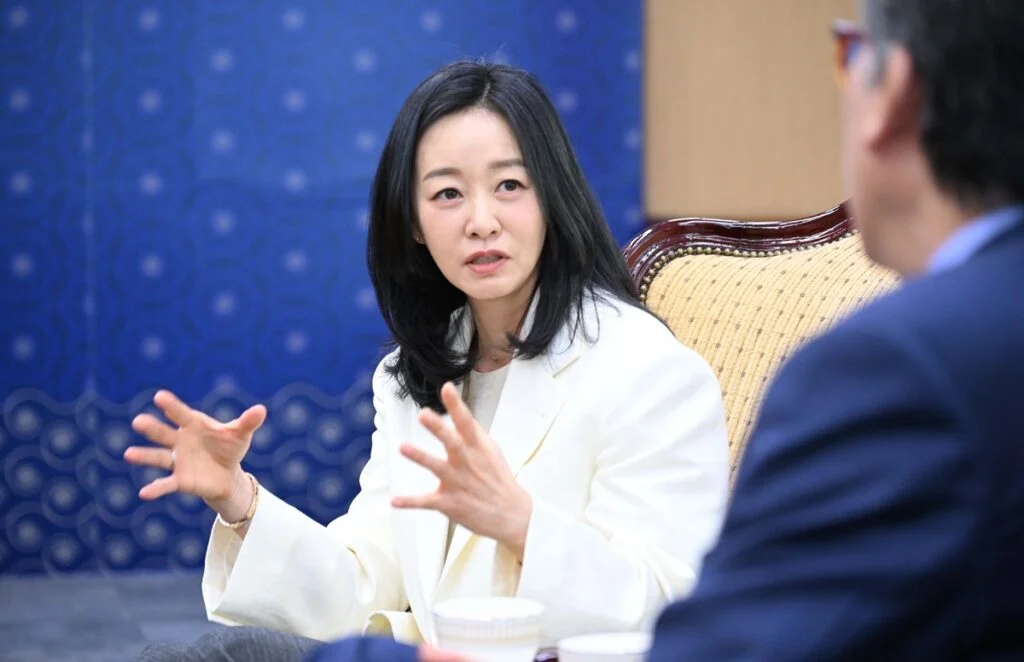
Songyee Yoon, former president of NCSoft, is founder of Principal Venture Partners (PVP). Source: PVP
The AI boom is changing how investors judge game companies, but every startup now seems to have an AI pitch. That makes Songyee Yoon’s perspective especially useful: she has seen the industry from inside a major publisher and now evaluates early-stage companies. In a fireside chat with GamesBeat Editorial Director Dean Takahashi, the founding partner of Principal Venture Partners will discuss how gaming and AI have changed, what she looks for in potential investments, and where she sees opportunity.
Songyee Yoon, Founding Partner, Principal Venture Partners
MODERATOR: Dean Takahashi, Editorial Director, GamesBeat
At 11 a.m. in Pacific Hall, Arkadium CEO and co-founder Kenny Rosenblatt will turn games into a test bed for measuring AI progress toward superintelligence or AGI. The session promises benchmarks comparing ChatGPT, Claude, Gemini and Grok across different kinds of intelligence, followed by a digital tournament. The comparisons may offer a more concrete way to discuss model capabilities, though the session description doesn’t specify which benchmarks will be used.
Kenny Rosenblatt, Arkadium CEO. Source: Arkadium
Kenny Rosenblatt, CEO & Co-founder, Arkadium
MODERATOR: Dean Takahashi, Editorial Director, GamesBeat
The adjacent Vista Studio West session takes a more workaday view. “Practical AI” brings together people applying the technology to daily business: Daniel Usedom of ThinkingAI will discuss AI that autonomously improves retention and revenue; Network Next CEO Glenn Fiedler will make the case for game programmers to defend against cyber threats enabled by AI foundation models; and Ramen CEO Andy Tsen will discuss the company’s agentic AI tools for game development.
Daniel Usedom, Founding GTM, US, ThinkingAI
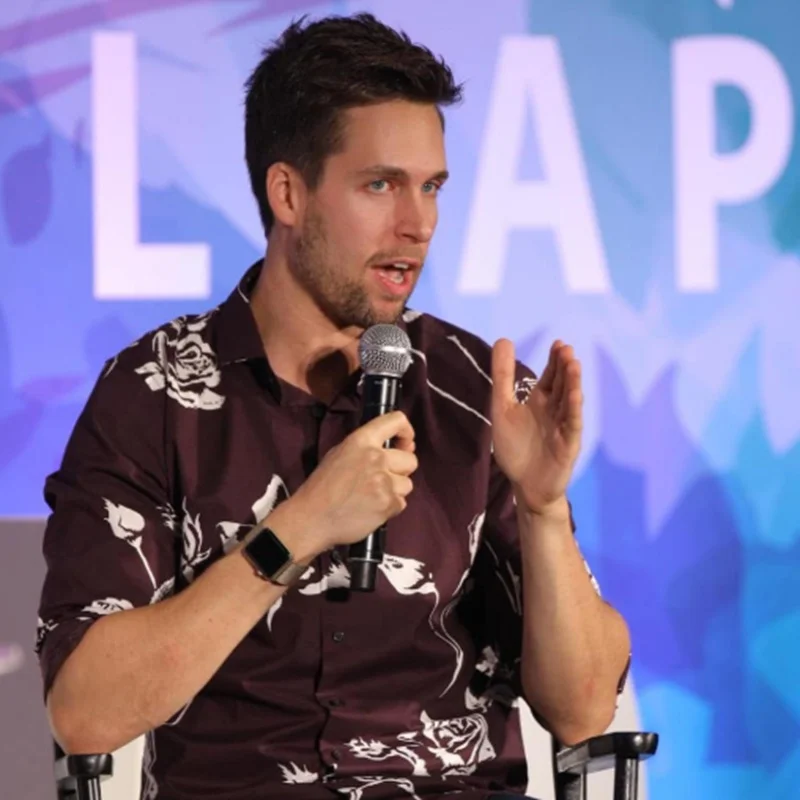
Glenn Fiedler, CEO, Network Next
Andy Tsen, CEO, Ramen
MODERATOR: Yoshio Osaki, President, IDG Intelligence
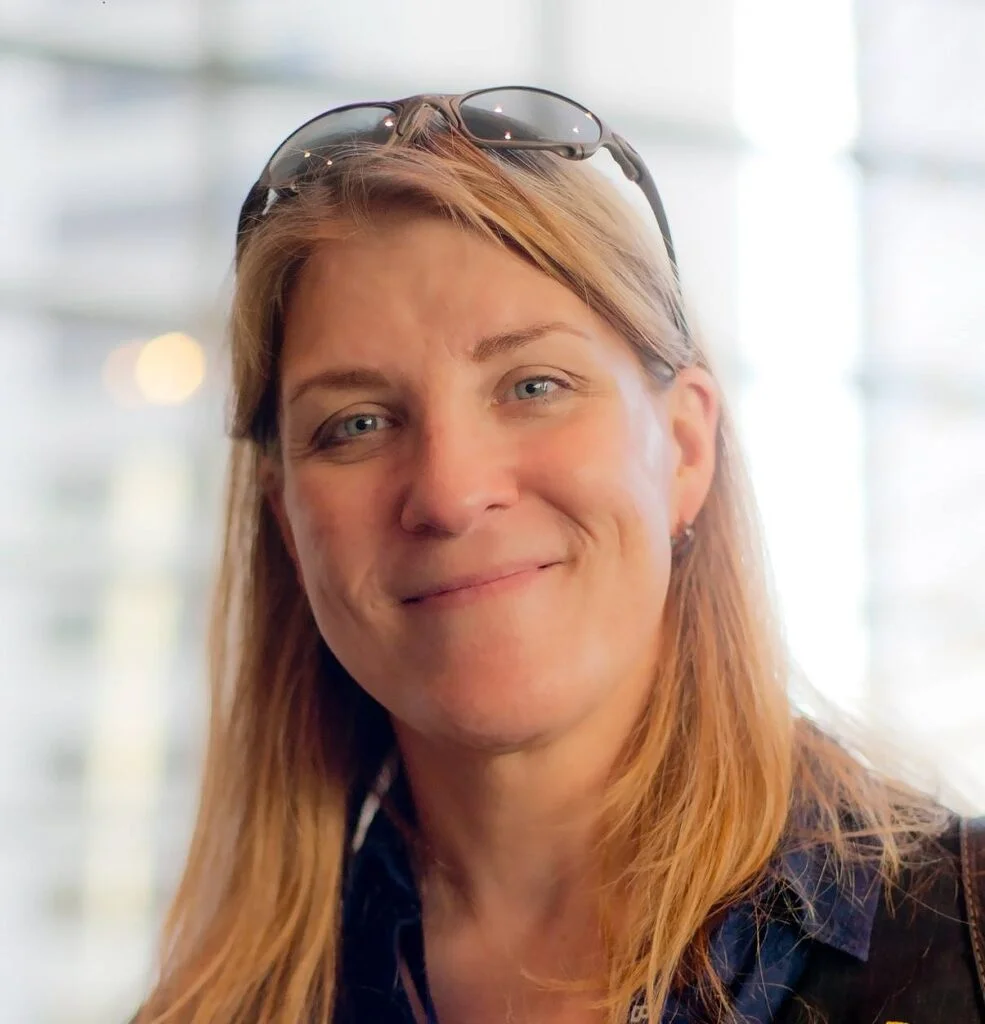
At 11 a.m. in Vista Studio East, Geogrify CEO Kate Edwards will ask what games made with generative AI say about the people who create them. Games reflect their makers’ values, assumptions and experiences; as AI takes on more of the creative work, questions of authorship, intent and cultural authenticity become harder to sidestep. Edwards’s solo session, “Evidence of Us: Games, Culture, and Generative AI,” asks what we want the games we leave behind to tell future audiences about us.
Kate Edwards is founder and CEO of Geogrify.
Kate Edwards, CEO, Geogrify
Who gets to publish, and how?
The traditional publishing bargain is losing its grip. At 10:30 a.m. in Vista Studio East, “The New Launch Playbook” looks at the range of options available to teams without blockbuster budgets: self-publishing, conventional publishing, and the growing space between them. The old model—find a publisher with the money, infrastructure and distribution, or shoulder the whole job yourself—doesn’t describe how many games reach players in 2026. Studios can now draw on specialist partners, fractional expertise, creator programs, community building, targeted communications and modular marketing. The harder question is which work a studio should keep in-house and which outside help will actually build an audience.
Greg Off and Chris Kramer will lead an interactive discussion based on their work in strategic communications, creator partnerships, influencer programs and launches spanning indie to AAA. The useful test is whether a campaign builds momentum before launch and sustains it afterward, rather than simply generating activity.
Greg Off of Off Base Productions. Source: Off Base
Greg Off, CEO, Off Base
Chris Kramer, VP of PR & Influencer Relations, Off Base
A 10:30 a.m. panel in Vista Studio West, “Surviving an Extinction Level Event,” makes the case that smaller studios may be better equipped to adapt to a strained publishing model. Double-A and indie teams can borrow lessons from triple-A production and apply them to today’s publishing needs, the session argues. Its premise is blunt: development and marketing have to change with what players want, and large publishers may be less nimble than smaller competitors.
Chris Stone, Studio General Manager, VOID Interactive
Oliver Bulloss, CEO, Playamp at MTG
TJ Consunji, Co-founder, Miniboss
MODERATOR: Yoshio Osaki, President, IDG Intelligence
That shift from large publishers to specialist support is also the focus of the 12 p.m. Vista Studio East panel, “The Flexible Publishing Playbook.” Adam Krause, Mart Gervacio and Shelby Cox have built careers inside AAA publishing and now offer expertise directly to developers and smaller publishers competing for attention. Their discussion will examine flexible publishing services as an alternative to an all-or-nothing deal.
Sarah Anderson, adviser for Miniboss Solutions (and GamesBeat events).
Adam Krause, Founder & Managing Partner, Miniboss Solutions
Mart Gervacio, Tadhana Interactive – release management
Shelby Cox, founder & principal, Platform Edge Advisory
MODERATOR: Sarah Anderson, Marketing Executive and Advisor
The same pressure is reshaping studio leadership. At 11 a.m. in Vista Studio East, “Triple-A to Indie: Lessons Learned” brings together three former leaders of teams numbering in the hundreds or thousands who now run companies with fewer than 30 employees. Studio closures and cancelled projects have pushed senior AAA talent into founding roles over the past three years. Rob Davis, Katie Golden and Tim Morten will discuss the changed budget math, financing conversations, the small-core-team-and-external-partners model taking shape in 2026, and the challenge of selling investors on a company as well as a game.
Darion Lowenstein.
Rob Davis, Co-Founder, Big Sky Creative
Katie Golden, Co-founder & CEO, New Pantheon Studios
Tim Morten, Co-founder & CEO, Frost Giant Studios
MODERATOR: Darion Lowenstein, CEO & Founder, Secret Code
Finding players and earning their trust
A game’s launch is only part of the fight; discovery and sustained interest are becoming their own business problems. At noon in Pacific Hall, Fandom CEO Jay Sullivan and Creativ CEO Wes Morton will try to define what fandom means in 2026, how companies can spot where fans gather, and how to keep those communities engaged. The conversation will compare gaming fandom with other forms and consider how studios and publishers use fan platforms to keep games visible as discovery and retention get harder.
Jay Sullivan became CEO of Fandom in February 2026. Source: Fandom
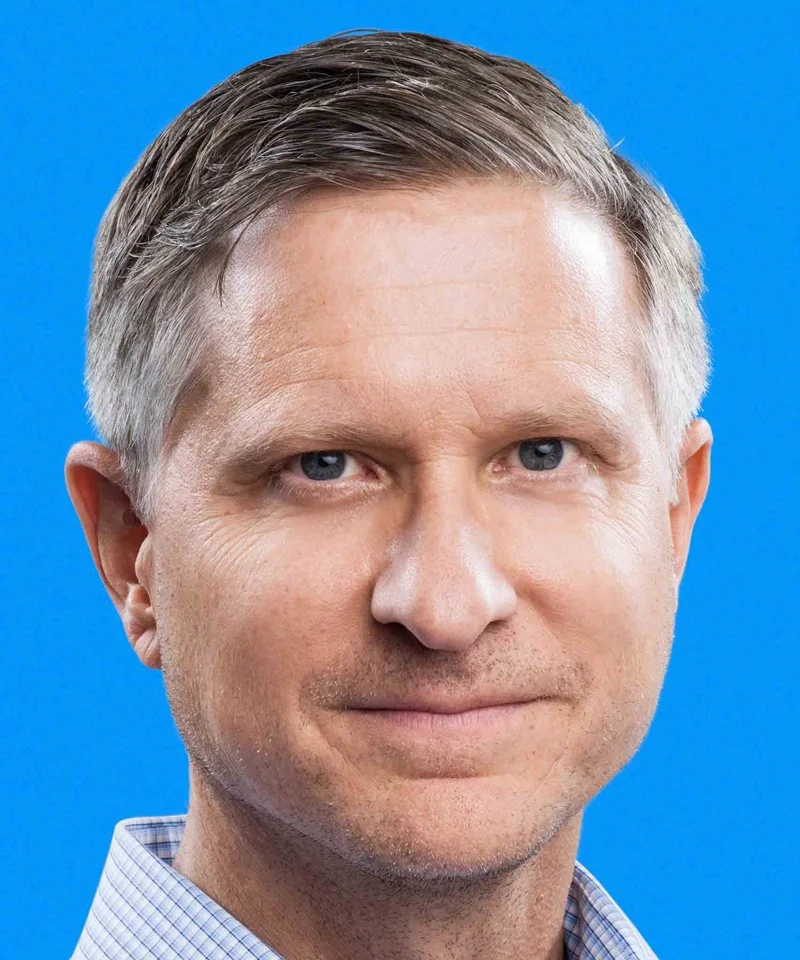
Jay Sullivan, CEO, Fandom
Wes Morton, CEO, Creativ
David Alpert, CEO of Skybound (pending)
MODERATOR: Rachel Kaser, GamesBeat writer
Direct-to-consumer sales are another potential route to players—and revenue. New regulations and court rulings are opening mobile D2C channels, raising the question of how much revenue game companies can capture through direct relationships with players. A 11:30 a.m. Vista Studio East panel will take up that question with Aghanim CRO Conor McLaughlin and Playamp at MTG CEO Oliver Bulloss, moderated by Dean Takahashi.
Conor McLaughlin, CRO, Aghanim
Oliver Bulloss, CEO of Playamp at MTG
MODERATOR: Dean Takahashi, Editorial Director, GamesBeat
The family market demands a different kind of trust. At 11:30 a.m. in Pacific Hall, Nex President Tom Kang will argue that the next major gaming audience is families, where growth depends on co-play, movement, trusted experiences and content that travels across cultures. Safety, privacy and age-appropriate design, the session argues, have to shape the product and brand—not sit off to the side as compliance tasks. Sports can bring more of the household into play: NFL Flag Heroes is presented as an example of extending beyond young children to teens and parents, with more sports Heroes titles planned.
Expanding a family platform across the U.S., UK, Germany, Japan and Korea also takes more than translation. It requires local IP, partners, culturally relevant content, business models, and approaches to trust and safety that fit each market.
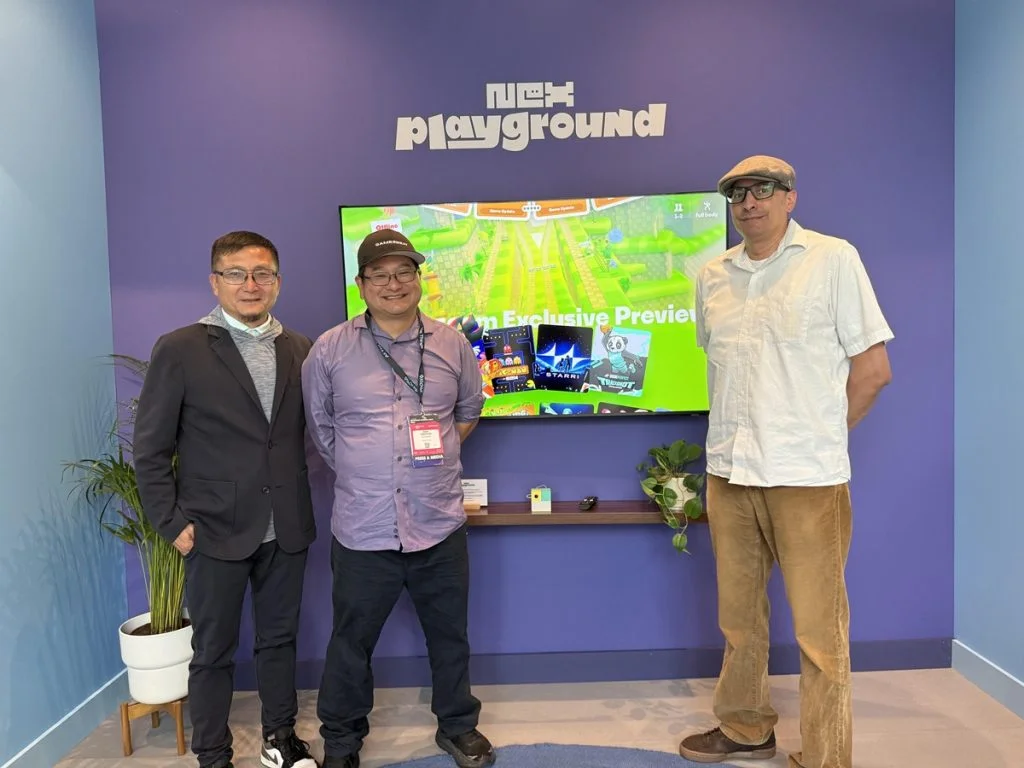
Left to right: Nex’s Tom Kang, Dean Takahashi and Nex’s Stephen Saiz. Source: GamesBeat/Dean Takahashi
Tom Kang, President, Nex
MODERATOR: Amy Jo Kim, founder of Game Thinking
Trust is also the focus of an 11:30 a.m. Landmark Library roundtable on player security. The threat has grown from individual cheaters seeking an advantage into organized cybercrime involving malware, stolen credentials and “cheating-as-a-service.” Electronic Arts CISO Mike Reavey and VP of Game and Player Security Elise Murphy will explain how EA is treating anti-cheat as a proactive, layered cybersecurity discipline, drawing on its proprietary EA Javelin Anticheat system.
The discussion will address the trade-offs involved in tools such as kernel-level security, alongside commitments to player privacy and transparency. EA’s position is that security underpins fairness, trust and long-term engagement; the session will make the case for how a player-first approach can disrupt cybercrime and protect large gaming communities.
Mike Reavey, CISO and SVP, Security Engineering at EA
Elise Murphy, VP, Game and Player Security at EA
New audiences, new rules
The creator economy has grown faster than the legal frameworks around it. At noon in Vista Studio West, a panel on “The Legalities of the Creator Economy” will trace how entertainment law developed, including the history of the Talent Agency Act, then consider how those rules apply to creator marketing in games and beyond. The session will examine the industry’s past and what needs to change as creator talent becomes more central to marketing.
Andy Lunique
MODERATOR: Yoshio Osaki, president of IDG Intelligence
Andy Lunique, triple A creator expert
Alex Owen, general counsel, Leviathan Core
George DePree, CEO, Leviathan Core
Dan Rogers, senior partner, Premack Rogers Downs
Africa’s potential as a game market is hard to miss: it has the world’s youngest population and one of its fastest-growing mobile markets, and by 2030, 42% of the world’s youth will be African. Affordable smartphones, expanding mobile internet and mobile money—which leapfrogged traditional banking—provide a foundation, alongside a growing community of developers and creators. Yet African stories, myths and creative voices remain largely absent from the games played around the world. A 10:30 a.m. Landmark Library roundtable, “Africa: Gaming’s Final Frontier: A billion stories, zero sequels,” will bring together people building studios and businesses on the ground to discuss what it will take to turn local talent and IP into globally successful games.
Leo Olebe, venture partner at Griffin Gaming Partners
Joseph Wilson, CEO of Big Kitten
MODERATOR: Lisa Hanson, president of Niko Partners
A 12:30 p.m. Landmark Library session is listed as “GB MAX Private Editorial Roundtable: What’s Next for the $200B Interactive Economy?” No additional session description or speakers are provided.
Alex Lee of GamesBeat interviews Strauss Zelnick at GamesBeat Insider in New York. Source: Danielle Takahashi/GamesBeat
The schedule also lists a 1 p.m. debate in Pacific Hall titled “AI in gaming intellectual debate,” without further details.
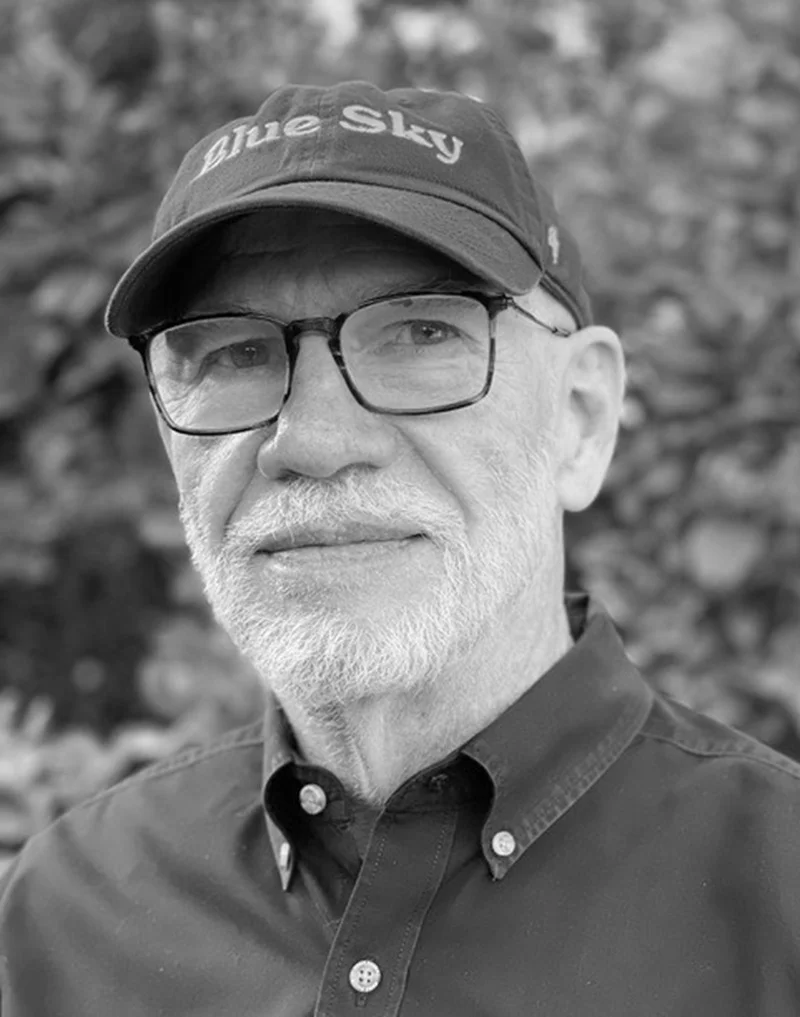
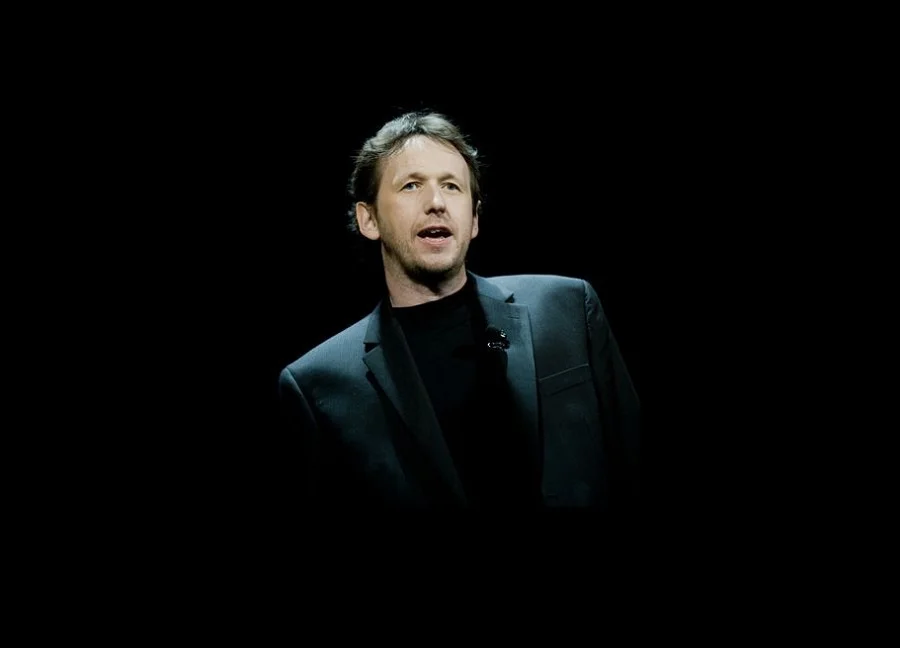
**Other listed sessions:** The 10:30–11:30 a.m. Landmark Library roundtable features Songyee Yoon and Dean Takahashi. The 10:30–11 a.m. sessions are “Africa: Gaming’s Final Frontier” in Landmark Library, “Surviving an Extinction Level Event” in Vista Studio West, and “The New Launch Playbook” in Vista Studio East. At 11–11:30 a.m., “Using games as evaluation tools for AI” is in Pacific Hall, “Evidence of Us” is in Vista Studio West, and “Triple-A to Indie: Lessons Learned” is in Vista Studio East. The 11:30 a.m.–12 p.m. slots are “The Next Billion Gamers Are Families” in Pacific Hall, the security roundtable in Landmark Library, “Practical AI” in Vista Studio West, and “D2C” in Vista Studio East. From noon to 12:30 p.m., “The New Discovery Funnel” is in Pacific Hall, creator economy law in Vista Studio West, and flexible publishing in Vista Studio East. Lunch runs 12:30–1:30 p.m. in the main reception area; the GB MAX roundtable is scheduled at the same time in Landmark Library.Rod Humble is CEO of Megastructure
AI’s next test is creative authorship
AI in games is moving past the easy pitch: faster workflows and cheaper production. The harder questions are about who shapes a game’s ideas, how its mechanics change, and what happens to the relationship between developers, players, and machines. Those are the questions long-time design executive Rod Humble and AI specialist Dr. Luke Dicken will take up, with gaming consultant Tadhg Kelly moderating. Dicken was formerly head of AI at Take-Two Interactive; Humble is CEO of Megastructure.
At 1:30 p.m., Pacific Hall hosts their half-hour fireside chat. The shift from efficiency to authorship is more significant than it looks: tools can save time, but they can also change what teams consider possible—and who gets to make those choices.
Access may matter more than another platform
Players Don’t Need Another Gaming PlatformJeff Gettis is head of games at Amazon. Source: GamesBeat/Dean Takahashi
Amazon’s Jeff Gattis is set to discuss how games fit into the company’s broader entertainment ecosystem, nearly a year after Amazon unified its games organization and reconsidered its strategy. The company’s move to bring games to Prime Video points toward a bet on easier access and new audiences. Whether that bet pays off is another question.
The 1:30 p.m. fireside chat in Pacific Hall will cover streaming’s potential to lower the barriers to discovery, whether the next major platform has to be a console, and how entertainment properties might connect games with film, television, and fandom. Gattis, Amazon’s head of gaming, will also address AI’s role in new ways to play and how streaming could complement the existing games ecosystem. GamesBeat lead news writer Alexander Lee moderates.
At the same time, the Landmark Library hosts a roundtable on community, company culture, leadership, and emerging talent. The stated aim is to consider what meaningful community and authentic leadership look like in the next era.
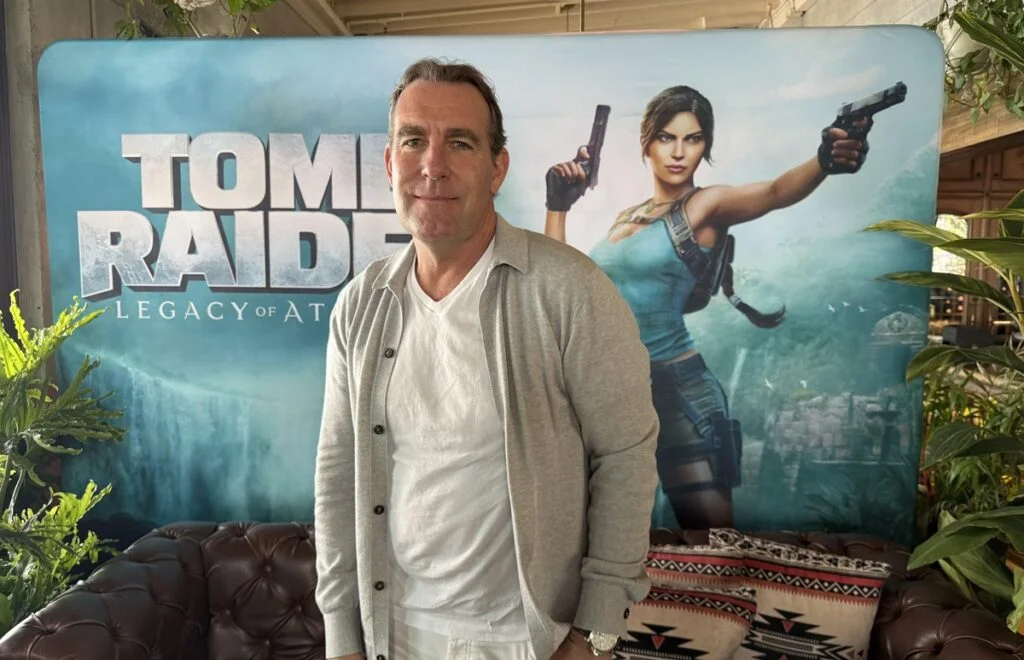
Arin Goldsmith of Blizzard Entertainment. Source: Blizzard
The 1:30 p.m. roundtable features Arin Goldsmith, employer brand lead at Blizzard Entertainment; Godavari Hughes, founder and community builder at Glitched: Women in Game Dev; and Destinee Cleveland, executive director of Dames 4 Games. Amir Satvat, general partner at 1Up Ventures, moderates.
Studios are rethinking how games get made
The Production Pivot: Rebuilding How We Build GamesRich Vogel is a veteran game developer.
At 1:30 p.m. in Vista Studio West, veteran developer Rich Vogel joins Richard Browne, director of Blue Moon Production Company, and Jen Maclean, CEO of Dragon Snacks Games, to examine production under tighter funding, shrinking budgets, and leaner teams. Tim Morten, co-founder and CEO of Frost Giant Studios, moderates.
AI may let small teams take on more, but that alone doesn’t make a production model sustainable. The panel will look at team structure, project scope, funding, outsourcing, and technology in search of workable approaches.
Meanwhile, Vista Studio East hosts a discussion of competitive gaming as part of a game’s ongoing life. The session argues that live competition now shapes content plans, player engagement, communities, and franchise strategy, particularly as publishers invest in live service games. BLAST’s experience running global competitive ecosystems for major franchises will inform the conversation.
At 1:30 p.m., BLAST chief business officer Leo Matlock, Ubisoft’s associate director of NA esports James Shilkret, and Razer’s Nicholas Phan will join GamesBeat news writer Rachel Kaser, the moderator.
Daily games and advertising need their own rules
Building the playbook for daily casual game developmentJonathan Knight is chief gaming officer at the New York Times.
Daily casual games are a primary way many people engage with games in 2026, yet the format still lacks a standard development playbook. The approaches differ: The New York Times has built expertise in word games, LinkedIn focuses on logic games, and Yahoo works with outside studios. At 2 p.m. in Pacific Hall, executives will compare those models and consider what traditional game developers can learn from the format’s growth.
New York Times chief games officer Jonathan Knight joins LinkedIn head of games Helen Smith. Tina Tran of Mr. Beast moderates.
At the same time, a Vista Studio West fireside chat will tackle advertising in games, with a focus on Xbox Media Solutions. Advertising’s place in games isn’t guaranteed; the experience has to work for players. Microsoft vice president and general manager Jonathan Stringfield will discuss lessons carried from Activision Blizzard’s advertising business into Xbox, and the role of player choice and less disruptive formats in creating value for players, developers, and brands.
The 2 p.m. conversation with GamesBeat lead news writer Alex Lee will also address two persistent obstacles: measurement and discoverability. Stringfield is expected to discuss what might persuade more marketers to invest in games and how Xbox sees its role in that shift.
Leadership under pressure
The Survival Plan: Leading People, Product, and Players through Change
Undead Labs’ transition from a first-party Xbox studio to an independent, employee-owned company in 2026 put Philip Holt’s leadership under an unusually public spotlight. As studio head, he guided a divestiture and management buyout while keeping State of Decay 3 in active development and visible to players, alongside decisions about the studio’s size and structure.
At 2 p.m. in Vista Studio East, Holt will discuss why he chose candor with employees over managed messaging, the choice of Full Measure as the new ownership vehicle’s name, and how shared ownership affects commitment and accountability. He’ll also speak to maintaining a player community and keeping a live campaign on track while the company itself was being rebuilt. Tim Morten, co-founder and CEO of Frost Giant Studios, moderates.
That session promises a practical account of leading people, a product, and players through major change. At 2:30 p.m. in Pacific Hall, the schedule turns to Corsair and its relationship with gaming, content creators, and sim racing in a fireside chat titled Full Throttle: Corsair on Gaming, Content Creators and Sim Racing.







Discussion
Sign in to join the discussion.