A tipster says Vivo is developing a wide foldable for 2027 with a screen under 6.5 inches, while rivals are rumored to target 7.6 inches.
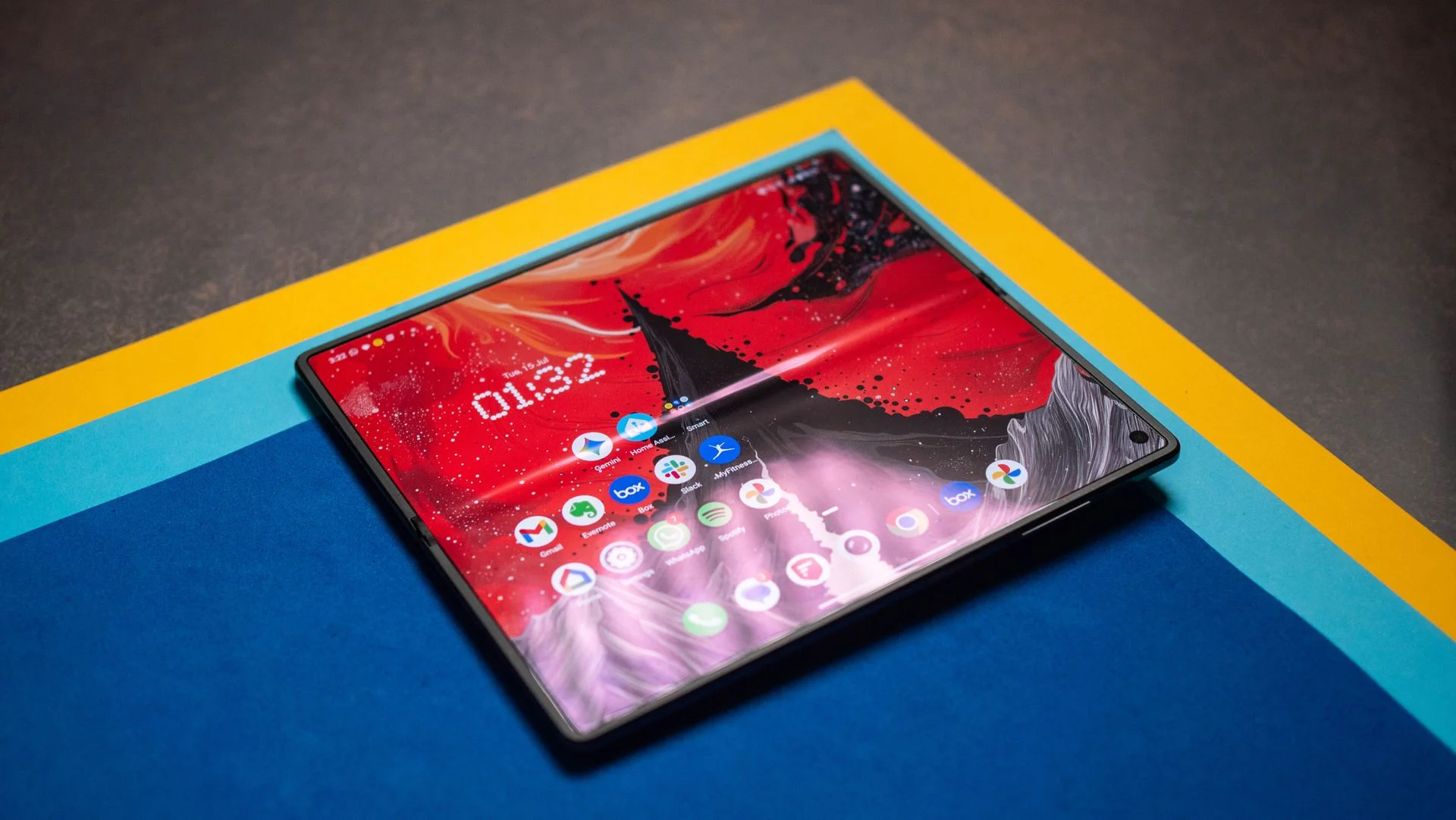
Vivo may be exploring a different kind of wide foldable: one with an inner screen under 6.5 inches. If that rumor holds, the company would be betting that a smaller format, paired with capable hardware, can stand apart as competitors aim for larger displays. The reported size is striking because wide foldables are usually pitched around the extra room their open screens provide. A smaller panel would change that tradeoff, putting portability and easier handling closer to the center of the product’s appeal.
The latest details come from tipster Digital Chat Station, who posted on Weibo that Vivo is still developing a wide foldable, according to GSMArena. DCS says the device could arrive in 2027 and have a screen “under 6.5 inches.” The tipster also told a user that most of the phone’s hardware components have been “finalized.” That wording suggests development has progressed, but it doesn’t confirm a launch schedule or reveal what the final device will include. A component decision can also tell us little about the quality of the finished experience: software, hinge design, battery life and ergonomics all matter once a foldable is in someone’s hands.
A smaller screen would set Vivo apart
The rumored dimensions would put Vivo at odds with the current direction of other wide foldables. Samsung’s Galaxy Z Fold 8 is reported to have a 7.6-inch inner screen, a size also rumored for Apple’s iPhone Duo. Vivo’s alleged sub-6.5-inch panel would make its device notably more compact by comparison. Screen measurements alone don’t establish how wide or comfortable a phone will feel, but the gap points to different priorities: one design can emphasize a tablet-like workspace, while another might try to keep the open phone closer to a conventional handset in the hand.
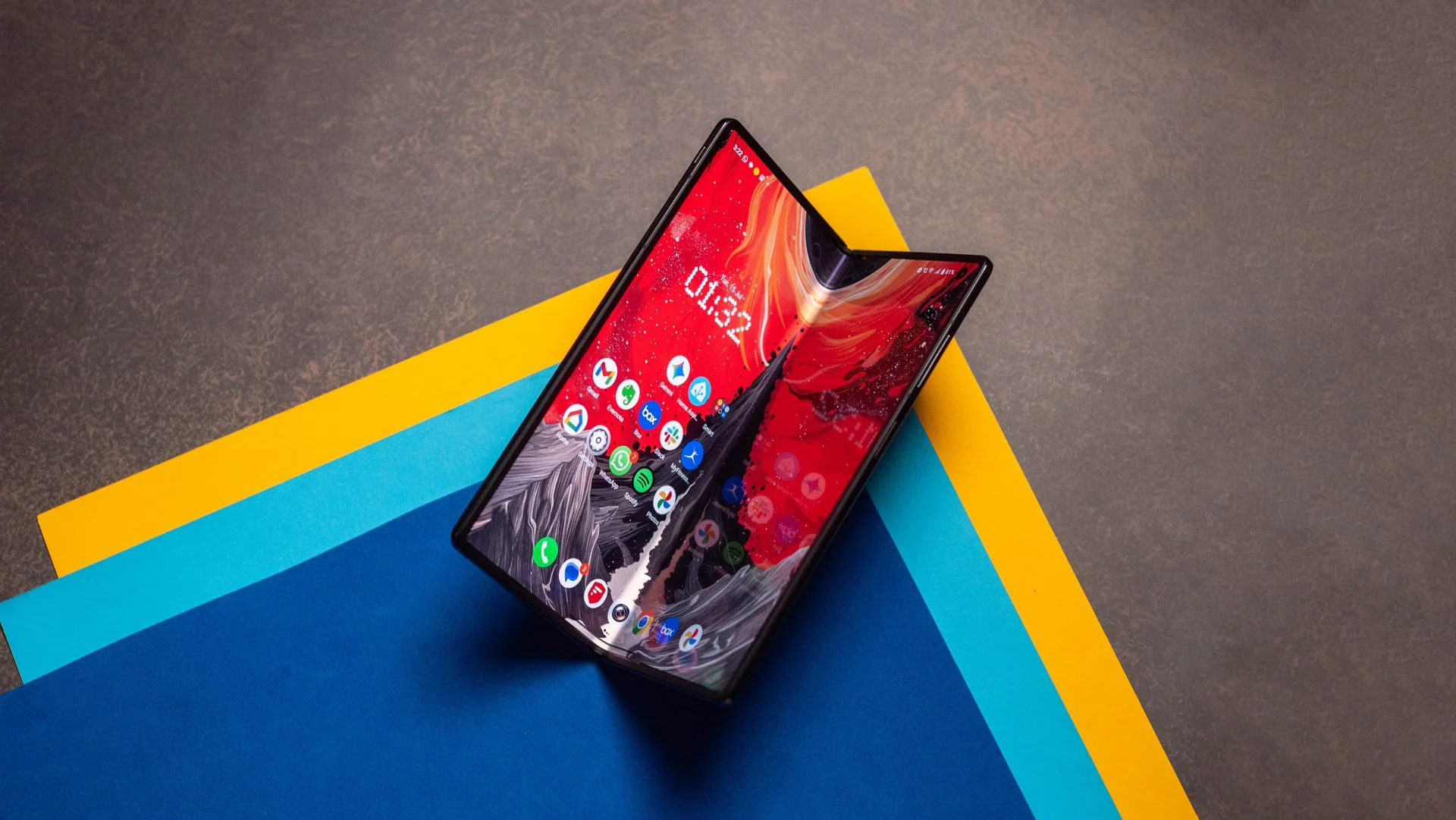
That choice could appeal to people who value a foldable’s portability, though there’s little to judge yet beyond the display rumor. A smaller inner display might make the open device easier to use one-handed or carry, but those benefits depend on the full dimensions and weight, neither of which is known here. Some Weibo users reportedly weren’t put off by the smaller screen, pointing instead to the potential importance of the phone’s specifications and Vivo’s hardware approach. That’s a reasonable response, but specifications won’t settle whether the format works in daily use.
Rivals appear to be aiming bigger
Rumors of wide foldables from Vivo and Honor emerged as Samsung’s format drew attention. Early reports said both companies were working on devices to compete with the South Korean manufacturer. Vivo’s phone was at one point linked to the name “X Fold 6,” but that name isn’t available. The naming clue doesn’t establish what Vivo will call the device, and it offers no firm evidence about when the company might introduce it. For now, the screen size remains the more useful detail because it suggests a design direction that differs from the larger panels being reported elsewhere.
Honor’s rumored device is said to pair a 7.6-inch inner display with a 5.5-inch cover screen and a battery rated at 7,000mAh or more, according to earlier reports. OPPO is also reportedly working on a wide foldable, with leaked details pointing to 7.6-inch and 5.5-inch displays and Qualcomm’s Snapdragon 8 Elite Gen 6. OPPO could debut its device in the first quarter of 2027. These reports remain unconfirmed, so the figures are best read as a snapshot of what tipsters claim, rather than a settled comparison of products that are ready to buy.
The format will matter as much as the hardware
Here’s the thing: a smaller foldable screen is only an advantage if Vivo can make the rest of the design support it. The cover display, hinge, thickness and battery all shape whether a folded phone feels practical, while the inner screen needs enough room to make unfolding worthwhile. A compact panel could leave less space for reading, multitasking or viewing media, depending on its proportions and software. The available report doesn’t answer those questions.
This is more significant than it looks, because it hints at a different argument for buying a wide foldable. The category often asks customers to accept extra size in exchange for a larger working area; Vivo may be testing whether a more manageable device can make that compromise easier. And yet, a smaller screen by itself isn’t a product strategy. If you’re working in this space, the detail to watch is how Vivo balances the open display with the folded phone’s comfort and the software that uses both screens (and this is the part most people overlook).
For now, Vivo’s smaller screen is the clearest point of difference in a field where rivals’ rumored inner displays are larger. Whether that tradeoff works will depend on the finished phone’s size, specifications and day-to-day usability. The reported progress on hardware components makes the rumor more concrete, but it doesn’t fill in those practical details. A distinctive measurement is a start. The experience has to carry it.


Discussion
Sign in to join the discussion.