Yarnhub's 70 million monthly video views are powering Last Defense: WW2, a mobile tower defense game launching December 9 on iOS and Android.
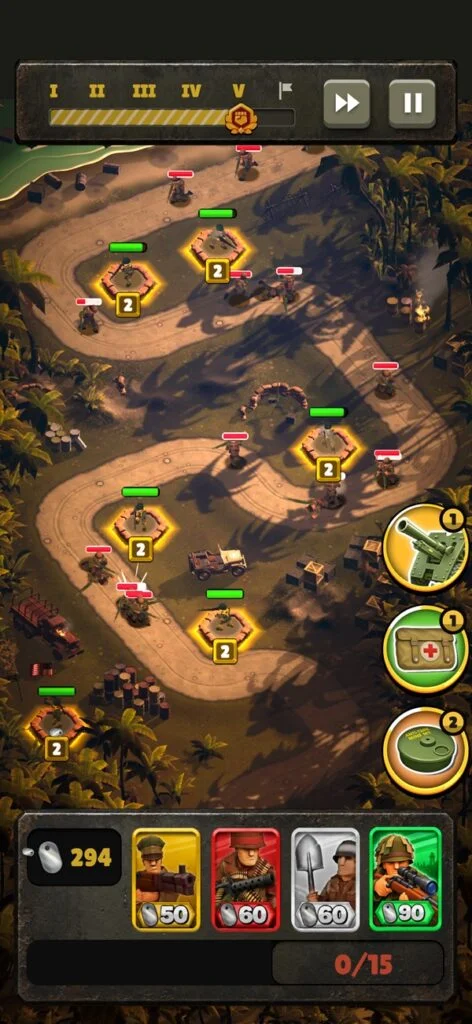
Yarnhub has a shooter still in development and a wishlist count most indie studios would kill for. Brass Rain has passed 170,000 Steam wishlists, placing it in the top 500 most-wishlisted games on the platform. Now the studio is adding a faster product to the lineup: Last Defense: WW2, a casual tower defense game arriving on iOS and Android on December 9.
The mobile release is the more revealing move. It shows how a history-focused video company plans to turn an audience into players without starting from scratch.
A mobile detour that made sense
Yarnhub began as a YouTube channel built on animated WWII stories, and it's since grown into one of the larger independent history channels on the platform. The studio says its channel passed 70 million monthly views for its animated videos, a figure CEO David Webb put front and center when we spoke. Yarnhub is also on track for 60 million long-form YouTube views in a single month, which Webb framed as sitting just behind the History Channel. "By far, we are the largest independent history YouTube channel," he said, adding that the figure leaves out the studio's other channels and its reach on Facebook, Tubi and Amazon.
Brass Rain was supposed to be the big first step into games, but it kept slipping. Webb said the team recognized early that the shooter would take a long time to reach launch, and that gap pushed the company toward a smaller project. In August 2025, Yarnhub went looking for a partner to build a tower defense game for mobile. Yarnhub Animation Studios ended up producing it, and the studio will self-publish the title. It's free to play, supported by rewarded ads and in-app purchases.
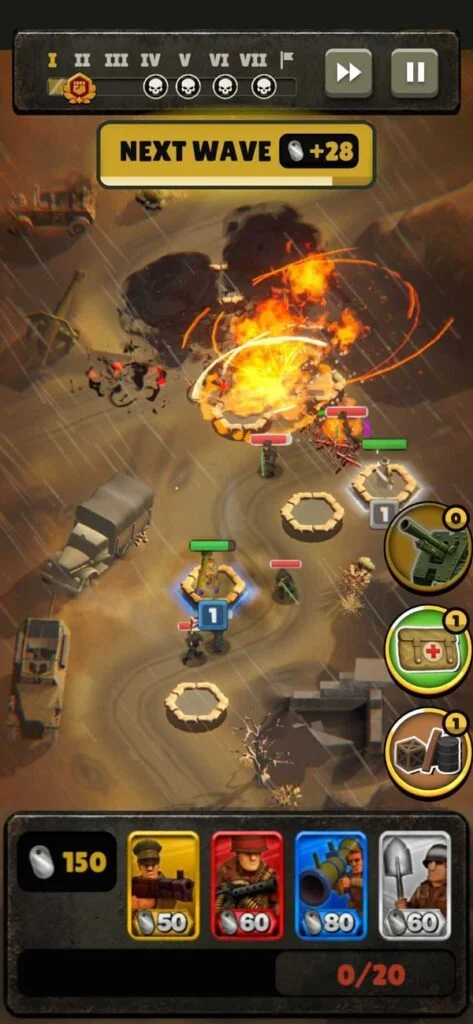
The pitch for Last Defense: WW2 is straightforward. Players move from the Pacific in 1942 to Berlin in 1945, deploying and merging units while holding back waves of enemies across 10 campaigns. The battles include Henderson Field, Stalingrad, Normandy, Iwo Jima and Berlin. Players can take the side of the Americans, the Japanese or the Germans. Barrow framed the core loop plainly: "It's a merge and deploy different kinds of troops, and you have to hold back an onslaught of enemy forces."
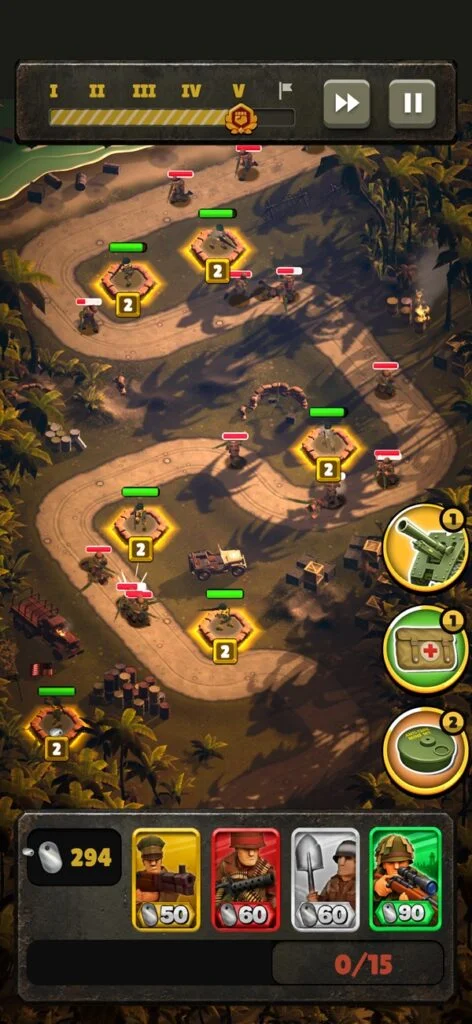
Webb's description of the game was even blunter. "It's quite addictive," he said.
Who's watching, and why it matters for the mobile pitch
The audience map is where the strategy starts to make sense. The United States is the largest market for Yarnhub's videos, with Japan and China close behind. Vietnam and Indonesia show surprisingly large audiences, and those viewers are mostly on mobile devices. Yarnhub also has a strong community on Discord. Barrow said building something for those fans became a priority.
That matters because mobile games are notoriously expensive to market. Most studios spend heavily on user acquisition just to get downloads. Yarnhub's bet is that its own channels can do much of that work. The animation team can produce highly realistic 3D models for video, and those same assets can feed the game's art pipeline. The games can then be promoted back to the video audience. Barrow said the studio doesn't expect to spend a fortune on acquisition the way most mobile titles do. Whether that holds up will depend on how well the audience converts, and Yarnhub's test data suggests the conversion is already strong.
The team is currently running user testing on the game. Webb and Barrow were clear that this is a fast, focused project, not a full-scale bet on mobile.
Who's behind the games
History sits at the center of the operation. Webb is a military history YouTuber and the founder and voice of Yarnhub. He has built large, engaged audiences organically, with social reach in the tens of millions each month. His background includes roles at Intel and Bonnier, and he founded and exited his own media company in 2021. He also serves on the board of The Tank Museum in Bovington.
Barrow brings the production side. He's a games industry executive with about 20 years of experience, including production and live operations roles at Electronic Arts, Rovio and Gameloft. As Head of Games at Yarnhub, he is working to turn a YouTube audience of roughly 60 million monthly views into players across a growing game portfolio.

Together, the two are building a higher-end military game on top of the studio's historical animations. Brass Rain is a World War II combined-arms combat game centered on infantry and tanks, with battles such as Pointe du Hoc and Castle Itter. The company raised roughly $2.9 million through community equity crowdfunding to fund the project. Its flagship YouTube channel had about 3.4 million subscribers as of November 8.
On the production side, Yarnhub's artists build original 3D models and environments and make the studio's films in Unreal Engine. The company says those films are human-created and don't use generative AI.
Brass Rain's slower road
Brass Rain was originally aiming for a summer launch, but the timeline slipped. Yarnhub wanted a combined-arms experience with co-op play and a polished first-person shooter core, and that took longer to get right. Webb said the team has been focused on the asset pipeline, moving models from video production into playable game content. "We've really got a strong pipeline now of getting tanks and planes and things like that," he said. "If you're into your World War II machinery, we can get them very quickly from video asset into playable game asset."
The studio hasn't locked in a launch date. Steam lists a planned 2027 release, and Webb has indicated the founders edition could arrive as early as the first quarter of that year. Yarnhub is planning releases beyond PC, including mobile, PlayStation, Xbox and Switch.

Funding has been disciplined. Beyond the crowdfunding round, the studio is paying for development with profits from its animated videos. "We've been frugal with our cash combined with an increase in revenue on the main channel business," Webb said.
The AI question hanging over the channel
That main channel business faces a fresh challenge. AI-generated videos, often dismissed as AI slop, are proliferating across platforms, and Webb acknowledged that YouTube now has plenty of AI-driven features and creators producing AI content. Yet big audiences are watching those videos without much concern for how they were made.
Webb's read is that platform competition will push providers to surface and promote quality, and that quality is what keeps Yarnhub's audience. "We're using artists," he said. "We're using modelers, that's what it's all about. That's what people want to see."
That's a defensible position, though it's also a bet. Human-made production is a differentiator only as long as audiences can tell the difference and care enough to pay for it. Yarnhub is wagering that its history-focused audience will keep caring.
Webb closed on optimism about the next year. "We're in a good place right now. We're really excited about what the community will think of the mobile game. And Brass Rain is just looking so freaking cool right now," he said. "Next year, we'll really know whether or not all of our enthusiasm was well founded."



Discussion
Sign in to join the discussion.