Ubisoft's Q2 bookings topped guidance on Black Flag Resynced, but the publisher is cutting 166 developers as it reshapes its creative houses.
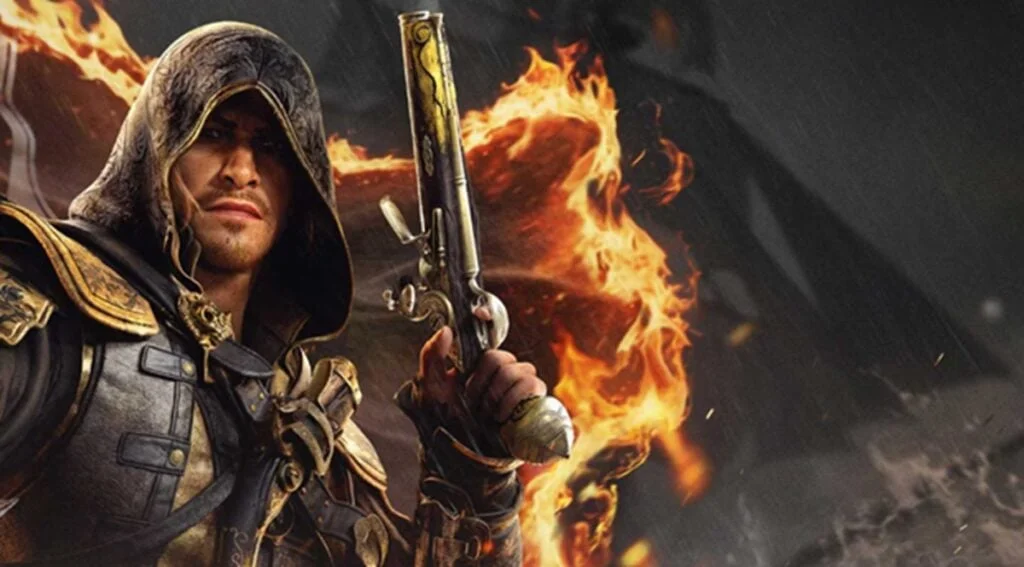
Ubisoft's second-quarter bookings came in at €389 million ($427 million), comfortably above the company's guidance of around €370 million. The main driver was Assassin's Creed Black Flag Resynced. The same report also confirmed 166 developers are losing their jobs at the publisher's Montréal and Québec City studios. Strong sales and layoffs in the same quarter is an uncomfortable combination, and Ubisoft's latest numbers show why the company is pushing so hard on both fronts.
Black Flag Resynced carries the quarter
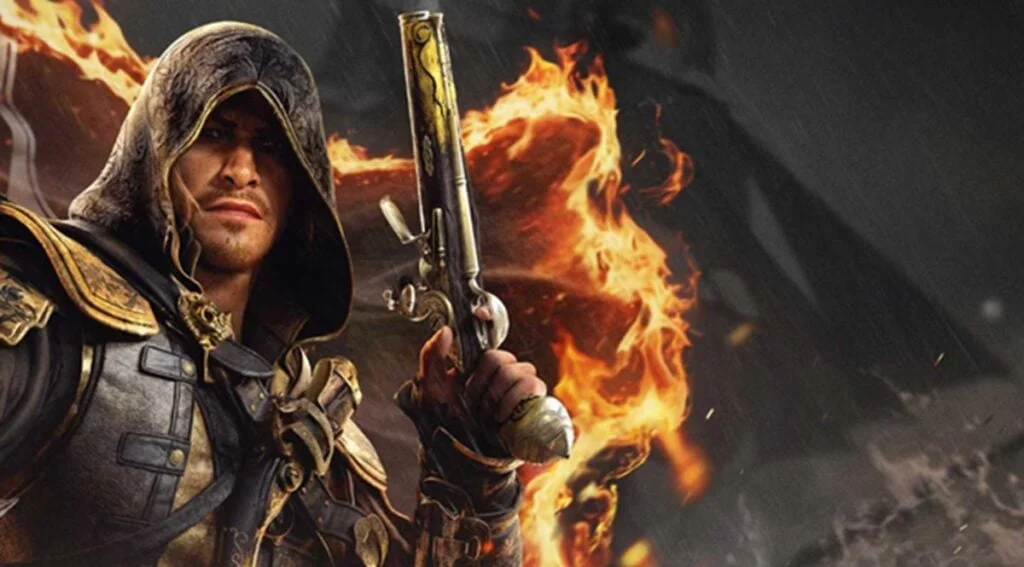
Ubisoft says Black Flag Resynced performed among the strongest results for any action-adventure remake in the industry. It beat the company's own expectations in its launch quarter, helped by solid in-game spending and a higher share of premium editions than the publisher had planned for. A more targeted marketing approach also seems to have paid off. That's a useful data point for a company that has spent the last few years trying to get its marketing spend to work harder.
The rest of the Assassin's Creed catalog also held up. Promotional campaigns did most of the work there, and Assassin's Creed Odyssey benefited from the release of a major summer movie. Assassin's Creed Valhalla has now passed 40 million players. The franchise turns 20 next year, and Ubisoft is planning a year of reveals, updates, rewards and community events around that milestone. Expect the anniversary to be a bigger marketing push than a simple birthday post.
Franchise by franchise
Rainbow Six Siege is the more interesting story. Ubisoft points to a sharper focus on gameplay and anti-cheat over the past year, and the numbers suggest that focus is landing. The game ranks in the top 10 across Xbox and PlayStation combined for monthly active users over the first half of the fiscal year. The adjustments to Ranked 3.0 from mid-July drove a strong rebound in player activity, and new gameplay updates arriving every three weeks have kept momentum going. October net bookings roughly doubled year-on-year, and quarter-to-date session days are up 50% over last year. Those are strong signs for a live-service title that was losing ground not long ago. Season 4 launches in early December and is aimed at the core competitive player base, while Year 12 brings back four new Operators per year.
Tom Clancy's The Division 2 posted net bookings growth, building on monetization changes Ubisoft introduced in the first quarter. In-game spending rose sharply year-on-year, while player activity stayed roughly flat. The Ghost Recon franchise was another bright spot, led by Ghost Recon Wildlands. The Last Rites title update, which added a new mission and a 4K/60fps upgrade, drove significant engagement around the franchise's 25th anniversary in August. On mobile, Invincible: Guarding the Globe continued to beat expectations, with player activity still elevated.
The weak spot is the back catalog. Those titles brought in €218 million, down 55%, but that comparison is unfair to Ubisoft's current results. The prior-year base included partnership revenue and a large contribution from Assassin's Creed Shadows. Strip out partnerships and the back catalog fell by a high single-digit percentage. Across the first half, net bookings reached €645 million, down 17%, or up double digits once partnerships are excluded. MAUs on console and unique active players on PC were stable at 34 million and 88 million.
Cost cuts and the people behind them
Here's the thing: the cost story is where the layoffs live. Ubisoft says its third cost reduction phase remains on track. The target is a fixed cost base of €1.25 billion ($1.37 billion) on a run-rate basis by March 2028. The first half of the current fiscal year ended with a fixed cost base of €660 million ($724 million), down 6% year-on-year. Headcount fell by close to 1,100 over the same six months.
The 166 developers losing their jobs at Montréal and Québec City are part of that broader push to shrink the company's fixed costs. Ubisoft has been one of the industry's most closely watched restructuring stories for a while now, and this quarter shows it isn't finished. A company can beat bookings guidance and still be cutting its way toward a leaner structure, and that's exactly the position Ubisoft is in.
Restructuring the creative houses
The new operating model is now fully staffed, with leadership in place across every creative house. Ubisoft describes it as a radical change. Creative Houses each carry their own P&L and are meant to put creative talent at the center of decisions while building more direct relationships with player communities. Creative House 2 now operates as Massive Entertainment, a unit that includes The Division, Ghost Recon and Splinter Cell alongside March of Giants. Creative Houses 3 and 5 have merged under Julien Bares to share live-experience work across platforms. A general manager is due to join Creative House 4 in January.
Ubisoft also set up Motherbrain as a dedicated subsidiary focused on gameplay AI. The team is behind Teammates, which the company calls its first playable generative AI experience. Separately, a new unit was launched to handle brands that don't sit inside a creative house, using what Ubisoft calls an agile, investment-light model. That structure suggests the company wants to manage its weaker or smaller brands without tying up major development resources.
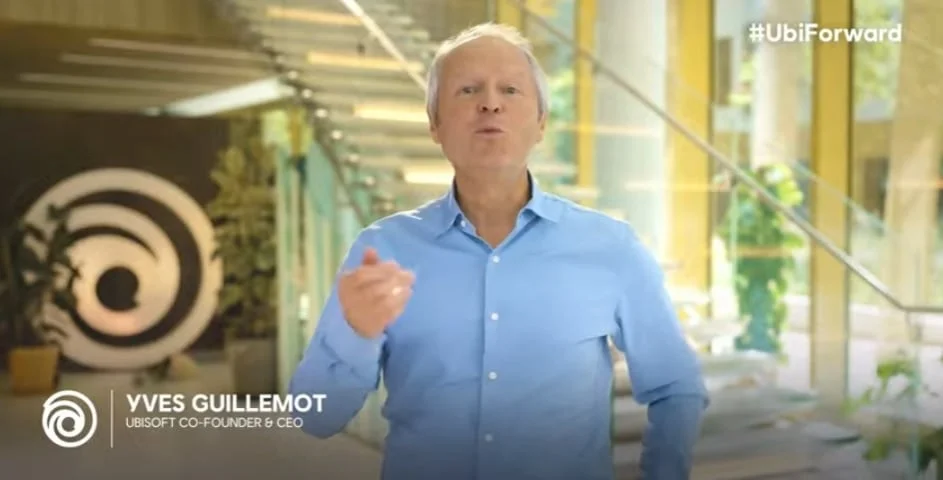
CEO Yves Guillemot framed the quarter as validation. "Q2 exceeded our expectations, driven by the continued success of Assassin's Creed Black Flag Resynced and solid contributions from our broader portfolio," he said. He argued that in a crowded entertainment market, players want exceptional quality, distinctive creative work and gameplay that doesn't compromise, and that the new model is built to deliver those things by putting creators closer to decisions and communities.
Balance sheet and refinancing
Ubisoft ended September with €1.03 billion ($1.13 billion) in cash and cash equivalents. The company also settled a put option on its 2028 OCEANEs, paying €453 million ($497 million) from cash on hand in mid-November. That's a meaningful chunk of its liquidity, and it explains why refinancing has become a priority.
Ubisoft describes its refinancing plan as having two parts. The first launched over the summer and is well underway. The second is set to begin shortly. Together, the company says, they're meant to strengthen liquidity and extend the debt maturity profile over the coming months. Guillemot tied the financing work to the same goal as the cost program: securing competitive terms and building a more efficient medium-term plan.
What to watch next
Ubisoft reconfirmed its FY2026-27 objectives and its mid-term outlook. Two pipeline reveals from Gamescom add to the picture. Rainbow Six Tactics is a single-player, turn-based tactical game set in the Rainbow Six universe, both due in 2027. Heroes of Might and Magic III Remake returns to the 1999 classic and rides the momentum from the early access launch of Heroes of Might and Magic: Olden Era earlier this year. Ubisoft also launched The Player Council on PC, which lets players test prototypes and in-development games and send feedback straight to the teams.
My read is that Ubisoft is betting its turnaround on a small number of proven franchises, a leaner org chart, and players who feel closer to the development process. The Black Flag numbers and the Rainbow Six rebound give that bet some credibility. The 166 layoffs and the refinancing work show how much pressure is still on the company. The real test comes when the second refinancing phase closes and the next big content cycle arrives, because that's when the cost cuts and the creative-house model will have to deliver results at the same time.


Discussion
Sign in to join the discussion.