Garmin is updating several smartwatches with new features including fall detection and voice controls to enhance user experience and training capabilities.
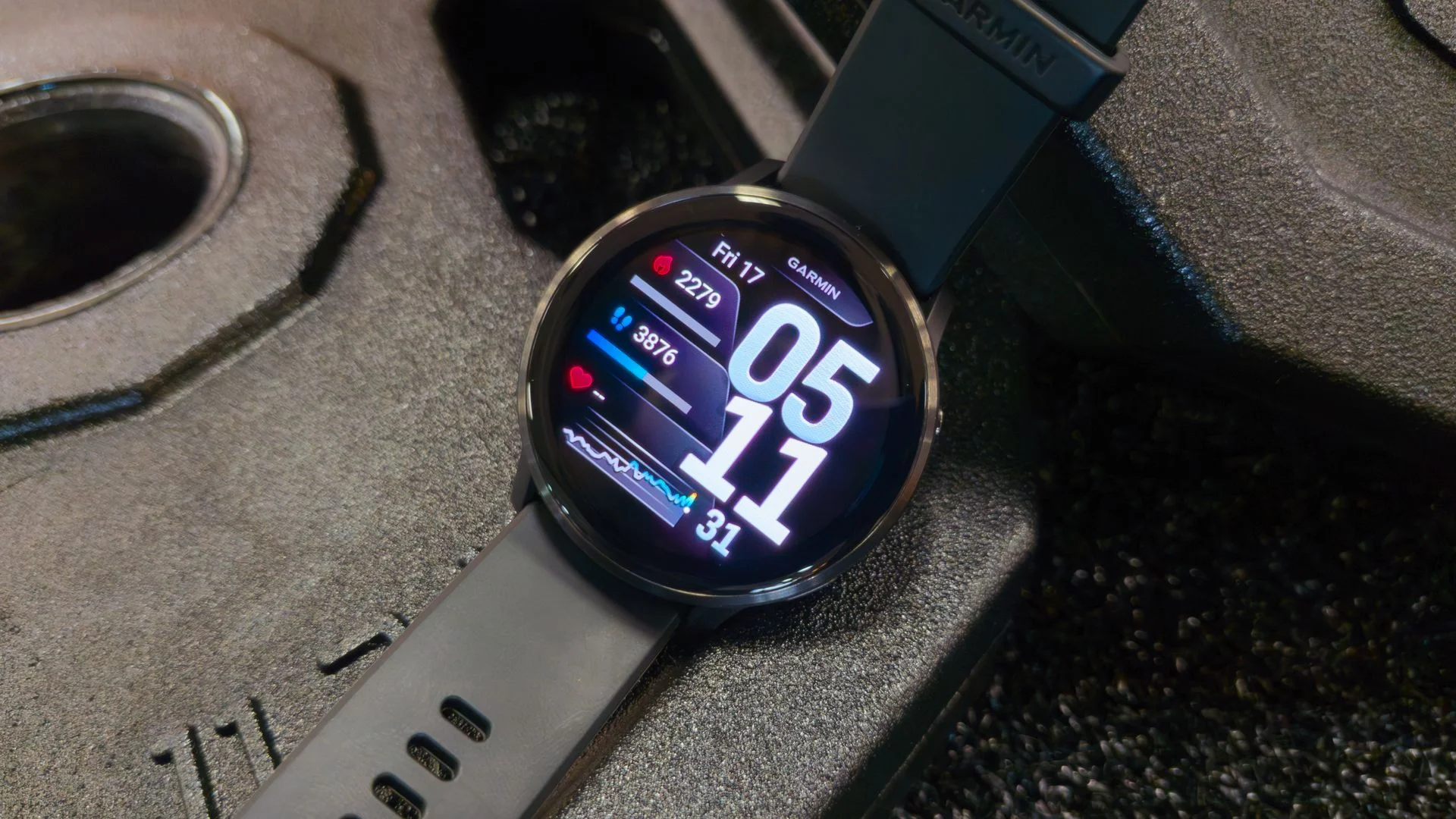
Garmin has begun deploying a significant software update for its popular smartwatch line-up, impacting devices like the Fenix 8 series, Forerunner 570, Forerunner 970, Venu 6, and Vivoactive 6. This update is packed with features aimed at enhancing training and user safety.
Enhancing User Safety
One standout addition is fall detection on the Venu 6. This function automatically sends the user’s live location to designated emergency contacts if it detects a hard fall. While similar features have been part of offerings from Apple and Wear OS devices, Garmin's inclusion emphasizes its commitment to user safety. There's a growing recognition, particularly among users engaged in physical activities, that injuries can happen unexpectedly. With an increasing number of people relying on smartwatches for fitness, having a reliable way to alert others in the event of a mishap is not just an enhancement—it's a necessity.
Users should consider the implications of such features. If you're working in this space, it's not just about convenience. It's about building trust. Knowing that a smartwatch can act as a safety net adds value that can sway consumers, especially those who might be hesitant to invest in a new gadget. In a market where many devices offer similar fitness tracking capabilities, differentiators like fall detection can be game-changers in consumer purchasing decisions.
Hands-Free Convenience
Additionally, select Garmin devices are gaining hands-free voice control with an "OK Garmin" command, enabling users to interact with their watches without physically touching them. This includes accessing various functions and features, thus promoting convenience during workouts. In many cases, wearing gloves, dealing with wet conditions or needing to keep the focus on a workout can make manual interactions impractical. The hands-free capability provides a level of accessibility that aligns with the demands of active users.
However, this feature isn't without its potential pitfalls. Voice recognition technology can sometimes struggle in noisy environments, or if users have thick accents. The success of this feature will largely depend on Garmin's ability to refine its voice recognition algorithms over time. This is an area where many companies have fallen short in the past, and if Garmin doesn't get it right, it could tarnish the initial excitement around this feature.
Personalized Running Experience
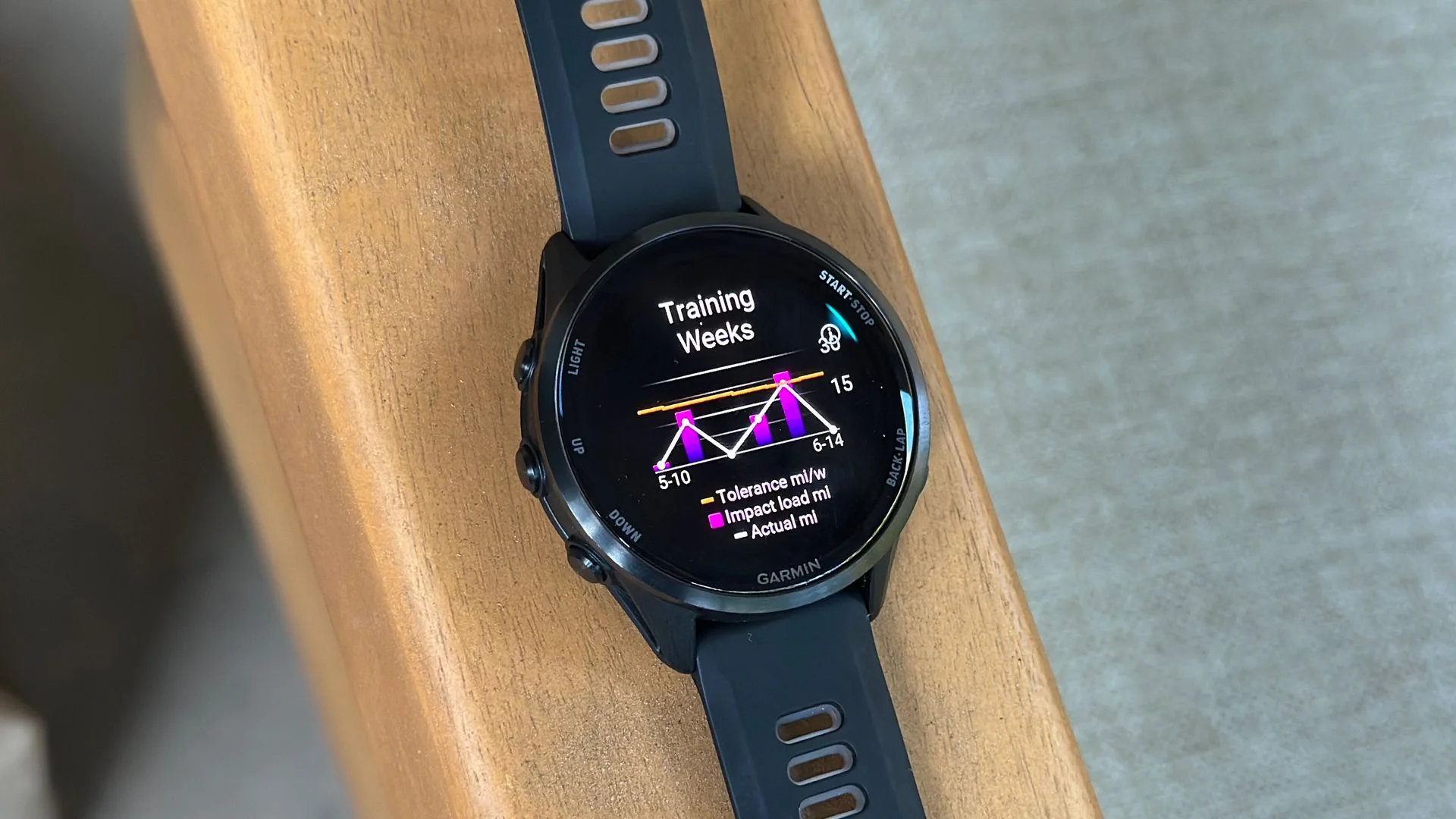
Running enthusiasts will also appreciate the personalized workout tweaks included in the update. Garmin is introducing adaptable running plans that adjust based on performance metrics, allowing for a more tailored training experience compared to previous standard run workouts. Generic workout plans can often feel limiting, and they rarely account for individual progress. Garmin’s approach to adapt workouts to user needs shows a commitment to personal fitness journeys.
This flexibility can motivate users to engage more seriously with their training. However, the underlying technology that powers these adaptations must function correctly. In fitness, even minor miscalculations can lead to frustration or worse, injury. Garmin's commitment to constant improvement is what places them ahead of competitors who may still rely on static metrics.
After all, today's fitness enthusiasts expect more from wearables. They want customizability. It’s about the experience, and being offered a plan that changes dynamically with performance metrics is precisely the level of engagement many are searching for.
Update Rollout and App Integration
The rollout has already commenced, and users can update their devices through the Garmin Connect app. If the latest features aren’t immediately visible, it's advisable to check back in a few days as the updates are implemented across various devices. This is a crucial point for users who are eager to take advantage of new features quickly. The timing and speed of rollout can significantly affect user satisfaction. If updates lag, frustration will build, particularly in a world that thrives on instant gratification.
Expanding the Cycling Market
In parallel, Garmin is enhancing its Edge cycling computers with features like automatic climb and descent detection. These improvements also require installation via the Garmin Connect app. The cycling market has seen a surge in popularity among fitness enthusiasts, and brands that ignore this segment risk losing relevance. Garmin’s timely enhancements serve to solidify its position within cycling technology, ensuring it remains a contender as cycling experiences a renaissance among hobbyists and serious athletes alike.
Looking Ahead: What's Next for Garmin?
While testing of the software isn’t complete, there's anticipation surrounding the new personalized running features, which could significantly enhance Garmin's already strong training tools. The development of features like these will be continuous, and consumer feedback will play an essential role in future updates. Garmin must remain vigilant and responsive. As newer technologies emerge, competitors will likely catch up swiftly, and complacency will spell trouble.
In a crowded market, the stakes are high. For users and fans of wearable tech, these updates might be just the beginning. If Garmin can successfully leverage these advantages while addressing any hiccups in tech updates, it could maintain a frontrunner status for a while longer. The real test will come over the next several quarters as market dynamics shift and users’ expectations evolve.


Discussion
Sign in to join the discussion.