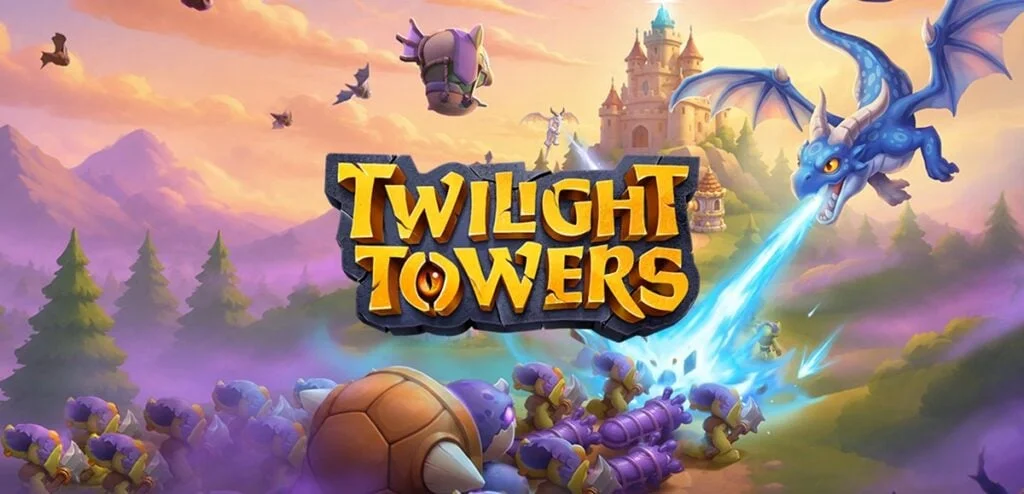
Fortis Games is closing after Las Vegas Sands ended its funding, ending a five-year push into games and forcing the shutdown of Twilight Towers.
Funding ends as Fortis closes
Fortis Games’ closure ends Las Vegas Sands’ five-year effort to build a games business. More than 400 employees are affected, and its live game Twilight Towers is set to shut down. The company had assembled experienced leaders and acquired studios across three countries, but its games didn’t reach the retention needed to sustain ongoing development. That gap between assembling the people and infrastructure to make games and finding an audience willing to stay is the central fact of Fortis’s failure.
Fortis CEO Steven Chiang said the company fell short of the goals it had set when it began more than five years ago. He said its immediate focus is helping employees find new opportunities and thanked the team and its supporters. The statement points to an abrupt end for a business that had been built around a long-term ambition, while offering little public detail about how the company judged its progress against that ambition.
Employees described the shutdown as abrupt. Communications director Scott Butterworth said on LinkedIn that Fortis had “run out of runway,” leaving more than 400 people out of work. Game production employee Gustavo Coronet said Las Vegas Sands had ended its funding and terminated contracts worldwide. Those accounts underscore the distance between a strategic decision by a backer and the practical consequences for teams whose work and employment depended on continued funding.
Fortis was backed by Las Vegas Sands, the company founded by Sheldon Adelson and known for developing the Venetian in Las Vegas. In 2022, Sands president Patrick Dumont described interactive entertainment as a potential core business for diversifying beyond gambling. Fortis was intended to build games from the ground up, a commitment that required more than capital: it also depended on finding products that could attract and retain players long enough to support ongoing costs.
A global studio portfolio and a social playbook
Fortis expanded through acquisitions, bringing in Doppio Games in Portugal, Oktagon Games in Brazil and Metagame in Romania. Its leadership team drew on experience at Electronic Arts, WB Games, Zynga and Smule. Chiang, a former WB Games executive vice president of worldwide studios and longtime EA Sports leader, later ran game studios at Zynga. That mix gave Fortis people with experience across established publishers and game development, while the acquisitions gave it teams in several countries.
But a collection of studios and experienced executives doesn’t, by itself, establish a repeatable business. Different teams can bring useful capabilities, yet a company still has to turn those capabilities into games that players return to and that can support a continuing schedule of development. Fortis’s closure suggests that its structure and expertise weren’t enough to clear that commercial hurdle.
The company’s pitch centered on service based games built around social systems and persistent communities. Fortis argued that online games could offer more positive, meaningful social experiences, with the potential to become a major form of social entertainment. The idea tied the company’s product strategy to a broader claim about how people might spend time together online, but the appeal of that premise still had to be demonstrated in the performance of individual games.
That distinction matters. A social feature can give players reasons to interact, but it doesn’t automatically give them reasons to keep playing. Fortis’s results, as described by the company, indicate that the games didn’t achieve the retention needed to cover the costs of maintaining them and creating more content. This is more significant than it looks: for a live game, launch is only the start of the test.
Coronet said the closure wouldn’t erase the work teams had done on their projects. He specifically pointed to the Octopus team’s development workflow and early soft launch metrics for two games, though the shutdown means those efforts won’t continue under Fortis. Early metrics can help teams judge whether a game is heading in the right direction, but they’re only part of the picture; the company’s own explanation makes clear that retention ultimately wasn’t sufficient to sustain continued development.
Twilight Towers reaches its end
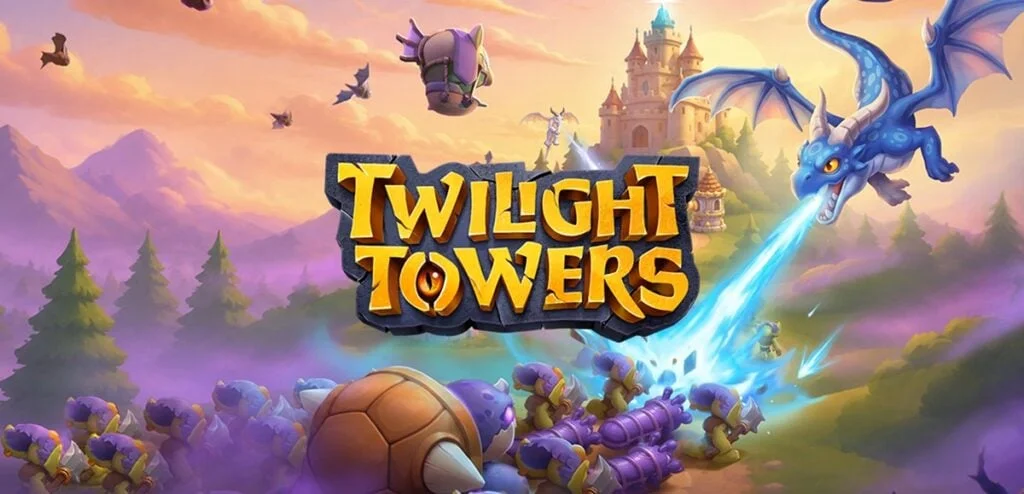
Fortis has announced that Twilight Towers will shut down on November 16. The team said it had spent recent months adding features, revising major systems and testing changes to make the game more engaging. Those updates included progress resets and map changes, which players had been asked to adapt to. For players, such changes can be part of a developer’s effort to improve a live game, but they also ask a community to accept disruption in exchange for a better experience later.
That’s a difficult bargain when a game is still trying to establish the habits and trust that keep people returning. Fortis’s account doesn’t say which individual changes worked or how players responded to each one. It does say the game’s retention wasn’t strong enough to support the continuing costs of development, new content, servers and support. The company thanked the game’s community and said responsibility for the outcome rested with Fortis.
Here’s the thing: keeping a live game running is a continuing commitment. Development work, new content, server operations and player support all require resources after release, so a game needs an audience that stays engaged over time. Twilight Towers’ shutdown shows how quickly that commitment can become untenable when retention falls short, even after a team has tried substantial changes.
What Fortis’s closure means for its bet
The closure puts the company’s central bet to a clear test: experienced leadership and a portfolio of studios weren’t enough to establish a sustainable live game. Fortis’s strategy joined several ambitions—building games from scratch, combining teams across countries and making online play a more social experience. The result shows that those ambitions still depended on a basic product question: would players keep coming back?
If you’re working in this space, the case is a reminder that a strong development organization and a persuasive thesis about social play can’t substitute for sustained player engagement. That doesn’t make the work meaningless. Coronet’s comments point to development processes and early learning that teams may carry into future roles, even though Fortis won’t continue those projects.
And yet, a company’s internal progress and a game’s commercial durability aren’t the same measure. Fortis may have built workflows and assembled capable teams, but the stated reason for ending development is that Twilight Towers didn’t retain enough players to justify its ongoing costs. The people affected now have to find what comes next; the company’s tangible legacy is the work its teams produced and the systems they developed along the way.
Unfinished, but not without a record of work.



Discussion
Sign in to join the discussion.