Phantom Blade Zero sold 4 million copies in 72 hours. Its appeal appears to lie in escalating combat, striking world design and a distinct kung fu movie feel.
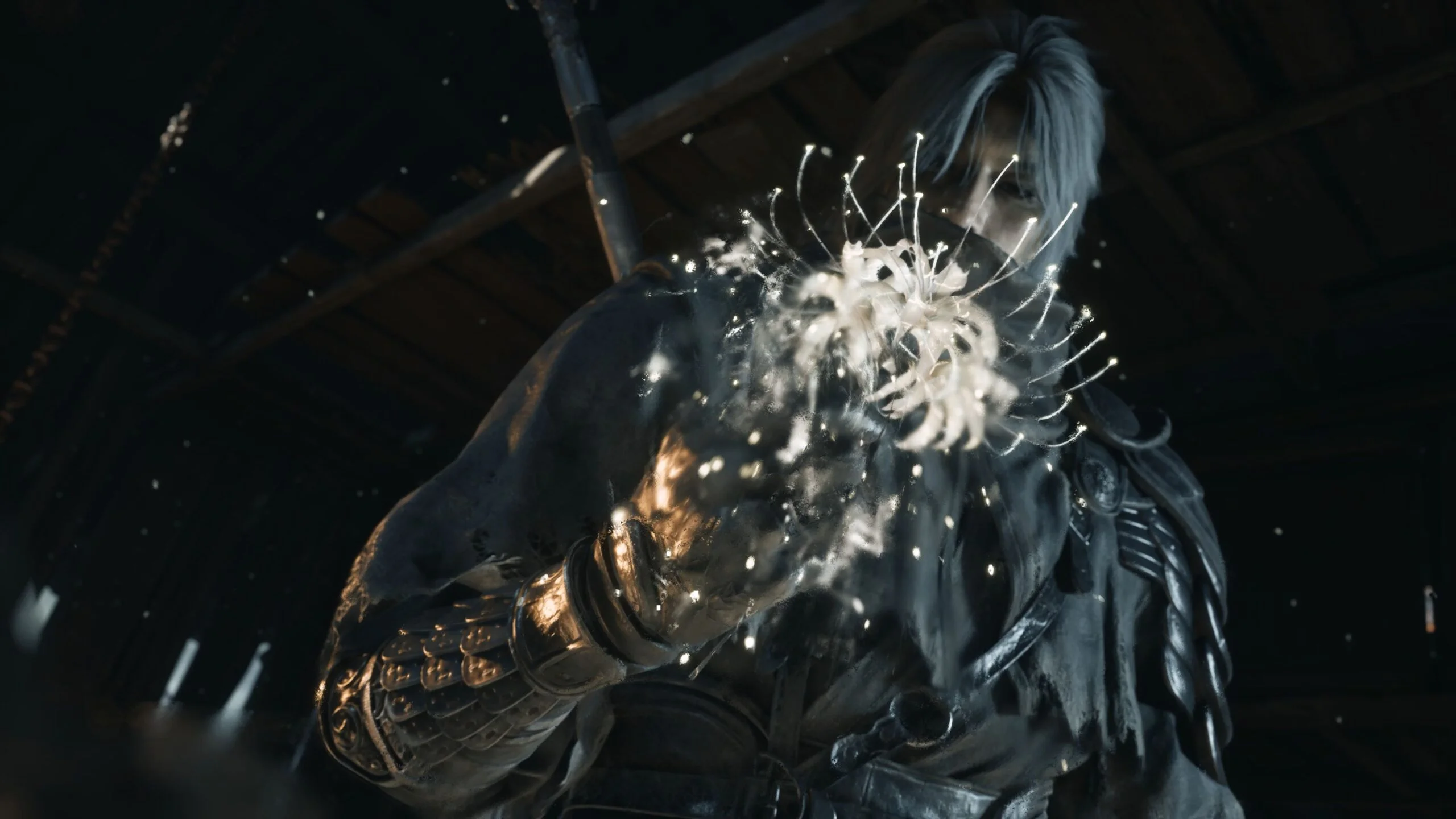
Phantom Blade Zero has turned a crowded release season into a breakout moment for S-Game. The action RPG sold more than four million copies on PlayStation 5 and PC in its first 72 hours, a striking opening for a new series. Its early performance suggests that players responded to more than strong combat: the game’s appeal builds as its story, setting and fights grow more ambitious.
The scale of that launch stands out against a season filled with established names. Phantom Blade Zero reached nearly 834,000 concurrent players on Steam, placing it 14th among the platform’s most-played games in its history. It also holds an 88 Metascore from 45 reviews and a 91 percent “Very Positive” rating across 56,383 Steam user reviews. Those figures point to a broad response across critics and players, though the sales milestone is the clearest sign of its commercial reach.
A rare conversion from wishlists to sales
Before launch, S-Game reported more than three million wishlists across PS5 and PC. Turning that level of interest into four million sales in three days is an unusually strong result. The game’s performance also outpaced several high-profile single-player releases over comparable periods, despite lacking the years of audience familiarity that come with a long-running franchise.
Resident Evil Requiem needed about seven days to pass five million sales, and later reached more than 8.06 million as of the previous July. 007 First Light took roughly three months to reach four million. In action RPGs, a closer early-sales comparison is Monster Hunter Wilds, which sold more than eight million copies in its first three days. That game, however, belongs to an established series and followed Monster Hunter: World.
These comparisons don’t make the games interchangeable, and launch windows measure only one part of a title’s commercial life. They do show why Phantom Blade Zero has drawn attention: a new property found an audience at a pace usually associated with major franchises. Other anticipated releases, including Control Resonant, The Blood of Dawnwalker and Onimusha: Way of the Sword, also entered the conversation around the season’s biggest launches, but none matched its reported opening sales.
The game takes time to reveal its shape
The strongest explanation for the game’s reception may be the way it changes after its opening hours. Early on, the combat is enjoyable but offers a limited set of options. Exploration follows relatively direct paths, while the story introduces characters, lore and flashbacks in a way that can feel hard to connect with. That opening can make the game seem smaller and more conventional than its later chapters suggest.
The shift becomes apparent around the Village of Lu. The narrative starts to bring its dark Wuxia and kungfupunk influences into sharper focus, and the connections between the plot and its boss encounters become clearer. Weapons grow more elaborate, while the combat systems make greater demands on the player. Mo Yuan, played by Donnie Yen, arrives with a forceful presence that gives the game one of its most memorable set pieces.
The change isn’t limited to combat or story. The world’s visual identity also becomes more persuasive as the journey continues. Ruined settlements such as Pangzhen, cavern systems filled with failed puppet experiments, red threads crossing the valleys and the steampunk Sha-Chi Towers give the game a stronger sense of place than its opening areas establish.
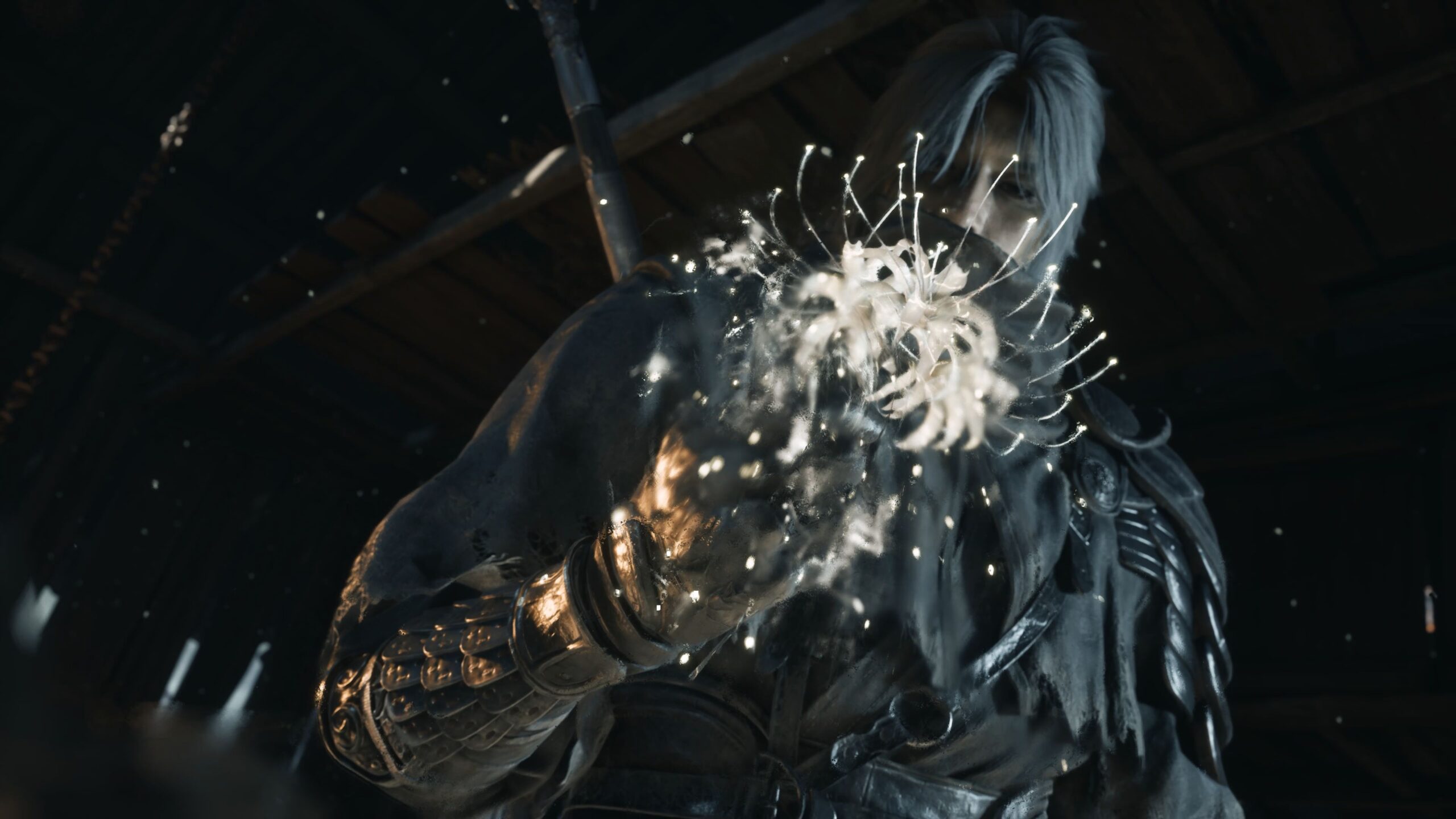
Exploration expands alongside that visual range. As the plot becomes more involved, the routes through its locations open up and rewards feel less predictable. Instead of moving through a sequence of straightforward corridors, players have more reason to look around and follow paths away from the main objective. That broader discovery gives the setting room to make an impression.
Escalation is the design principle
S-Game’s most consistent strength is its command of escalation. Boss fights make that clear: encounters introduce new patterns, add pressure in stages and ask players to adjust as the battle develops. One multi-phase fight has become a particular point of praise, but the game continues to raise the stakes after it. Later opponents bring tougher tactics, while the player gains more options for answering them.
The controls help keep that rise in intensity satisfying. Attacks feel responsive against ordinary enemies as well as bosses, so the game’s pace doesn’t depend on set-piece encounters alone. Its combat also avoids some of the friction associated with tougher action RPGs. Checkpoints let players make gradual progress through a boss’s phases, particularly in 66 Days Mode, even when a fight takes repeated attempts.
There’s a trade-off in the way areas handle enemies. Foes don’t respawn, which can leave a location feeling empty during backtracking. In return, players aren’t asked to repeatedly farm the same groups. Time spent revisiting an area can go toward finding a route or item, while forward progress keeps introducing new challenges and scenery.
A distinct identity beyond genre comparisons
Placing Phantom Blade Zero beside familiar action RPGs only goes so far. Its speed and parrying invite comparisons with Sekiro: Shadows Die Twice, while its difficulty and boss structure recall the wider Souls tradition. Yet it doesn’t fit neatly alongside Dark Souls, Bloodborne or Nioh. Its appeal rests in combining recognizable ingredients with a different tone and rhythm.
The game’s “playable kung fu movie” pitch captures that difference. Its combat is designed to make the player feel forceful and stylish, while its increasingly extravagant weapons and encounters give that promise room to grow. Qiwei “Soulframe” Liang described the aim as making players feel “powerful and incredibly cool,” with the confidence that “No matter what enemy stands before you, you will defeat them in the end.” The structure of the fights makes that idea tangible: mastery comes from learning each opponent, and each victory feels earned without requiring the same punishing loop from every player.
That identity helps explain why the launch has reached beyond the audience for any single subgenre. Phantom Blade Zero arrives with clear influences, but its combination of martial arts spectacle, layered exploration and steadily escalating combat gives it a character of its own. The first 72 hours have delivered an exceptional start; the longer-term test will be whether that identity continues to bring players in after the initial rush.

Discussion
Sign in to join the discussion.