Samsung's One UI 9 update is facing significant delays, shifting from its initial September release date to an uncertain future, frustrating users worldwide.
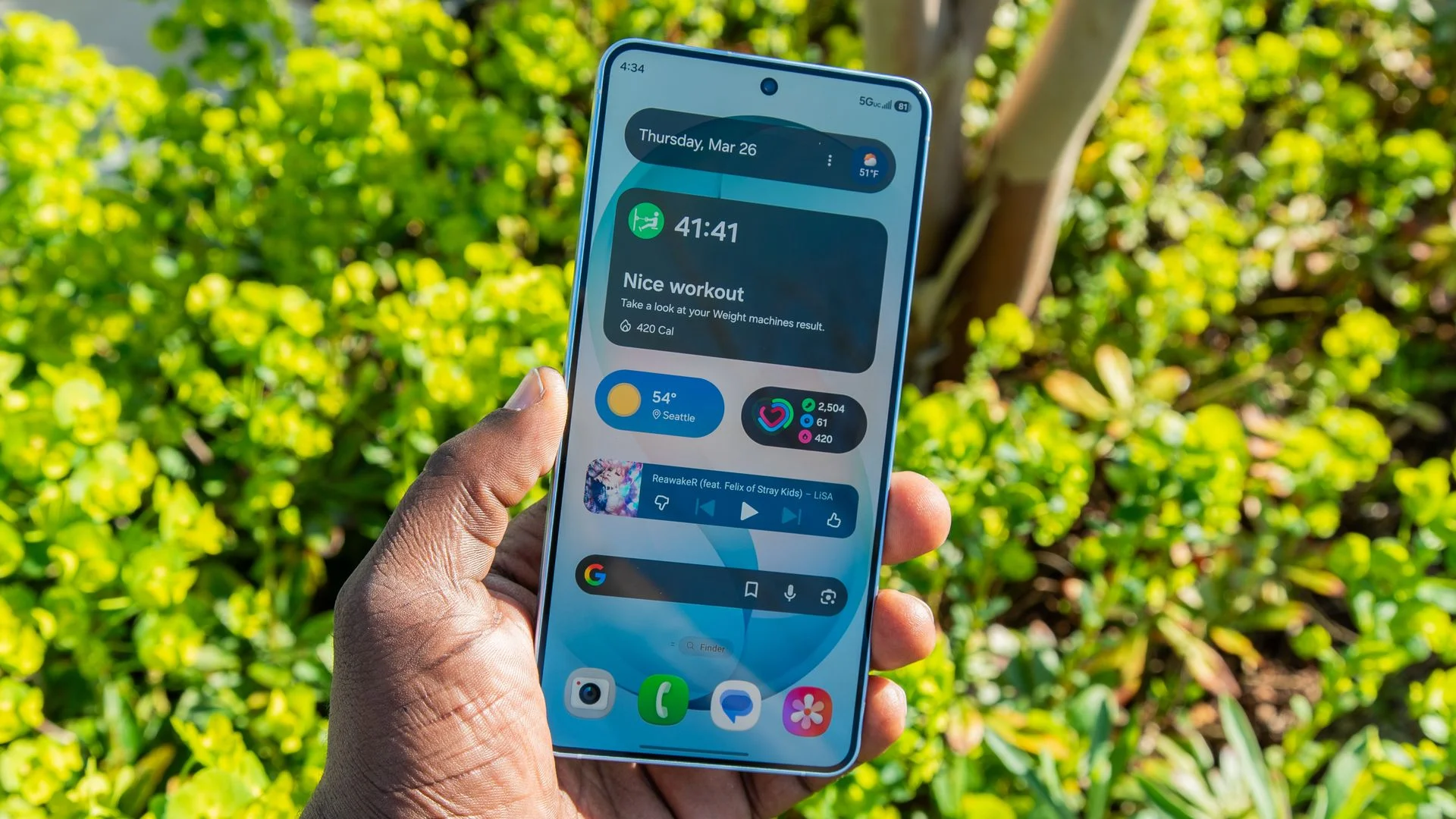
Samsung's much-anticipated One UI 9 update for Galaxy devices has hit a snag, as the company has postponed its global release timeline yet again. Originally slated for a September 21 rollout, the update's launch date has shifted not once, but twice, generating considerable backlash among users.
The update saga began with excitement when Samsung announced One UI 9 on September 16. However, as the days progressed, users were left disappointed when the expected release didn't materialize. Initial communications hinted at a new date of September 28, only for Samsung to later change this to a nebulous "September 2026" timeframe. This leads to confusion about when users can truly expect to receive the latest software.
Many users have turned to social media to express their frustration over these repeated delays. Reports indicate that users in Thailand would be the first to access the updated software on select Galaxy models, including the Galaxy S26, S25, and Z7 series, within September, while others, like the S23 FE, would follow later.
Given that September only spans 30 days, it’s becoming increasingly pressing for Samsung to clarify its plans, especially as tech enthusiasts and analysts are questioning the credibility of these proposed timelines. With the current trajectory, users might have to manage their expectations for the update around the final days of September.
Current State of One UI 9 Testing
For context, the development of One UI 9 has been ongoing for five months, with beta testing commencing back in May. Regions such as Germany, India, Korea, Poland, the UK, and the U.S. have all been part of this testing phase. Initially, user experiences focused on minor updates within features like the Contacts app and Samsung Notes, hinting at broader improvements in the forthcoming full release.
The beta testing period was intended to refine the update, drawing feedback from a diverse group of users. However, the release announcement last week didn’t specify a global launch date, leaving many to speculate. Samsung's focus initially appeared to be on rolling out the update in South Korea before expanding it globally. Ironically, this lack of a precise timeline for users outside South Korea seems to be part of the problem. The inconsistency not only frustrates users but also raises concerns about the effectiveness of Samsung's communication strategy and development cycle.
User Sentiment
The discontent among Galaxy users is palpable and echoes sentiments from previous update rollouts, such as with One UI 8.5. Similar issues regarding delays plagued that iteration, and users are understandably wary of what might unfold this time around. As one industry observer noted, the current mindset is one of skepticism; many are hesitant to believe that One UI 9 will avoid further delays into October.
Frustration has turned into skepticism for many users who remember the drawn-out delays of previous updates. When users anticipate improvements from an update, repeated setbacks can lead to prolonged disappointment. The emotional investment in these software advancements can’t be overstated—it’s not just an update; it's an expectation for an enhanced user experience. Samsung must be aware that fostering trust among its user base is as important as delivering on-time software updates. If you're working in this space, you know that customer trust isn’t easily regained once lost.
For now, Samsung has its work cut out for it. With eager users anticipating new features and updates from One UI 9, it’s crucial for the company to provide clearer communication and a more reliable release schedule. As the clock ticks down on September, the tech community will be watching closely to see how this situation unfolds.
Implications and Future Outlook
The implications of Samsung’s delayed timeline are multifaceted. First, there's the immediate impact on user satisfaction. If One UI 9 doesn’t launch smoothly and on time, it could diminish user confidence in Samsung's software development skills. That's a dangerous road to travel, especially with the growing competition from companies that promise timely and effective updates.
Looking ahead, Samsung may need to rethink its strategy for rolling out major updates. A more staged, transparent approach could alleviate some of the pressure and public relations fallout associated with unexpected delays. If history has taught us anything, it's that user patience has its limits. The old adage rings true: “Fool me once, shame on you; fool me twice, shame on me.” In the world of technology, customers often vote with their wallets.
As the technology sector grows, consumers are becoming more educated about their options. They see new features not simply as perks but as necessities for a smooth digital life. This is more significant than it looks. Delays can have long-term effects on brand loyalty and influence the purchasing decisions of potential buyers who may perceive Samsung as lagging behind other manufacturers. Companies that fail to live up to commitments often see customers shift allegiance or simply disengage.
The pressure is on Samsung, and the tech community will be keenly observing the next steps. After all, in a world filled with choices, remaining a preferred choice means delivering on promises.

Discussion
Sign in to join the discussion.