Remap Radio 153 discusses gaming developments, including Kojima's Microsoft deal, the rise of AI voice acting, and a review of The Sinking City 2.
The Sinking City 2 and Lovecraft's Legacy
This week's episode of Remap Radio features Bruno Dias, who shares his thoughts on The Sinking City 2 and reflects on the complexities of H.P. Lovecraft's legacy as both an author and brand. Lovecraft's work has been pivotal in shaping the horror genre, particularly in games where atmosphere is key. There's irony in how his themes of existential dread and cosmic horror resonate within a medium often criticized for its focus on action and spectacle. The discussion also navigates through the current debate about the ethical implications of using Lovecraft's work in modern gaming, given his controversial personal beliefs and the problematic elements woven into his narratives. This tension raises important questions about cultural appropriation and the gaming industry’s responsibility towards its narratives.
Privacy Concerns in Technology
As technology continues to evolve, privacy concerns are at an all-time high, sparking a philosophical debate about tools like Siri Recap and their implications on what constitutes an audio file. This surge in apprehension reflects broader societal issues regarding data collection and consent. Consumers are increasingly aware of how their personal information is used, often without their explicit knowledge. This discomfort is feeding into a growing demand for transparency from tech companies, which historically have operated behind opaque policies. Some gaming studios are beginning to acknowledge these sentiments in their narrative and branding strategies, but substantial progress remains elusive. The implications for game developers are significant; they must tread carefully in an environment where trust is fragile.
Kojima's Deal with Microsoft
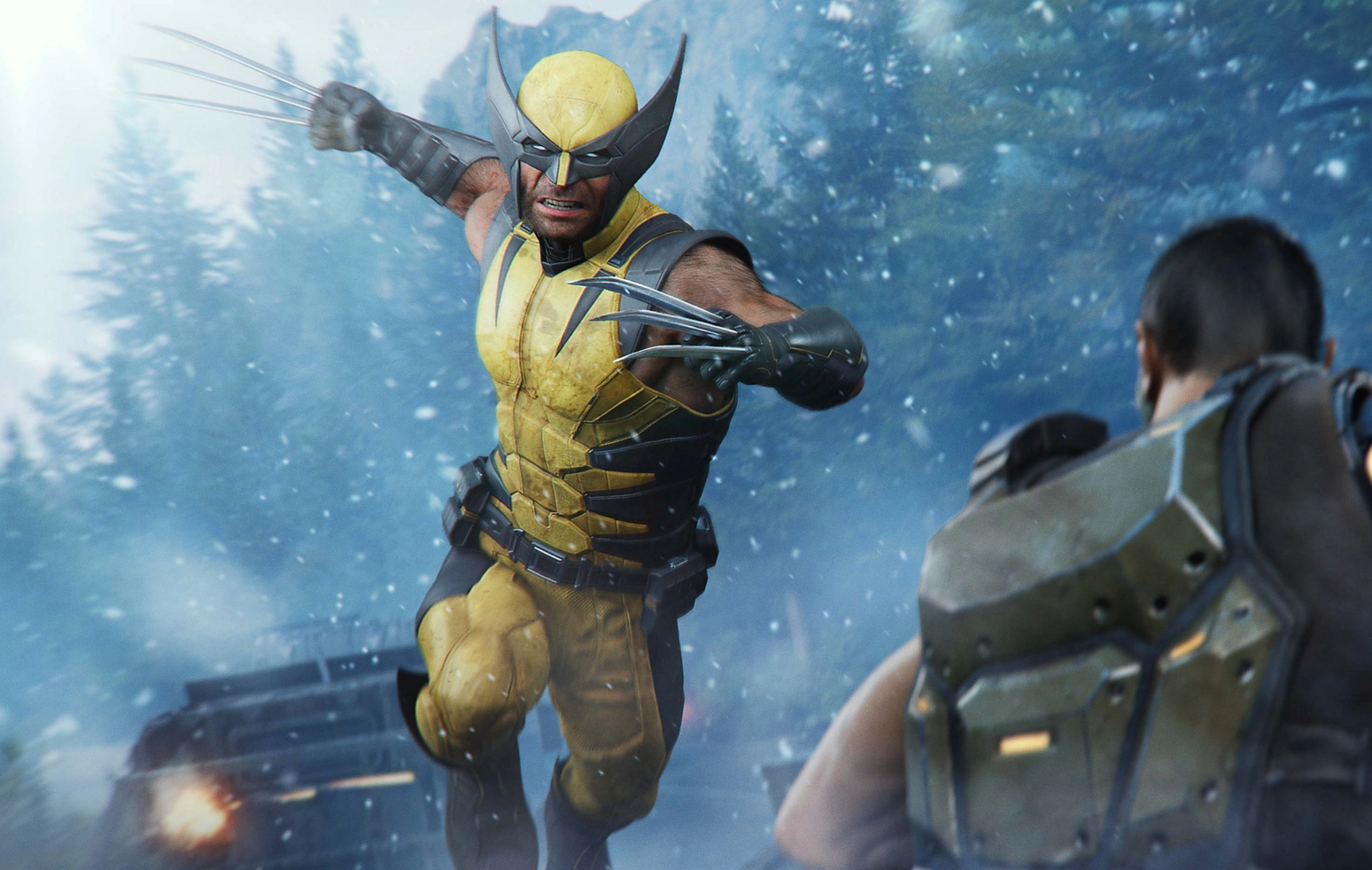
The panel delves into Hideo Kojima's recent announcement regarding a collaboration with Microsoft, speculating on its possible ramifications for Sony and its high-profile franchises. Kojima's name carries considerable weight in the gaming industry, given his past successes and ability to blend narrative with innovative gameplay mechanics. His decision to align with Microsoft raises eyebrows about the future of PlayStation exclusives. What happens to iconic franchises like Insomniac's Wolverine when developers ally with a rival? Patrick weighed in on this, suggesting that the game isn't hitting the expectations fans hoped for. If you’re working in this space, keep an eye on how this rivalry unfolds; it might reshape industry dynamics in unpredictable ways.
Exploring AI in Gaming
AI's role in gaming is evolving, and this episode does a great job of highlighting the industry's experimentation with AI-driven voice acting through EA Sports. It’s not just about improving player experience or cutting costs—there's a nuanced conversation here about authenticity in character portrayal. Can AI mimic the emotional depth a human actor brings? This technological foray doesn’t simply tighten budgets; it begs the question of what constitutes genuine performance. And yet, the unionization of over 1,900 Blizzard employees, which is also highlighted, marks a significant moment for labor rights in gaming, reflecting a push for better working conditions amidst an increasingly competitive environment.
Voices Behind the Games
Bruno shares insights from his experiences with titles such as 1000 Hells and Blood of Dawnwalker, discussing how voice lines and character barks are crafted in gaming studios. This aspect of game development can often be overlooked despite its importance in building immersive worlds. The process involves extensive collaboration and creativity, bridging the gap between storytelling and technical execution. This is particularly vital in an era where players expect emotionally resonant narratives. And this is the part most people overlook: the intricacy involved in creating a believable character is much more than just actors reading lines. It’s about crafting a connection that drives player engagement.
Implications of Current Developments
What's unfolding within the gaming sector isn’t just surface-level chatter—these developments point to larger trends that could reshape the industry's future. The collaboration between established figures like Kojima and tech giants signals a blend of creativity and corporate strategy that might redefine expectations for both storytelling and gameplay. The drive towards AI in voice work illustrates a pivot in how narratives will be constructed and received, likely leading to a new era of storytelling that, while technologically advanced, risks losing the emotional human touch if not managed properly. The labor movements gaining momentum reflect a workforce unwilling to compromise on rights and conditions, which could ultimately lead to a healthier, more sustainable industry—but only if the momentum can be maintained.
- 00:01:18 - Sinking City 2 Review
- 00:59:44 - TCL’s TV Review Press List
- 01:28:13 - AI Voice Acting in EA Sports
- 01:40:54 - Blizzard Employees Unionize
- 01:52:22 - Kojima Productions Acquired by Microsoft
- 02:16:01 - Insomniac’s Wolverine Issues
- 02:45:57 - Voice Work in 1000 Hells
- 02:51:49 - Crafting Blood of Dawnwalker
- 03:04:00 - Insights on Star Wars Zero Company


Discussion
Sign in to join the discussion.