Uncover the fascinating design insights of City Escape, a hallmark level in Sonic Adventure 2, ahead of its showcase at the Sonic Art Exhibit.
Iconic Moments in Gaming History
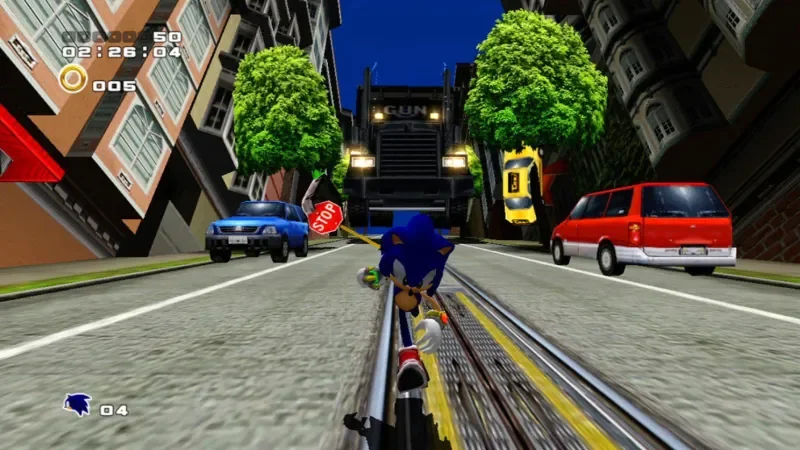
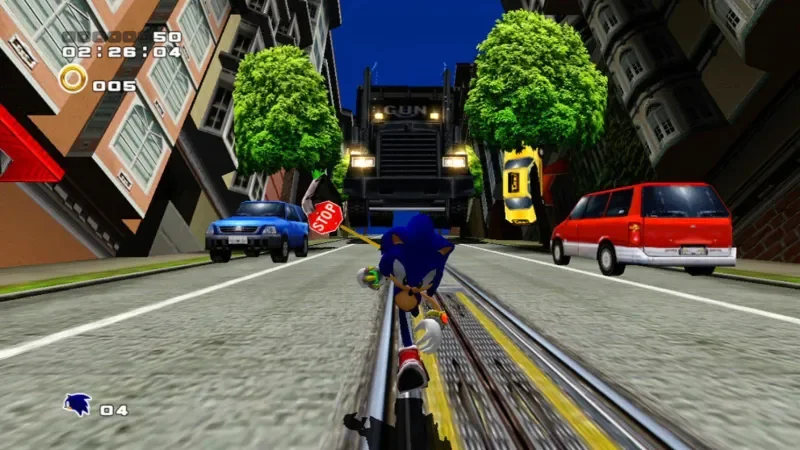
The opening sequence of City Escape in Sonic Adventure 2 remains unforgettable for players. As Sonic leaps from a helicopter, the adrenaline-fueled “Escape from the City” soundtrack hits, accompanied by an exhilarating snowboard ride through the city. This isn't simply nostalgia; this sequence captures a pivotal moment in gaming history when 3D graphics were becoming more sophisticated, and gameplay mechanics were evolving rapidly. This level stands out as one of the most meticulously crafted in the history of 3D Sonic games. With the upcoming display of Sonic Adventure 2's design documents at the 35 Years of Speed: The Sonic Art Exhibit in Los Angeles, we got an exclusive look at how this iconic level was conceived during the game's development. The way these documents illuminate the design process exemplifies how creative decisions shape player experiences and memories, making them valuable archival material for both fans and scholars of gaming.
The Challenges of Development
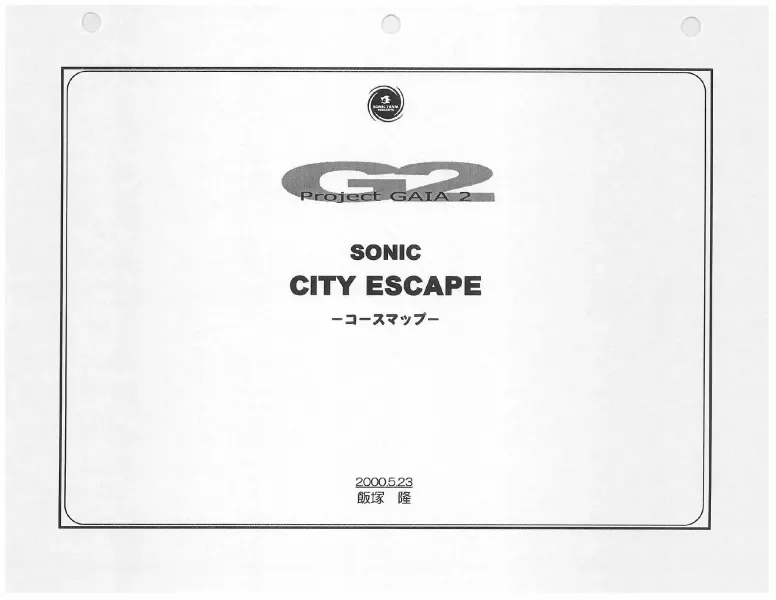
Initially codenamed Project GAIA 2, Sonic Adventure 2 faced the daunting task of succeeding the beloved Dreamcast launch title, Sonic Adventure. This came at a time when Sega was grappling with significant financial challenges due to the PlayStation 2's dominance in the market. The stakes were incredibly high, making the pressure to deliver a successful title even more intense. In a bold move, the company downsized the team responsible for Sonic Adventure 2 from 120 members to just 11 and relocated them to San Francisco, a city that inspired the level's hilly urban design. The drastic cut in team size is noteworthy; it highlights the fundamental challenge of maintaining creativity and quality under resource constraints. This choice not only reflects the urgency of getting a game out in a competitive market but also raises questions about how such pressures can impact the creative process. What does it take to create a hit game with so little manpower?
Takashi Iizuka, Sonic Team's creative officer and director of Sonic Adventure 2, recounted the formidable challenge they faced: "Our team got pared down to 11, sent to America, and told to go make Sonic Adventure 2. I was really tasked with trying to make the impossible possible." Within this context, Iizuka's leadership became a critical element. He had to inspire a minuscule team to produce something that could not only rival its predecessor but also stand apart in an increasingly crowded market. Despite the pressures, Iizuka and his small crew managed to create one of the Dreamcast's most cherished games in just a year and a half. This feat is remarkable; it shows how passion and focus can sometimes yield extraordinary results, even when resources are scarce.
The Benefit of a Smaller Team
Feedback from longtime members, including art director Hiroshi Nishiyama, highlights the unique spirit of the project. Nishiyama shared that the smaller team size allowed them to distill the strengths of their previous work while bringing fresh ideas to the table. Such an environment fosters creativity—team members must wear multiple hats, leading to more comprehensive problem-solving. His time in the United States exposed him to new experiences that enriched the game’s design process. "I had a lot of new ideas for the game because of all the new stimulus and experiences I got by living in America," he remarked. This perspective reveals how cultural immersion can influence game design, as different environments often provide unique inspirations and challenges that can positively shape a project's outcome.
Legacy of City Escape
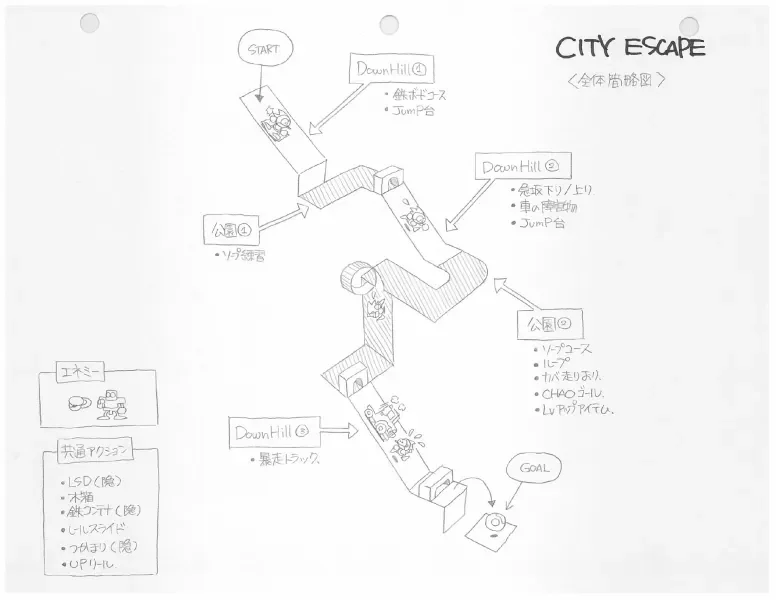
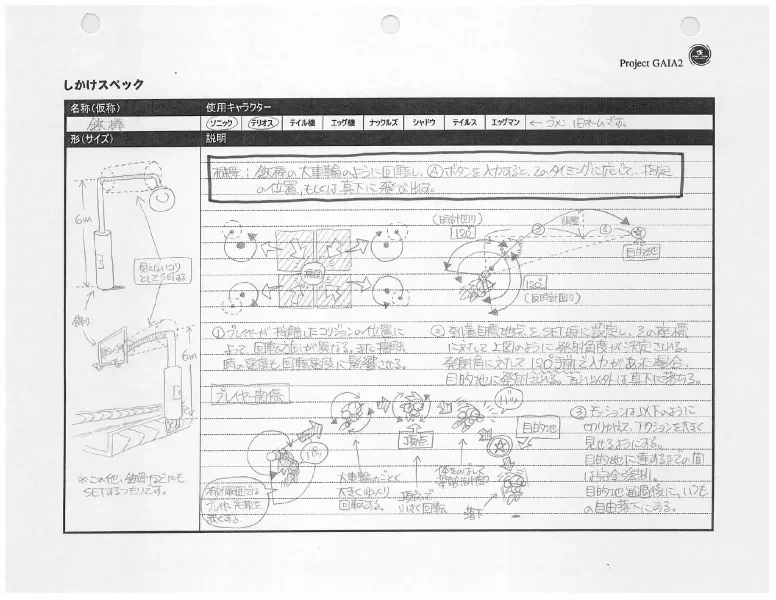
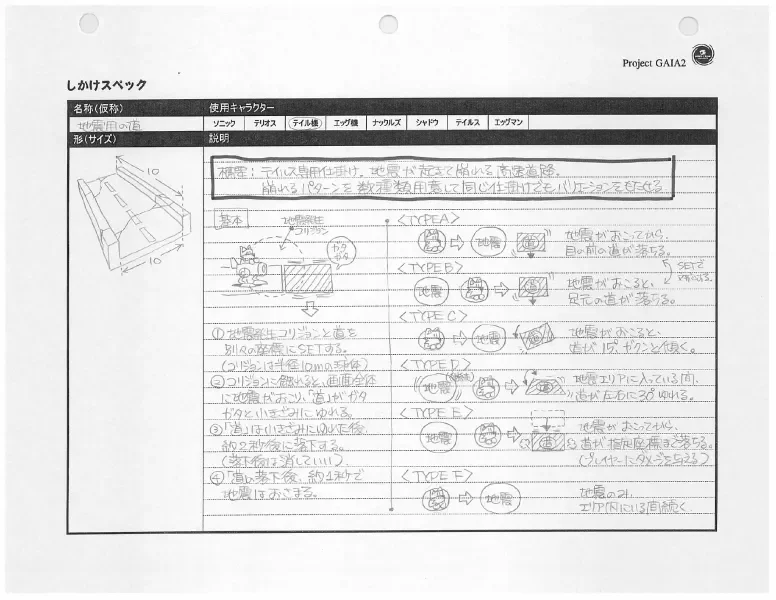
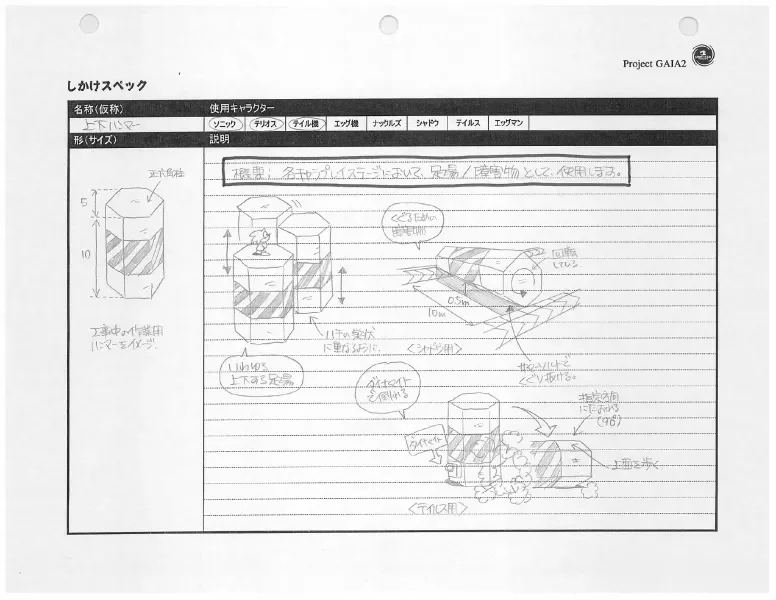
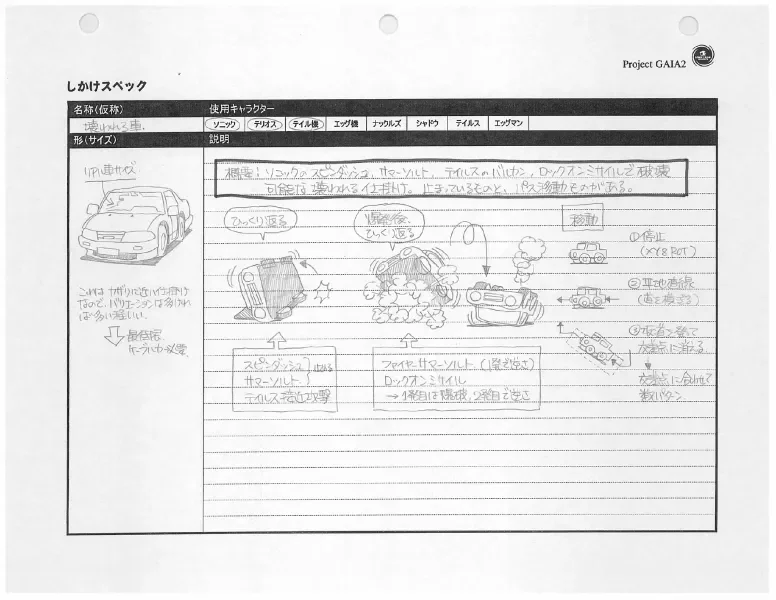
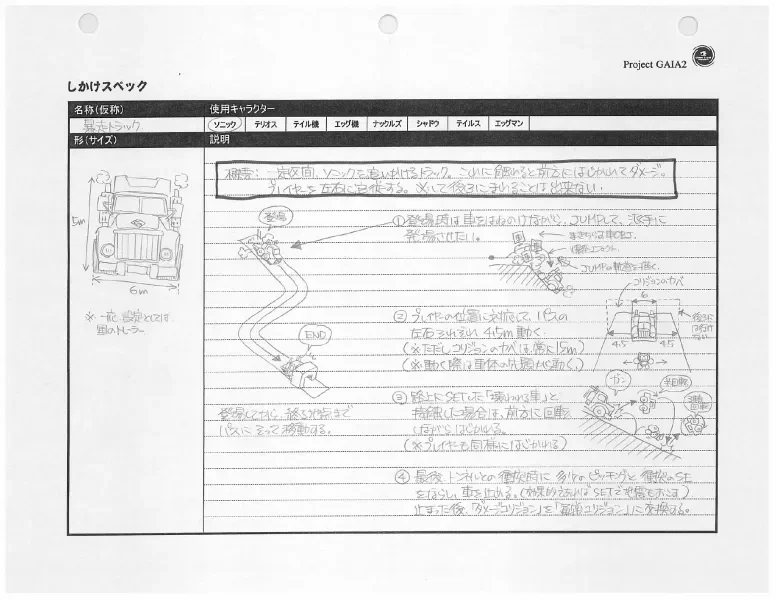
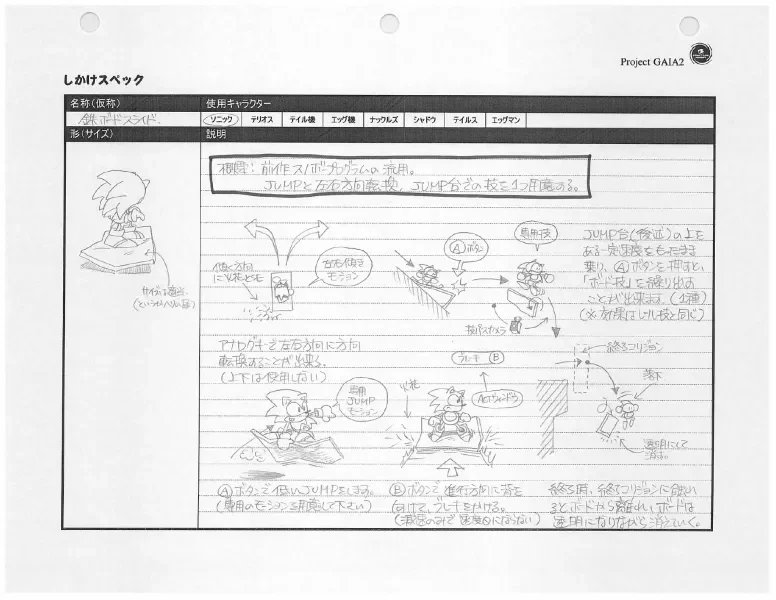
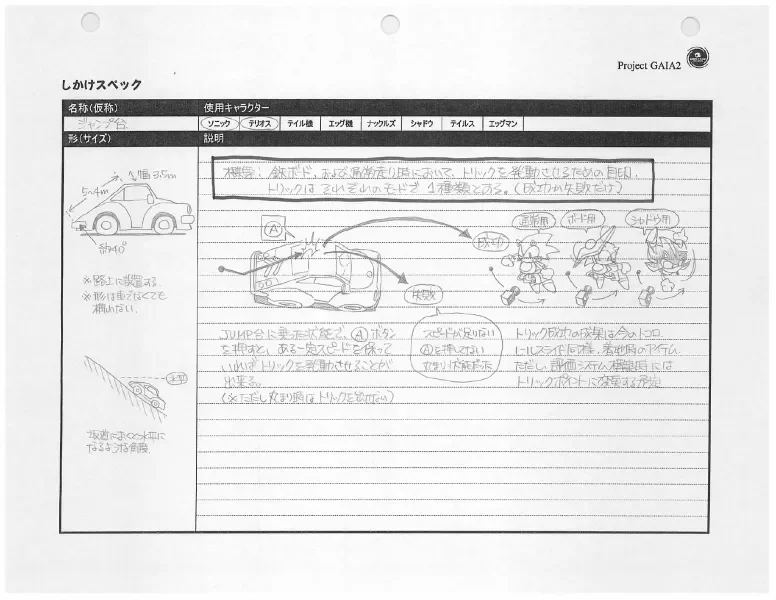
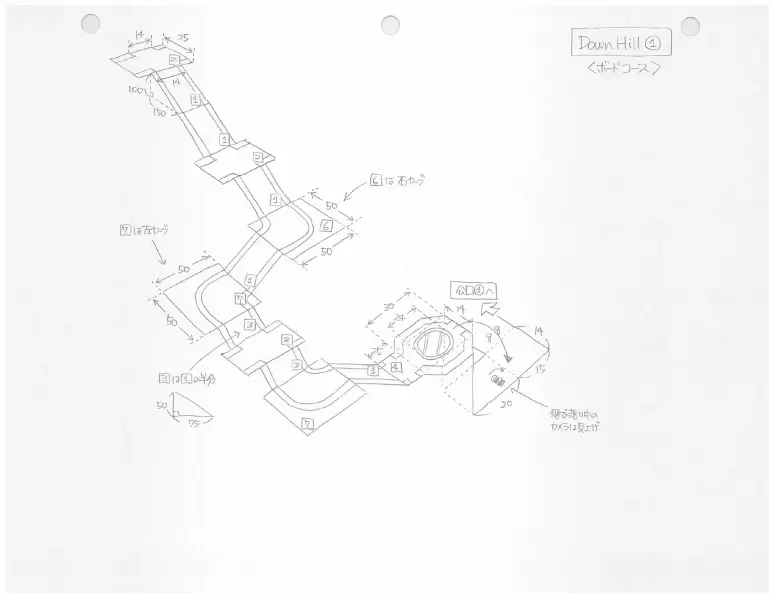
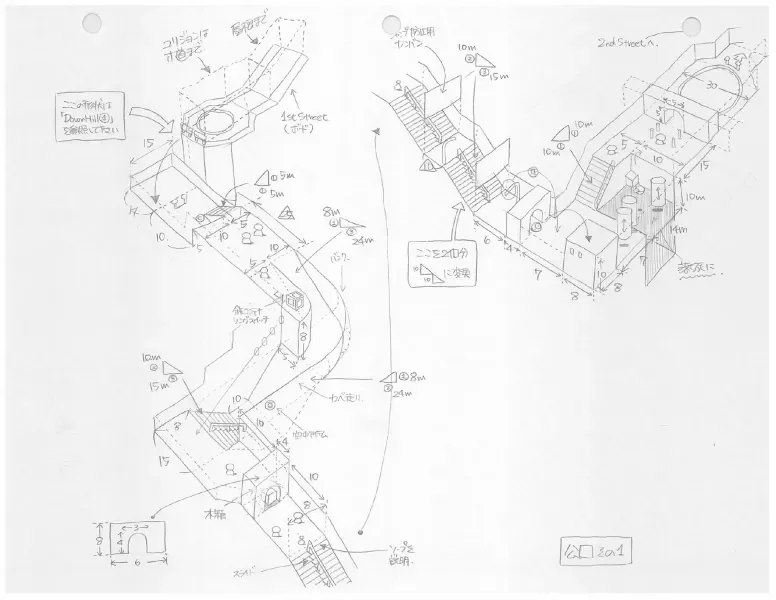
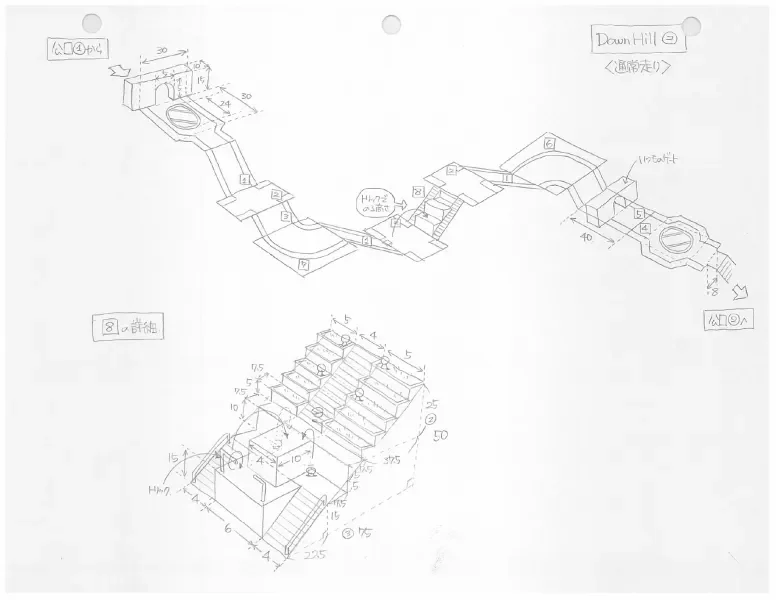
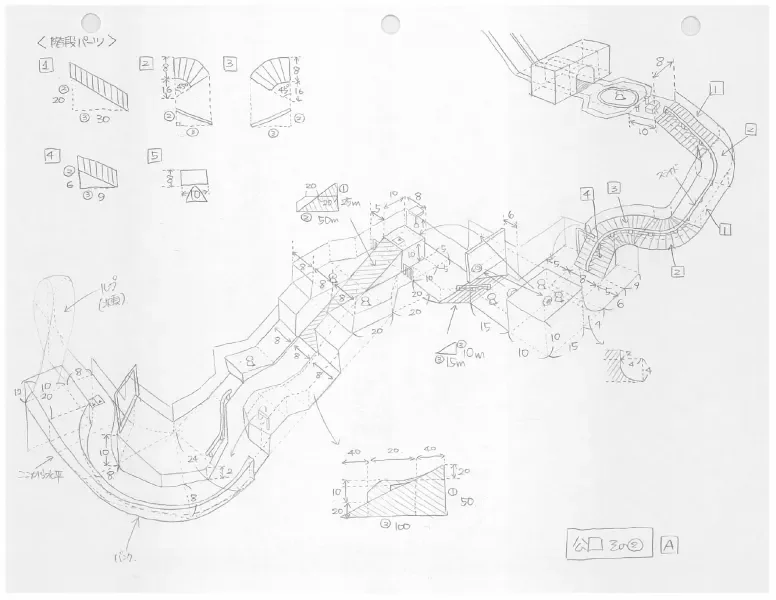
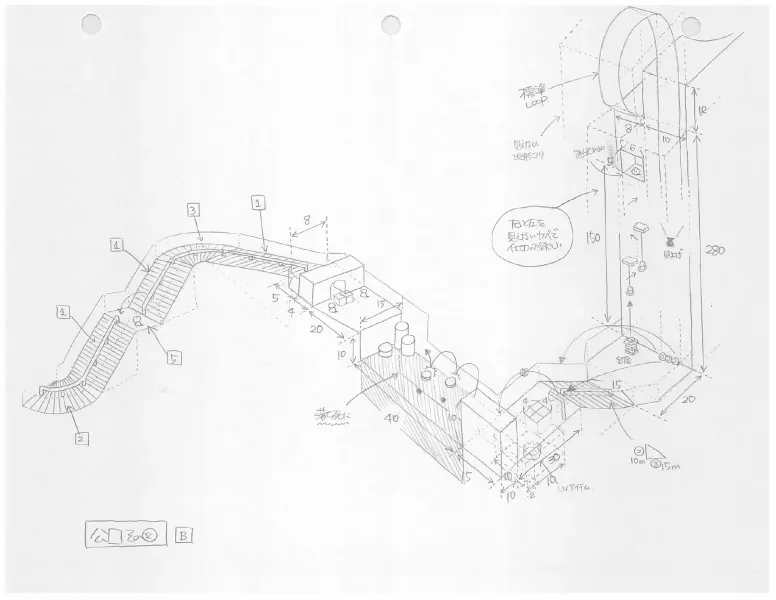
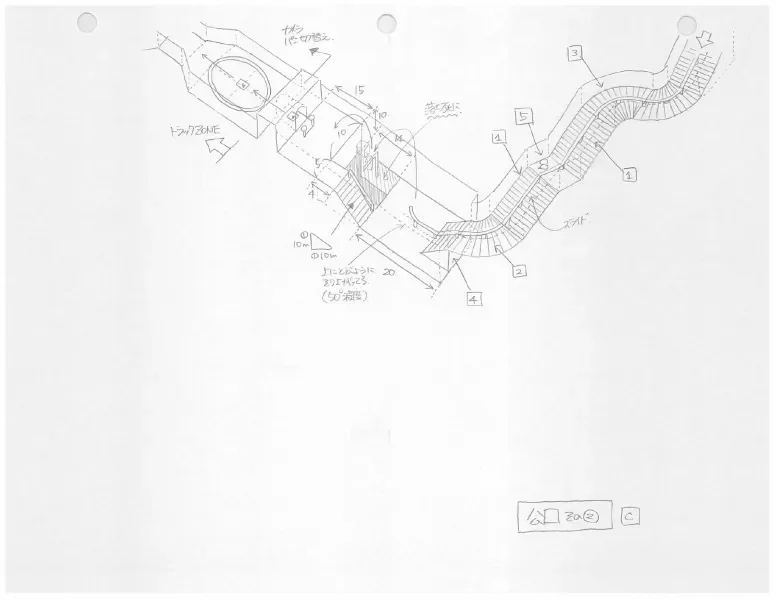
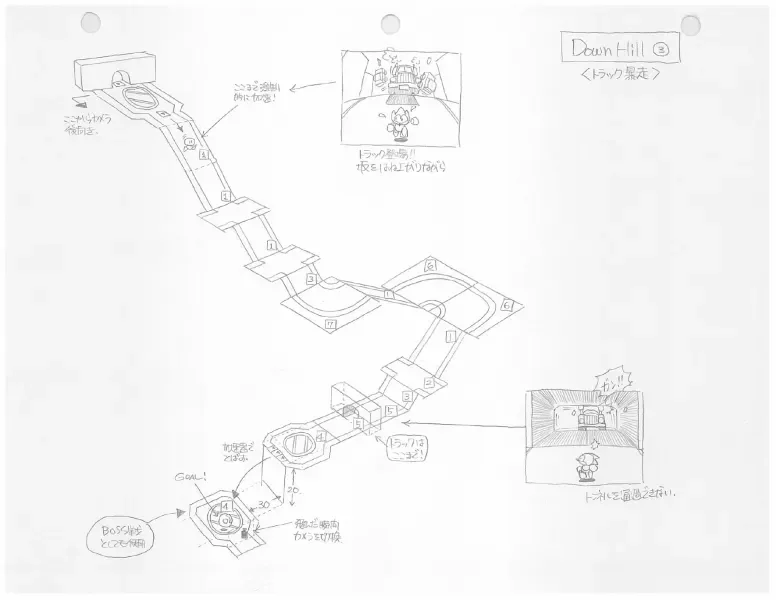
City Escape isn't just notable for its gameplay; it's remembered as the launchpad for Shadow the Hedgehog and the introduction of iconic tracks like "Live and Learn." The design document reveals the creative blueprint for this key level, showcasing elements such as the thrilling snowboard segments and the dramatic chase with the GUN truck. Each carefully incorporated feature contributes to an experience that captures the excitement and urgency that Sonic is known for. It’s telling that City Escape continues to resonate with fans years after its initial release. That kind of staying power is rare; it speaks volumes about the game's design quality and its emotional impact on players.
Looking Ahead: The Significance of Sonic's Evolution
For a deeper dive into this design legacy, you can view the City Escape design document below. And for an authentic experience, hit play on the "Escape from the City" YouTube video as you explore the pages. If you're nearby Los Angeles on the weekend of September 25, you can see these design assets in person at the Sonic Art Exhibit at ARK/8. Admission is free, but participants should register through Eventbrite. This exhibit offers not just a nostalgic trip down memory lane, but also an opportunity to engage with Sonic's evolving artistry over the decades. To further enrich your understanding of Sonic's art evolution over the past 35 years, check out our discussion with Kazuyuki Hoshino. What this means for you, whether you’re a long-time fan or new to the franchise, is an invitation to explore the complexities and challenges behind one of gaming's enduring icons.



Discussion
Sign in to join the discussion.