Xbox is undergoing significant restructuring, laying off 268 employees and transitioning Halo development to Activision while reshuffling its studio operations.
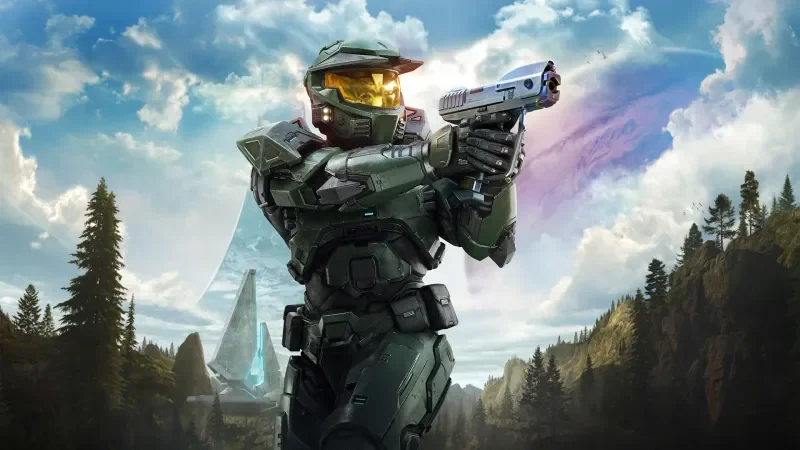
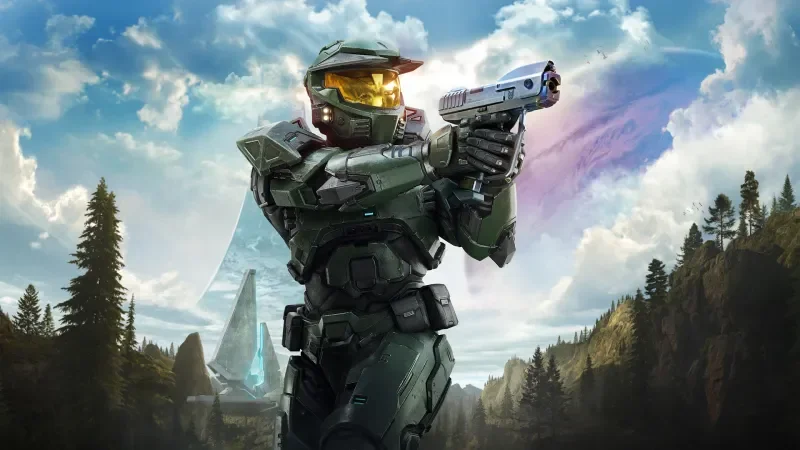
After a significant downsizing earlier this year that saw 1,600 positions eliminated, Xbox has announced another round of layoffs affecting 268 roles across its first-party studios and management divisions. This announcement comes alongside news that Activision will take the reins on the next installment of the renowned Halo franchise, a notable shift in the series' direction that many fans and industry insiders are now questioning.
This development was disclosed in an Xbox Wire post titled "Continuing Our Reset," articulated by Matt Booty, Xbox's executive vice president and chief content officer. Booty's remarks outline that the company is nearing the completion of its previously outlined restructuring efforts. With this latest wave of cuts, the Halo brand experiences a shift away from its original creative team—this move raises eyebrows given the franchise's storied history and cultural significance in gaming.
Strategic Shifts and Team Reallocations
Booty detailed plans for studio restructuring, notably the assignment of Activision to lead not only Halo's development but also to oversee established teams like World's Edge and Rare. The decision to create a new team specifically for the Halo project while retaining a small contingent at Halo Studios to support the existing community and ongoing game operations signifies a critical consolidation within Xbox. It's a move that merges two of the most recognized first-person shooter franchises under the same corporate umbrella. One can only wonder if such consolidation can breathe new life into Halo, or if it will diminish the franchise's unique identity.
Interestingly, other studios are also experiencing realignment. Bethesda is expanding its responsibilities to incorporate projects from Obsidian, including the ongoing Grounded and a new collaboration related to the Fallout franchise. This type of integration can often lead to increased efficiency and improved output, but it may sacrifice the distinct creative voices that each team brings. King will envelop Microsoft Casual Games, further striving to strengthen their casual gaming strategy, an area where momentum is essential but fiercely competitive—it's a make-or-break aspect for Xbox's gaming ecosystem.
Additionally, Playground Games and Turn 10 are merging to streamline their production on Forza and Fable, a logical progression given their long history of collaboration. This partnership might boost efficiency, yet skepticism lingers about whether such consolidations can sustain the creative nuance necessary for crafting captivating gaming experiences.
Further Implications and Future Outlook
Xbox's studio adjustments extend to divestitures as well. Compulsion Games and Double Fine are now operating independently, while Undead Labs, despite ongoing deals in flux, is still set to release State of Decay 3 on Game Pass in the future. This independence can sometimes lead to agility in development and a clearer focus on specific projects, but it might also hinder support systems that larger studios offer. Meanwhile, Ninja Theory's previous agreements fell through, leading to talks about a potential closure, showcasing the risks that come with restructuring and realignment.
It's worth mentioning (and some may overlook this) that Arkane's future also seems uncertain in the wake of these changes. The layoffs and leadership transitions unveil potential vulnerabilities in the continuation of creative franchises that many players cherish. The latest restructuring poses significant implications, particularly for the Halo series, which has been a cornerstone of Xbox's identity. As proactive developments emerge, what does this mean for long-time fans? Despite some recent positive reception for Halo: Campaign Evolved, the layoffs within the franchise's team and the shift away from existing talent signal a worrying trend for what has been a flagship series.
This precarious situation illustrates broader challenges that major developers face amid ongoing market shifts. As the gaming community watches these developments unfold, the question remains: will these changes reinvigorate beloved franchises like Halo, leading them to new heights, or slide into further stagnation amid a series of layoffs and studio consolidations?
Significance and Industry Response
What's at stake here extends beyond individual games; it reflects a larger industry transformation influenced by trends in consumer behavior, technological advances, and competitive pressures. If you're working in this space, you can see how layoffs and restructuring decisions can shift market dynamics and alter gaming narratives. The real test will be how these moves affect the quality and appeal of franchises moving forward.
Changing creative teams could result in entirely different visions for these beloved games. This shift might attract new talent with fresh ideas—offering a chance to reinvent franchises like Halo. Or, it might alienate long-time fans who feel that the essence of what made these games special is being overshadowed. Only time will tell how this restructuring pans out, but the stakes couldn’t be higher for Xbox and its extensive library of IPs. The community is watching closely, and mixed reactions are likely to emerge as the next installment approaches.


Discussion
Sign in to join the discussion.