Rob talks used car buying with Tran Girlismo’s Jordan Hoffstetter and Victoria Scott, then reveals what he chose to replace his aging Mazda.
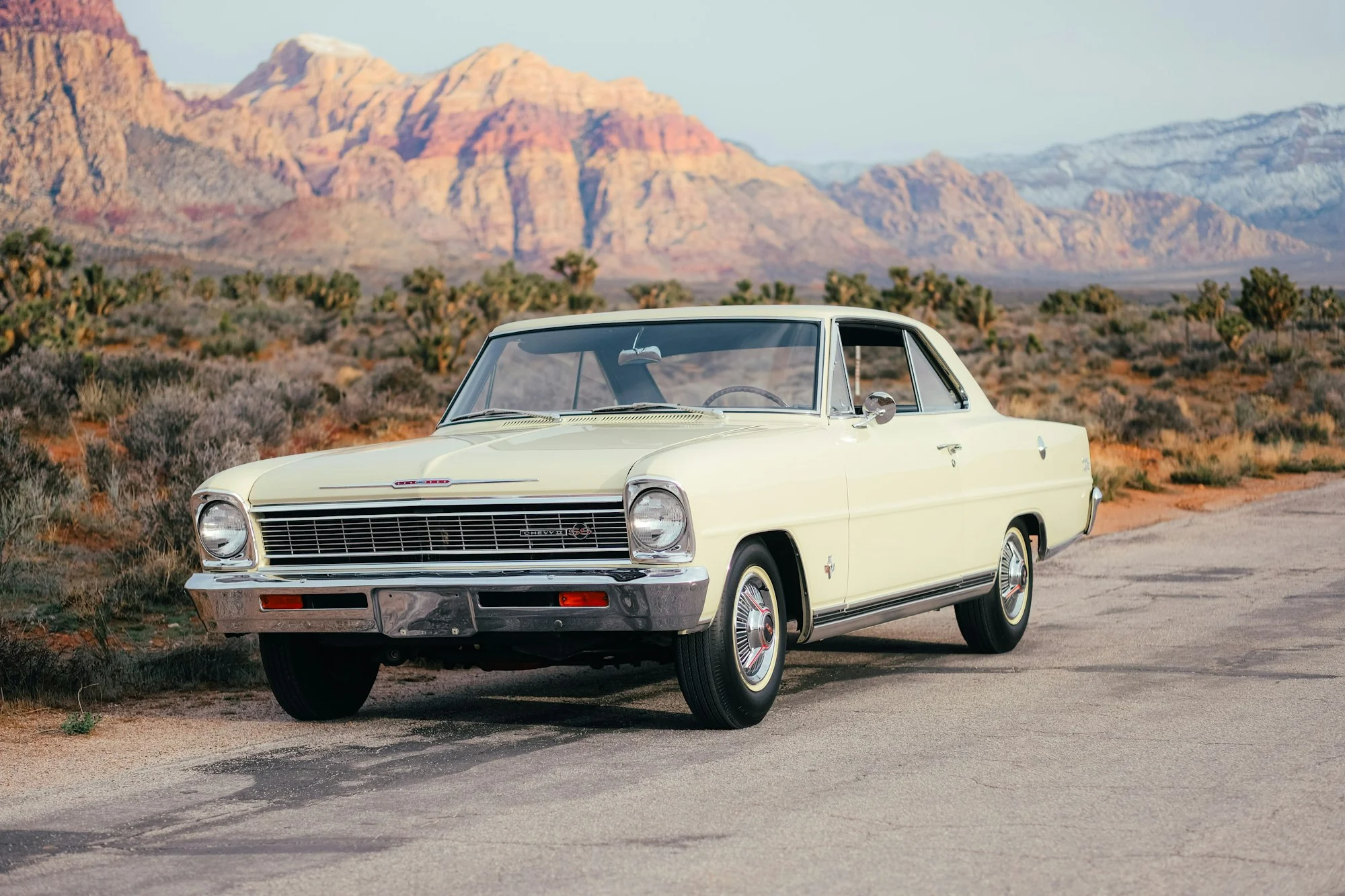
Rob’s conversation with Jordan Hoffstetter and Victoria Scott of Tran Girlismo starts from a premise that many car discussions sidestep: owning a vehicle can be as much about managing compromises as enjoying the drive. Tran Girlismo is known for its skepticism toward cars, and that perspective gives the episode a useful frame for talking about used vehicles. The guests and Rob compare thoughts on older cars, the strange details that can surface during a purchase, and what buyers accept when they choose a vehicle with history behind it.
The appeal and arithmetic of older vehicles
An older vehicle can make sense for reasons that have little to do with romance. Buyers may be drawn to a familiar model, a particular design, or the chance to find a car that fits their needs without pursuing the latest features. But the purchase price is only one part of the decision. Wear, maintenance history, parts availability, and the uncertainty of previous repairs all shape what the car will actually cost to own.
That uncertainty is central to buying used. A vehicle’s age doesn’t tell you how carefully it’s been maintained, and a tidy appearance can’t explain what’s happening beneath the surface. Service records and an inspection can reduce the guesswork, but they can’t turn a used car into a known quantity. The buyer is choosing a mix of practical value and unresolved questions.
Here’s the thing: skepticism about cars can make this conversation sharper, not less useful. A car is often presented as freedom or self-expression; the ownership experience also includes upkeep, storage, and the possibility of repairs at inconvenient times. Those costs don’t make every purchase a mistake. They do make the trade-offs worth discussing plainly.
When a car’s history follows it
The episode also touches on Victoria’s new car and its unsettling Wikipedia entry. The source doesn’t identify what the entry says, so its significance can’t be assessed from this description alone. Still, the detail points to a particular modern quirk of vehicle ownership: information about a model can arrive with a story attached, and that story may affect how an owner feels about the purchase even when it doesn’t settle anything about the car in front of them.
That distinction matters. A general reference entry can describe a model or a topic associated with it, while an individual vehicle has its own condition and maintenance history. Those are different kinds of information. For a prospective buyer, the lesson is not to treat an alarming page as a substitute for checking the specific car; it’s to ask what the information actually establishes and what remains unknown.
And yet, facts aren’t the only part of a purchase. A buyer’s confidence can be shaped by a model’s reputation, the details they discover afterward, and the way the car fits into daily life. Sometimes the oddity is the point of the story. Sometimes it’s a reminder that buying used means accepting context you didn’t create.
Rob’s replacement car, and the verdict
Rob eventually reveals what he bought to replace his aging Mazda, then leaves the Tran Girlismo team to deliver its verdict. That setup gives the discussion a personal stake: instead of speaking only in general terms about used cars, the guests can react to a concrete choice. The description doesn’t name Rob’s new vehicle or report the team’s assessment, so neither the merits of the purchase nor the verdict can be inferred here.
The exchange is more significant than it looks. Replacing an aging car is rarely a clean comparison between old and new; it’s a decision about what problems, costs, and compromises an owner is willing to take on next. A different car may address some frustrations while introducing others. The useful question is whether the buyer understands that exchange, not whether a choice can be declared perfect from a distance.
If you're working through a similar decision, the episode’s premise offers a sensible way to listen: focus on the specific trade-offs rather than the mythology around any one car. What matters is how the vehicle’s condition, history, and ownership demands line up with the buyer’s needs. A verdict from friends can be entertaining, but the underlying reasoning is what travels.
Why the conversation matters
Car skepticism can sound like a rejection of driving, but it can also serve as a check on the assumptions built into car culture. A vehicle may be useful and enjoyable while still being expensive, inconvenient, or hard to evaluate secondhand. Holding those ideas together makes for a more honest conversation than treating every purchase as either a triumph or a blunder.
The episode’s mix of older vehicles, used-car oddities, Victoria’s unsettling Wikipedia discovery, and Rob’s replacement purchase gives that conversation a human scale. No single detail answers the larger question of what makes a used car worthwhile. The answer depends on the particular vehicle and on what its owner is prepared to manage. A story, a reputation, or a friend’s reaction can sharpen the debate—but the practical trade-offs remain.
A judgment call. That’s the nature of buying used.
Library, Zeal or Foundation tier
Subscribe at Library, Zeal or Foundation tier(s) or above to hear "HOA feat. Tran Girlismo" and access the full back catalog for that tier.
Sign up now Already have an account? Sign in


Discussion
Sign in to join the discussion.