Phantom Blade Zero's flexible combat and sprawling Wulin give it the edge over Onimusha, which still wins on enemy challenge and tighter storytelling.
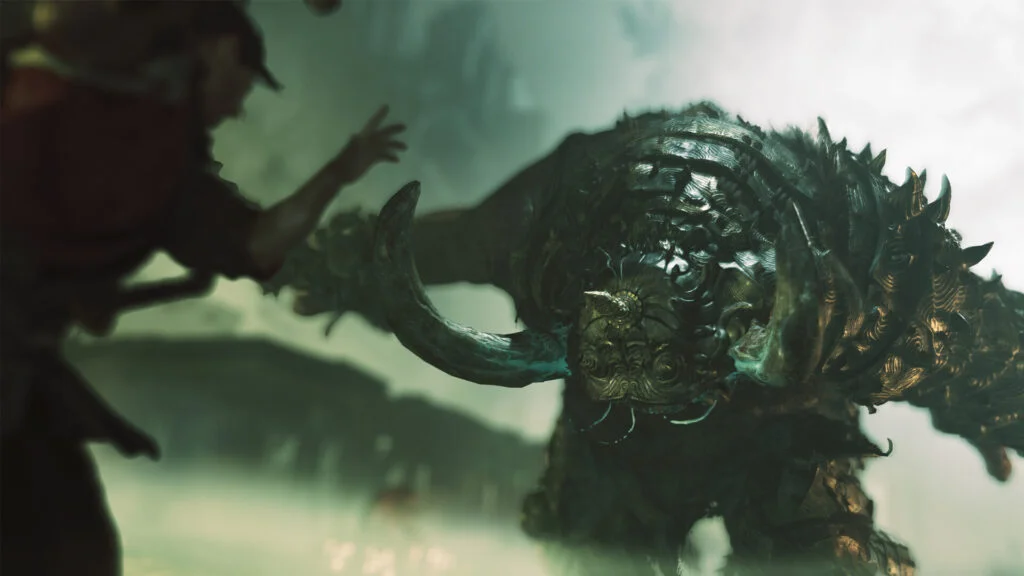
Both games star protagonists who are masters of their craft and never apologize for it. Both have combat systems that can make a fight look like a choreographed film sequence. And both give you a stack of options at any moment, with enough responsiveness that your blade starts to feel like an extension of your hands.
Soul is quieter and more guarded than Miyamoto Musashi's affable arrogance, and their fighting styles look worlds apart in motion. But the differences are narrower than they first appear. We spent time with both swordsmen and kept asking the same question: where does each game's fun actually come from?
This is Onimusha: Way of the Sword against Phantom Blade Zero, and the bout is decided in the details: when to dodge, when to read a telegraph that's nearly invisible at full speed, and when a flashy move is actually the wrong call. Let's get into it.
Rhythm Versus Freedom
Responsiveness is what makes an action game feel good, and both titles deliver it. Musashi and Soul both move with fluidity, but they reward very different instincts. Soul brings more flair and flourish. Musashi is the deliberate one, circling and waiting for the perfect opening before he commits.
Musashi's commitment is the catch. Once he swings, he's locked into the animation even if his timing was off. Soul can change his mind mid-swing and pivot into a defensive move, and the wind-up on those defensive animations is minimal enough to feel almost unfair. Musashi gets a comparable escape only when he risks an Issen counter. His parries and dodges feel a shade slower, and his animations don't chain into one another as smoothly as Soul's do.
Stamina tells the same story. Musashi has only his katana and the Oni Gauntlet, so he has to ration his energy or he gets buried under a relentless string of attacks. Soul simply swaps to his secondary weapon and keeps the pressure on.
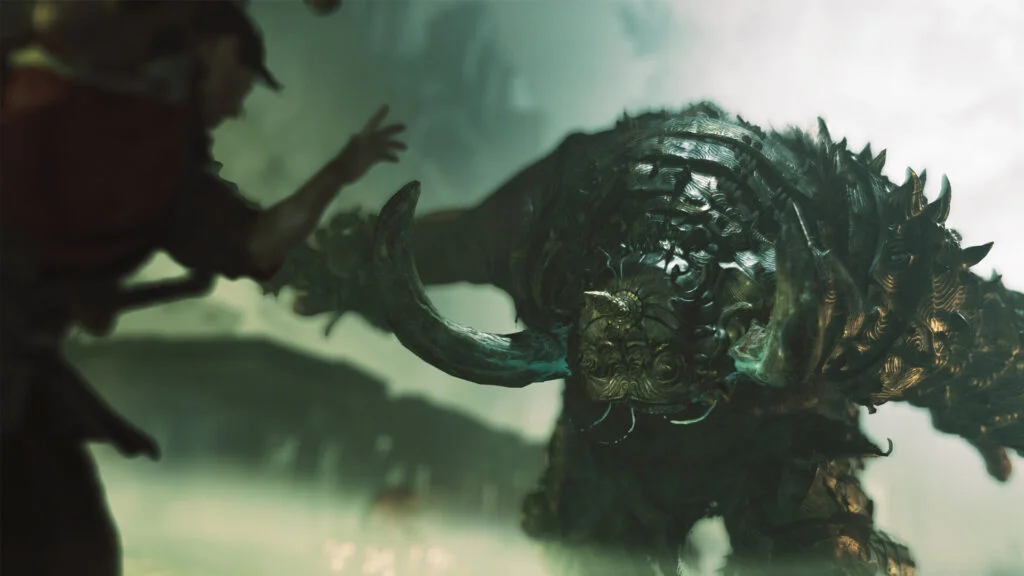
Onimusha is built around punishing openings. You parry, Issen, dodge, and manage the Blaze and Reflex meters to wear enemies down until they're open for finishers, and those finishers are tactical choices rather than simple damage dumps. Do you go for a burst of damage, strike a specific body part to strip away a dangerous attack, or release the orbs that fuel your offensive arsenal? Each option changes how the next exchange plays out.
Phantom Blade Zero takes a different path. Musashi's calculated patience gives way to aggression and a deep command of your weapon. Combos are limited mainly by how much sha-chi you're willing to spend on an attack and how much you hold back to defend against what's coming.
That blurred line between offense and defense is what sets Soul apart from a genre full of protagonists who can only do one or the other, Musashi included. It's a subtle change to a familiar formula, but it shapes the pace and tension of every fight. That's why PB Zero takes this round.
Loadouts and Builds
Depth matters here, and how freely you can mix your tools is a big part of the appeal. Musashi has real range. He can block, parry, Issen, or dodge, then answer with his sword, his bow, or whichever Oni weapon he's carrying, and each one has its own use cases. Still, that can feel constraining next to what Soul can wield in the Wulin.
PB Zero lets you carry two main weapons and two Phantom Edges, and that leaves plenty of room for builds that feel personal. The weapon roster is large, with each piece bringing distinct capabilities. The Phantom Edges add another layer of functionality on top of that, and the game supports experimentation well with generous upgrade materials and respeccing.
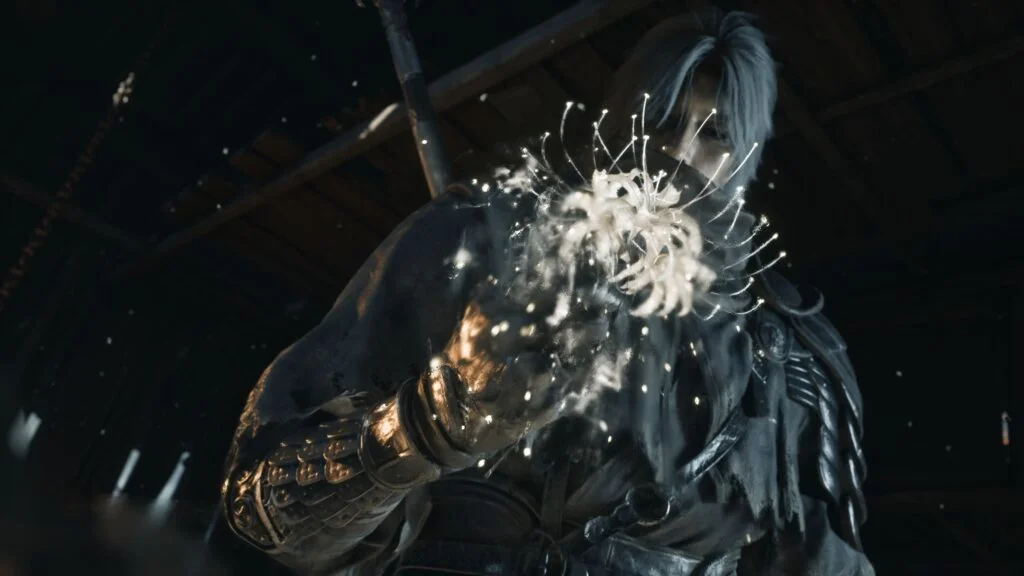
Put simply, Onimusha gives you a limited toolkit and many ways to use it. PB Zero gives you both breadth and depth. Its equippable items also carry buffs that are arguably stronger than the ones Musashi receives. We played both on the hardest available difficulty, and PB Zero consistently got more value out of its gear and weapons.
Musashi's style belongs to him. Soul feels more like clay, shaped by the choices you make while exploring the Wulin and pursuing his goals. Round two goes to PB Zero as well. Of course, a fight is only as good as the opponent on the other side.
Enemies, Bosses, and Real Danger
If the contest seems to be tilting toward Soul, Onimusha is about to correct that. Its rank-and-file enemies present a more coherent challenge as you move through Kyoto and push back the Genma. They're aggressive, and the enemy variety holds up across the game's runtime. Mixed groups force you to juggle different parry windows, attack patterns, and spacing all at once. One mistake is always on your mind as you cut the Genma down one by one.
The Oni Gauntlet gives you some breathing room with crowd control and heavy attacks that can break through defenses. Even so, fighting in Onimusha always feels like your opponent has a fair shot at winning.
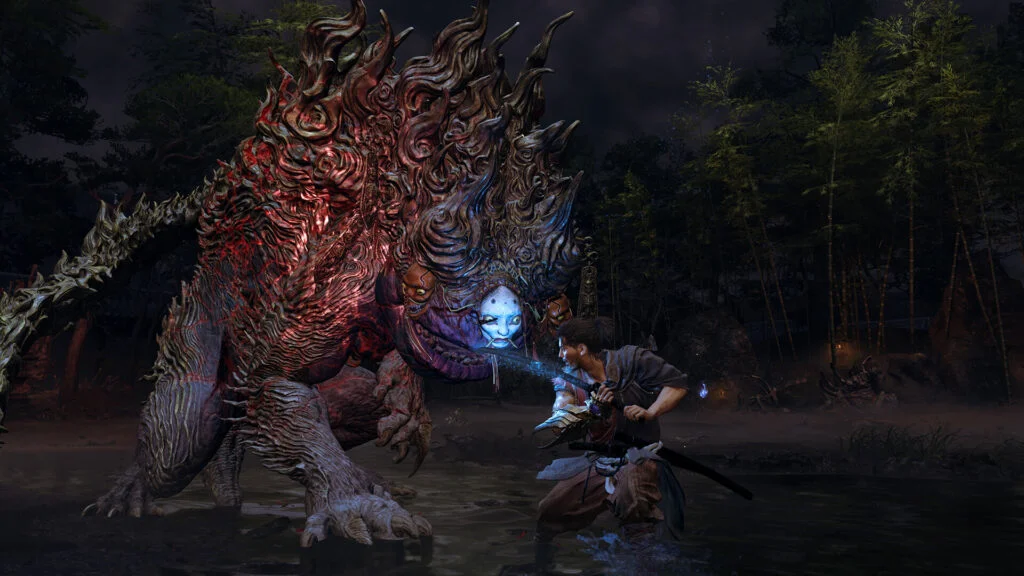
PB Zero is different. Grunt enemies fall too easily, even on Hellwalker difficulty. Soul looks far too skilled for them to pose a threat, and exploring the world rarely feels dangerous. Defeated enemies stay defeated permanently, which removes some of the tension that comes from wandering back into a fight. Onimusha does the opposite, keeping Musashi close to chances to show off his skills. On this point, it's clearly the stronger game.
Bosses shift the balance back. Onimusha's bosses are excellent, but with so many repeat encounters, a few start to feel stale. Sasaki Ganryu is the exception. Each fight shows him growing more unhinged, and more unpredictable and dangerous, as the story pushes him forward. He's proof that Onimusha can make a familiar foe feel like a new threat.
Still, PB Zero has the more impressive boss roster by a wide margin, and nearly every encounter brings something distinct. The Gold-Masked One is my personal favorite. He feels like someone even Soul would struggle to beat, and that's rare in a game where Soul often seems to have won before the fight starts. For that stretch, the Gold-Masked One is the one who makes you doubt him.
Taken as a whole, though, Onimusha is the game where death feels close, and closer than you might expect. It earns this round.
Kyoto, the Wulin, and the Stories They Tell
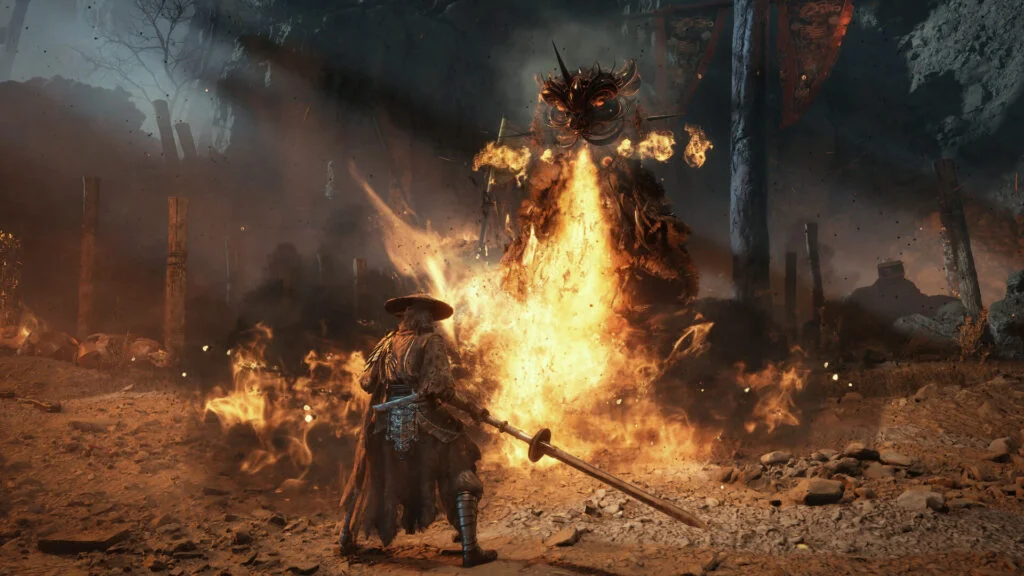
Set the swordsmen aside for a moment and compare their worlds. Kyoto has real grandeur in places, but as a city under Genma attack, it lacks the variety of the Wulin.
The Wulin also has far better verticality. Onimusha offers a few clever ways to get around and some moments where Musashi needs to think rather than swing, but most of Kyoto is fairly direct.
The Wulin feels dense and mysterious by comparison. Phantom Edges work as keys to sealed sections of areas you've already visited, which makes backtracking feel rewarding. The hand-crafted maps tuck their secrets well, so your curiosity pulls you into the deepest corners. Onimusha doesn't encourage that kind of return trip. Its locked areas are reachable, but the unlocking tools are scarce and spread thin, so backtracking becomes a chore.
The story is the one place where Onimusha nearly matches its combat. Musashi's tale is compelling from the start and stays that way through the credits, and he remains at the center of it. His allies are likable, and each brings a useful skill that makes them worth caring about.
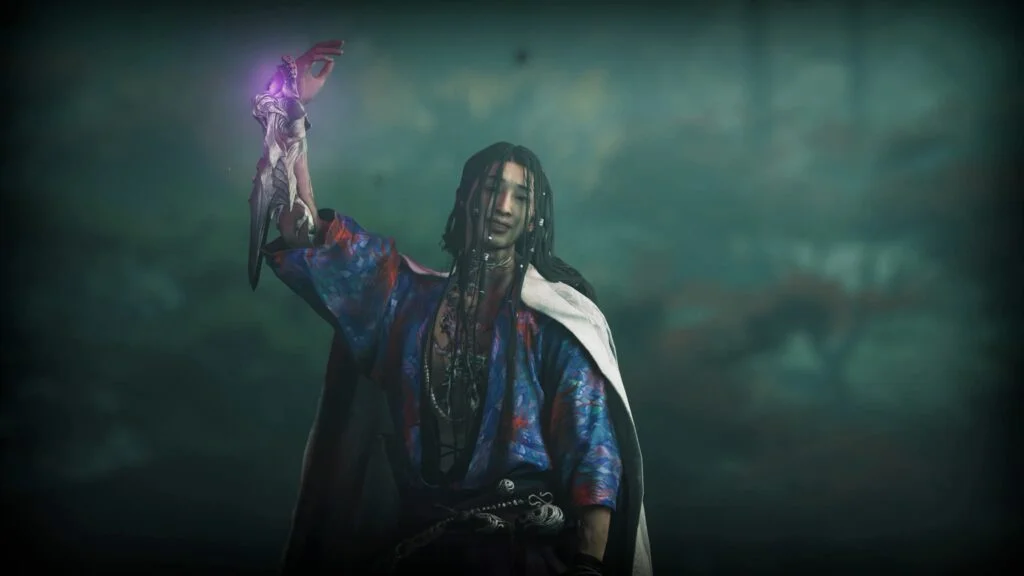
The cutscenes and pacing keep the plot moving without wearing out their welcome. The dialogue, characters, and emotional beats around major moments keep you invested in the clash between Oni and Genma.
PB Zero's revenge story is just as strong on paper, but the dialogue is flat in places, and its cutscenes are polished without much flair. The events feel important, but they don't feel personal. We had no trouble adopting Musashi's fight as our own. Soul's search for a proper heart doesn't hit those same highs. Round four goes to Onimusha.
Presentation is a different matter, and it's the first area where the two are close to even. Blades clash with satisfying force, and explosions and crashes carry enough weight to feel believable. Animations, environmental detail, and effects are both excellent.
The soundtrack gives PB Zero a slight edge. Its variety and smart choices lean into the steampunk and kung-fu influences it wears openly. That's not enough to pull it clearly ahead, so as far as presentation goes, Soul and Musashi give each other a respectful nod.
What Keeps You Coming Back
Longevity could have tipped things toward one side, but one detail complicates it. We kept returning to Onimusha's Carnage Mode long after finishing the main story because the added difficulty kept the combat sharp. If you played on hard the first time, though, there's not much else to pull you back beyond the combat itself.
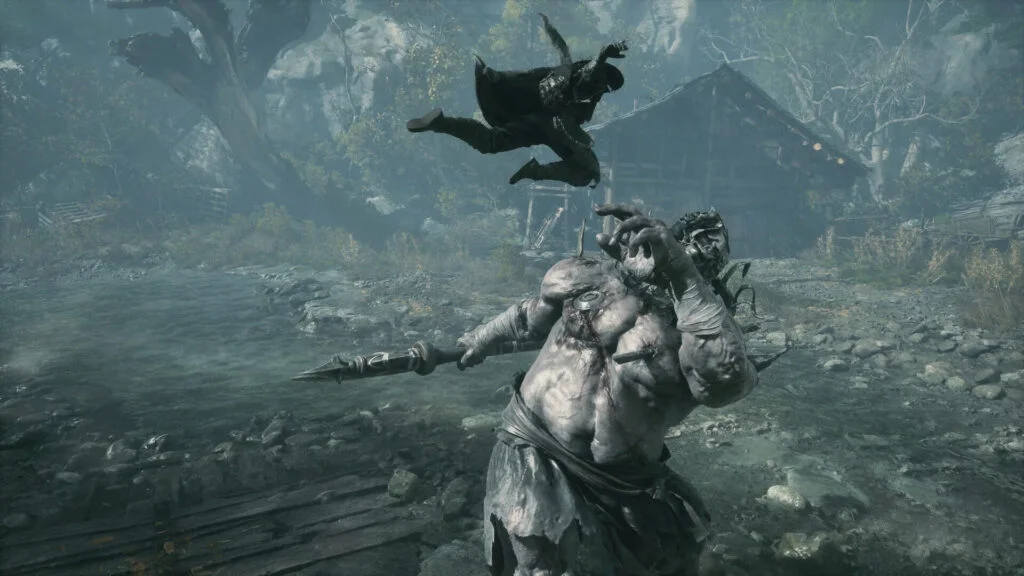
PB Zero has 66 Days mode, which is the more interesting option. Hellwalker is too easy to clear, but 66 Days adds a permadeath challenge with only 66 lives. It immediately changes how the game feels, and the narrative already supplies a reason for the difficulty. Personally, I think it should have been the only mode. It's how the game looks it wants to be played, and making it optional feels like a missed opportunity.
I understand the appeal of collecting every weapon, item, and Phantom Edge while approaching permadeath with a full loadout. Still, it's hard not to feel that S-GAME played it safe on the challenge side, probably to reach a wider audience.
Limited lives also turn a second playthrough into something worth doing. The Wulin is dense enough that a second pass uncovers things you missed the first time. Onimusha's world doesn't sustain that momentum, and even its excellent combat isn't enough to carry a second run to the end. On replay value, PB Zero wins.
The Verdict
Phantom Blade Zero comes out ahead, with more room for player freedom and expression in combat and a design and presentation that edge slightly past Onimusha. The two share a lot of DNA, but enough separates them to make this comparison worth making.
Onimusha brings a clear vision and nearly flawless execution to its combat and world. That vision may also have kept it anchored to Kyoto and kept it from reaching the scale Phantom Blade Zero aims for. Soul's journey shows its ambition so openly that it's contagious, especially when you're stepping into the duels the game keeps throwing at you.
Musashi had his moment in the spotlight. Soul's inner darkness and gruff exterior won't earn him any awards for charm, but nobody will doubt his ability to end you quickly, even from across the room.
When it's time to draw steel, Phantom Blade Zero is the one we'd reach for almost every time. It's where you go when you want your blade to say who you are.


Discussion
Sign in to join the discussion.