Crimson Desert's Charting the Unknown turns the sea into a destination in its own right, with enough pirates, hidden gear and side stories to swallow a weekend.
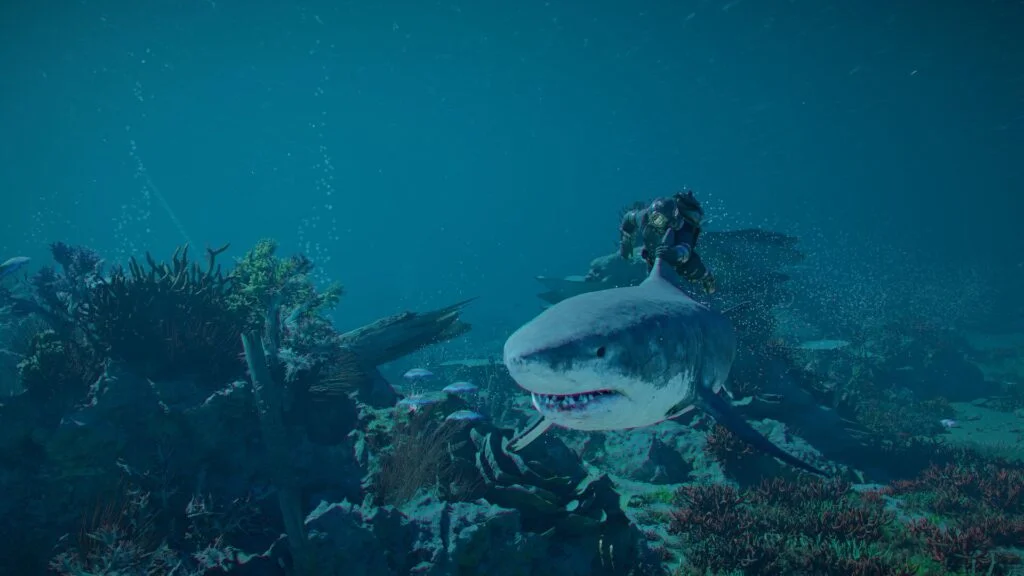
Crimson Desert's new expansion has a scheduling problem, and it isn't the one you'd expect. The sea isn't a backdrop between islands. It's a second game sitting on top of the first, and it's big enough that I spent a full weekend with it and still felt like I'd barely left the shoreline.
Stepping away for lunch was a mistake. I'd drift off wondering what was hiding on the island on the horizon, or whether the underwater ruins I'd just passed could yield something that would make the next trip easier. Every find brought a little rush, and every rush came with the nagging sense that the next one might be bigger.
The scale is almost hard to believe at first. It's packed with so much that I kept second-guessing how much content one expansion could hold. I've since stopped arguing with it. Now my goal is to uncover every secret the depths are hiding, though I'm honestly not sure that's realistic. Christmas break is supposed to be for this kind of thing, and I still doubt I'll manage it.
Pywel Gets a Second Face
Pywel already had plenty to keep me busy. Hernand was a region I couldn't leave because of how much there was to do inside its borders. Demeniss pulled me in with its political tangles, and Delysia impressed me with Marni's machines, a blend of steampunk and fantasy that felt genuinely odd in the best way.
Still, the ocean was off limits for most of that, and that restriction stung. The expansion opens it up. The shoreline becomes the jumping-off point for new activities and new ways of engaging with the world. Plenty of the base game's systems carry over, and they fit the new exploration loop cleanly rather than feeling bolted on.
Going underwater changes the scale of everything. If all you've seen are the promotional materials, you'd never guess how much the world expands once you're beneath the surface. Your ship is central to that shift, and the developers got the sense of a long voyage right. Plotting a course and pushing off feels like the start of a real trip, complete with the uncertainty that comes with open water. The coast slips away behind you, the sea stretches out in every direction, and the island you're aiming for grows slowly on the horizon. That slow approach does a lot of the work of selling the size of the place.
And the detours along the way matter just as much as the destination.
Discovery Is the Hook
What keeps the ocean interesting is that nearly every stop has something worth finding. Each new island seems to hide a reason to keep sailing.
I arrived at one island expecting an uneventful stop, only to find it fully occupied by the Catfish Pirates. Clearing them out was never really in question. What I didn't expect was the reward: a striking ship rose up out of the ground in an entrance dramatic enough that I just stared at it. Yes, it really happened that way.
Another island handed me a treasure map. Following it pulled me across more water, and I was hoping the trip would pay off with something useful for my build, my ship, or my diving gear. It did, though I won't spoil the specifics. What I will say is that I spent the rest of the session wondering how many more moments like that were waiting out there.
That's the real lesson of the design. The journey matters as much as the destination, and the easiest way to see any of it through is to get moving. I'll admit I felt lost when I first set out. I didn't know where I was supposed to go or what I was meant to do once I got there. Then I reminded myself that this is Crimson Desert, and that shift in mindset is when the sheer size of the new Pywel finally clicked.
What Lies Beneath
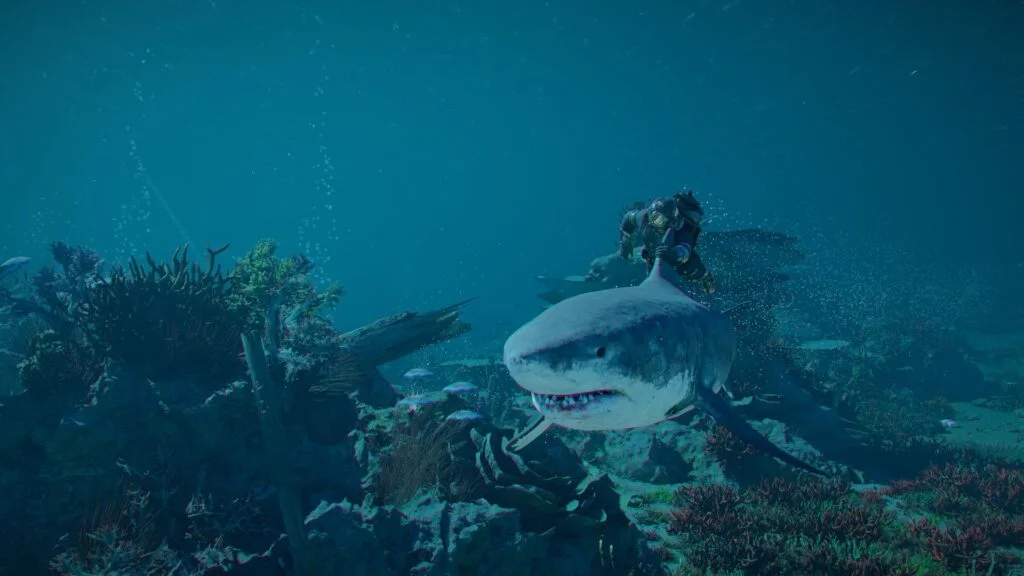
I've mostly talked about sailing, and that's on purpose. Underwater exploration deserves its own attention. Honestly, I suspect it's big enough to fill a separate discussion, and my sense is that I've only scratched the surface.
The ocean feels vast the moment you dive. Without proper gear, though, trips to the seabed are short. You have to move quickly to grab hidden chests and secrets before you need to head back up for air.
One sunken factory changed that. Its ruins held a piece of gear that extended how long I could stay underwater and added propellers that let me cover ground much faster. It was a thrilling find. But after everything else I'd seen, I couldn't shake the feeling that something even better was waiting at the far end of the map.
Here's the thing, though. Planning a route through all of this is harder than it sounds. I was tempted to drop markers at random and sail toward each one, but the game kept pulling me into its own threads.
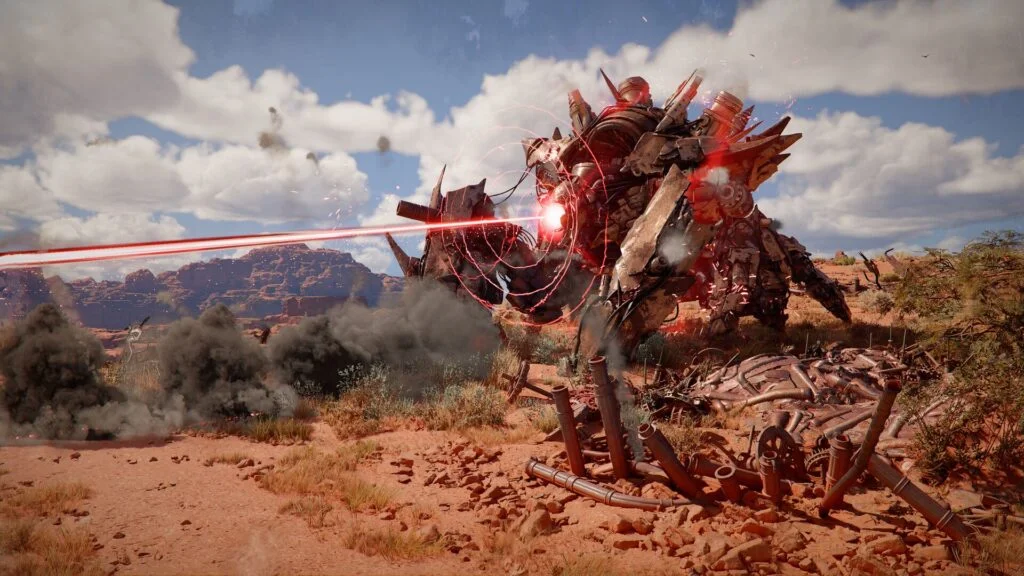
Remember the pirate island and that impressive ship? While heading to another island in search of enemies to fight and loot to haul back to my new castle, I picked up a quest tied to the pirates. It pointed to an ancient shrine and a monster the pirates wanted to control. "Over my dead body," I thought, and I set off for the shrine's treasure, a device that could wreck their plans if I got to it first.
Four hours later, I was somewhere else entirely, chasing a different set of leads. If you've spent time in Pywel, that will feel familiar. The expansion recreates that wandering spirit well. A pirate bounty on the horizon or a stray conversation can redirect you in an instant.
That unpredictability is a big part of the appeal. The ocean feels as fickle as the real one, and that makes travelling it irresistible. Even so, my massive Delysian vessel could only hold my attention for so long before something pulled me back toward the coast.
Stories Worth Returning To
The pull back to land comes from more than the new ways to leave your mark. You can own businesses, build houses, and decorate castles to your taste, and that adds a welcome layer of investment to Pywel. But what really drew me back was the epilogues for Kliff, Damiane, and Oongka.
Those stories are handled with care. Each conclusion fits the character's personality, and each one offers a thoughtful take on what their role in Pywel's future means to them personally.
Taken together, the pieces create a rhythm that's hard to put down: travel, discovery, and encounters that stick with you long after you've left the wheel. It took roughly fifteen hours of play to reach this point, which tells you how wide the new world really is.
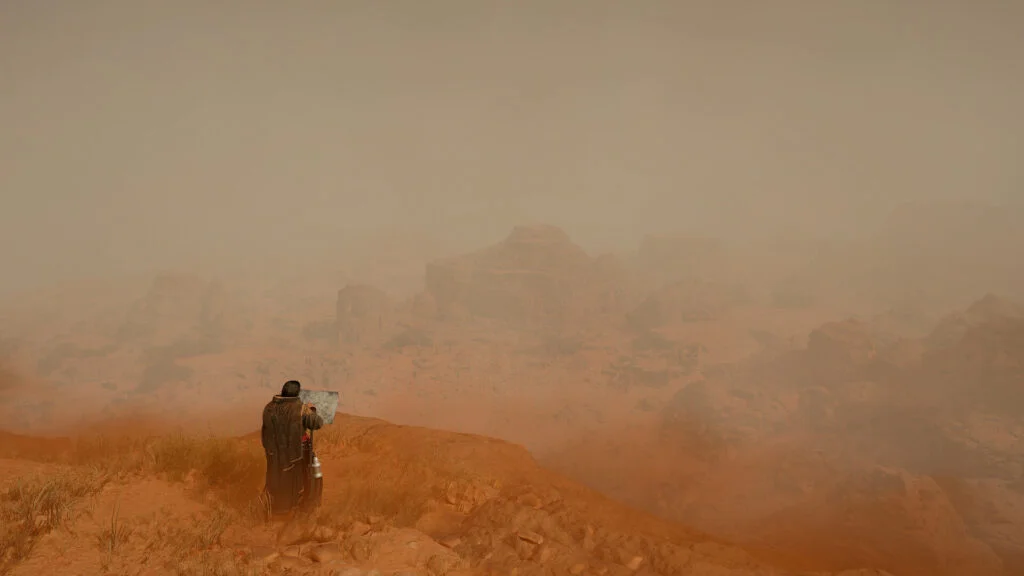
I was curious about the ocean from the moment the expansion was announced. What I didn't anticipate was its sheer scope, or how it would keep pulling me into one more detour. I'd tell myself I'd just check that island in the distance, or just dive in to see if anything was down there. Hours later, I was still at sea.
I keep thinking about the spots I marked on my map and then ignored in favor of something in the opposite direction. I'll get to all of them eventually, and I'm not worried about forgetting why I wanted to go. After nearly thirty years of playing games, this is the largest expansion I can remember.
It's been a pleasure to play, and I expect that feeling to last well into 2027 as I work through the vast stretch of water that has already taken up permanent residence in my head.



Discussion
Sign in to join the discussion.