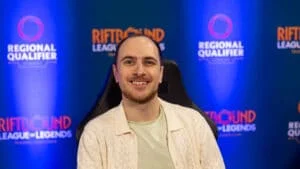
James O'Leary, known as 'Stress', is transitioning from a League of Legends casting legend to a pivotal figure in the UK’s Riftbound esports scene.
The Legacy of EU LCS
Over a decade ago, the EU LCS emerged as a powerhouse in the esports community, showcasing remarkable teams like Fnatic and CLG EU. This league didn't just serve as a competitive platform; it helped to legitimize esports in Europe and laid the groundwork for the massive industry we see today. The EU LCS was pivotal for more than just gameplay; it was a cultural phenomenon, drawing in fans and providing a stage for players who'd eventually become household names.
Among the voices that brought these battles to life was James O’Leary, widely recognized as Stress. His insightful commentary and engaging personality contributed significantly to how audiences interpreted the strategies and intricacies of League of Legends during its peak. Stress wasn't just a commentator; he molded the viewer experience, making each match feel momentous and accessible. The storytelling aspect of esports, often overshadowed by the gameplay itself, found an effective champion in him.
What’s often overlooked is how the EU LCS also impacted the professional paths of both players and commentators. The league's structure and push for high-level competition created a breeding ground for talent, including those who would go on to hold key positions in various esports organizations. This legacy can still be seen today as many former players and analysts transition into coaching or management roles, contributing to the growth of the industry on different fronts.
A New Chapter in Esports
After stepping back from the League of Legends professional scene in late 2017, O’Leary shifted his focus towards Germany’s wrestling scene. This was an interesting pivot, showcasing how versatile esports professionals can be. Wrestling, like esports, thrives on storytelling and audience engagement. O’Leary’s expertise helped to draw parallels between the two worlds, allowing him to apply lessons learned in competitive gaming to a different form of entertainment.
During the pandemic period, he lent his expertise to organizations like Splyce and Mad Lions. This involvement wasn't without its challenges, as the esports community faced unprecedented hurdles during lockdowns and social distancing measures. While traditional sports ground to a halt, esports continued to surge, partly due to the adaptability of figures like O’Leary. By integrating with established organizations, he was able to keep the competitive spirit alive, contributing to broadcasts and online engagements that kept fans connected even in isolation.
Now, he’s channeling his efforts into nurturing the Riftbound community in the UK. This new focus is significant for several reasons. The Riftbound scene is relatively new but has potential to be a major player in the UK’s esports ecosystem. It’s a community that is in need of guidance, in terms of both commentary and organizational structure. O’Leary's involvement indicates a trend where seasoned veterans return to grassroots initiatives to elevate the next generation of esports players. This act of mentorship could be vital in sustaining the growth of new game titles and local communities.
This isn't just about a single game or commentator; it's indicative of a growing trend where established figures are investing back into the community. But let’s pause for a moment. (and this is the part most people overlook) O’Leary's return isn't just an isolated case. There's a wave of former professionals pivoting to educative roles across various esports titles, pushing forward an ethos of sharing knowledge and fostering new talent. The implications of this phenomenon could signal a maturation of esports as a whole, especially in regions emerging on the global scene.
Implications for the Future
The importance of nurturing grassroots communities can’t be overstated. If you're working in this space, you understand how essential these foundations are for the future health of esports. With figures like O’Leary taking an active role in the expansion of games like Riftbound, there's a significant opportunity for sustainable growth. This aligns well with the larger narrative of esports moving from niche to mainstream, not just in spectator numbers but also in organizational professionalism.
From a broader context, creating ecosystems around emerging games could help avoid the pitfalls that some have faced in the past. Many titles launch with significant hype but fizzle out quickly, partly due to a lack of community investment. Parallels can be drawn with the rapid rise and fall of other popular esports titles—think of heroes like BattleBorn or Paragon, which suffered from lackluster support. Building strong communities early on with experienced mentors is one way to mitigate that risk.
Finally, as industry players continue to shift their focus back towards nurturing emerging talent, it brings up another question: how will funding and organizational support adapt to these grassroots initiatives? The esports industry thrives on sponsorships and media rights, but if significant figures focus more on community enhancement instead of direct competition, the financial models will surely have to evolve in response. This has serious implications for how games are marketed, how players are supported, and how audiences consume content.
In summary, O’Leary’s journey reflects a shift in priorities within the esports community—one that values the sustenance of its roots while paving the way for future growth. The long-term implications of such mentorship could redefine how new titles are played, perceived, and ultimately valued in the grand scheme of esports.
Continue reading about how Stress is influencing the UK’s Riftbound scene


Discussion
Sign in to join the discussion.