Discover the standout products and technologies unveiled at Snapdragon Summit 2026, showcasing advancements in smartphones, gaming, and wearable tech.

Qualcomm's annual Snapdragon Summit has just wrapped up in Maui, unveiling a plethora of devices powered by the Snapdragon 8 Elite Gen 6, alongside innovative new technologies. This year’s event highlighted advancements across smartphones, gaming experiences, wearables, and more. Let’s dive into some of the most intriguing developments showcased this year.
Xiaomi 18 Pro: The Dual Display Approach
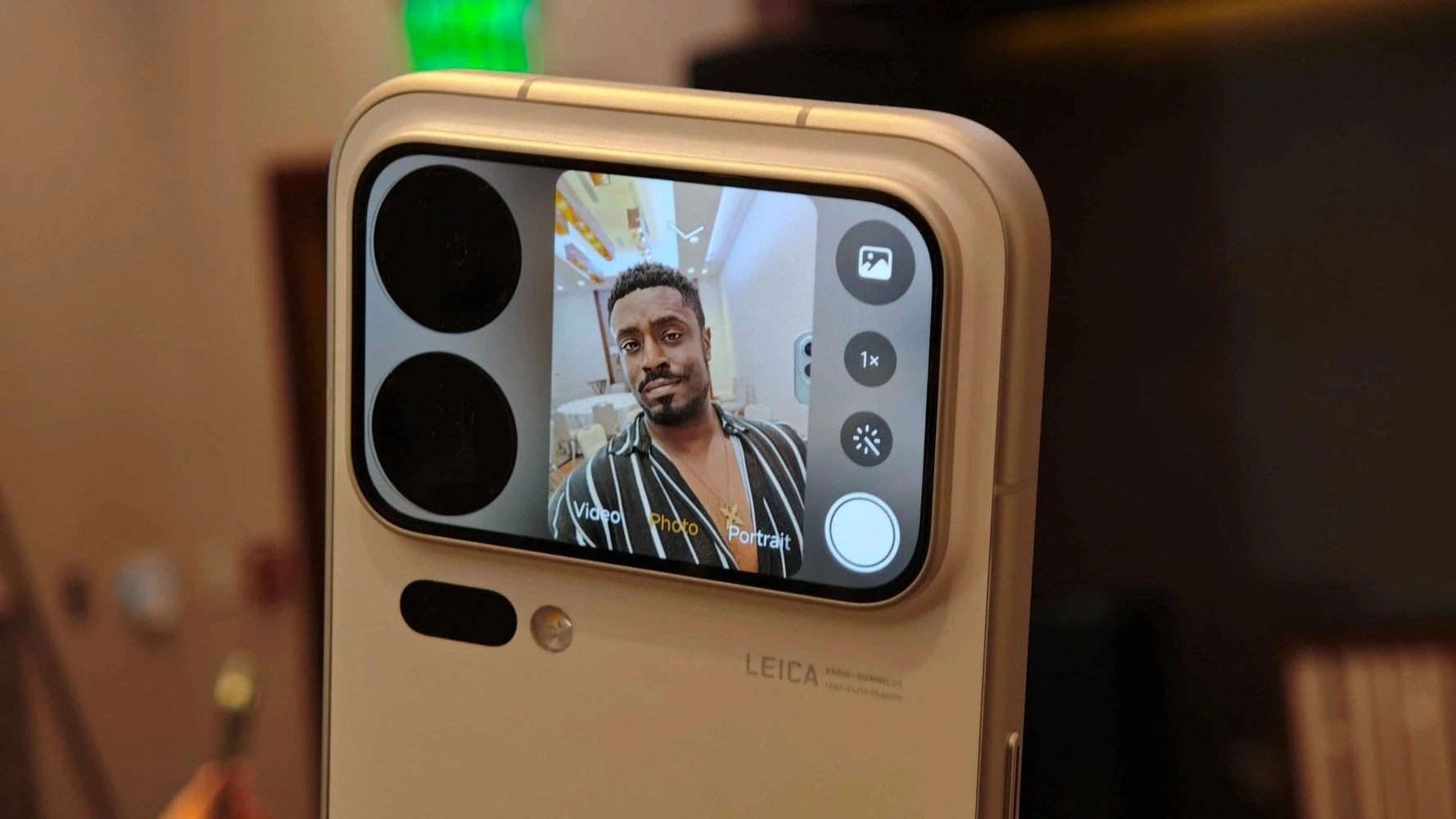
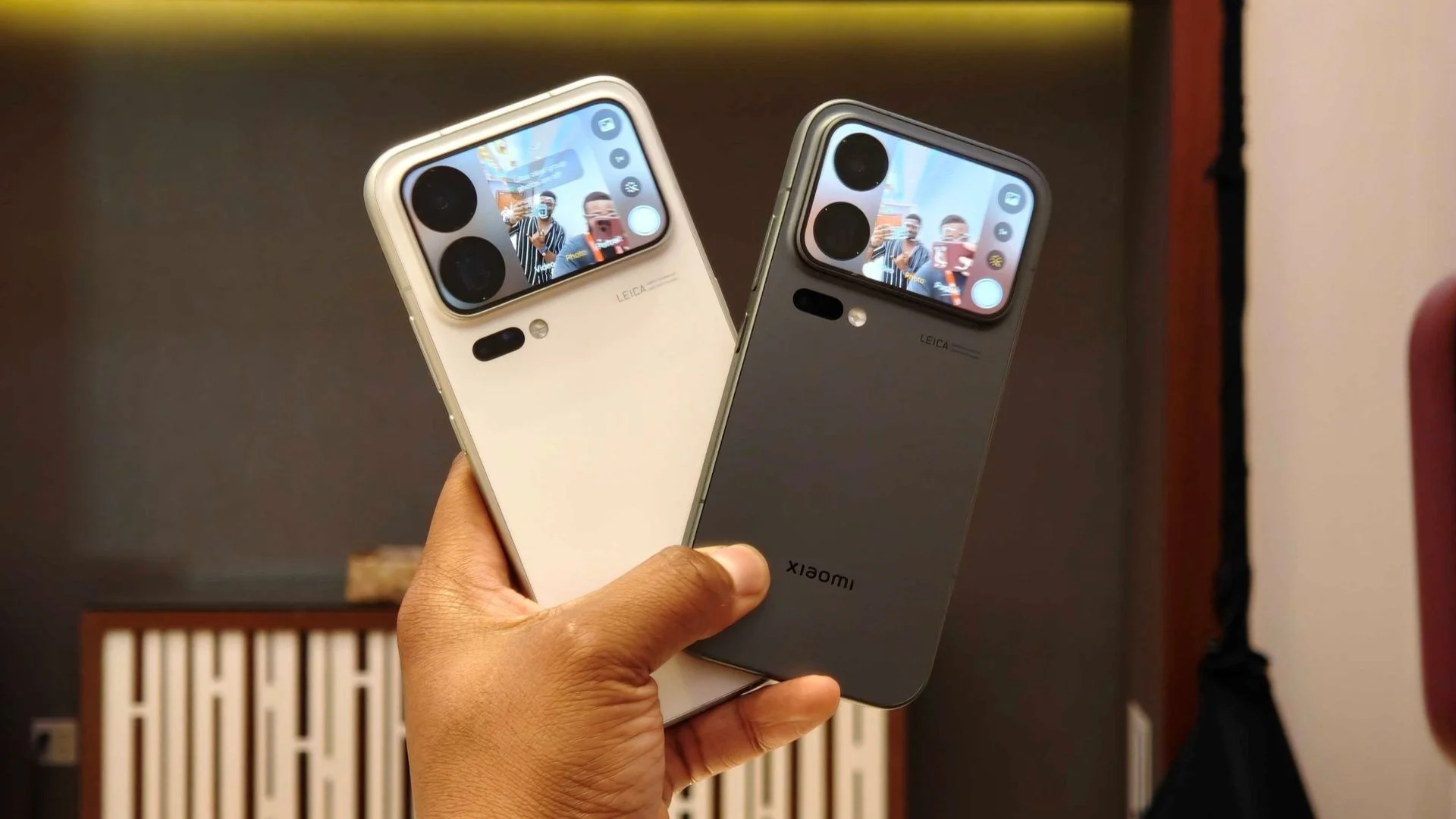
Xiaomi is marking a significant launch with its 18 Pro series, the first smartphones to feature the Snapdragon 8 Elite Gen 6 processor. Distinctively, the 18 Pro showcases a rear display, allowing users to customize wallpapers, manage notifications, and even capture selfies using the 200MP camera, setting a new precedent for smartphone interaction.
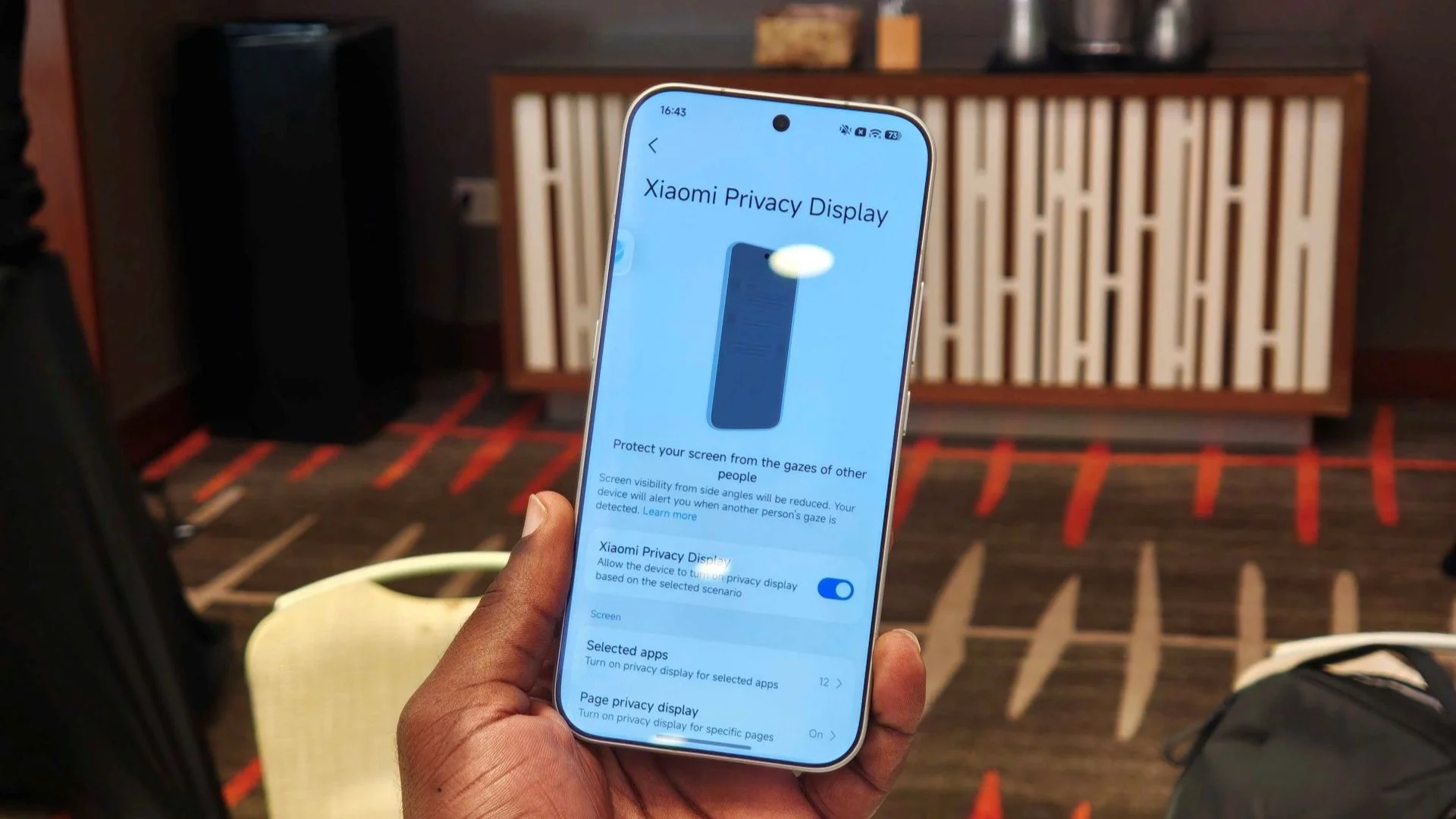
The front OLED display also introduces a new privacy feature that conceals content from unauthorized viewers while still allowing the owner to see notifications and apps clearly. Currently, the Xiaomi 18 Pro is available in China, with a broader global release anticipated soon.
Motorola Signature 27: A Flagship for the World
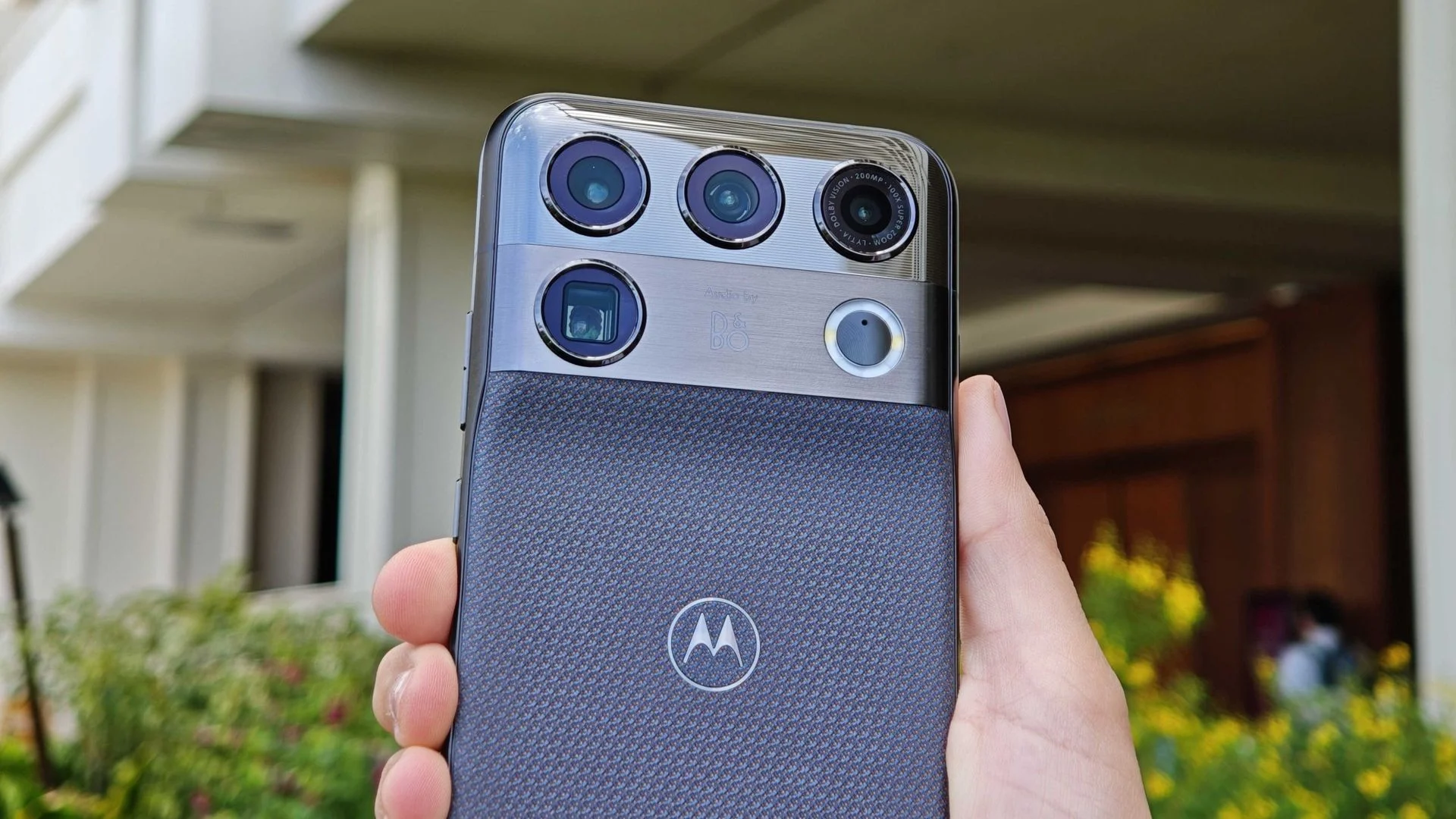
The Motorola Signature 27 is on the horizon as a global launch for later this year, succeeding the original model that never reached North America. Powered by the Snapdragon 8 Elite Extreme Gen 6, it boasts an exciting camera system featuring a 50MP Lytia 910 sensor and a remarkable 200MP periscope telephoto lens, enhanced by Qualcomm’s Image Stabilization technology.
Additionally, Motorola is collaborating with Bang & Olufsen to elevate the audio experience, promising users up to seven years of software updates, a rarity in this segment. While the precise release date is still under wraps, the Signature 27 is expected to arrive in 2026.
Snapdragon Gaming Enhancements: A New Era of Mobile Play

The Snapdragon 8 Elite Extreme Gen 6 is poised to redefine gaming on mobile devices with its advanced Adreno Neural Fusion capabilities. This new architecture introduces AI-powered frame generation for more fluid gameplay and enhanced graphics through Super Resolution.
During hands-on demonstrations, I toggled these features while gaming, allowing for side-by-side comparisons that highlighted significant visual improvements. This week at the summit, developers were informed that they can choose which of these features to implement to optimize user experiences.
Googlebooks: Merging Laptops and Phones
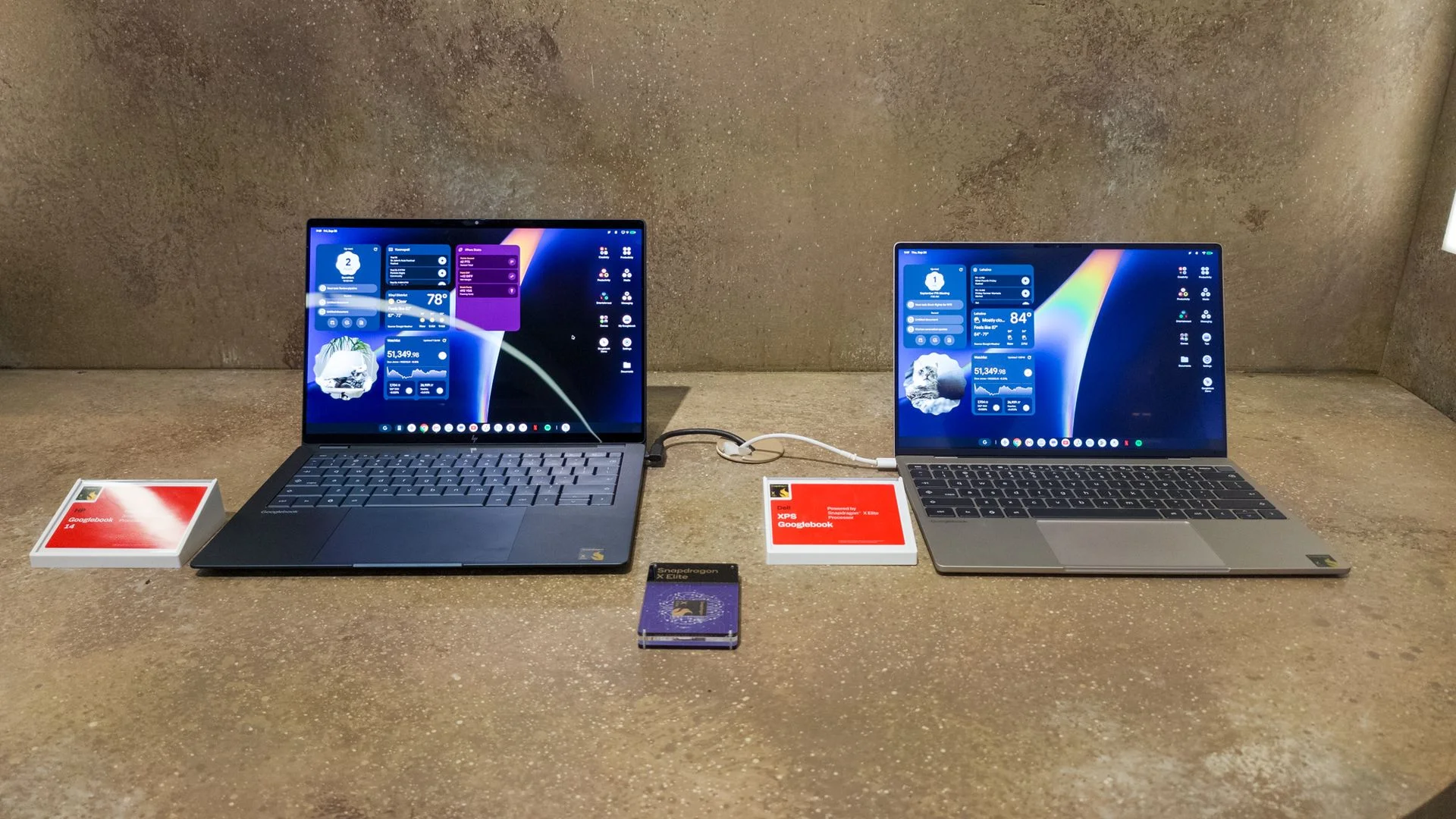
Another exciting reveal was the introduction of Googlebooks, a new line of devices set to redefine the Chromebook experience. With hardware from HP and Dell, these devices run the newly developed Googlebook OS based on Android, which brings an enhanced suite of capabilities including AI features and seamless access to the Play Store.
The Googlebook OS allows users to connect their phones intuitively, enabling direct access to files, easy drag-and-drop functionality, and wireless app casting. Prices start at $899, with expectations for features to evolve before wider adoption in the market.
Snap Specs: A Surprising AR Experience

The recently unveiled Snap Specs, despite their bulkiness, offer a surprisingly immersive experience. Engineered with dual Snapdragon processors, they require no external processing unit, which contributes to their unique form factor. During my time with the Specs, I explored various demos, finding that they provided solid visuals and effective tracking of hand movements.
Though the narrow field of view might limit mainstream acceptance, anyone intrigued by augmented reality might find value in these $2,195 glasses.
Sound Enhancements: The Future of Audio Devices
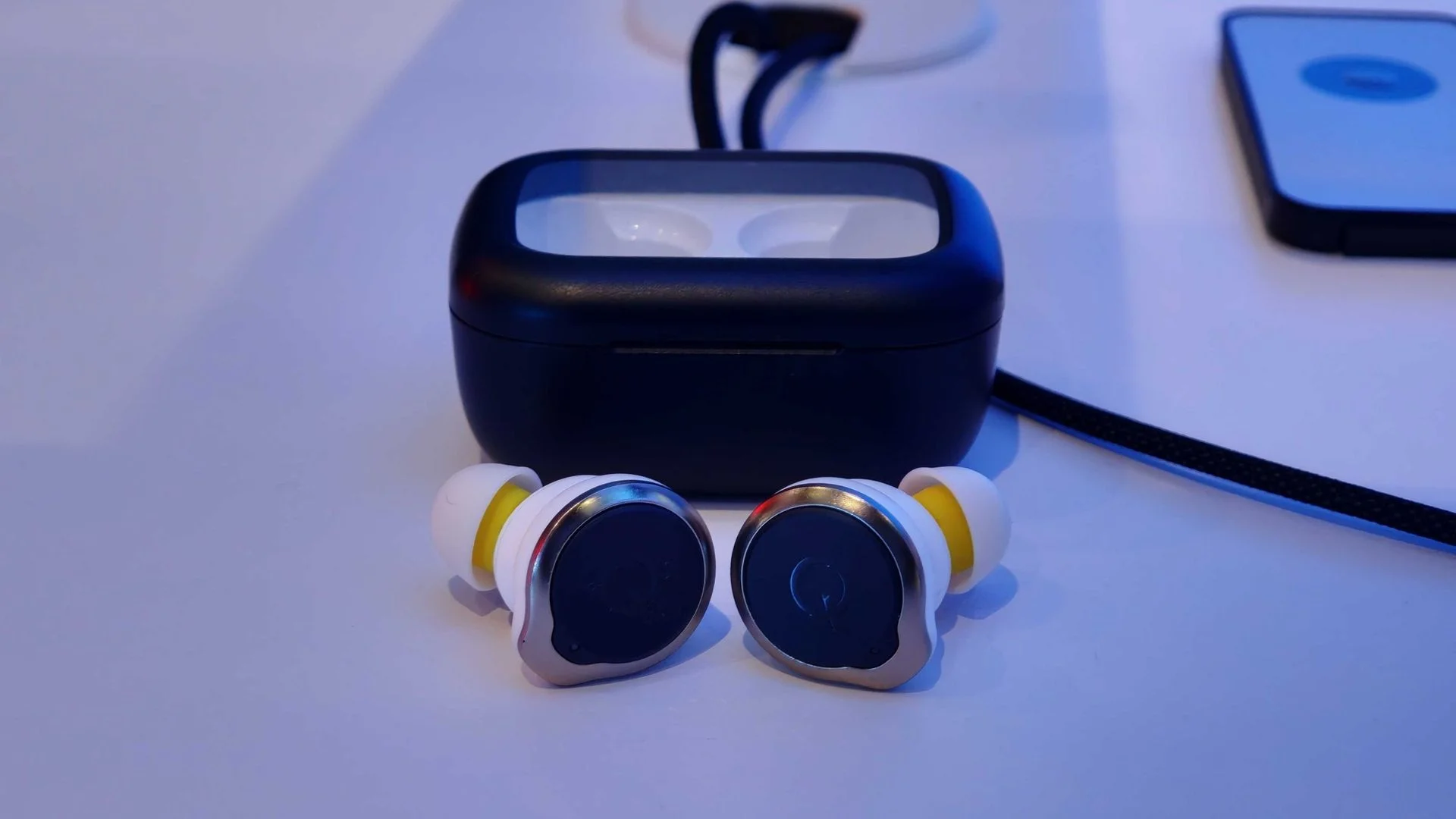
Qualcomm has also announced the Snapdragon Sound Elite Gen 2, which aims to elevate audio experiences across headphones and earbuds. One standout feature is the capability for devices to connect directly to AI services without needing a smartphone, enabling advanced functionalities like seamless language translation and enhanced vocal focus during conversations.
This new technology opens the door for not just headphones but also smart glasses, hearing aids, and more, as the ecosystem potentially expands to audio experiences across various wearable devices.
Smart Glasses for Health Monitoring

In a novel demonstration, smart glasses were presented as tools for medical professionals to facilitate patient assessments. These glasses assist in identifying relevant questions based on visual cues from patients. While public acceptance may present hurdles, the potential utility in streamlining medical triage is noteworthy.
This initiative is part of Qualcomm’s broader Personal AI Health Alliance, which aims to leverage personal health data captured by wearables for better diagnosis and treatment approaches.


Discussion
Sign in to join the discussion.