Insomniac's decision to create a linear experience for Marvel’s Wolverine enhances storytelling and gameplay, offering a focused adventure tailored to the character.
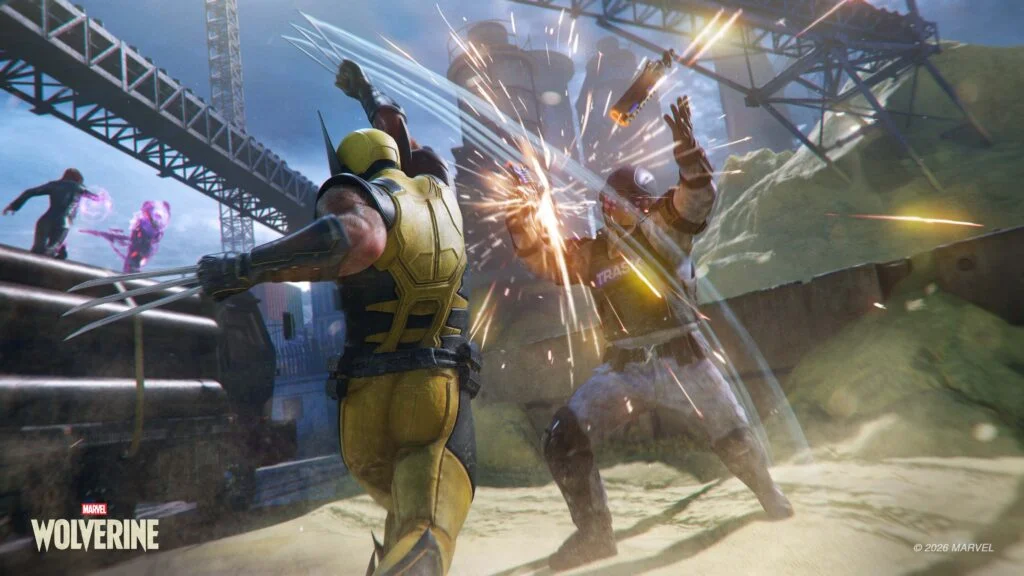
In an age where superhero games often boast sprawling open worlds, Insomniac's choice for Marvel’s Wolverine to adopt a linear format raises compelling discussions around design philosophy. While characters like Spider-Man thrive in expansive settings, Wolverine's narrative and gameplay mechanics seem better suited for a more contained environment, allowing for a robust exploration of his story and combat style.
Insomniac has established itself as a skilled purveyor of superhero narratives, and it appears to have crafted the Wolverine experience with precision. By veering away from a traditional open-world format, the studio not only stays true to Wolverine's character but also cultivates a more intimate adventure. This approach offers a fresh perspective, allowing players to immerse themselves deeply in Logan's journey without the distractions typical of vast, unfocused landscapes.
Environment Versus Exploration
Wolverine's extensive history encompasses numerous adventures worldwide, from Canada to Japan, giving him a diverse array of settings to explore. Unlike his counterparts who operate within the urban sprawl of New York City, Wolverine’s encounters can be more varied, requiring environments that are specifically tailored for his abilities. This necessitates a structured, linear path through the game world, ensuring players can engage with distinct locales without the burden of unnecessary backtracking or exploration fatigue.
With environments specifically designed for Wolverine’s combat style, players will experience more controlled interactions, allowing for a gameplay loop that emphasizes approachability over vastness. This also results in focused spaces where players can fully appreciate the nuances of Logan's movement and violent confrontations, as opposed to the compromises often found in open-world mechanics that cater to more generic traversal methods.
Crucially, each location can cater to the gameplay's demands, fostering a uniquely crafted atmosphere that resonates with the character. By steering clear of expansive maps filled with interchangeable elements, Insomniac can devote resources to refining individual areas, making each encounter distinct and engaging.
Combat Designed for Closer Encounters
The linear structure also translates into gameplay that emphasizes close-quarters combat, where Wolverine excels. His fighting style is visceral and aggressive, demanding environments that foster brutal exchanges. This smaller scope enables Insomniac to tightly control combat scenarios, ensuring that level design enhances player experiences while still providing memorable boss encounters.
Concentration on carefully orchestrated combat spaces can lead to a heightened focus on stealth mechanics alongside Wolverine’s brute strength. Logan's ability to deftly navigate both quiet and chaotic situations can be leveraged within these linear environments, enabling players to choose their approach based on preference and context. This design makes every encounter feel intentional, with specific challenges modeled to showcase the depths of Wolverine's skill set.

Narrative Focus and Replayability
The narrative construction of Marvel’s Wolverine is equally noteworthy, emphasizing personal stakes that resonate with fans. Logan's intricate relationships and the enemies he faces weave a rich storyline, one that thrives on pacing rather than the ebb and flow typical of open-world stories. By implementing a linear format, the game's emotional beats can unfold at a deliberate pace, crafting an impactful journey that allows players to engage thoroughly with Logan’s trials and tribulations.
Moreover, a linear structure alleviates the risk of repetitiveness, which can plague open-world titles. Insomniac's strategic avoidance of recycled content sets this title apart, keeping players engaged while discovering unique events, side quests, and character interactions that don't succumb to the all-too-familiar checklist approach often found in similar genres. The potential for hidden areas and side paths can still exist without undermining the overall narrative integrity.
Ultimately, Insomniac’s decision represents a calculated risk that offers the promise of enriching storytelling and focused gameplay. Marvel’s Wolverine appears poised to carve its own distinct identity within the superhero genre, steering clear of the oversaturation often synonymous with vast, open environments.
Conclusion: Embracing Logan's Legacy
As the anticipation for Marvel’s Wolverine builds, it's clear that the developers have made a deliberate choice to align gameplay with character. This linear journey stands to enhance the experience, providing a narrative depth that's hard to achieve within a sprawling world. Fans are eager to see how each aspect of this design supports the essence of Wolverine while delivering an exciting, immersive experience that honors the character's storied past.
It's an exciting time for gamers as they look forward to stepping into Logan's shoes, with Insomniac putting faith in a vision that could very well redefine how superhero narratives unfold in gaming.



Discussion
Sign in to join the discussion.