Discover how to access Amazon's Big Deal Days perks without a Prime subscription and explore alternative shopping options this October.
Amazon's Big Deal Days is set for October 6th and 7th, drawing shoppers eager for deals on tablets, smartwatches, and Android phones. However, similar to the July Prime Day, many of the best discounts will cater exclusively to Prime members. This approach is not merely a marketing strategy; it's a tactic that keeps the subscription model at the forefront of Amazon's commerce strategy, banking on exclusive access to drive membership numbers.
If you're not keen on adding yet another monthly subscription, there's an option to take advantage of October's deals without the commitment. New users can register for a 30-day free trial of Amazon Prime, unlocking full access to all member benefits, including exclusive discounts during this event. This strategy serves as both a consumer incentive and an effective way to boost subscriptions, creating a cycle where potential customers can experience the benefits of Prime before fully committing.
The free trial provides a window for savvy shoppers: you can sign up, enjoy discounts during Big Deal Days, and cancel before any charges kick in. It’s a straightforward way to score deals without any financial obligation, but it relies on consumers' willingness to navigate the fine print. Many shoppers may appreciate the spontaneity—sign up, save, and then walk away.
Understanding Big Deal Days
Big Deal Days functions similarly to Prime Day, aiming to replicate that shopping excitement in the middle of fall. This year marks its continued evolution as a kickoff for early holiday shopping, allowing customers to knock out gift lists ahead of time. Unlike Prime Day, which is heavily focused on summer deals and the back-to-school season, Big Deal Days strategically aligns with the start of the holiday shopping period, demonstrating Amazon's ability to adapt to consumer behavior patterns.
Just like in July, the most lucrative offers are reserved for Prime members, making the free trial a compelling option for those still on the fence about membership. This tactic raises questions about marketplace fairness and whether Amazon’s model restricts access to good deals for non-members. By positioning itself as a gatekeeper of significant savings, Amazon continues to compel potential members to reconsider their shopping habits.
Dates to Remember
On October 6th and 7th, Prime members will have 48 hours to browse substantial deals across various categories, from electronics to home goods. The chosen dates are significant; these prime shopping days are strategically placed just ahead of the major holiday season, tapping into consumer readiness to spend.
Expected Deals
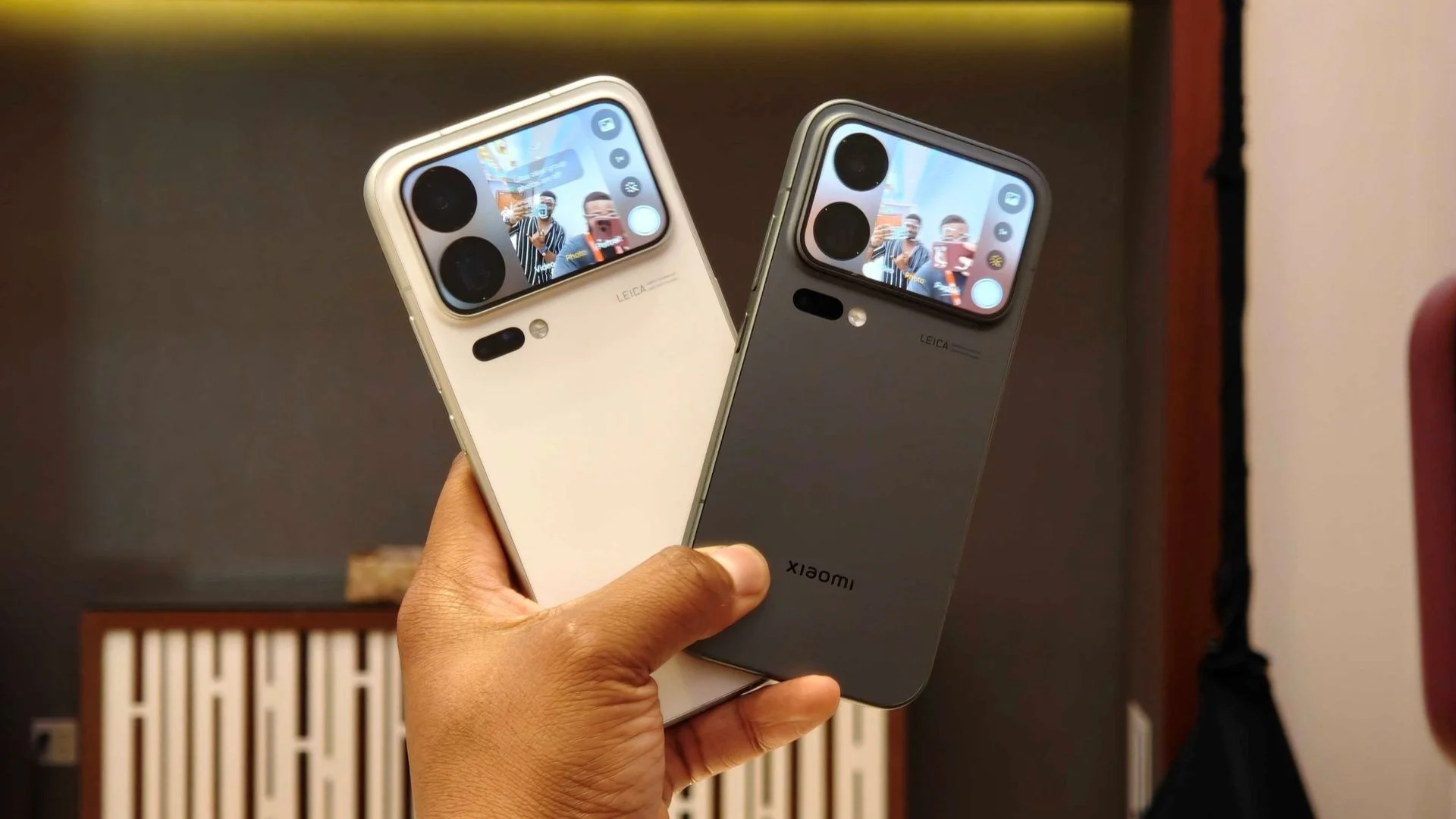
Shopping events like Big Deal Days typically offer outstanding bargains on Android technology, giving an early glimpse of the holiday shopping dynamics. This year, shoppers can anticipate excellent deals on flagship devices and foldable phones from major brands like Samsung and Google. Significant savings are likely on the Pixel 11 series, as well as models like the Samsung Galaxy S26 Ultra and the Galaxy Z Fold 8. The competition among manufacturers to attract buyers' attention is fierce, especially as shoppers are increasingly identifying their must-have devices.
In light of ongoing RAM shortages, expect discounts on SSDs and NAS storage devices as well. With consumers ever more reliant on efficient data storage solutions, this category of tech isn’t just a luxury—it's becoming a necessity. That said, while these deals may draw interest, they could also reveal the pressure manufacturers are facing from supply chain issues.
If You Prefer Not to Shop Amazon
Should you choose to bypass Amazon entirely, alternatives abound. Competitors like Best Buy, Walmart, and Target typically launch their own sale events concurrently with Prime Day, often matching or exceeding Amazon's discounts without requiring a membership. These options provide a broader shopping experience while still delivering substantial savings. If you're working in this space, you'll want to track how these competitors respond; they offer a reminder that the market remains competitive, and consumer allegiance isn't guaranteed.
Looking Ahead: The Future of Online Shopping Events
The implications of Big Deal Days extend beyond immediate sales figures. As Amazon continues to redefine shopping experiences, it forces competitors to adapt their marketing strategies. This dynamic might usher in a more seasonal approach to promotions across platforms. Shoppers may find themselves more willing to explore alternatives, especially if they perceive value without the caveat of a subscription. And let's face it: most consumers will shy away from any seller trying to lock them into a monthly fee.
This increasingly competitive shopping environment highlights Amazon's reliance on its Prime program as a major revenue stream. Yet, the question remains—will innovations in promotional strategies keep pace with changing consumer preferences? The race isn't just for who can offer the best deal but also who can introduce the most convenient shopping experience. If there's one takeaway, it's that both tactics and listener engagement will shape how shopping evolves in the upcoming years.


Discussion
Sign in to join the discussion.