Google is rolling out new health tracking features for Pixel Watch users, focusing on long-term trends rather than instant diagnostics.
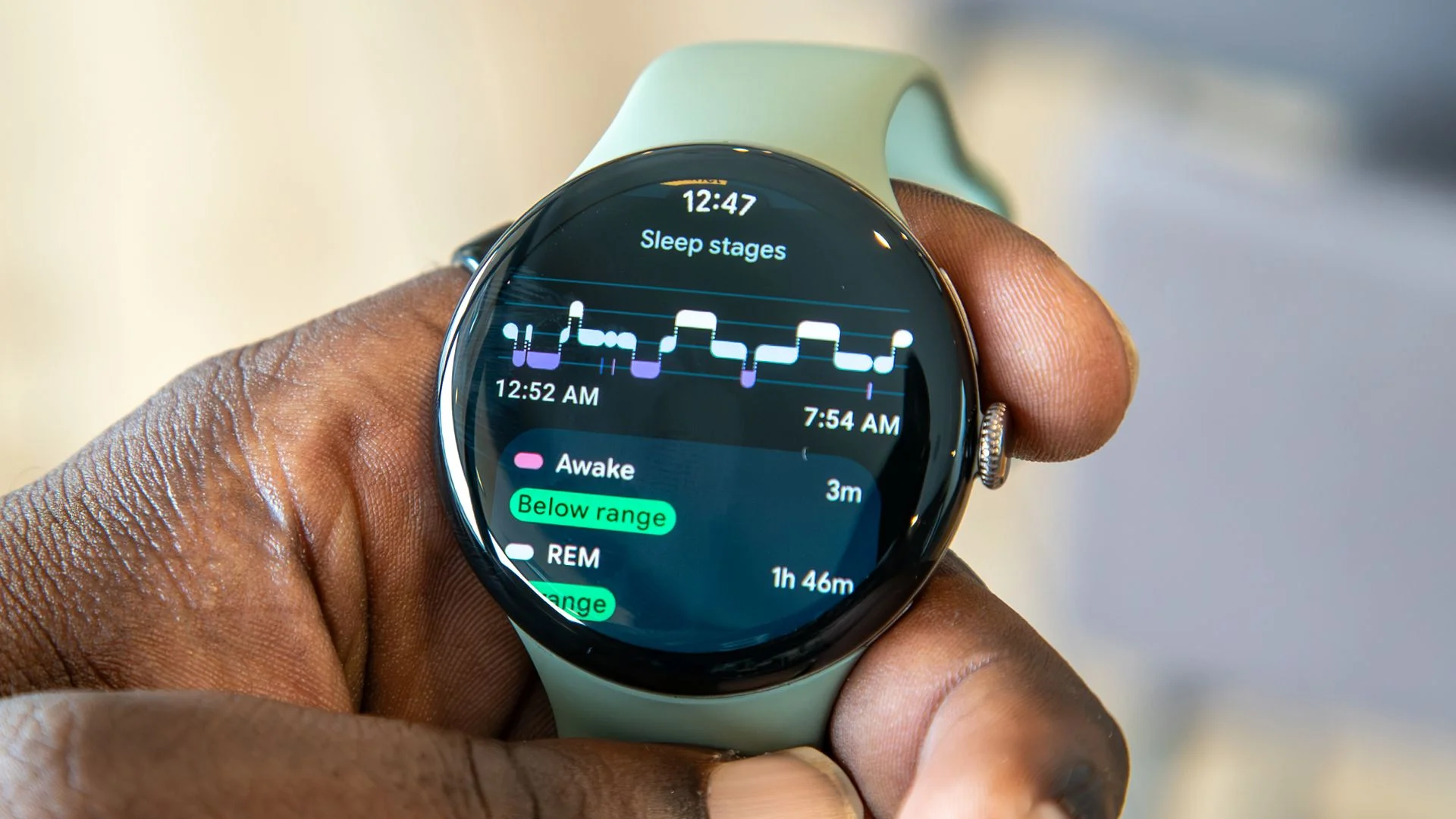
Google is elevating its health-monitoring capabilities for the Pixel Watch series with the introduction of several new features designed for trend analysis. This week, the rollout includes blood pressure trends, insulin resistance assessments, and improved metrics for sleep breathing quality, all integrated into the Google Health app.
Feature Details
These updates focus on monitoring changes over time rather than delivering immediate clinical readings, making them more suitable as wellness indicators than substitutes for professional medical assessments. Available free of charge for Pixel Watch 3, 4, and 5 users, the additions promise to enrich the existing analytics within the Health Guardian suite. This shift signifies a notable trend in wearable technology: the move from precise medical equipment to more generalized, broader health insights. While many consumers may appreciate the accessibility these features offer, some might still wonder if these insights can replace traditional healthcare visits for more serious health assessments.
AI-Assisted Tracking
Google’s approach leverages sophisticated AI models trained on extensive sensor data to identify subtle physiological trends without the need for extraneous equipment like blood pressure cuffs or blood samples. This is particularly significant for insulin resistance trends, which rely on in-depth analysis over multiple weeks, emphasizing a focus on general wellness rather than clinical diagnosis. The AI models tap into a vast range of data collected from each user's individual interactions with their devices, which raises interesting questions about data privacy and user trust. Are users ready to give up such sensitive health data for the sake of convenience? It’s a balancing act Google must navigate carefully to maintain its credibility.
Availability for Fitbit Users
Fitbit Air users won’t be left out, as these features will soon be accessible through a Google Health Premium subscription. The initial detailed health trend reports are expected to be available by early October, providing users with their first insights into the performance of this trend-driven health monitoring. Although this subscription model may unlock features for more users, it also highlights a growing trend in tech: the monetization of health data insights. Is a subscription model the most user-friendly approach? This might alienate some potential users who prefer a one-time purchase over an ongoing payment hassle.
Community Impact
The new tools join Google's broader Health Guardian offerings, which include Breathing Emergency Detection available on the Pixel Watch 4 and Watch 5 in select European markets. As these features roll out, they highlight Google's commitment to enhancing user health while not losing sight of practical healthcare standards. However, as the population becomes more health-conscious, the role that technology plays in personal well-being will continue to be scrutinized. The question remains: how effective are these tools in truly improving health outcomes? If you're working in this space, staying informed on user feedback will be critical to understand the actual benefits of these features.
Implications and Future Outlook
The introduction of these health-monitoring features by Google could have far-reaching implications for wearable technology and public health awareness. As companies push toward more integrated health analytics within their ecosystems, users may find themselves relying more heavily on wearables to manage health metrics that were once the sole domain of medical professionals. It could spark a shift where personal accountability for health becomes intertwined with the outputs of our devices—an interesting, if somewhat concerning, trajectory.
This is more significant than it looks: as health data analytics gain traction in mainstream use, existing healthcare systems may need to adapt to include data sourced from personal devices. This could lead to the implementation of new policies governing data sharing between users and health providers, raising ethical questions about who owns the data users collect and how it should be used. In tandem, we could see an increase in digital health literacy, empowering users to take control of their health in ways previously unseen.
Yet, as health technology continues to evolve, regulatory bodies may need to catch up to ensure that user data remains secure and that companies can’t exploit sensitive health information for profit. The current wave of advancements, including those by Google, often outpaces existing legal frameworks meant to protect users. How this situation ultimately unfolds could redefine the relationship between technology and health, setting precedents that influence future innovation.
In short, as Google continues to expand its reach in health technology, users will need to stay informed and critically evaluate how these tools impact their health. The expanding integration of fitness and health metrics can lead to better personal care but will require vigilance to navigate the emergent ethical and practical complexities.


Discussion
Sign in to join the discussion.