Motorola's Qira AI is set for expansion across its Signature, Razr, and Edge phones with Android 17, introducing new features for enhanced user support.
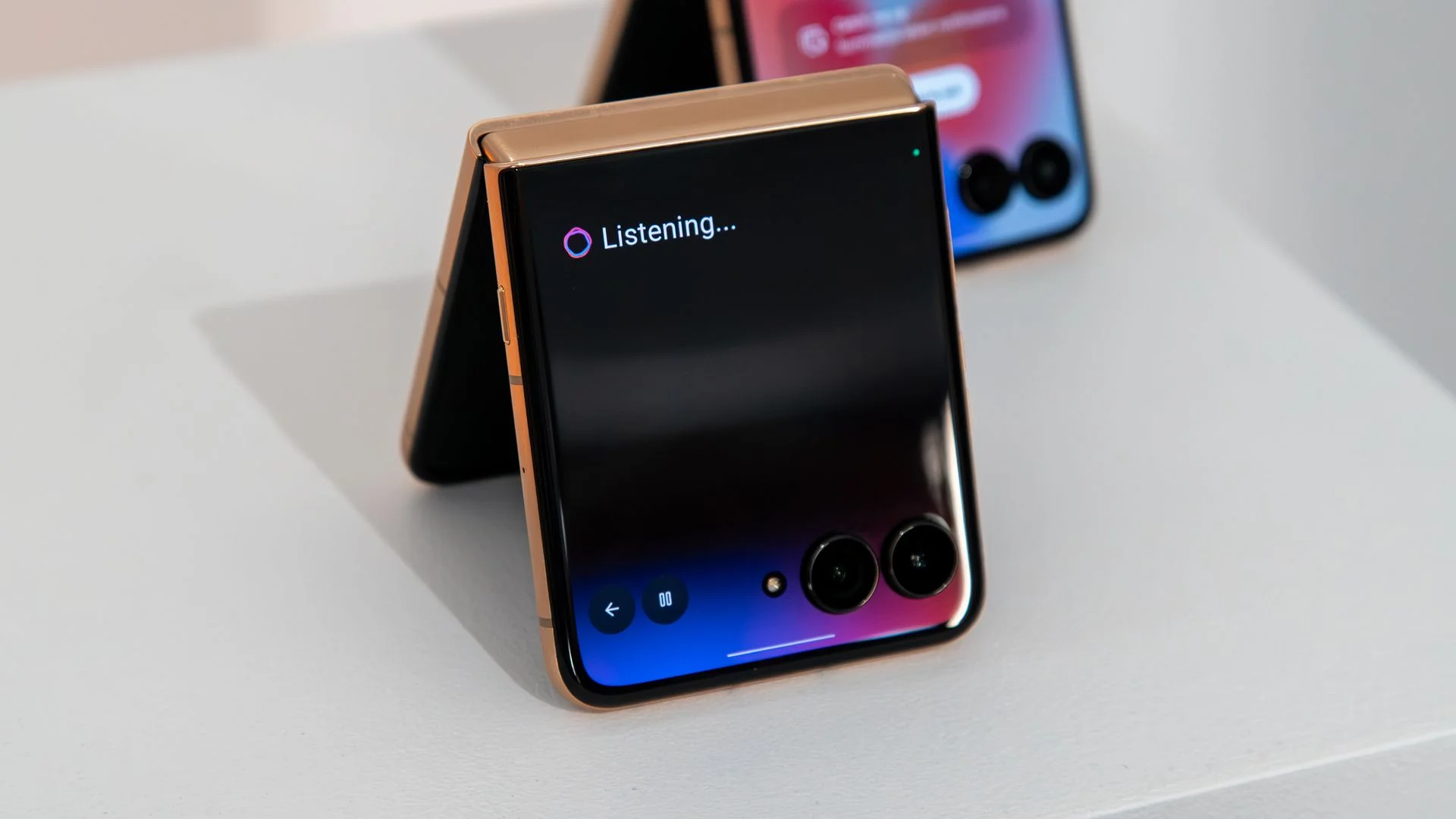
Motorola is making strides with its Qira AI, integrating it further into its devices with the upcoming Android 17 upgrade. This enhancement doesn't merely tweak existing features but expands its functionality across the Signature, Razr, and Edge series, bringing a more connected experience. By embedding AI deeper into its ecosystem, Motorola hopes to not just keep pace with competitors but forge a distinctive identity in the crowded smartphone market.
Cross-Device Capabilities
Unveiled during Qualcomm's Snapdragon Summit, the update emphasizes cross-device capabilities. When activated, Qira allows users seamless transitions from their mobile phone to desktops and smartwatches, taking full advantage of the "Hey Qira" voice prompt. This AI assistant can perform tasks such as quickly retrieving stored files, answering urgent queries, or offering personalized support based on user preferences. This feature points to a more fluid technological interaction, one that recognizes our reliance on multiple devices throughout the day. It’s not just innovative; it’s what people expect in this age of connectivity.
However, while the promise of seamless transitions is appealing, the effectiveness of such integrations often depends on how well they are executed in real-world scenarios. Users may find discrepancies in performance across devices, which can lead to frustration rather than convenience. Thus, Motorola must ensure that their technical execution matches their ambitious vision.
Noteworthy Updates
The update introduces several noteworthy features. "Catch me up" offers users a digest of notifications and news, ensuring they stay informed. Meanwhile, "Next Move" provides proactive suggestions, such as reminding users to set travel alerts after they book a flight or summarizing the blog post they’re reading. Another intriguing addition is "Pay Attention," which generates transcriptions of recorded audio and highlights the critical points. These functionalities align with the growing need for users to manage information efficiently without becoming overwhelmed by notification overload.
Yet, there's an interesting tension here. While features like "Next Move" aim to enhance efficiency, they also risk becoming intrusive. Users want assistance but don’t want their devices to feel like they’re being constantly surveilled or nudged. The challenge will be to balance proactive support with user autonomy, ensuring the tech doesn’t cross the line into annoyance.
Context-Aware Functionality
What's particularly interesting is how Qira marries its context-awareness with the evolving needs of users. Collaborating with Workato, this functionality extends to task automation, assisting users in managing emails and retrieving key information effortlessly. Such integrations highlight an important trend: users today expect their technology to not just respond to commands but to understand their goals and help achieve them proactively.
For instance, in professional settings where multitasking is the norm, the ability to automate routine tasks could prove invaluable. One could argue that Motorola is tapping into the zeitgeist of modern work-life balance challenges. However, for those not immersed in automation or who prefer more granular control, this may feel slightly overwhelming. (And this is the part most people overlook) If you're working in this space, understanding this balance will be critical for any tech that aims to succeed.
Selective Compatibility
The scope of Qira's integration is defined by Motorola's selectivity in device compatibility; the Signature, Razr, and Edge series will be the first recipients of these updates. The company aims to ensure that users receive a consistently intuitive experience, one that fuses traditional mobile functions with intelligent assistance. This strategy reflects a broader industry trend of enhancing flagship models while leaving budget options behind.
This model can cultivate a sense of exclusivity, positioning these devices as must-haves for consumers seeking cutting-edge technology. Nonetheless, it raises questions about accessibility for users with older models or those who opt for more budget-friendly devices, potentially alienating a segment of the customer base reluctant to upgrade frequently.
The Qira Initiative
Earlier this year, Motorola and Lenovo introduced Qira as their ambitious venture into the realm of always-on, context-aware AI. It was a significant departure from basic chatbot implementations, evolving into a personal ambient intelligence system designed to be available at all times, whether on an Android device, PC, or beyond. This shift reflects a strategic pivot for Motorola, moving from simply manufacturing hardware to curating an entire digital experience.
The AI’s versatility doesn't stop at voice commands; it supports text, image, and video interactions, making it adaptable to users' needs. For Motorola and Lenovo, maintaining context-awareness is pivotal, as it allows Qira to understand and anticipate user requirements. Even with advanced permissions dictating what information Qira can access, users are often skeptical about how much data they're sharing. It's a delicate balancing act: promise enhanced features while ensuring user trust remains intact.
Ultimately, this Qira expansion appears to propel Motorola's vision of delivering a more integrated, responsive experience for users, adding layers of functionality that blend everyday tasks with intelligent support. But will users embrace this level of integration? The answer remains unclear, as consumer habits evolve alongside technology.
Future Outlook
As Motorola pushes Qira further into its ecosystem, the implications are clear. Consumers are becoming more discerning; they want not just advanced features, but meaningful and intuitive interactions. The success of Qira will depend on its ability to enhance users’ lives rather than complicate them.
The significance of this trend lies in shifting the narrative around devices from mere tools to comprehensive companions in daily life. For Motorola, this could mean positioning itself for long-term growth in a competitive market, but it also carries risks. If users find the technology intrusive or lacking consistency, that could severely undermine its value proposition. As we watch Motorola navigate this path, the stakes are high; they aren't just competing with smartphones, but with an ingrained expectation for how technology should serve us.

Discussion
Sign in to join the discussion.