iPhone 18 Pro Max vs. Galaxy S26 Ultra: Key Differences to Consider
Published Sep 22, 2026Reads 339By Nicholas Sutrich
Explore the main differences between the iPhone 18 Pro Max and Galaxy S26 Ultra, focusing on performance, camera quality, and battery life.
Comparing the iPhone 18 Pro Max and Galaxy S26 Ultra: What You Need to Know
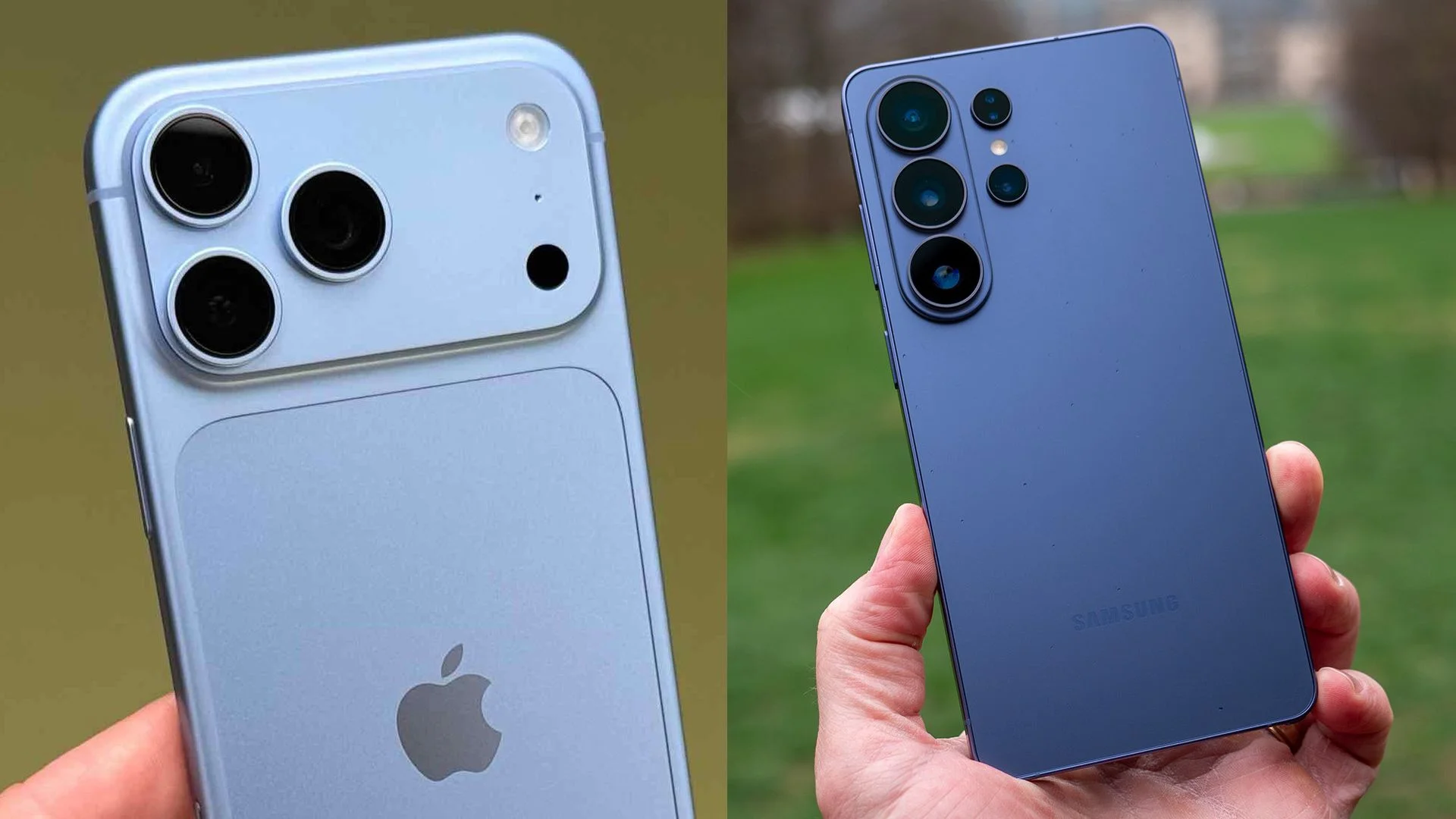
Deciding between the Apple iPhone 18 Pro Max and the Samsung Galaxy S26 Ultra can feel daunting, especially given the distinct advantages each device brings to the table. The iPhone, launched in September 2026, outshines the S26 Ultra, which was released earlier in March. This six-month advantage allows Apple to refine its offering and launch a product that not only meets, but often exceeds expectations. For many, including me, the iPhone 18 Pro Max is now the standout choice.
What distinguishes these models isn’t just brand loyalty; it’s a combination of impressive specs and real-world usability. The iPhone 18 Pro Max, for instance, boasts a faster processor and superior camera technology that can sway even staunch Android supporters. Apple's tight integration of software and hardware shines through this device, making it hard to ignore, especially at a comparable price to Samsung's flagship.
Design and Performance: A Closer Look
When you put the iPhone 18 Pro Max next to the Galaxy S26 Ultra, design choices reveal much about usability. Apple leans towards a curvier design, providing a more comfortable grip, while Samsung has favored flat designs over the years. Yet, the iPhone carries a heavier weight — approximately 35 grams more and is nearly 1mm thicker. This heft comes down to those MagSafe magnets, but it also integrates a significantly larger battery.
In performance terms, the A20 chip in the iPhone offers remarkable speed, with reports indicating it can be nearly 20% faster than the Snapdragon 8 Elite Gen 5 powering the Galaxy. This difference becomes even more pronounced during high-intensity tasks, such as gaming, where the iPhone excels, thanks in part to Apple’s advanced cooling systems. It’s clear that if you’re looking for raw performance, the iPhone has the edge.
Battery life serves as another critical factor. In practical tests, a quick 15-minute charge on the iPhone provides roughly 50% battery, whereas the Galaxy trails at about 41%. For many users, especially those constantly on the go, this reduction can influence the usage experience dramatically.
Camera and Display Technologies
Both phones are equipped with impressive camera systems, but the iPhone 18 Pro Max catches attention thanks to its inclusion of a variable aperture main camera. This feature not only enhances low-light photography but also elevates bokeh effects, which are often a significant consideration for photography enthusiasts. Though the Galaxy S26 Ultra leads with a 200MP main sensor, it doesn’t quite achieve the same image quality in challenging lighting conditions.
Displays come down to personal preference, too. The Galaxy offers its unique Privacy Display, which dims content in specific areas to shield information from side glances. While this is innovative, some users have found it compromises brightness and overall readability. In contrast, the iPhone produces stunning visuals with better color reproduction under varied lighting, making it more appealing for media consumption.
Which Smartphone Should You Choose?
Ultimately, if you’re contemplating which flagship smartphone to invest in, the iPhone 18 Pro Max seems to dominate in most respects. Its blend of exceptional performance, camera capabilities, and user-friendly design make it a top contender. Samsung's Galaxy S26 Ultra, while offering terrific features for customizability and dedicated users of the Samsung ecosystem, doesn't quite hold up under scrutiny.
For those who value versatility and prefer to customize their device, the Galaxy remains a solid option. However, the iPhone stands out as a choice that merges utility with cutting-edge technology, steering many toward Apple's latest offering. In a head-to-head format, it’s tough to make a case against the iPhone — it truly sets a high standard in the competitive smartphone arena.

Discussion
Sign in to join the discussion.