A detailed analysis of the Apple iPhone 18 Pro and Google Pixel 11, highlighting their strengths, weaknesses, and which one offers better value.
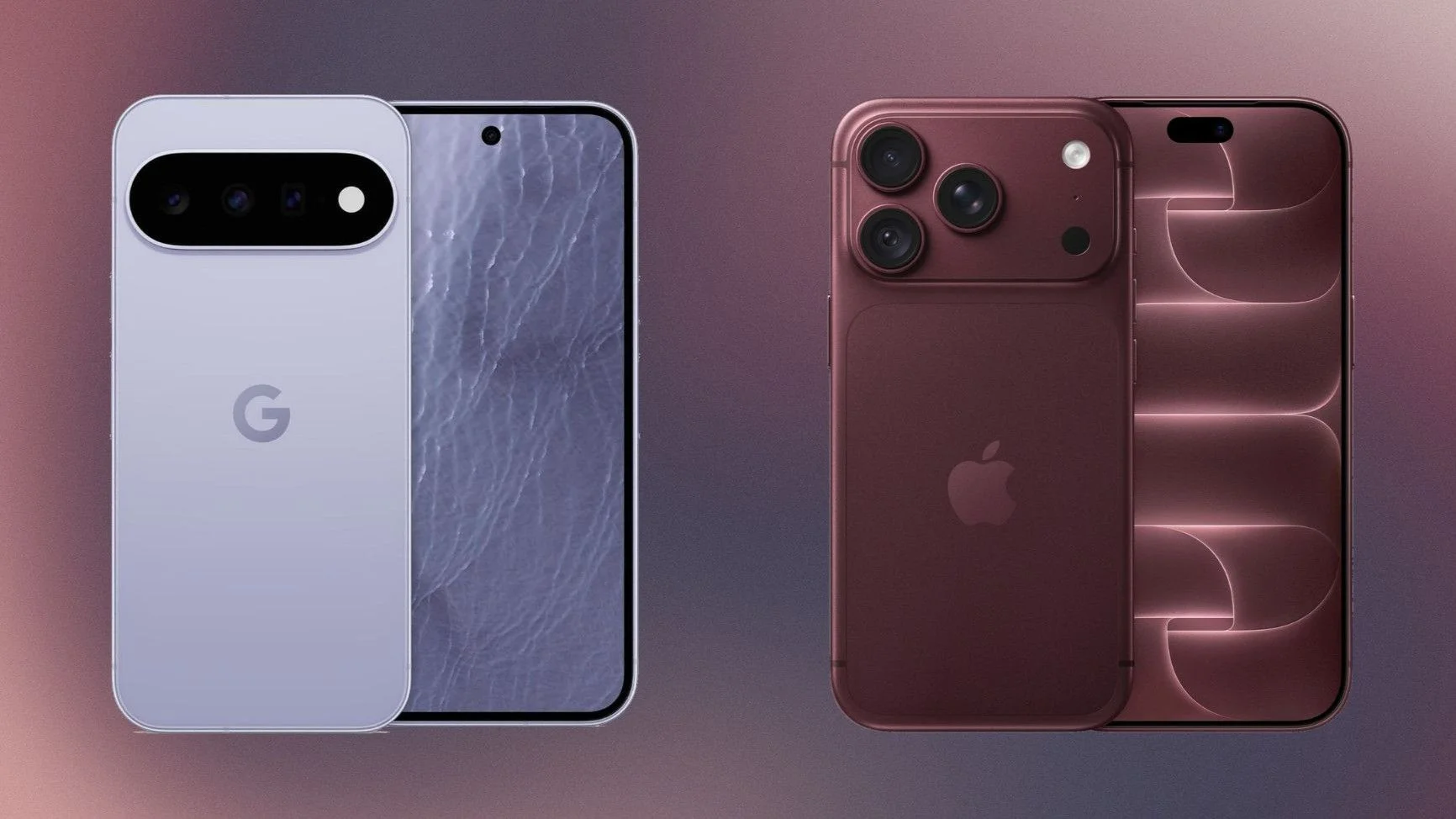
The competition between the Apple iPhone 18 Pro and Google Pixel 11 encapsulates a broader clash between iOS and Android, providing a compelling showcase of what each ecosystem has achieved. With both devices hitting the market just a month apart, they represent the pinnacle of hardware and software excellence from their respective developers. Ultimately, the decision hinges on personal preferences, budget considerations, and specific usage scenarios.
iPhone 18 Pro vs. Pixel 11: Key Features
The iPhone 18 Pro sets itself apart with significant enhancements over its predecessors, including a machinery upgrade in the form of the A20 chip, which offers dazzling performance improvements for gaming and multitasking. Its photography capabilities have also been elevated with a variable aperture system, promising increased versatility in various lighting conditions.
On the other hand, the Pixel 11 aims to deliver Google’s signature pure Android experience. While it may not feature some of the high-end components like its Pro counterparts, the Pixel 11 shines with effective AI tools such as Magic Capture, a user-friendly interface, and notable camera capabilities. The Pixel 11 also comes with a lower starting price of $899, compared to the iPhone's initial $1,199 tag.
Design, Specs, and Performance
In terms of design, both smartphones maintain a sleek aesthetic similar to their predecessors, sporting 6.3-inch AMOLED displays. When held, both devices present nearly identical weights and dimensions, giving them a comparable feel in hand. Their designs, while not drastically different, show a refined approach to ergonomics.
Battery longevity is a crucial aspect for users, and here both devices promise all-day performance. The iPhone 18 Pro does have a smaller battery capacity; however, it boasts faster charging capabilities—50% in just 15 minutes versus the Pixel's 55% in 30 minutes. Notably, the Pixel 11 comes equipped with a more substantial battery capacity, catering to users demanding prolonged use out of a single charge.
| Category | Apple iPhone 18 Pro | Google Pixel 11 |
|---|---|---|
| Display | 6.3-inch Super Retina XDR OLED, 120Hz | 6.3-inch Actua OLED, 120Hz |
| Processor | Apple A20 | Google Tensor G6 |
| RAM | 12GB | 12GB |
| Storage | 256GB / 512GB / 1TB / 2TB | 256GB / 512GB |
| Rear Camera | 48MP (variable aperture), 48MP (ultrawide), 48MP (telephoto) | 48MP (main), 13MP (ultrawide), 10.8MP (telephoto) |
| Front Camera | 18MP | 10.5MP |
| Battery | 4,056mAh (physical SIM), 4,288mAh (eSIM) | 4,985mAh |
| Charging | 25W MagSafe wireless | 25W Qi2 wireless |
Camera Systems: The Heart of Each Device
When it comes to photography, the iPhone 18 Pro is hard to beat, particularly with its new variable aperture feature that enhances its ability in low-light scenarios. It excels in producing detailed, sharp images with true-to-life color reproduction. Meanwhile, the Pixel 11 continues Google’s legacy of exceptional smartphone cameras, leveraging its software prowess to output stunning photos, particularly in challenging light conditions.
Both phones sport triple-camera systems, yet their different approaches yield varying results. The iPhone’s hardware gives it a slight edge, but the Pixel’s intelligent processing helps it deliver great results without fuss. This differentiation makes the choice among photography enthusiasts particularly interesting.
Software Experience: iOS vs. Android
This is where the divergence of philosophies is most apparent. iOS is known for its tightly controlled ecosystem, aiming for smooth functionality and longevity at the cost of customization. Users will find the hardware and software are optimized to work in harmony within Apple's ecosystem, but this does limit flexibility when compared to Android.
On the flip side, the Pixel's interface stands out for its openness and compatibility with a broader range of services and accessories. Google’s commitment to rolling out Android updates means that Pixel users see enhancements and new features rolled out over time, often as a byproduct of the broader ecosystem.
Final Considerations: Which Should You Buy?
In the end, if camera quality and gaming prowess are priorities for you, the iPhone 18 Pro is worth the investment. However, for most users, particularly those conscious of budget or looking for day-to-day functionality, the Pixel 11 offers excellent value without sacrificing performance or camera capabilities.
Ultimately, the choice between the iPhone 18 Pro and Pixel 11 boils down to personal preferences, but significant savings—and a feature-rich experience—can often be found with Google’s latest offering. If you need a high-performing smartphone with a stellar camera experience and powerful software features, the Pixel 11 deserves serious consideration.

Discussion
Sign in to join the discussion.