Phantom Blade Zero pairs readable, responsive combat with carefully staged fights, though camera quirks and enemy glitches can break the spell.
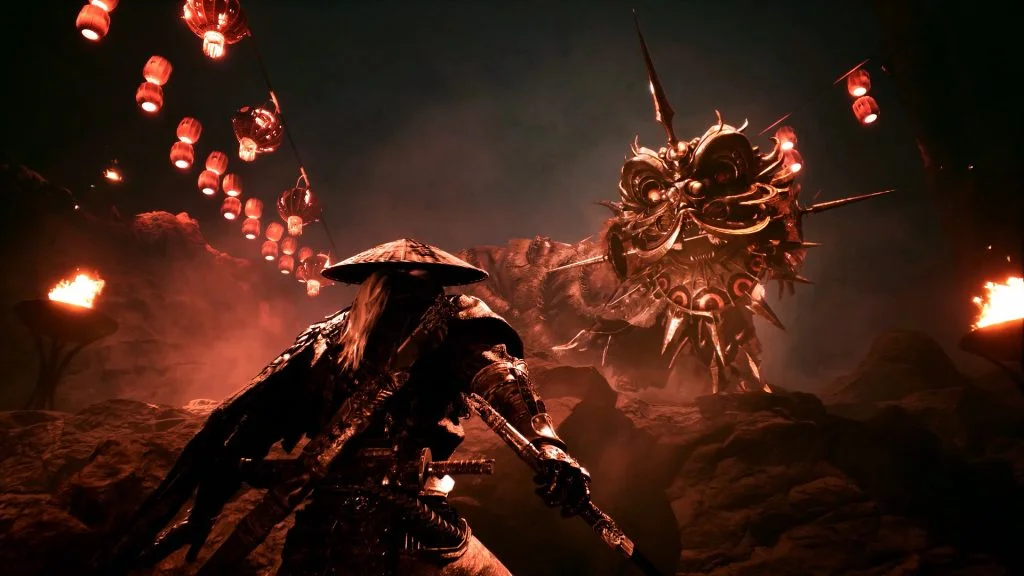
Phantom Blade Zero makes its strongest case through the way combat feels in motion. Its fights ask players to read an opponent, manage several threats and choose when to dodge, parry or press an attack, while presenting those decisions as tightly choreographed martial arts. The spectacle works because it’s tied to play: Soul’s timing and positioning shape what happens on screen.
That connection is clearest in the Seven Stars encounter, where a formation of swordsmen attacks as a coordinated unit. Decree, the group’s blue-eyed leader, directs the formation and can use puppet strings to reassemble it when the fight goes awry. The player has to find small openings in a moving wall of blades, then turn a well-timed response into an advantage. It’s a demanding setup, but one that gives the choreography a mechanical purpose.
Combat built around timing
Soul’s moves are quick and distinct, with attacks, parries and dodges flowing into one another. The animations make those options legible while giving each exchange a sense of weight. Learning the rhythm doesn’t take long; using it well against different opponents is where the system begins to show its range.
Weapon changes alter Soul’s stance, offering a visual hint that a new set of moves is at hand. That detail reflects the care put into the game’s motion work, including the use of a dedicated capture studio and choreography by Donnie Yen. The result gives the protagonist a recognizable physical style, rather than making every weapon feel like a different set of numbers attached to the same animations.
Soul’s defense also communicates intent. When he shifts his weight to evade or deflect an incoming strike, the movement suggests that he’s controlling where the attack goes, not simply escaping it. That confidence suits a character framed as a highly trained member of the Order. It also raises the stakes: opponents need enough force, speed or tactical advantage to challenge someone who can make a narrow opening count.
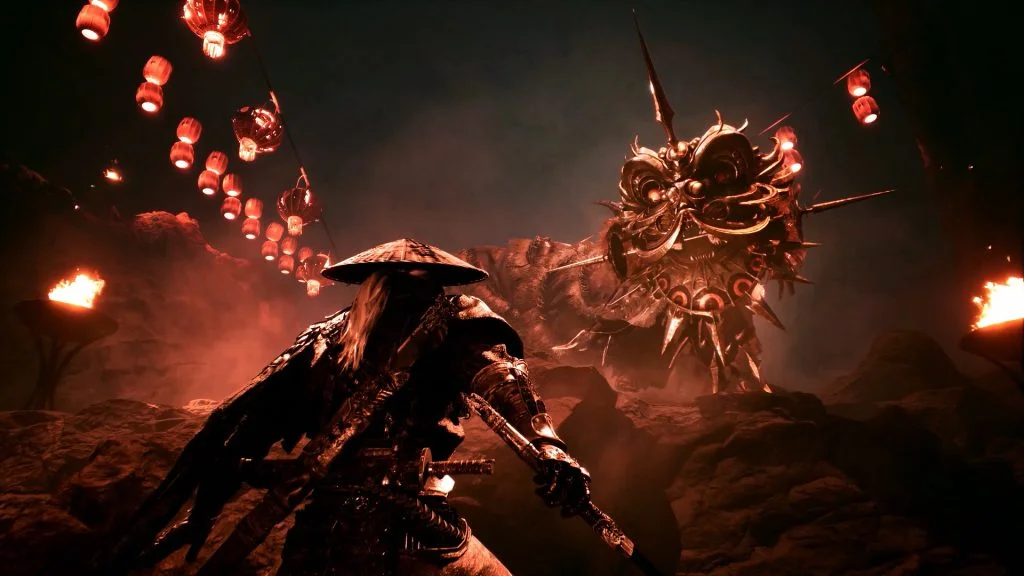
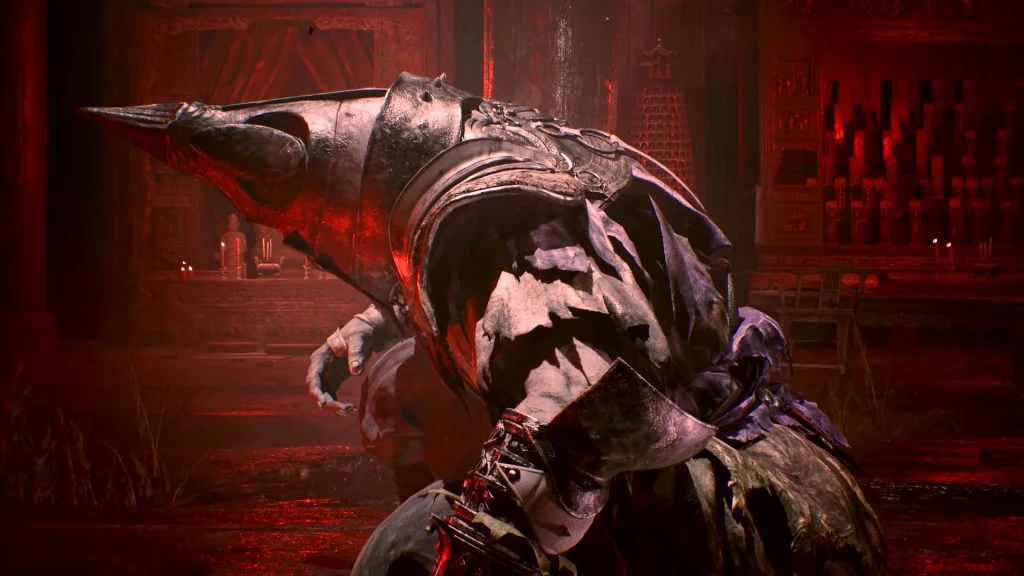
The fight against Jagged Steel shows how contrasting styles can carry an encounter. He’s a hulking opponent with a massive blade, moving slowly and deliberately. Soul answers with agility and precision. The difference gives the battle its shape: each heavy blow looks dangerous, while Soul’s quicker strikes suggest a plan to wear his larger adversary down through timing and controlled aggression.
Fights shaped by the Wulin
Phantom Blade Zero draws on wuxia and kung fu, with steampunk elements woven into its world. Its use of the Wulin—the martial world its fighters inhabit—helps establish the character of a confrontation before the first strike. A tower filled with smoking chimneys and turning gears, for example, sets up a mechanical environment and hints at the unusual opponent waiting inside.
The Seven Stars fight turns that staging into a group challenge. Individual swordsmen can break from the formation when they’re close to Soul, but they remain part of a larger threat. At one point, an attacker lifts Soul and slams him to the ground as the rest of the group prepares to strike. A well-timed dodge lets him kick one warrior into the others, disrupting their balance and opening a path for a counterattack.
That sequence captures the game’s central appeal: the player’s input can redirect a scene without making it feel detached from the character’s skill. Soul is outnumbered, but the encounter rewards reading the group and using its own momentum against it. The cinematic framing helps sell the action, while the need to react keeps the player engaged in how it unfolds.
Bosses with different rhythms
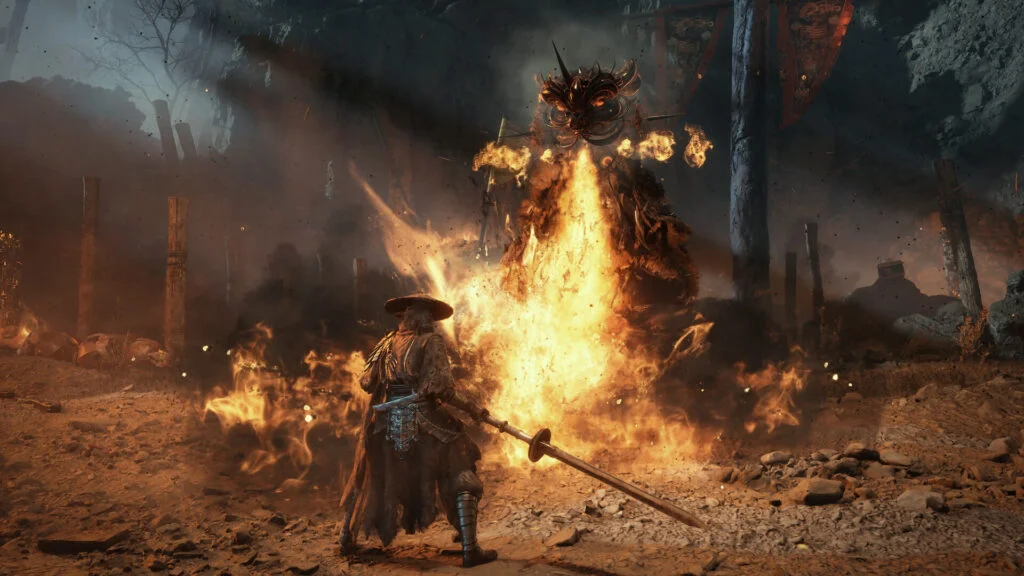
The Lion Dance Puppet Grandmaster takes the game’s mix of influences in another direction. Its steampunk machinery powers a fight built around rapid attacks and close-range reactions. The camera moves in close as Soul dodges flurries and parries selected strikes, making the encounter feel immediate. The design asks for the same attention to timing as the group battle, but changes the problem from managing a formation to staying composed against one aggressive foe.
The fight shifts when one of the dancers is removed. Its first phase pushes forward with relentless pressure; the second slows down and becomes more deliberate. A cinematic transition marks the change, but the difference in pace also affects how the player has to respond. Seeing the fight in a preview can’t fully convey the distinction between watching its choreography and having to make the right move yourself.
The Hunt offers a different test, using the reach of his weapons to shape both the threat and the presentation. His attacks create a specific spacing challenge, so the spectacle comes with a tactical demand: Soul has to account for how far those weapons can travel. Across these fights, enemies aren’t simply targets for elaborate combos. They’re opponents whose strengths require the player to think as well as react.
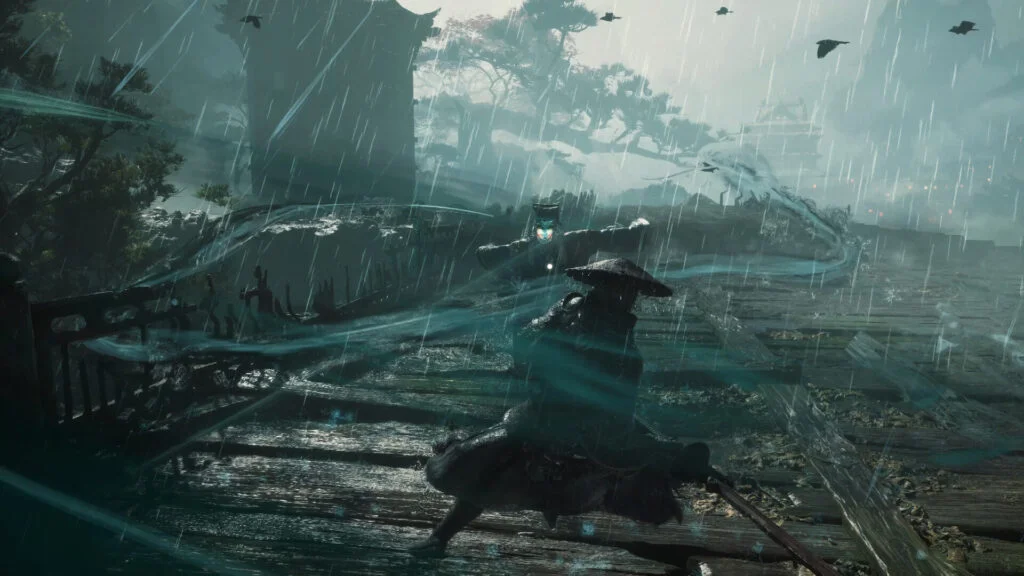
Some encounters lean as heavily on atmosphere as on attack patterns. In one storm-lit battle, lightning and weather combine with the fight’s pauses and bursts of action. The opponents circle each other, weighing the moment to strike. It’s an arresting scene, and one that can draw attention away from the next incoming blow. That tension between spectacle and awareness is part of the game’s appeal, though it depends on the player staying engaged with the combat beneath the show.
Where the presentation can falter
The presentation has some rough edges. Enemies can get stuck in the environment or unexpectedly stop pursuing Soul, interruptions that are especially noticeable in a game built around carefully staged clashes. Some fights also use camera angles that make the action harder to read, and performance problems have been reported. These issues don’t erase the strengths of the combat, but they can disrupt its rhythm.
The camera is usually effective at giving the player a clear view of the action, particularly in close duels. Yet fights with awkward perspectives show how delicate that balance can be: framing an encounter for dramatic effect still has to leave enough room to track an opponent and respond. When the view works, it draws the player into the exchange. When it doesn’t, cinematic style becomes a distraction.
Style with room for experimentation
A varied soundtrack supports both exploration and combat, while the detailed environments give the fights a sense of place. The game also encourages players to try different approaches through generous respec conditions and resources found by exploring. That flexibility complements the combat’s range, giving players room to adjust their setup as they learn what different encounters demand.
Phantom Blade Zero is at its best when its systems and presentation reinforce each other. Responsive controls give players the tools to manage dangerous opponents; distinct animations make those choices easy to read; and choreography turns successful timing into memorable action. The occasional camera or enemy glitch interrupts that connection, but the core idea remains persuasive: each fight should test the player while making Soul’s mastery visible. Its strongest encounters earn their cinematic scale through the decisions they put in the player’s hands.

Discussion
Sign in to join the discussion.