Distinct weapons, escalating boss fights and exploration rewards keep Phantom Blade Zero’s combat loop compelling across its story and tougher modes.
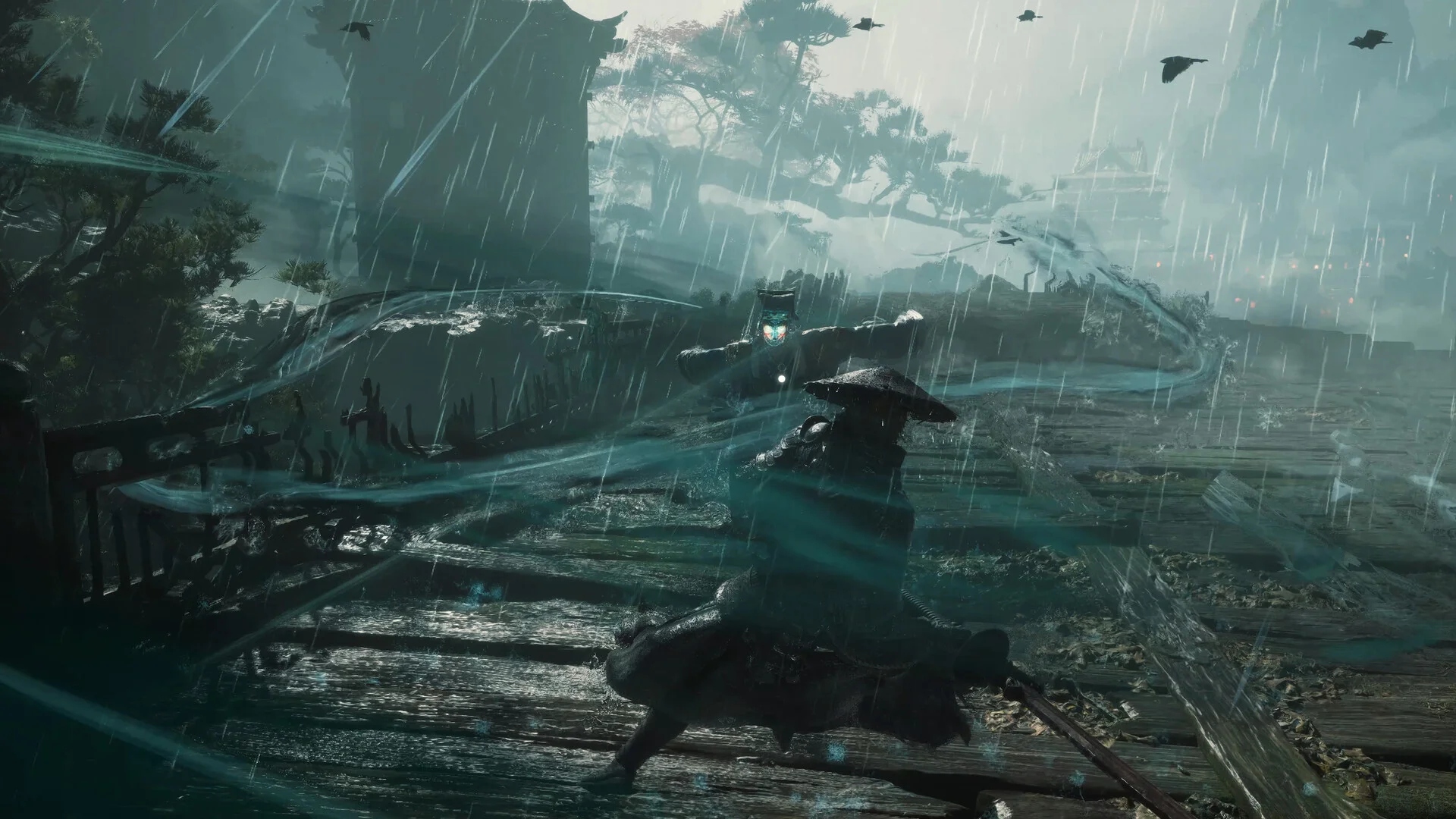
Phantom Blade Zero makes its strongest case through momentum: each fight can reveal a new way to use its weapons, and each reward gives players a reason to seek out the next encounter. S-Game’s action RPG can be demanding, with 50 bosses and encounters that sometimes overwhelm players with projectiles, explosives and chained attacks. Yet its combat keeps defeat from feeling like a dead end. There’s usually another tool to try, another route to uncover or another fight that puts a fresh spin on what you’ve learned.
That pull can be hard to resist. I found myself postponing breaks until after one more encounter, then one more boss, even when extended sessions brought physical discomfort. The appeal isn’t simply a desire to master difficult patterns. It’s the steady arrival of new weapons and abilities, each inviting a different approach to the fights ahead.
Weapons turn progress into experimentation
The early arsenal gives a useful sense of the variety to come. Dual blades bring their own moves and perks, while the large axe, one of the first Phantom Edges, can crack shields and armor. It may be awkward in some situations, but it can also break obstacles that open routes through the environment, even when the weapon isn’t equipped.
The main story’s first two regions are relatively direct, but the rewards begin to widen combat options within a few hours. A two-handed sword, for example, offers lifesteal through its Power Surge attack. That move can also function like a grapple, pulling enemies in so they can’t simply retreat. As players get more comfortable responding to black-flash attacks, switching weapons becomes a tactical choice: it restores Sha-Chi and helps extend damage output.
That system keeps building. Memory Flowers, Sha-Chi Amber, accessory slots and upgrade materials let Soul add follow-up attacks to Phantom Edges, recover Sha-Chi through parries and dodges, and regain health from executions. Each new option can change how a fight feels, instead of merely increasing a damage number.
The range is striking. Dual blades can channel wind and lightning; a one-handed sword launches energy slashes before carrying Soul into an opponent; and hook blades can answer blue-flash attacks with special counters. They can also counter black-flash attacks, though that interaction is easier to discover firsthand. One moment, Soul is setting enemies alight with a lion dancer mask; the next, a lightning spear is stunning them. Soul Tempering adds another layer beyond these examples.
The practical effect is that familiar encounters become testing grounds. A new weapon isn’t just a prize to admire in a menu; it’s a reason to change tactics and see what works. Some ordinary fights may become easy as a result, but the game regularly shifts the pressure. Players can go from cutting through opponents with ease to scrambling for survival on the way to a checkpoint.
Bosses keep the learning curve moving
That swing in power gives exploration a useful rhythm. When Soul’s latest setup makes regular enemies feel manageable, a boss can reset expectations. Previous attempts against Mo Yuan may sharpen reflexes, and medicine upgrades can increase healing, but preparation doesn’t guarantee a quick win. A combat puppet can still land a punishing sequence and force players to reconsider their timing.
Failure, in this structure, is another chance to learn. Recognizing an attack pattern matters, but so does understanding what a weapon can do in response. A fight that goes badly can reveal where a parry is mistimed, whether an attack leaves Soul exposed or if another armament might suit the encounter better. The lesson may take several attempts to stick. When it does, victory often brings a new weapon or Phantom Edge—and starts the cycle again.
The game also uses rewards to encourage revisiting earlier areas. New equipment can point toward blocked paths, including branches that can be burned or floors that can be broken. Exploration then feeds back into combat through more gear and resources, while combat keeps giving players reasons to look around. The connection feels purposeful: an optional route can have a payoff beyond simply adding distance to the map.
Side paths and upgrades support the main journey
Players don’t need to spend their time farming enemies or gathering materials in the manner associated with many Souls-like games. Resources arrive through the journey, leaving room to follow the story or take detours into the world of the Wulin. The story moves through places including the Village of Lu and Pangzhen, while side activities can lead to useful finds. Helping a Shadow Warden, for instance, can take players into a Sha-Chi Tower in search of resources.
Build choices offer another way to shape the experience. Accessories and medicines can support different approaches, from a setup focused on blocking to one that favors keeping distance. That gives players a reason to adjust their equipment to match their preferences or a particular challenge. The system encourages planning without making resource collection the main event.
Difficulty also affects how far the game pushes this loop. Hellwalker changes boss attack patterns, requiring players to question habits they may have developed elsewhere. It’s a way to make repeat fights ask for more than faster execution of the same response. S-Game director Qiwei Liang has said the last ten weapons offer a fundamentally different experience in New Game Plus. That design intent makes sense alongside the game’s focus on learning new combat possibilities, rather than treating a second run as a simple repeat.
There are limits to how much challenge every player will want. The 66 Days Mode is a sign of how far the game can extend that pursuit, but not everyone needs to chase its hardest tests. Players who want to explore the dark Wuxia setting, defeat bosses and finish the story can still find a substantial adventure without clearing every side activity.
A combat loop with room to grow
Phantom Blade Zero is at its best when its parts reinforce one another. Distinct weapons make combat feel varied; bosses put those tools under pressure; and exploration supplies rewards that encourage fresh experiments. Difficulty can rise without every encounter feeling like a demand to repeat the same tactic until it works.
That structure makes the game unusually easy to return to. Players can pursue the story, investigate side paths or seek a tougher test after finishing the main journey. Its longer-term appeal rests on whether a new weapon or boss can still change the way a fight plays. With New Game Plus weapons and Hellwalker offering additional challenges, the game gives dedicated players a clear reason to keep refining their approach.
For players who get drawn into its combat, the next encounter rarely feels like a chore between rewards. It’s the place where a new build gets tested—and where the next reason to keep playing may appear.


Discussion
Sign in to join the discussion.