Jun Takeuchi expects Resident Evil’s current story to resolve within a decade. The next games could unite its veteran heroes and new generation around Umbrella’s legacy.
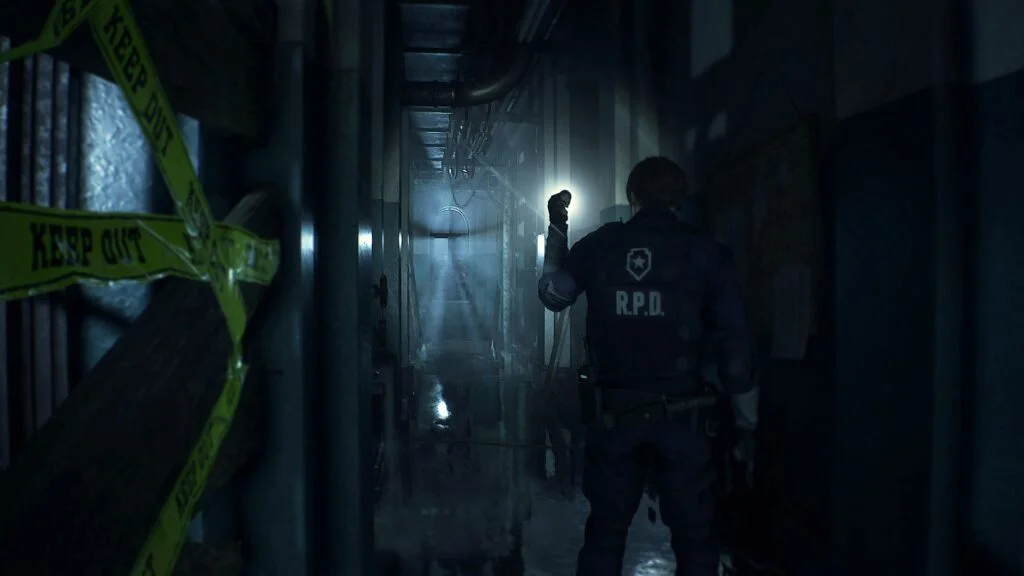
Resident Evil has spent decades turning one catastrophe into a sprawling conflict over biological weapons, corporate greed and the people left to contain the damage. Now executive producer Jun Takeuchi has indicated that the story built around the franchise’s familiar cast could reach a resolution within the next ten years. That gives the series a rare opportunity: to plan an ending for its veteran heroes while deciding what, if anything, their successors will inherit.
Takeuchi discussed the franchise’s direction in an interview with Yahoo Japan, as reported by IGN. His comments connect the recent games to a longer plan: the remakes beginning with Resident Evil 2 Remake formed part of a ten-year strategy, and Resident Evil Requiem marks the end of that phase. He also expects the current story to be resolved over the coming decade, with multiple games still to come.
A plan for the past, and a question about the future
The significance isn’t that the series has announced a final game. Takeuchi gave no title, release schedule or details about how the story will end. What his comments suggest is that the games have been steering toward a broader destination, even though the franchise grew over time rather than beginning with a fully mapped saga.
Resident Evil Requiem appears to sit at a turning point in that approach. It follows a run of remakes that revisited the series’ foundations, while positioning the wider story to move beyond Raccoon City. The challenge now is to make the next phase feel like a progression toward resolution, rather than a fresh outbreak that resets the cycle.
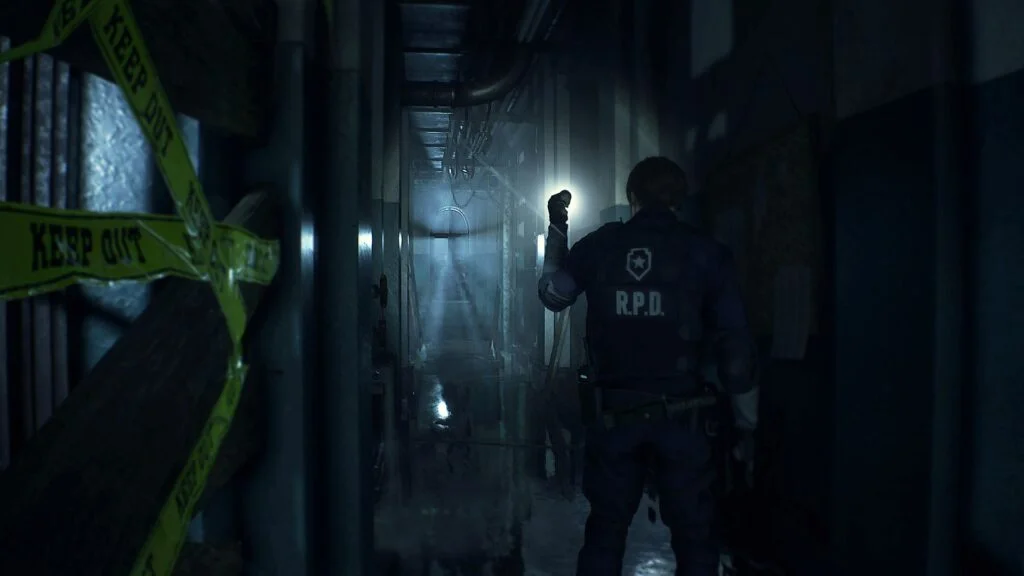
That distinction matters because the series’ central conflict has never been only about stopping a monster. Umbrella’s experiments, The Connections’ schemes and the many people who treat biological weapons as tools all point back to the same recurring problem: powerful groups keep turning human lives into material for their ambitions. A satisfying ending has to address that machinery, not just defeat its latest product.
The original cast needs room to finish
Requiem leaves Leon Kennedy and Chris Redfield in positions that could lead them toward mentorship and leadership. Both have spent much of their lives responding to crises created by others. If the next games place them at the head of a new generation, the story could show what they pass on—and whether they can build a world where that training is no longer needed.
Jill Valentine and Claire Redfield also remain important possibilities. Their absence from the central events of Requiem, beyond references, leaves space for later stories to bring them back into the larger conflict. The Connections could provide a route for all four characters to investigate what remains of Umbrella and the legacy of its founder, Oswell E. Spencer. That might include contingency plans tied to Spencer’s experiments and his interest in Elpis.
Elpis itself could help connect characters and plotlines across several games. There may be more of the antivirus formula in circulation, though that remains speculation. If it becomes a recurring thread, it could draw rival groups and the established heroes into the same struggle while forcing the series to confront what happens when powerful technologies fall into the wrong hands.
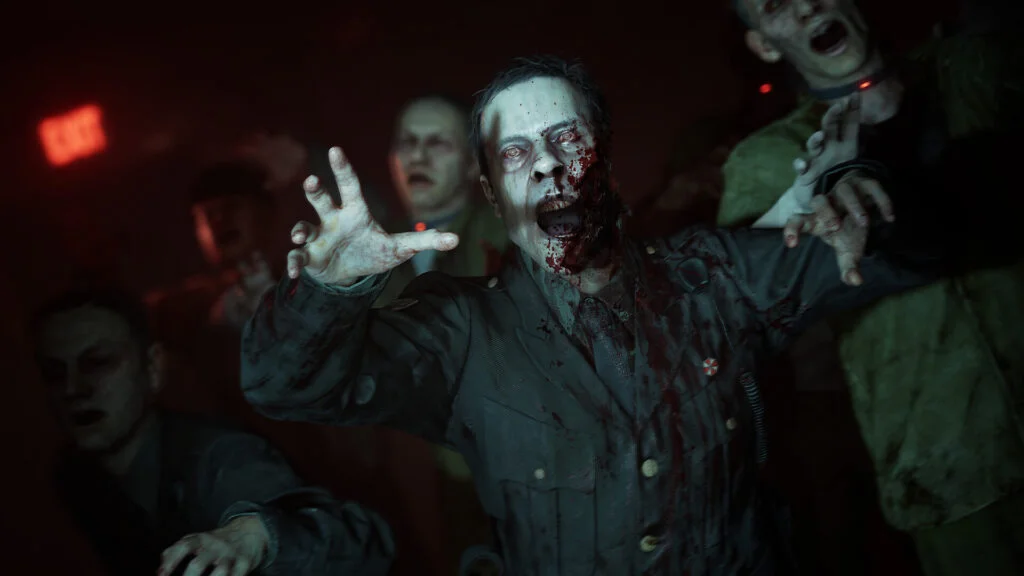
The hardest question is what peace would look like for people whose identities have formed around fighting bioterrorism. Leon’s future might include a life alongside Ada Wong, if both characters can leave their past behind. Chris and Claire might arrive at a shared understanding despite having taken different approaches to the same threat. Those endings would carry more weight than another victory if they show what the characters choose once the emergency ends.
A new generation inherits unfinished business
Grace and Rose could shape the next stage. Grace has been presented as a character whose intelligence is central to how she handles danger. Rose, meanwhile, may have abilities that give her unusual power in a conflict involving biological threats. Their time with Leon and Chris, respectively, creates a plausible link between the old guard and whatever comes next.
Rose’s abilities raise a particularly useful story question: would she choose to give them up, could Elpis remove them, or might she put herself at odds with her allies to protect them? Each path would give her agency, and each would carry a different cost. Grace’s role could likewise expand beyond surviving events into shaping how the next generation understands and counters the forces behind them.
Passing the fight to younger characters shouldn’t be automatic. If the veteran heroes succeed, the next generation may not need to inherit the same endless war. If they fail, Grace, Rose and others could be left confronting a conflict they didn’t create. The series has room to make that tension part of its ending: what the older characters owe the people who come after them, and whether the best legacy is a better way to fight or the chance to stop fighting altogether.
Small remake changes may carry larger clues
The remakes have already shown how adjustments to familiar events can support a longer narrative. In Resident Evil 3 Remake, Nemesis can create parasite-infected zombies, a change that ties the creature more closely to the franchise’s wider biological experimentation.
The game’s post-credits scene offers a more direct thread. An unidentified person retrieves a damaged vaccine container after Raccoon City’s destruction. That detail could become relevant if the franchise revisits the vaccine or connects it to Elpis, but there’s no confirmed link or identified person to build on yet. For now, it stands as an unresolved possibility created by a change to the remake.
These alterations make the remakes more than recreations of earlier games. They can adjust the connective tissue between events and leave new questions for later installments. With Requiem shifting attention beyond Raccoon City, the surviving vaccine container is the kind of loose end that could help bridge the city’s history to the next phase of the story.
An ending should change what comes after
Takeuchi’s timeline leaves room for several games before the current story reaches its endpoint. That’s enough space to bring the cast together, resolve lingering questions and establish what the newer characters want from a world shaped by Umbrella and its successors. The outcome will feel earned only if those games develop the personal consequences alongside the larger conspiracy.
Resident Evil doesn’t need to stop telling stories for its current timeline to reach a real conclusion. But the end should mean more than another defeated antagonist followed by the next outbreak. It should give Leon, Chris, Jill and Claire distinct futures, make clear what Grace and Rose choose to do with what they’ve inherited, and show whether the cycle of biological weapons can finally be broken. That’s the promise—and the test—of a decade-long path to closure.


Discussion
Sign in to join the discussion.