Phantom Blade Zero keeps demanding combat while letting players carry boss progress forward, tying its checkpoints to a broader focus on momentum and new encounters.
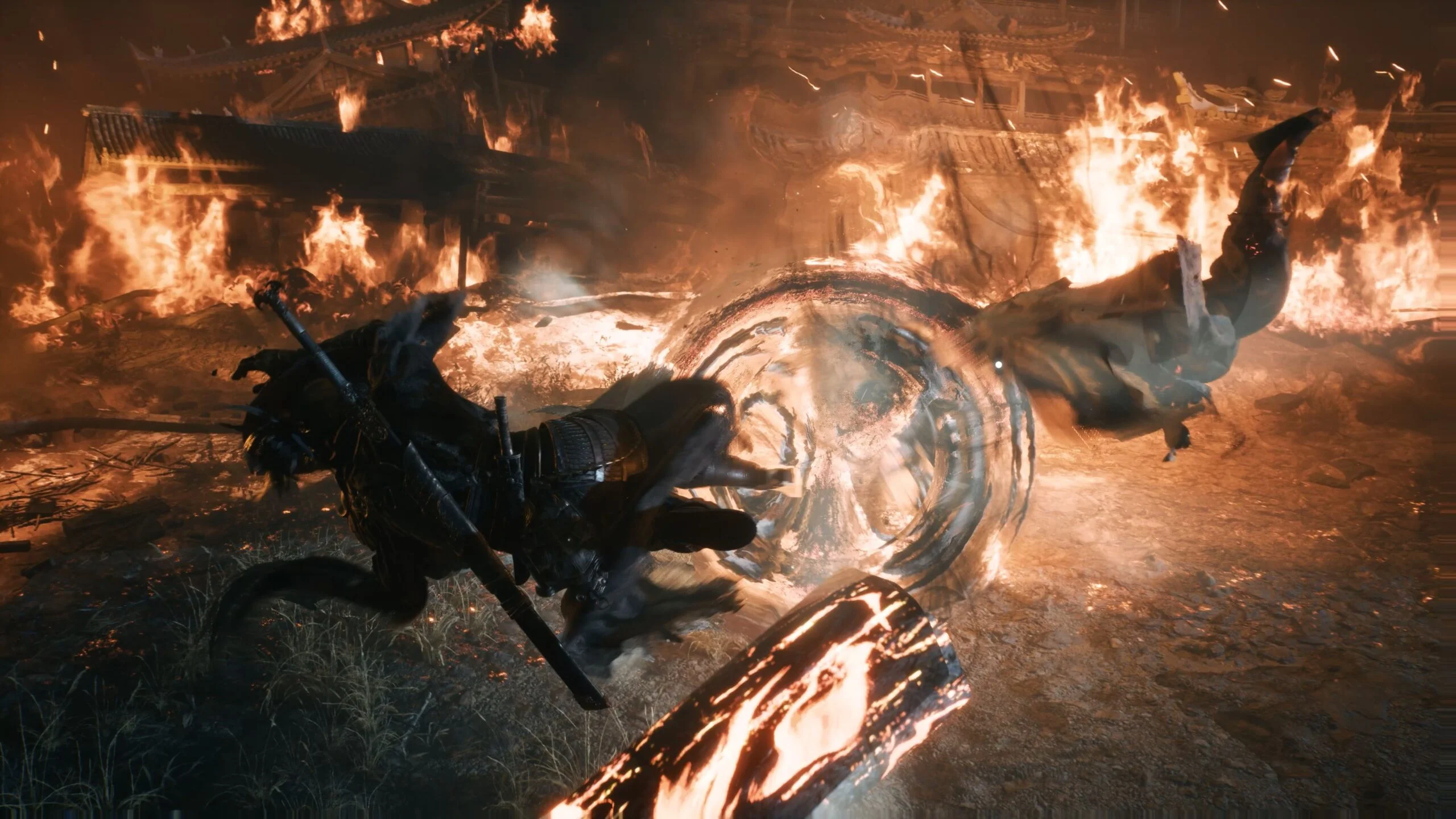
Phantom Blade Zero makes failure feel like a lesson with a next step. When a boss fight’s second phase proved too much, the game let me resume there after dying, instead of sending me back through the opening phase. That choice softens repetition without removing the fight’s demands, and it points to a design built around forward momentum.
Progress carries through a defeat
The clearest example came in a battle with The Hunt. The encounter begins with a familiar first phase, then changes sharply when his body tears open and two more arms appear. He unleashes scythes from a distance and a tornado that tracks the player. After dying, I expected to repeat the opening, preserve my health as best I could, and earn another attempt at the harder section.
Instead, the game started me at the second phase. The opening fight and transformation didn’t need to be replayed. The boss remained a serious obstacle, but the retry respected the progress I’d already made. That distinction matters: a checkpoint can spare a player repeated work while leaving the skill test intact.
Phantom Blade Zero is due October 29 for PS5 and PC. S-Game has repeatedly said it isn’t making a Souls-like, and the systems support that distinction. There’s no stamina bar. Sha-Chi governs heavy and special attacks, and running it down can leave Soul vulnerable. Enemies encountered in the world can attack in groups, but once defeated, they don’t return. Rest points, called Bells, are placed generously enough to support recovery and fast travel.
Those choices make death feel different from a reset loop. The world records what the player has overcome, while the boss system can preserve a phase reached through effort. The game still expects players to learn and respond; it simply avoids asking them to repeat every part of that lesson each time.
Each encounter adds a combat lesson
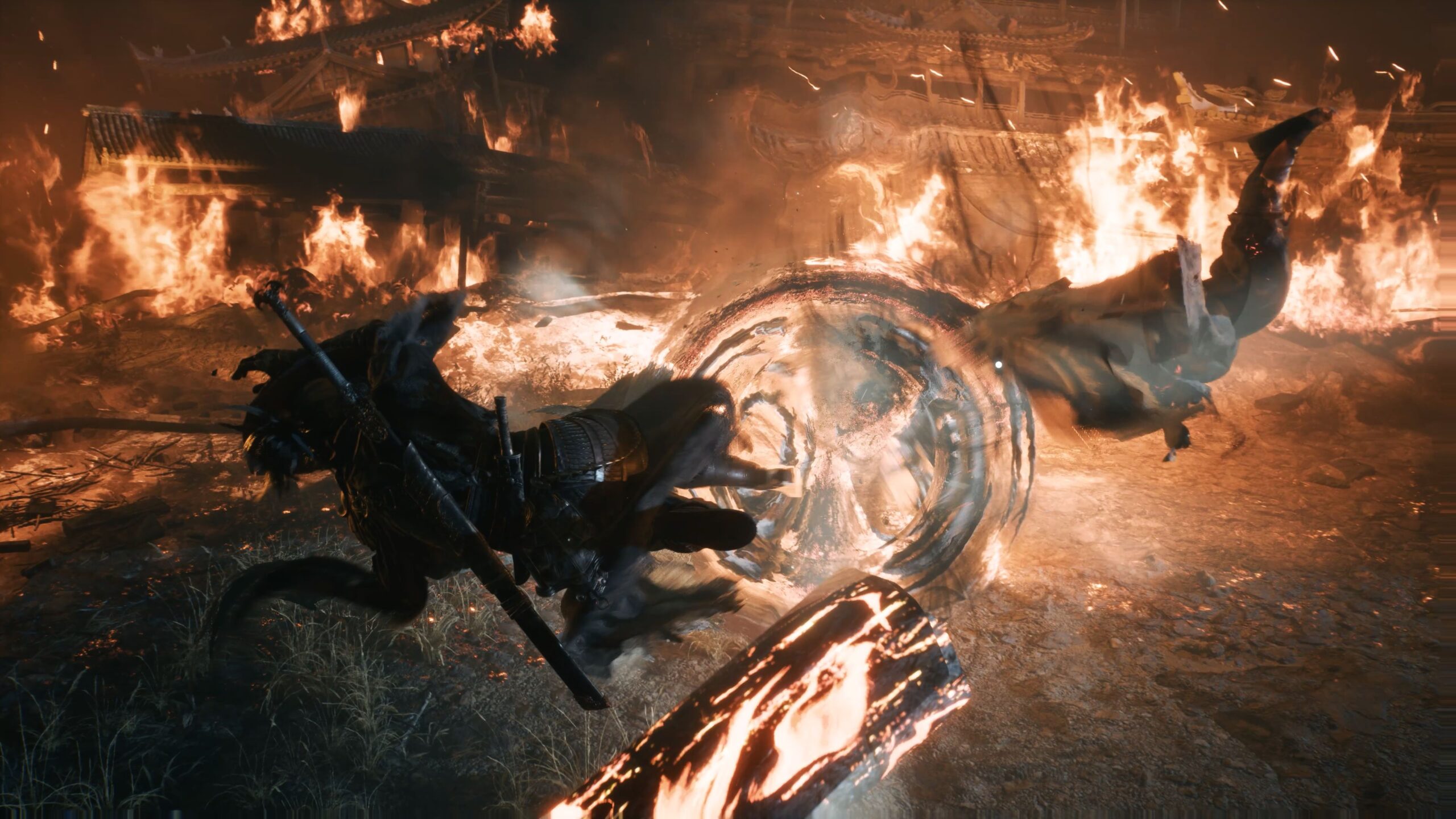
The reduced repetition doesn’t mean the default Pathbreaker difficulty is forgiving. Bosses can punish mistakes, and the early fights introduce systems that become essential later. Jagged Steel, the Frenzied Brute, was an early lesson in bleed effects, parrying blue attacks, and using Phantomstep to evade red ones. The fight made clear that staying alive depends on reading attack types, not simply attacking whenever an opening appears.
Other encounters turn that foundation into a reason to change tactics. If the second phase of the Seven-Star Formation is proving difficult, summons may help. Against a boss who sends projectiles that need to be reflected, switching to a Bronze Sword can make sense: it prevents parrying, but reduces Sha-Chi spent on blocking. The game’s equipment choices can alter how a player handles an encounter, rather than serving only as incremental upgrades.
Mo Yuan, played by Donnie Yen, teaches the fundamentals through a direct test. Players can’t deal damage until they break through his Sha-Chi, which calls for precise parries and Phantomsteps against his blue and red attacks. Even after opening him up, they need to inflict enough damage to finish the fight. There’s no later phase to reach; the encounter is a single sustained check on the player’s execution.
A later fight with Mo Yuan builds on that knowledge by adding black-flash attacks, which drain Sha-Chi. The counter is to switch weapons. It’s a simple instruction, but it changes the meaning of a mechanic players have already encountered and rewards adapting their habits. The fights work like compact training sessions: each one introduces pressure, then asks the player to bring what they learned into the next test.
That structure gives the game room to be demanding without making every failure costly in the same way. Some bosses invite experimentation with weapons, summons, and defense. Others, like Mo Yuan’s first encounter, ask for a cleaner grasp of timing. A player may find a later attempt easier after learning the patterns, but the improvement comes from understanding the fight, not from removing its challenge.
A different role for difficulty
Boss checkpoints aren’t new, but their purpose here feels distinct. In some games, a mid-fight checkpoint can reduce the pressure of a long encounter by letting players restart near the halfway mark. Phantom Blade Zero’s phase continuation can serve a related practical purpose, yet it fits a wider approach: keep encounters moving and give each one a chance to teach something distinct.
Director Qiwei “Soulframe” Liang described that aim in an interview with 4Gamer. He said he doesn’t want players to experience the same content repeatedly, and connected that goal to advancing the story and exploring the world. He also framed new enemies as among the game’s biggest surprises. Liang acknowledged that some games bring enemies back for farming or rewards, but said S-Game has confidence in the volume and quality of its work and wants players to encounter new things.
That view helps explain why enemies stay dead and why boss retries can skip ground already covered. The game treats content as something to move through, while relying on new opponents and changed mechanics to keep combat engaging. Progress isn’t only a stronger weapon or a higher number; it’s also a growing command of the combat language.
That language becomes more demanding in 66 Days Mode. Its Hellwalker difficulty makes enemies adapt to the player’s attacks and change their patterns, raising the stakes of each encounter. Death carries a greater penalty there, turning the earlier fights into preparation for a more severe test. Hellwalker also offers the same boss difficulty without death penalties, so players can take on the harder combat without that added cost.
The fire-sword opponent still calls for a practical response: equip an accessory that reduces fire damage and don’t get overconfident. That kind of advice captures the game’s balance. Checkpoints can keep a player from replaying a phase, but they don’t solve the next problem for them.

Failure as forward motion
My read is that Phantom Blade Zero isn’t trying to make every defeat painless. Pathbreaker’s bosses can still overwhelm, and Hellwalker gives experienced players a mode where mistakes carry more weight. The design instead makes a distinction between failing to clear a challenge and being sent back through material the player has already mastered.
That approach changes the emotional shape of a loss. Reaching a new phase establishes progress, and the next attempt can begin with the problem that actually stopped the player. The fight remains a test, but the game acknowledges what has already been learned. For a combat-focused action RPG, that’s a persuasive way to keep difficulty demanding while keeping the journey in motion.

Discussion
Sign in to join the discussion.