The Blood of Dawnwalker seeks to revive impactful choices in RPGs, offering players significant consequences and varied narrative paths in its immersive world.
Role-playing games (RPGs) have long been defined by the interplay of choice and consequence, but recent titles often fall short of delivering the depth these elements can provide. Choices like the decision to obliterate Megaton in Fallout 3 or to secure Anabelle’s bones for Graham in The Witcher 3: Wild Hunt resonate because they create lasting emotional echoes for the player, shaping their journey through the narrative.
Yet, in recent years, many open-world RPGs have opted for a more traditional approach to gameplay, building richly designed worlds while sidelining the weight of player decisions. Titles such as Horizon Zero Dawn and Assassin’s Creed have captured the spirit of exploration but missed opportunities to deliver choices that genuinely impact the outcome of the story, unlike what we see in Baldur’s Gate 3 or even Kingdom Come: Deliverance.
In this context, The Blood of Dawnwalker, set for release on September 3rd, captures interest with its promise of meaningful choices within an open-world setting. Developed by Rebel Wolves, a team comprised of veterans from CD Projekt RED, it bravely takes on the legacy of The Witcher 3 without merely recycling its formula. Although it boasts a more confined world—supposedly manageable in about 50 hours—there's potential for deeper, more engaging experiences.
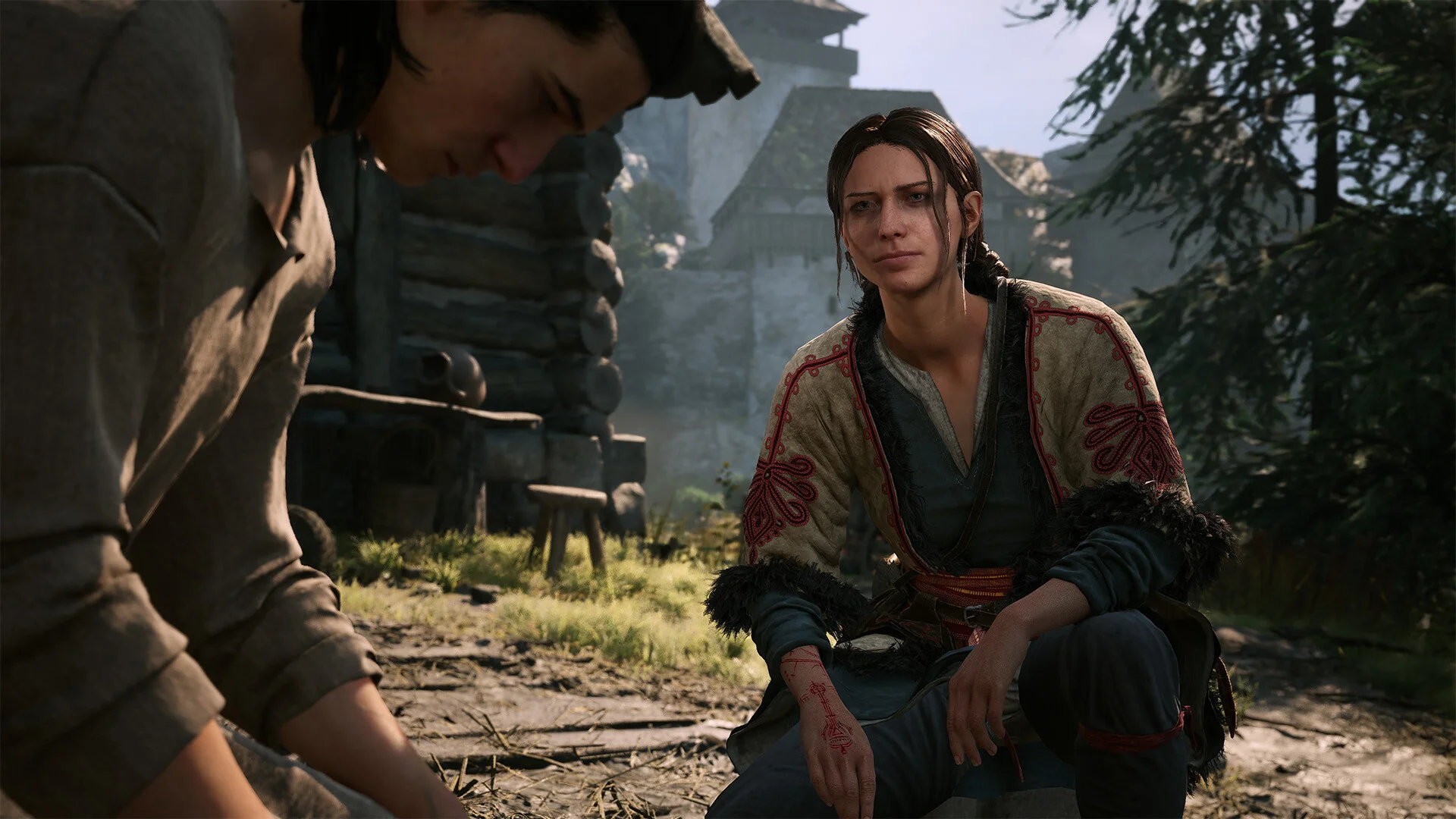
The narrative centers on Coen, a villager in the Vale Sangora, where he faces the oppressive rule of Brencis and his vampire court. Brencis aims to dominate the populace, forcing them to offer blood in exchange for a semblance of normalcy. The stakes escalate dramatically when Coen transforms into a “Dawnwalker,” a unique type of vampire able to walk in daylight, but he has only 30 days to rescue his family from impending doom.
Time serves as a critical game mechanic in The Blood of Dawnwalker. While players are free to explore at their own pace, meaningful selection points accelerate time, reflecting the inescapable weight of their decisions. This blend of real-time pressure and narrative consequence effectively communicates that not all scenarios allow for limitless choices.
Interestingly, the protagonist's dual nature as a vampire opens a host of gameplay options. Certain tasks, like infiltrating a crypt, can be approached differently based on the time of day. Players must decide: do they tackle a challenge during the day with their limited human abilities, or wait for nightfall to exploit Coen’s vampiric skills? This dynamic heightens both strategic planning and the significance of choosing how to engage with the environment.
The freedom extends well beyond missions. Players could choose to abandon their family, embracing the darkest paths available, or risk consuming innocent characters if hunger is neglected. This approach to morality—allowing players to explore villainy without contradictory fail states—stands in stark contrast to many contemporary RPGs where repercussions often lurk around every corner.
Yet, the game offers myriad alternatives to a straightforward journey. If players do choose to challenge Brencis at any moment within the 30-day timeline, they risk missing out on vital story arcs, developing relationships, and building a stronger foundation for their final encounter. The infamy system rewards rousing discontent among the populace, potentially transforming the world into a more chaotic place while enabling Coen to forge alliances or further his own reputation among the resistance fighters.
As players navigate their experiences, the story evolves beyond the 30-day mark. The ambiguity surrounding the “changing circumstances” presents additional layers to how choices affect long-term outcomes. Ignoring quests or making reckless decisions raises intriguing questions: what future challenges await if Coen opts to become a tyrant, or if he fails to act when time runs out?
The choices presented in The Blood of Dawnwalker echo the breadth found in pen-and-paper RPGs and classic titles like Fallout. Tomaskiewicz has articulated the aim as crafting a game where the main narrative exists alongside a plethora of optional quests—player agency is at its core.
This ambition places a considerable burden on Rebel Wolves, especially considering their smaller scale compared to industry giants like CD Projekt RED or Bethesda. However, the insistence on player-driven exploration speaks to a growing demand for RPGs that prioritize player choices over linear story progression, potentially enhancing replay value.
Of course, potential pitfalls remain. The success of The Blood of Dawnwalker hinges on effective combat mechanics, polished delivery, and intricate storytelling. Yet, the enthusiasm from developers to reignite the roots of meaningful choices is commendable. With millions of players already showing interest ahead of launch, there’s hope that this title might pave the way for a resurgence of impactful decisions in the RPG genre, encouraging developers to explore paths less traveled.



Discussion
Sign in to join the discussion.