Motorola's Signature 27 combines powerful hardware with GrapheneOS support, expanding privacy-focused smartphone options beyond Google Pixel devices.
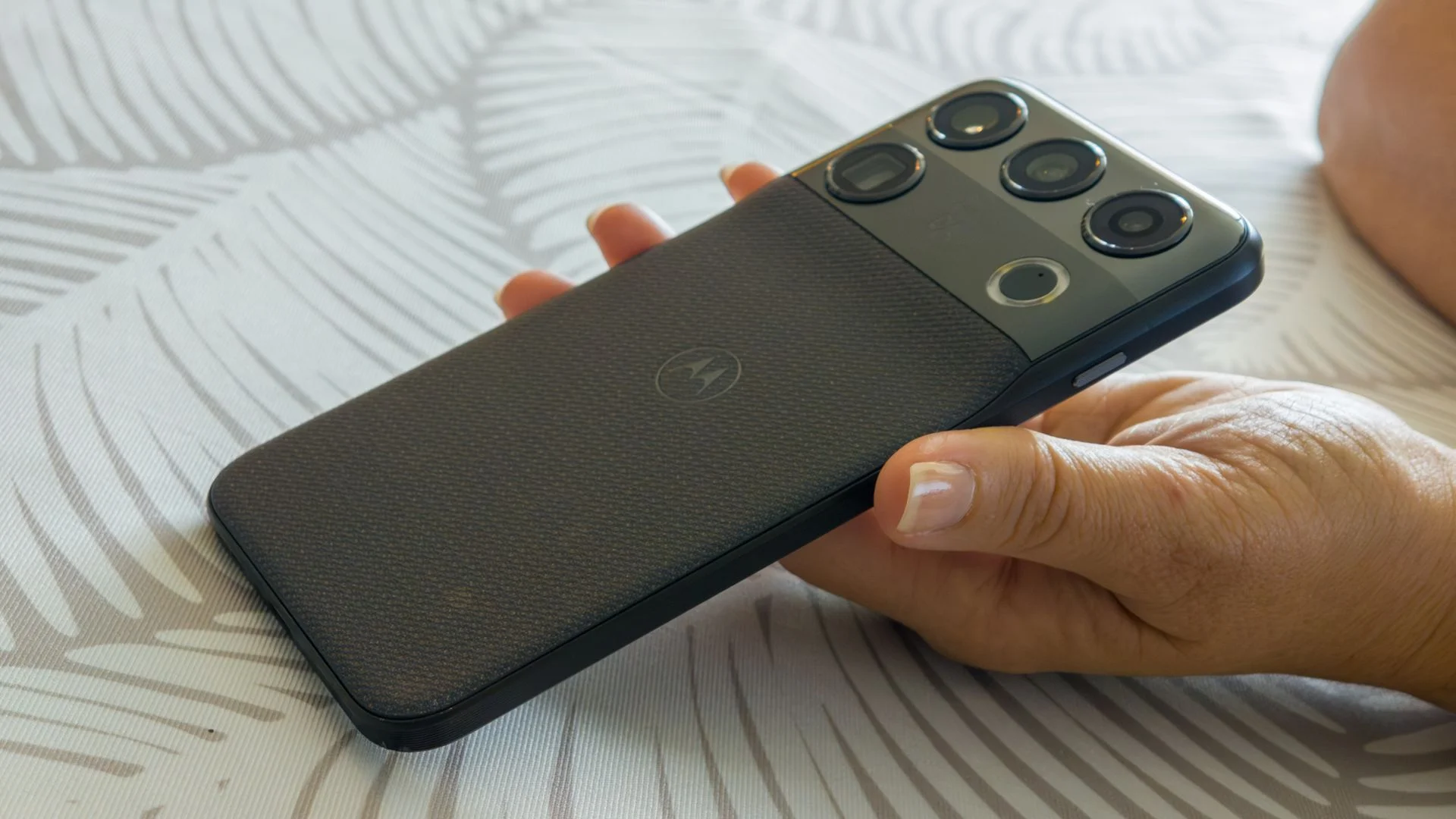
The Motorola Signature 27 is poised to make waves in the Android smartphone arena thanks to its combination of high-end specs and new privacy features. One of the standout aspects is the support for GrapheneOS, marking a significant milestone for non-Pixel smartphones entering the privacy-focused segment.
Powerful Hardware Behind the Signature 27
Unveiled at the Qualcomm Snapdragon Summit 2026, the Signature 27 is expected to be among the first devices to feature the Snapdragon 8 Elite Extreme Gen 6 chipset. Manufactured with a cutting-edge 2nm process, this processor can reach clock speeds of up to 5GHz, positioning the phone as a high-performance contender in the upcoming Android device lineup.
This emphasis on hardware prowess is crucial in a market flooded with mid-range alternatives and devices that often compromise on performance. While manufacturers like Google and Samsung command attention through high-profile releases, Motorola seems to be capitalizing on the opportunity to attract performance-oriented users. The Snapdragon 8 Elite Extreme Gen 6’s advancements may allow the Signature 27 to execute demanding applications with relative ease, a factor that can significantly influence user satisfaction. With the rise of mobile gaming and high-definition media consumption, having powerful hardware isn't just about numbers. It’s about improving real-world usability.
Design and Audio Enhancements
Motorola is also refreshing its design language with the Signature 27, introducing a new camera layout that distances it from previous models. In addition to the impressive hardware, the phone is equipped with Audio by B&O, enhancing the multimedia experience for users who prioritize sound quality.
This shift not only modernizes Motorola’s aesthetic appeal but also positions the brand against its competitors more effectively. The new camera layout speaks to an industry trend where the camera plays a pivotal role in influencing buying decisions. While high-end specs are essential, design elements often draw consumers into a visceral brand experience. And let’s not forget about audio quality in smartphones; many users now consume content on their devices, reinforcing the importance Motorola places on sound quality with B&O audio integration. That’s a smart move in a time when mobile devices often double as entertainment centers.
GrapheneOS Brings Enhanced Privacy
GrapheneOS, a security-centric version of Android, offers a compelling alternative to traditional operating systems. While based on the Android Open Source Project (AOSP), GrapheneOS is designed to prioritize user privacy and security, operating without the deep integration of Google services found on standard Android devices. Optional Google Play services can still be installed but run in a sandboxed environment, granting users greater control over permissions and access.
This approach to operating systems couldn't be timelier. Concerns over data privacy and surveillance have escalated over the years, making software choices not just technical specifications but ethical considerations. GrapheneOS promotes a philosophy many users are increasingly interested in: a smartphone experience that minimizes tracking and data collection. By default, conventional Android installations can place user privacy at risk due to heavy reliance on Google services. In contrast, GrapheneOS supports power users, developers, and privacy advocates alike — a segment that's only getting larger as more people become aware of these issues.
Changing the Game for Non-Pixel Users
Historically, GrapheneOS has been confined to Google Pixel devices due to stringent hardware and security prerequisites. However, with the Signature 27, this trend is shifting. GrapheneOS’s confirmation of initial support for the Signature 27 suggests an exciting expansion of its official compatibility, giving more users access to privacy-focused features. While details regarding the exact support timeline and installation process remain unclear, this development signals an essential shift.
What this means for you as a user is simple: access to security-oriented features that were previously exclusive to the Pixel lineup. The fact that Motorola is breaking down these barriers could shift consumer dynamics—encouraging other manufacturers to explore similar paths. It raises broader questions about the implications for mobile security. Is this the start of a new era where consumer choice isn't just limited by brand but also by functionality and ethical considerations? If you're working in this space, you should be paying attention; the conversation around privacy has never been more pressing.
Looking Ahead
Motorola has yet to announce the Signature 27's release date and pricing. Nevertheless, the combination of the Snapdragon 8 Elite Extreme Gen 6, advanced hardware features, and the promise of GrapheneOS support establishes this phone as a noteworthy option for Android enthusiasts and privacy advocates alike. Keeping an eye on this device will undoubtedly be worthwhile as it approaches its launch.
The anticipation surrounding the Signature 27 isn't just about its specs or the allure of GrapheneOS; it's about what this release symbolizes in the larger conversation around privacy and smartphone capabilities. There's a palpable tension in the tech community, with users demanding greater control and transparency. If Motorola can deliver on its promises, it may not only capture market share but also set a new standard for what users expect from their devices. That’ll be something worth watching closely.

Discussion
Sign in to join the discussion.