Meta's upcoming VR Glasses promise a lightweight design and high-definition experience, catering to adults and setting a new standard for standalone headsets.

The once cumbersome era of VR headsets is clearly over as Meta gears up to launch its latest offering, the Meta VR Glasses, in Spring 2027. Building on the momentum initiated by the Oculus Quest in 2019, these glasses are set to transform the landscape with their sleek and lightweight profile, which have been designed for adult users seeking immersive experiences.
Notably, the name Meta VR Glasses distinguishes these devices from Meta's other wearables, such as those co-branded with Ray-Ban and Oakley. This move creates a distinct identity for the new headset, helping to clearly delineate it from the established Meta Quest line. While the Quest has become a favorite among younger users, the VR Glasses aim to attract a more mature audience with a suite of new features and partnerships with major streaming services and sports leagues. Upon launch, there will be 75 new games available, including highly anticipated titles like Ace Attorney VR and Two Point Hospital VR, all while maintaining full compatibility with existing Meta Quest applications.
The Lightest Standalone VR Headset Yet
The excitement surrounding the upcoming Apple Vision Pro, which impressed with its features, was somewhat tempered by its hefty 600g weight and steep $3,500 price tag. Comparatively, Samsung's Galaxy XR, launched last year at half the cost, still tipped the scales at 545g without the gaming support that Meta offers. By contrast, the Meta VR Glasses clock in at a mere 100g, making them less than half the size of their closest competitors.
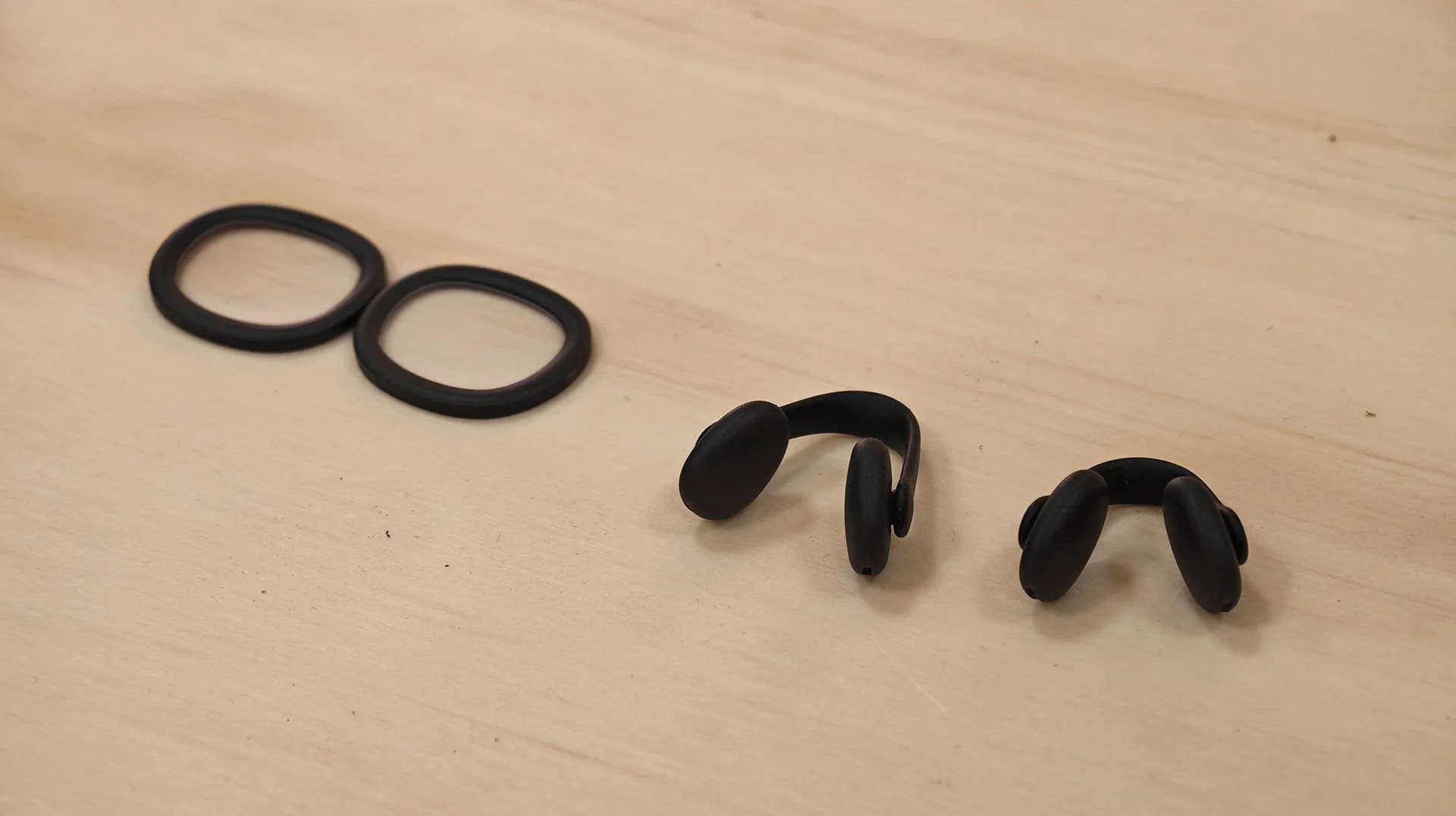
These glasses are designed for everyday wear—they resemble regular spectacles rather than traditional headsets. With foldable arms and adjustable nose pads, they eliminate the discomfort often associated with bulky headsets. While not designed for extended wear like some of Meta's AI-focused wearables, they redefine what users can expect from VR comfort.

The glasses utilize magnetic prescription lenses that can be easily fitted, ensuring a personalized experience for users. The micro-OLED panels deliver an impressive 5K resolution with a density of 37 pixels per degree (PPD), significantly surpassing Meta's Quest 3, which has only 20 PPD, and even outpacing the Apple Vision Pro's 34 PPD. This feat is achieved through a strategic reduction of the field of view (FoV) to 85 degrees, making it slightly narrower than that of the Quest 3, but still providing ample immersion without feeling limited compared to smart glasses. Users can manually adjust the interpupillary distance for a custom fit.


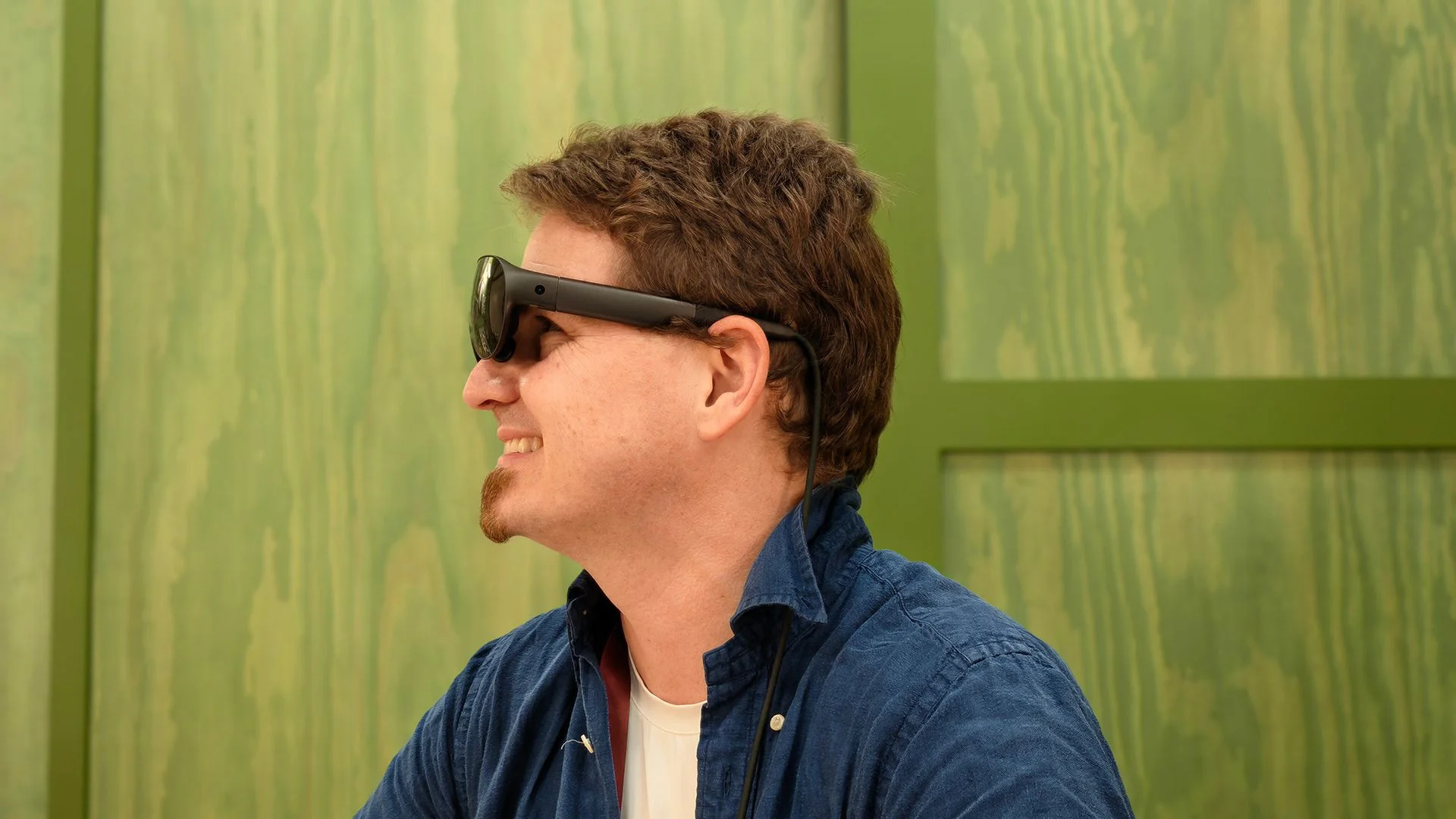
Controllers are not included with the Meta VR Glasses, but users can connect existing Quest 3 controllers or purchase a new set. During a hands-on session, I experienced a fresh take on Beat Saber called Beat Saber Flux, leveraging hand-tracking technology, which significantly altered its gameplay. This title felt akin to Synth Riders, adding a unique layer of interaction.
A peek at an upcoming mixed reality game, Dice Throne Digital, showcased the capabilities of hand tracking. Users can grab imaginary dice, simulate rolling them, and interact with their surroundings in real time, creating an engaging experience.
The Meta VR Glasses are powered by a Qualcomm Snapdragon Reality Elite chipset housed in a portable compute puck, clipped onto a belt or placed in a pocket. This setup not only keeps the unit cool but allows for continuous battery operation with a 45W charger, and it even supports USB-C video input, enabling users to connect devices like a Steam Deck for a stunning 5K display anywhere.
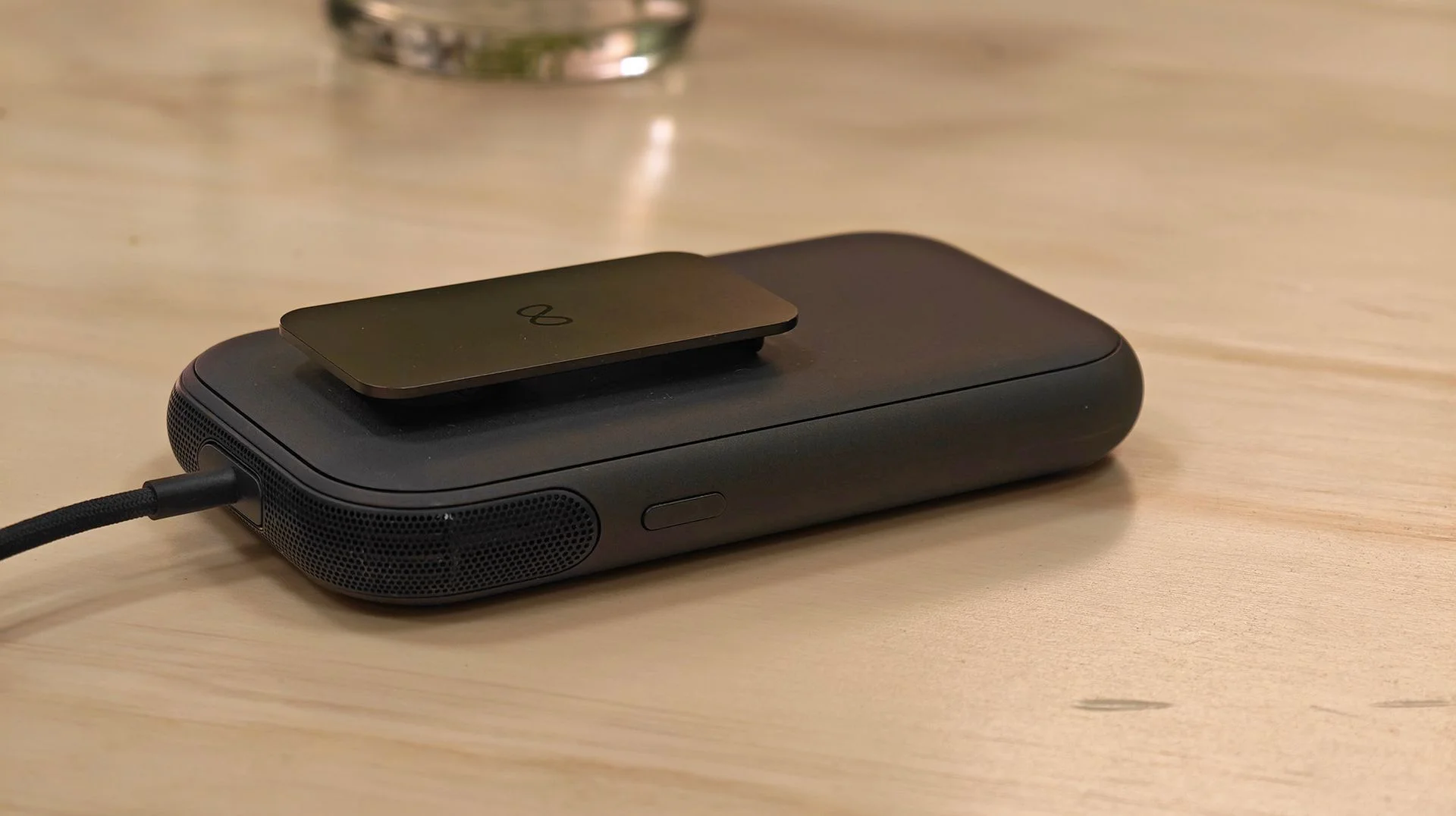
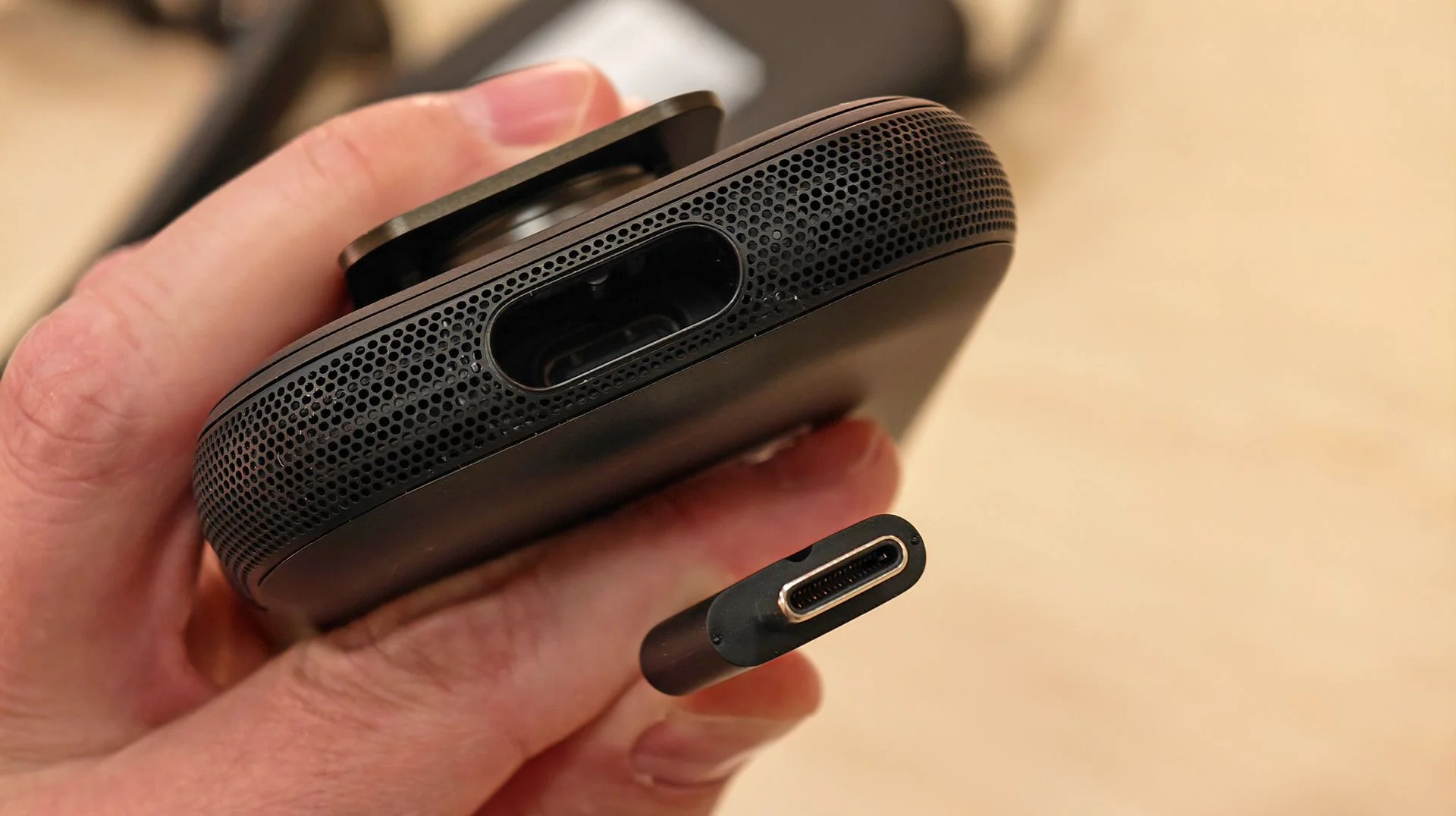
Primarily intended for seated experiences, the Meta VR Glasses also aim to enhance mixed reality with optional magnetic light blockers. A revamped user interface features built-in eye tracking, which simplifies navigation—users can select options just by looking at them and using hand gestures, eliminating the need for hand controllers.
The headset targets a broader audience, with features designed for casual viewing rather than solely for high-intensity gaming. It boasts IMAX-quality visuals facilitated by its native 12-bit micro-OLED screens, certified by James Cameron for quality. These displays use a PWM dimming method that syncs with the refresh rate, ensuring comfort even for those sensitive to flicker.
A standout feature includes access to premium experiences, such as courtside seats at select NBA games included in the headset's price, adding substantial value without additional subscription costs. While it remains unclear how many games this service will encompass, my viewing experience felt remarkably intimate, mimicking front-row accessibility.
Overall, Meta's reimagined approach with the VR Glasses marks a significant shift in the VR space. Priced at $1,299, it may be a premium offering, but this headset stands out as the most advanced I've evaluated in over a decade of covering virtual reality, addressing long-standing concerns around weight and size without sacrificing performance.


Discussion
Sign in to join the discussion.