
Earthquake in NTT Destroys 84,000 Homes: 2,000 Tons of Aid Deployed
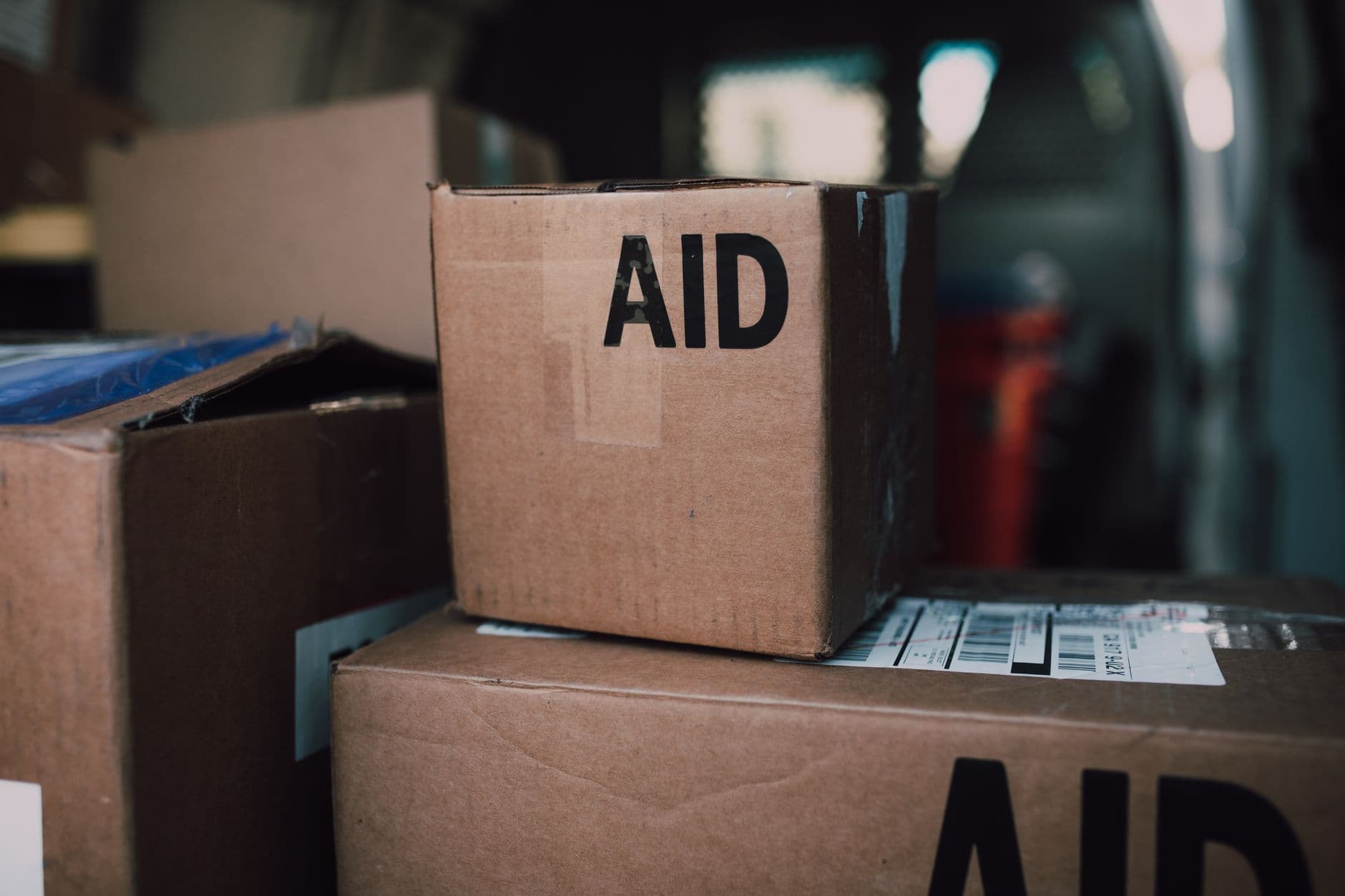
The earthquake disaster that struck East Nusa Tenggara (NTT) has had a significant impact, with more than 84,000 homes damaged. To address this crisis, logistical aid amounting to 2,000 tons has been deployed, and the majority has been successfully delivered to the areas most in need. This aid includes various basic necessities such as food, water, and medicines that are urgently needed by the victims.
Scale of Damage Due to the Earthquake
The earthquake that hit NTT not only damaged residents' homes but also important infrastructure in the region. Reports indicate that as many as 157 roads and 49 irrigation systems suffered severe damage. This damage hinders aid access and worsens the conditions of the affected communities.
The distribution of damaged homes is spread across several districts, with Alor and Lembata being the most severely affected. Many residents have been forced to evacuate and live in temporary shelters provided by the government and humanitarian organizations.
Efforts in Aid and Logistics Distribution
In facing this disaster, a rapid and coordinated response is crucial. The 2,000 tons of logistical aid that has been sent consists of food supplies, clean water, blankets, and health equipment. This logistics distribution is carried out using various modes of transportation, including planes and ships, to reach remote areas that are difficult to access.
The government collaborates with the National Disaster Management Agency (BNPB) and non-governmental organizations to ensure that logistical aid is accurately targeted. Volunteer teams are also deployed to assist in the distribution process and provide medical assistance to those in need.
Challenges in Distribution and Recovery
The logistics distribution process faces various challenges, primarily related to road infrastructure damage that slows down aid delivery to several areas. Additionally, unpredictable weather is another obstacle that the distribution teams must face.
To overcome these challenges, the government and related parties are working to repair temporary infrastructure and open alternative access routes so that aid can be delivered more quickly. The use of technology, such as drones, is also being considered to help map affected areas and monitor aid distribution.
Conditions and Needs of Earthquake Victims
The earthquake victims in NTT currently rely heavily on humanitarian aid to meet their daily needs. The availability of clean water and health services is a top priority, given the many health facilities damaged by the earthquake.
Read also: Ongoing Disaster Warning: Landslides and Floods Threaten China-Nepal Border Region
Other urgent needs include sanitation equipment, tents, and building materials to help residents rebuild their homes. The government is committed to facilitating post-disaster rehabilitation and reconstruction by involving various parties, including the international community.
International Support and National Solidarity
This disaster has attracted international attention, with many countries and international organizations offering assistance. Solidarity from the Indonesian people is also evident from various fundraising initiatives and aid deliveries carried out by individuals and community groups.
Collaboration between the government, international agencies, and the community is key in the recovery and reconstruction efforts in NTT. With strong and coordinated support, it is hoped that the recovery process can proceed more quickly and efficiently.
The Future of NTT Recovery
Looking ahead, the main focus is on ensuring sustainable long-term recovery for NTT. This includes rebuilding more earthquake-resistant infrastructure and developing more effective early warning systems to reduce the impact of future disasters.
The government also plans to enhance the region's emergency response capacity by providing better training and resources. These measures are expected to increase the resilience of the NTT community against natural disasters and minimize future losses.
With ongoing efforts and support from various parties, it is hoped that NTT can rise again and become a stronger and more resilient region in facing existing challenges.
Frequently Asked Questions
What was the impact of the earthquake in East Nusa Tenggara?+
The earthquake in East Nusa Tenggara caused significant damage, with over 84,000 homes affected and important infrastructure, including 157 roads and 49 irrigation systems, severely damaged.
What kind of aid has been provided to the earthquake victims in NTT?+
Logistical aid totaling 2,000 tons has been deployed, including food, clean water, blankets, and health equipment, to assist the victims of the earthquake in NTT.
What challenges are faced in distributing aid to NTT?+
The distribution of aid faces challenges such as damaged road infrastructure, which slows down delivery, and unpredictable weather conditions that complicate logistics.
What are the urgent needs of the earthquake victims in NTT?+
The earthquake victims urgently need clean water, health services, sanitation equipment, tents, and building materials to rebuild their homes.
How is international support contributing to the recovery efforts in NTT?+
International support has been significant, with various countries and organizations offering assistance, while national solidarity is evident through fundraising initiatives and aid deliveries by individuals and community groups.
Written by
Redaksi RusdiMediaRusdiMedia's editorial team. Our articles are drafted with AI assistance and reviewed by human editors before publication, following our editorial methodology and corrections policy.
See all articles by Redaksi RusdiMedia→Read Also

Himalayan Glacier Collapse Triggers Devastating Floods in Nepal and Tibet, Hundreds Dead
1 jam lalu
Nepal Flash Floods: Death Toll Rises to 392, Thousands Displaced
1 jam lalu
Aceh Hit by 26 Disasters in a Month: Residential Fires Predominate! What's the Cause?
1 jam lalu
Severe Damage to Health Facilities in NTT Due to Earthquake: Over 176,000 Displaced at Risk
1 jam laluKomentar
Belum ada komentar. Jadilah yang pertama berkomentar!