
Nepal Flash Floods: Death Toll Rises to 392, Thousands Displaced

The flash floods that hit Nepal have claimed an increasing number of lives, with the death toll now reaching 392 people. This natural disaster occurred after heavy rains poured over the region, causing rivers to overflow and landslides that destroyed homes and critical infrastructure. Rescuers are still struggling to search for missing victims and provide assistance to thousands of people who have lost their homes.
Current Situation in Nepal
These flash floods have swept away several villages in the mountainous regions of Nepal, worsening the situation. According to reports, many areas are still cut off from aid access due to roads blocked by landslides and collapsed bridges. Search and rescue teams continue to strive to reach remote locations to evacuate survivors and provide medical assistance and other basic needs.
Causes of the Disaster
According to the United States Geological Survey (USGS), these flash floods were triggered by the collapse of a glacier in the Himalayas. This phenomenon caused a massive volume of water to flow into the rivers, exceeding their capacity and eventually overflowing. Global climate change affecting rising temperatures in the region has also accelerated glacier melting, increasing the risk of similar disasters in the future.
Read also: Himalayan Glacier Collapse Triggers Devastating Floods in Nepal and Tibet, Hundreds Dead
Social and Economic Impact
This disaster not only brought physical impacts in the form of infrastructure damage but also triggered a humanitarian crisis. Thousands of families have now lost their homes, and access to food and clean water has become very limited. The local economy has also been hit hard with the destruction of agricultural land and small business facilities that are the main sources of livelihood for many residents.
Government Response and International Aid
The Nepalese government has deployed all resources to handle this crisis. International aid has also started to arrive, with various countries and humanitarian organizations sending logistical and medical assistance. The Embassy of the Republic of Indonesia (KBRI) in Dhaka has urged Indonesian citizens in Nepal to avoid affected areas and continue to follow directions from local authorities.
Handling and Prevention Measures
In facing this disaster, short-term handling measures such as evacuation and the provision of emergency shelters are prioritized. However, in the long term, the Nepalese government faces a significant challenge in efforts to mitigate similar disasters in the future. Building more disaster-resistant infrastructure and improving early warning systems are critical steps to reduce future risks.
Read also: Aceh Hit by 26 Disasters in a Month: Residential Fires Predominate! What's the Cause?
Raising Awareness and Education
Additionally, educating the public about the dangers of climate change and the importance of environmental conservation is expected to be a long-term solution. The community needs to be equipped with knowledge and skills to face emergency situations and mitigation steps that can be carried out independently.
The Role of the International Community
The international community is expected to play its role by providing technical and financial support to Nepal in post-disaster recovery and rehabilitation efforts. Solid international cooperation can help Nepal rebuild devastated areas and strengthen their resilience against future disasters.
Read also: Severe Damage to Health Facilities in NTT Due to Earthquake: Over 176,000 Displaced at Risk
The flash floods that hit Nepal are a stark reminder of the impact of climate change, which increasingly causes extreme natural disasters. With the death toll continuing to rise, the shared responsibility to tackle climate change becomes more urgent.
Collaborative efforts from governments, international organizations, and the global community must be enhanced to face this challenge and protect human lives and livelihoods worldwide.
Frequently Asked Questions
What caused the flash floods in Nepal?+
The flash floods in Nepal were triggered by the collapse of a glacier in the Himalayas, which caused a massive volume of water to flow into rivers, exceeding their capacity and leading to overflow. Global climate change and rising temperatures have accelerated glacier melting, increasing the risk of such disasters.
How many people have died due to the flash floods in Nepal?+
The death toll from the flash floods in Nepal has reached 392 people.
What challenges are rescuers facing in Nepal after the flash floods?+
Rescuers in Nepal are struggling to search for missing victims and provide assistance to thousands who have lost their homes. Many areas remain cut off from aid due to roads blocked by landslides and collapsed bridges, making it difficult to reach remote locations.
What impact have the flash floods had on Nepal's economy?+
The flash floods have severely impacted Nepal's economy by destroying agricultural land and small business facilities, which are the main sources of livelihood for many residents. This has led to a humanitarian crisis with limited access to food and clean water.
What measures is the Nepalese government taking to handle the disaster?+
The Nepalese government is prioritizing short-term measures such as evacuation and providing emergency shelters. In the long term, they face challenges in mitigating future disasters by building more disaster-resistant infrastructure and improving early warning systems.
Written by
Redaksi RusdiMediaRusdiMedia's editorial team. Our articles are drafted with AI assistance and reviewed by human editors before publication, following our editorial methodology and corrections policy.
See all articles by Redaksi RusdiMedia→Read Also

Himalayan Glacier Collapse Triggers Devastating Floods in Nepal and Tibet, Hundreds Dead
1 jam lalu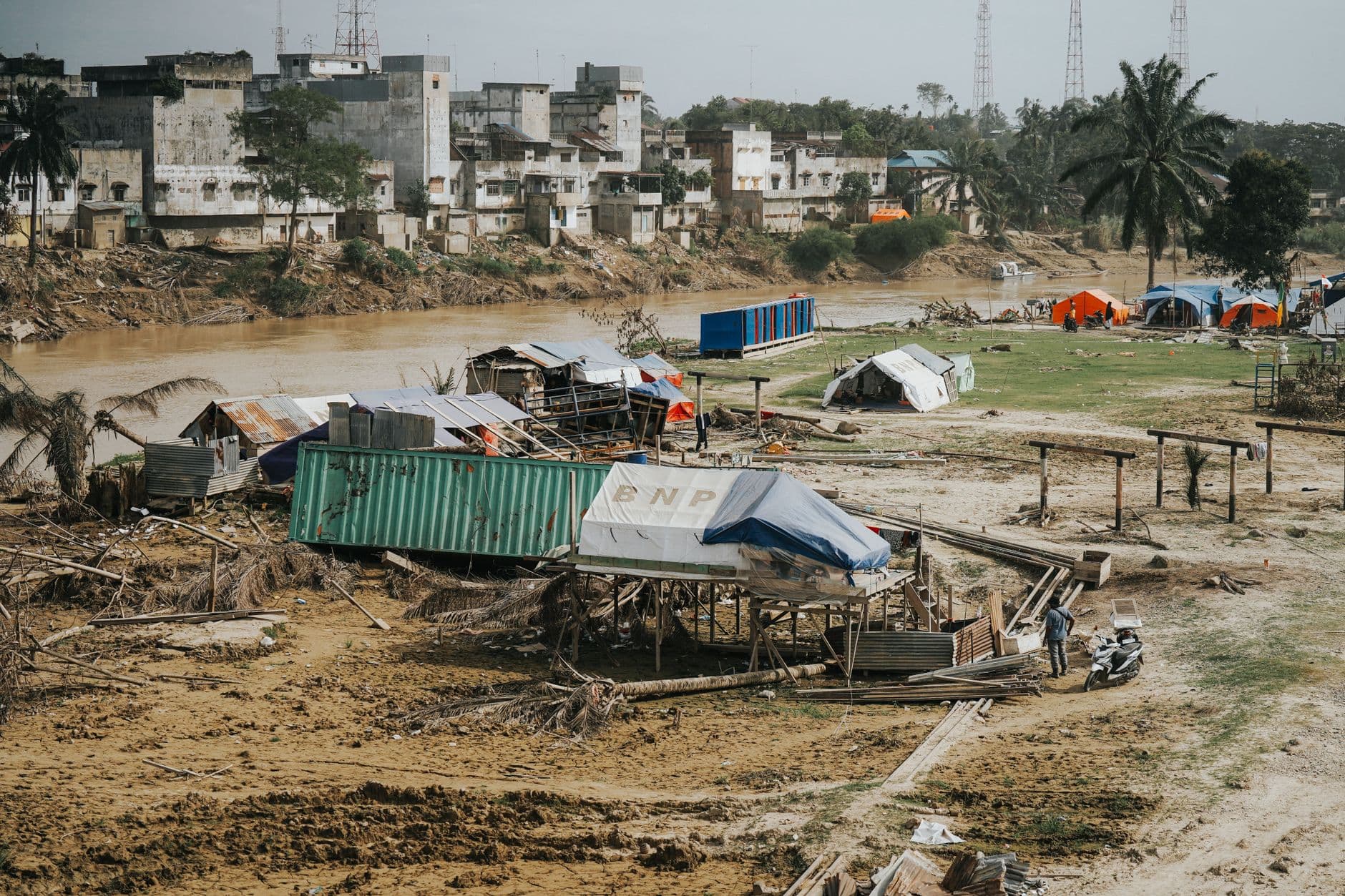
Aceh Hit by 26 Disasters in a Month: Residential Fires Predominate! What's the Cause?
1 jam lalu
Severe Damage to Health Facilities in NTT Due to Earthquake: Over 176,000 Displaced at Risk
1 jam lalu
Earthquake in NTT Destroys 84,000 Homes: 2,000 Tons of Aid Deployed
1 jam laluKomentar
Belum ada komentar. Jadilah yang pertama berkomentar!