
Ongoing Disaster Warning: Landslides and Floods Threaten China-Nepal Border Region
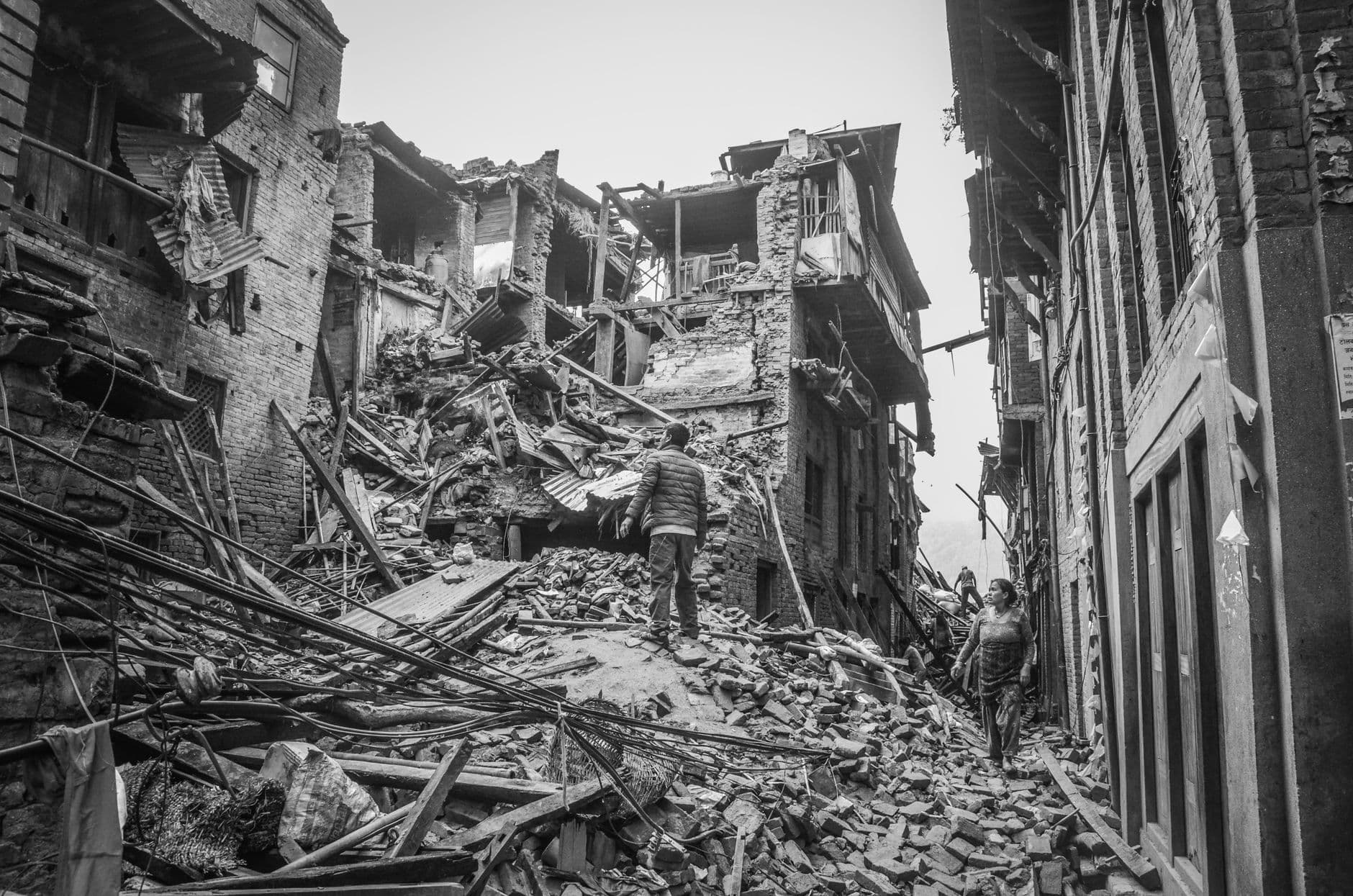
China has issued a warning regarding potential risks of further disasters in the border area between China and Nepal. This warning comes after a series of floods that hit the area, which have caused significant damage and affected the lives of local residents. On October 20, 2023, Chinese authorities highlighted the need for vigilance and preparation in facing possible additional disasters that could be triggered by extreme weather conditions and geological instability in the region.
Impact of Extreme Weather and Geological Vulnerability
The border area between China and Nepal is known for its challenging geographical terrain. The towering mountains and steep valleys make this area prone to natural disasters such as landslides and flash floods. Recently, heavy rainfall has triggered severe flooding, resulting in infrastructure damage, including highways and bridges that are vital for transportation and trade.
Reports from local authorities indicate that some areas are still recovering from the impact of previous floods. However, water-saturated soil and unstable hillsides increase the likelihood of additional landslides, which could threaten community safety and slow recovery efforts.
Social and Economic Impact
Natural disasters on the China-Nepal border not only cause physical damage but also significantly impact the social and economic lives of residents. Many families have lost their homes and livelihoods due to the floods.
Read also: Gempa NTT Destroys 84 Thousand Homes: 2 Thousand Tons of Logistic Aid Deployed
Agriculture, which is the main source of income for many people in the area, has suffered major losses due to waterlogged land and destroyed crops.
Additionally, infrastructure damage also hampers the distribution of goods and services, worsening the economic situation in an already vulnerable region. Access to healthcare and education services is also disrupted, making it even more difficult for residents to recover from the disaster's impact.
Government and International Organization Actions
In response to this situation, the Chinese government has deployed emergency response teams to assist with evacuation processes and provide aid to affected communities.
They are also working with the Nepalese government to enhance disaster mitigation efforts and ensure preparedness for potential subsequent disasters.
Read also: Aceh Hit by 26 Disasters in a Month: Residential Fires Dominant! What Causes It?
Various international organizations have also stepped in to provide humanitarian aid. This aid includes the delivery of food supplies, medical supplies, and temporary shelter equipment for refugees. Coordination among these various agencies is crucial to ensure efficient and equitable distribution of aid.
Importance of Disaster Mitigation and Education
This warning from China highlights the importance of better disaster mitigation efforts and education for the community on how to deal with natural disasters. Governments and relevant agencies are encouraged to improve early warning systems and strengthen infrastructure to be more resilient to disasters.
Education for the community is also important to ensure that they have the knowledge and skills needed to act quickly and effectively during emergencies. This includes evacuation training and providing information on safe places to take shelter during disasters.
Read also: Flash Floods in Nepal: Death Toll Rises, 392 Dead, and Thousands Displaced
Opportunities for Regional Collaboration
This situation also opens opportunities for China, Nepal, and other neighboring countries to enhance regional cooperation in disaster management. By sharing knowledge, resources, and technology, countries in the region can be more effective in reducing disaster risks and increasing community resilience against natural threats.
Bilateral and multilateral agreements can focus on developing safer infrastructure, improving early warning systems, and strengthening emergency response capacities. Thus, the region can be better prepared to face challenges posed by climate change and other extreme natural phenomena.
From this warning, it is clear that proactive and collaborative measures are crucial to protect communities and enhance resilience against future disasters. Improved preparedness and coordinated response can reduce the impact of disasters and help communities recover faster and stronger.
Frequently Asked Questions
What recent natural disasters have affected the China-Nepal border area?+
The China-Nepal border area has recently been affected by severe floods, which have caused significant damage to infrastructure and affected the lives of local residents. These floods were triggered by heavy rainfall and have increased the risk of landslides due to water-saturated soil and unstable hillsides.
What are the main challenges faced by the China-Nepal border region?+
The main challenges faced by the China-Nepal border region include extreme weather conditions and geological instability, which make the area prone to natural disasters such as landslides and flash floods. The region's challenging geographical terrain, with towering mountains and steep valleys, exacerbates these risks.
How have natural disasters impacted the social and economic lives of residents in the affected area?+
Natural disasters have significantly impacted the social and economic lives of residents by destroying homes and livelihoods, particularly affecting agriculture, which is a primary source of income. Infrastructure damage has also hampered the distribution of goods and services, disrupting access to healthcare and education.
What actions have been taken by the Chinese government in response to the disasters?+
The Chinese government has deployed emergency response teams to assist with evacuation processes and provide aid to affected communities. They are also collaborating with the Nepalese government to enhance disaster mitigation efforts and ensure preparedness for potential subsequent disasters.
What role do international organizations play in assisting the affected areas?+
International organizations have stepped in to provide humanitarian aid, including food supplies, medical supplies, and temporary shelter equipment for refugees. Coordination among these agencies is crucial to ensure efficient and equitable distribution of aid to the affected communities.
Written by
Redaksi RusdiMediaRusdiMedia's editorial team. Our articles are drafted with AI assistance and reviewed by human editors before publication, following our editorial methodology and corrections policy.
See all articles by Redaksi RusdiMedia→Read Also

Himalayan Glacier Collapse Triggers Devastating Floods in Nepal and Tibet, Hundreds Dead
1 jam lalu
Nepal Flash Floods: Death Toll Rises to 392, Thousands Displaced
1 jam lalu
Aceh Hit by 26 Disasters in a Month: Residential Fires Predominate! What's the Cause?
1 jam lalu
Severe Damage to Health Facilities in NTT Due to Earthquake: Over 176,000 Displaced at Risk
1 jam laluKomentar
Belum ada komentar. Jadilah yang pertama berkomentar!