
Severe Damage to Health Facilities in NTT Due to Earthquake: Over 176,000 Displaced at Risk
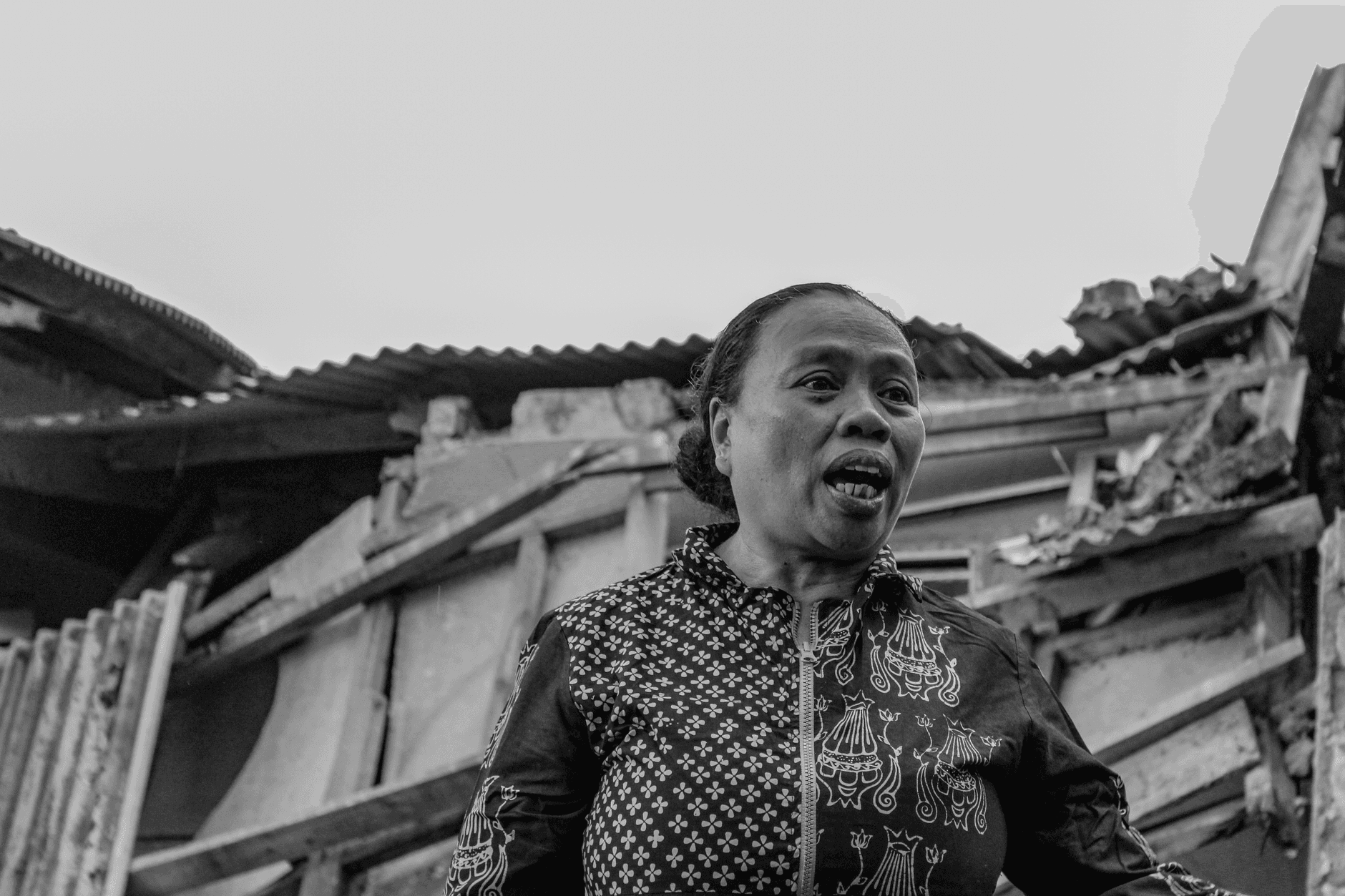
The earthquake that shook East Nusa Tenggara (NTT) on August 27, 2026, has caused severe damage to the health infrastructure in the area. A total of 157 health facilities were reported damaged, hindering healthcare services for the affected communities. This disaster not only caused physical damage but also increased health challenges for more than 176,000 refugees scattered across various locations.
Impact of the Earthquake on Health Facilities
The damage to health facilities due to the earthquake includes community health centers, hospitals, and clinics spread across various regions in NTT. This damage has disrupted essential healthcare services needed by the community, especially for those injured by the earthquake.
Furthermore, the damaged facilities also hinder the treatment of diseases commonly experienced by the refugees. According to the data obtained, some common diseases among the earthquake victims include acute respiratory infections, diarrhea, and skin diseases. These health conditions are exacerbated by the lack of access to clean water and adequate sanitation in the refugee camps.
Number of Refugees and Their Distribution
This natural disaster has forced more than 176,000 people to flee their homes. The refugees are scattered in various locations relatively safe from the earthquake's impact, but many of them are still living in temporary shelters with limited facilities.
Read also: Further Disaster Warning: China-Nepal Border Area Threatened by Landslides and Floods
The government and humanitarian organizations continue to strive to meet the basic needs of the refugees, including the provision of food, clean water, and emergency health services.
The largest distribution of refugees is in the most severely affected regencies, such as West Sumba and East Sumba, where many villages also suffered severe infrastructure damage. Logistic aid poses its own challenge as access to some locations becomes difficult due to damaged roads.
Recovery Efforts and Humanitarian Aid
The central and local governments have deployed various aids to restore conditions in NTT. Emergency response teams from the National Disaster Management Agency (BNPB) have been deployed to affected locations to assist with evacuation and aid distribution.
Additionally, the Ministry of Health is collaborating with international health organizations to establish emergency clinics and ensure the availability of essential medicines.
Read also: NTT Earthquake Destroys 84,000 Homes: 2,000 Tons of Logistic Aid Deployed
International aid has also started to arrive, with several countries offering logistical and medical support. The Red Cross and other non-governmental organizations are actively involved in distributing aid and providing medical services to the refugees.
Future Challenges
Although aid continues to arrive, the biggest challenge faced is long-term recovery. The reconstruction process of health facilities and other infrastructure requires significant time and resources.
Moreover, efforts to prevent the spread of infectious diseases in refugee camps must be continuously enhanced. Local governments are expected to collaborate with various parties to ensure that recovery can proceed smoothly and quickly.
Additionally, there needs to be an effort to improve disaster preparedness in the future, including emergency response training for the community and strengthening earthquake-resistant infrastructure.
Read also: Aceh Hit by 26 Disasters in a Month: Residential Fires Dominant! What Causes It?
Hope and Support Going Forward
Amid all the challenges, the spirit of mutual cooperation and solidarity among residents is key in facing this disaster. Support from various parties, both national and international, is expected to accelerate the recovery process in NTT.
It is important for the government and the community to learn from this experience and enhance preparedness for future natural disasters. With good planning and proper implementation, it is hoped that similar disasters can be handled more effectively, minimizing their impact on the community.
With determination and cooperation from all parties, NTT is expected to recover and rise again to rebuild a better and more resilient community against future disasters.
Frequently Asked Questions
What was the impact of the earthquake on health facilities in East Nusa Tenggara?+
The earthquake caused significant damage to 157 health facilities, including community health centers, hospitals, and clinics. This damage disrupted essential healthcare services, making it difficult to treat injuries and manage common diseases among the refugees.
How many people were displaced by the earthquake in East Nusa Tenggara?+
The earthquake forced more than 176,000 people to flee their homes. These refugees are scattered across various locations, living in temporary shelters with limited facilities.
What are some of the common health issues faced by the refugees?+
Common health issues among the refugees include acute respiratory infections, diarrhea, and skin diseases. These conditions are worsened by the lack of access to clean water and adequate sanitation in the refugee camps.
What efforts are being made to aid the affected communities in East Nusa Tenggara?+
The central and local governments, along with international organizations, are providing emergency clinics, essential medicines, and logistical aid. The National Disaster Management Agency and the Ministry of Health are actively involved in evacuation and aid distribution efforts.
What are the future challenges in the recovery process after the earthquake?+
The biggest challenges include the long-term reconstruction of health facilities and infrastructure, preventing the spread of infectious diseases in camps, and improving disaster preparedness. Collaboration among local governments and various organizations is crucial for smooth recovery.
Written by
Redaksi RusdiMediaRusdiMedia's editorial team. Our articles are drafted with AI assistance and reviewed by human editors before publication, following our editorial methodology and corrections policy.
See all articles by Redaksi RusdiMedia→Read Also

Himalayan Glacier Collapse Triggers Devastating Floods in Nepal and Tibet, Hundreds Dead
1 jam lalu
Nepal Flash Floods: Death Toll Rises to 392, Thousands Displaced
1 jam lalu
Aceh Hit by 26 Disasters in a Month: Residential Fires Predominate! What's the Cause?
1 jam lalu
Earthquake in NTT Destroys 84,000 Homes: 2,000 Tons of Aid Deployed
1 jam laluKomentar
Belum ada komentar. Jadilah yang pertama berkomentar!